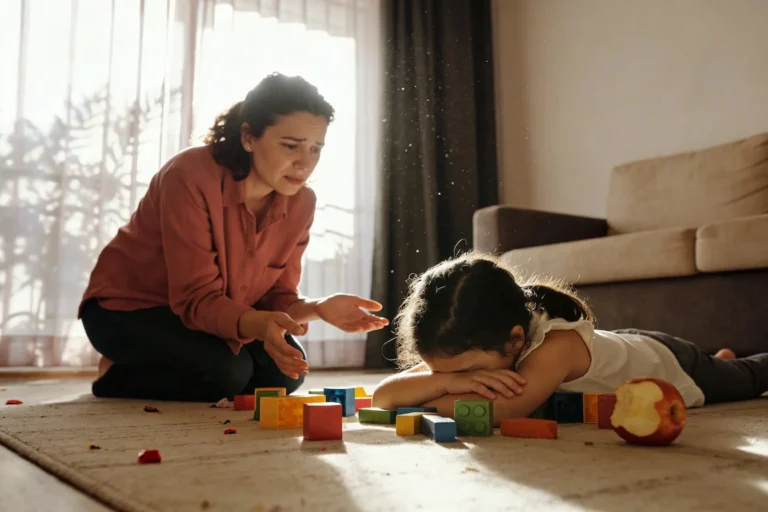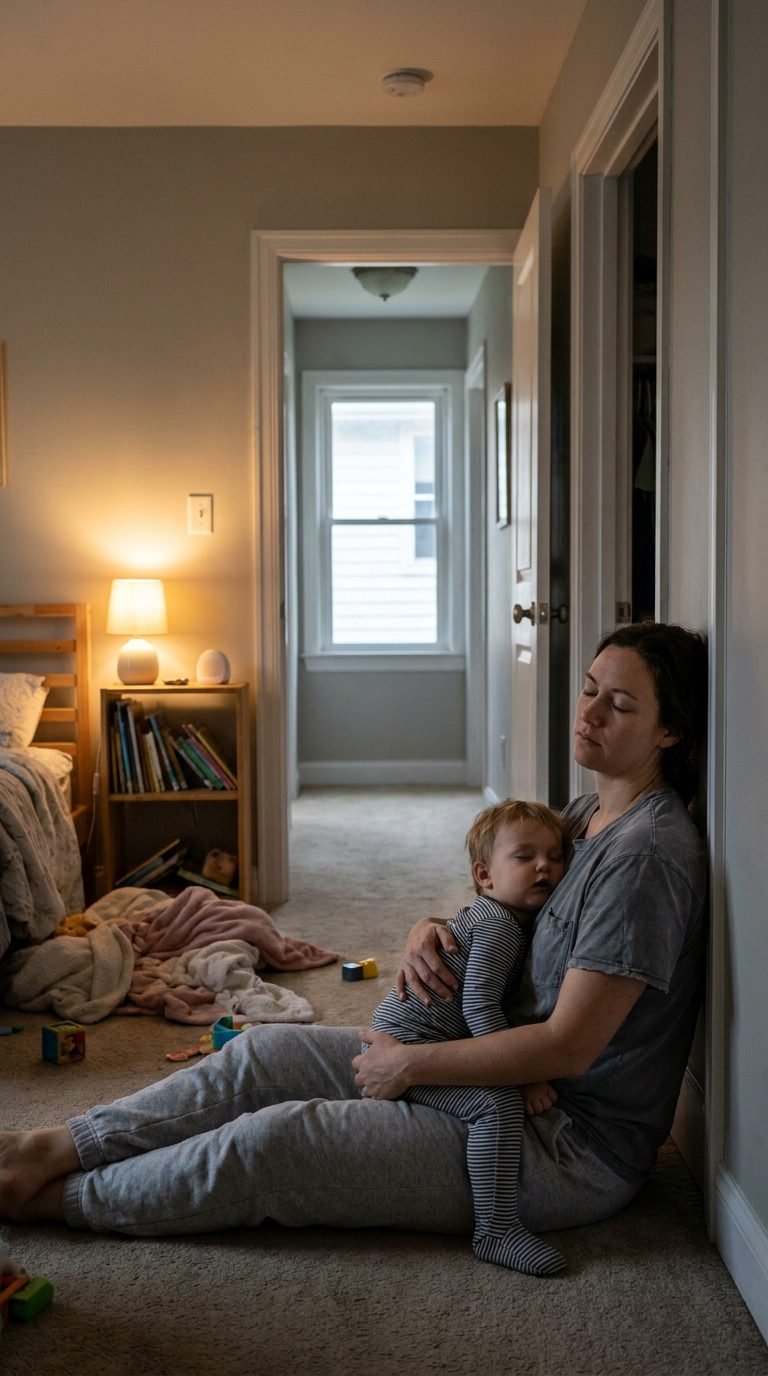

What to Do When Your Toddler Won’t Stop Screaming: A Survival Guide for Your Sanity
I remember a Tuesday about four months ago. It was 5:14 PM. The lighting in my kitchen was that weird, dusty orange of late afternoon—the kind of light that usually feels cozy, but that day, it felt like it was mocking me. I was standing over a pot of pasta that had just boiled over, and my two-year-old was on the floor. He wasn’t just crying. He was producing a sound so high, so piercing, that it felt like it was physically vibrating the fillings in my teeth. My toddler won’t stop screaming, I thought, and I honestly felt like I was going to shatter into a million jagged pieces right there on the linoleum.
I didn’t have a plan. I didn’t have a ‘gentle parenting’ script ready. I just had a raw, overwhelming urge to scream back or run out the front door and never look back. If you are reading this right now, perhaps while locked in the bathroom or while hiding in the pantry for thirty seconds of air, I want you to know: I see you. I am you. This isn’t a clinical report written by someone who has never had a sticky hand wiped on their clean jeans. This is from one mom to another, because when your toddler won’t stop screaming, you don’t need a textbook. You need a lifeline.
The noise is the hardest part. It’s a biological trigger designed to make us act, but when that act is ‘survival mode,’ our brains go offline. We stop being the rational, loving parents we want to be and start being cornered animals. Today, I want to peel back the layers of that noise. We’re going to talk about why it’s happening, how we can survive the next ten minutes, and how we can actually start to lower the volume in our homes—not through force, but through a deep, messy understanding of what our little ones are trying to say when they don’t have the words yet.

The Hidden Reasons Why Your Toddler Won’t Stop Screaming
When we hear that sound, our first instinct is often to think, ‘They are being manipulative,’ or ‘They are trying to control me.’ But the truth is much deeper and, honestly, a lot more heartbreaking. A toddler’s brain is like a house that is still under construction. The upstairs (the rational, logical part) isn’t even wired yet. The downstairs (the emotional, reactive part) is fully operational and very, very loud.
Often, the screaming is a ‘Sensory Short Circuit.’ Think about it. To a two-year-old, the world is enormous and loud. A tag on a shirt can feel like a saw blade. The transition from ‘playtime’ to ‘bathtime’ can feel like an existential crisis. When they can’t process the input, the only output they have is a scream. It’s a pressure release valve. If they didn’t scream, they might actually explode from the sheer intensity of their internal world.
Another hidden reason is what I call ‘The Safety Testing.’ It sounds counterintuitive, but toddlers often save their loudest, most ear-piercing screams for the person they feel safest with—you. They are testing the boundaries of their universe. They are asking: ‘If I am this loud, this messy, and this out of control, will you still be my anchor? Are you strong enough to handle my big feelings?’ It’s an exhausting compliment, I know. But it’s a sign of a secure attachment, even if it feels like a personal attack at 6 AM.

What Makes toddler won’t stop screaming Build Up So Fast
Not all screams are created equal. Once I started categorizing the noise, it became less like ‘noise’ and more like ‘data.’ Here is a breakdown of what is actually happening when the volume goes up.
| Type of Scream | What it Sounds Like | What’s Really Happening | The Mom-Response |
|---|---|---|---|
| The Connection Meltdown | Whiny, persistent, rising in pitch when you move away. | ‘I feel disconnected from you and I don’t know how to ask for a hug.’ | Physical touch and 5 minutes of floor time. |
| The Sensory Short Circuit | High-pitched, frantic, eyes darting or hands over ears. | ‘The world is too loud/bright/fast and my brain is overloaded.’ | Dim the lights, reduce noise, offer a ‘safe space.’ |
| The Independence Spark | Angry, sharp, ‘NO’ or ‘ME DO IT’ screams. | ‘I have a vision of what I want to do and my body isn’t catching up.’ | Offer two small choices to give back a sense of power. |
| The Transition Shock | Sudden, explosive screaming when changing activities. | ‘I was safe in what I was doing and now the world is changing.’ | Use visual timers and ‘now/next’ language. |
| The Physical Crash | Low-frequency, rhythmic, often accompanied by rubbing eyes. | ‘My body is empty of fuel or sleep and I am shutting down.’ | Low-stimulus environment and early bedtime. |
| The Frustration Flare | Screaming at a toy or a task that won’t work. | ‘I am learning a new skill and it is harder than I thought.’ | Narrate the struggle: ‘That is so hard, isn’t it?’ |
| The Fear Echo | Sharp, panicked, clinging to your legs. | ‘Something feels unsafe or unfamiliar to me.’ | Be the ‘Safe Harbor’ with a calm, low voice. |
| The Boredom Shriek | Experimental, testing the acoustics of the room. | ‘I am discovering my own voice and how it affects my environment.’ | Redirect to a musical toy or an outdoor space. |
| The Over-Hungry Howl | Jagged, desperate, often happens right before meals. | ‘My blood sugar has dipped and I can’t regulate my emotions.’ | High-protein snack immediately, skip the lecture. |
| The Pain Peak | Sudden, different tone, often with a specific physical movement. | ‘Something hurts (teeth, ears, tummy) and I need help.’ | Physical check and comfort measures. |
The C.A.L.M. Framework: Your 4-Step Response Plan
When your toddler won’t stop screaming, your brain goes into ‘fight or flight.’ You need a script. You need a framework that you can follow even when you are exhausted. I use the C.A.L.M. method. It stands for Check, Acknowledge, Lower, and Move.
1. Check Your Own Battery
Before you do anything, check your internal state. Are you about to snap? If the toddler is in a safe place (like their crib or a child-proofed room), it is okay to walk into the kitchen for 60 seconds. Take a deep breath. Drink a glass of water. You cannot pour from an empty cup, and you certainly cannot calm a screaming child if your own nervous system is on fire. Remind yourself: ‘This is not an emergency. It is just a loud noise.’
2. Acknowledge the Feeling (Not the Noise)
Instead of saying ‘Stop screaming!’ which rarely works, try to label the emotion. ‘You are so frustrated that the block fell down.’ By naming the feeling, you are helping them build their ‘upstairs brain.’ You are telling them that their feelings are valid, even if the way they are expressing them is difficult for you. This creates a bridge of connection rather than a wall of conflict.
3. Lower Your Own Volume and Stature
When they go high, you go low. Squat down so you are below their eye level. This makes you look less threatening. Speak in a whisper. Often, a toddler will stop screaming just to hear what you are saying. It breaks the ‘noise loop.’ Your calm is contagious. It might take a few minutes, but eventually, their nervous system will try to ‘sync’ with yours.
4. Move the Energy
Sometimes the scream is just stuck in their body. Change the scenery. Go outside. Put them in the bath (water is magical for resetting toddlers). Or, if they are receptive, give them a ‘big squeeze’ (deep pressure) which can help ground their sensory system. Moving to a different room can often ‘reset’ the brain’s focus and break the cycle of the meltdown.
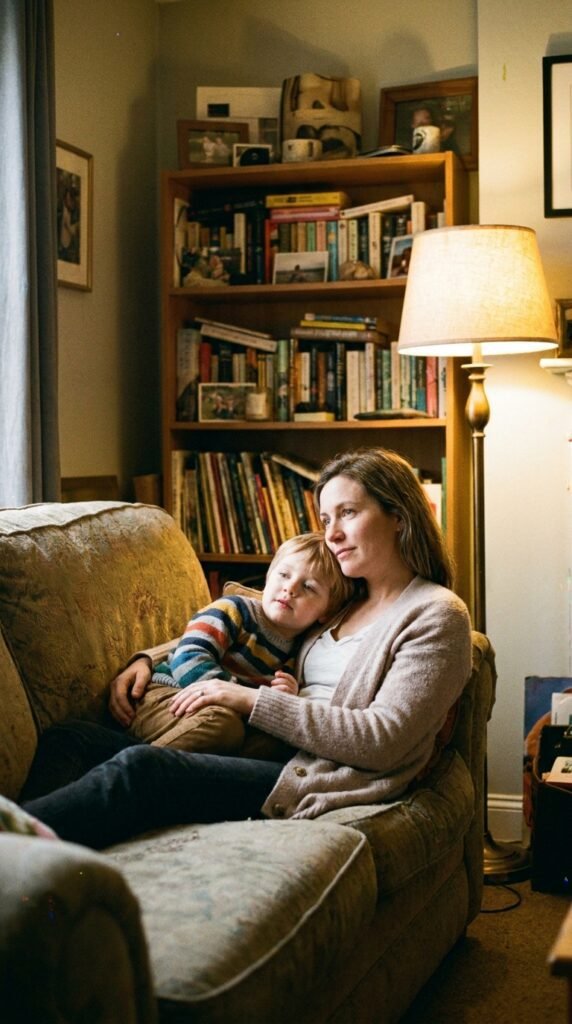
Case Study 1: Ania and the Grocery Store Meltdown
Ania was at the checkout line when her daughter, Lena, started a ‘Connection Meltdown’ because she couldn’t have a candy bar. Ania felt the eyes of everyone in line. Instead of shushing or getting angry, Ania took a breath, sat Lena on the floor right there, and said, ‘You really wanted that candy. It’s hard to wait.’ Lena continued to scream for a minute, but then, seeing Ania was calm and stayed with her, she reached out for a hug. The screaming stopped. Ania realized that Lena wasn’t ‘bad’; she was just overwhelmed by the stimulus and the ‘no.’
Case Study 2: Leo and the ‘Wrong’ Blue Plate
Leo’s mom, Sarah, gave him his snack on a red plate because the blue one was in the dishwasher. Leo hit a ‘Transition Shock’ scream that lasted ten minutes. Sarah realized that to Leo, the blue plate represented safety and routine. Instead of arguing about the plate, she used the ‘Move the Energy’ step. She took the snack outside to the porch. The change in air and the sight of a bird immediately broke Leo’s focus on the plate, and the screaming died down to a whimper.
Case Study 3: Maya and the Shoes
Maya was trying to put on her own shoes and failing. Her ‘Independence Spark’ turned into a full-blown shriek. Her dad, David, used the ‘Acknowledge’ step. ‘You wanted to do it yourself. That is so frustrating.’ He didn’t take the shoes away. He sat next to her and waited. Once she felt heard, Maya’s body relaxed, and she allowed David to help her with ‘just the heel.’

10 Physical Resets for Mom (When You’re at Your Limit)
Let’s be real: staying calm is hard. When your toddler won’t stop screaming, your body reacts. Here are 10 ways to ground yourself in the moment so you don’t lose your cool:
- 1. The Cold Water Shock: Splash ice-cold water on your face. It triggers a physical reset in your nervous system.
- 2. Wall Pushups: Push against a wall as hard as you can for 10 seconds. The deep pressure helps ‘discharge’ the frustration.
- 3. The 5-4-3-2-1 Technique: Name 5 things you see, 4 you feel, 3 you hear, 2 you smell, and 1 you taste.
- 4. Low-Note Humming: Hum a very low, vibrating note. It stimulates the vagus nerve and promotes calmness.
- 5. The ‘Exhale’ Rule: Make your exhale twice as long as your inhale. This tells your brain you are safe.
- 6. Jaw Release: Open your mouth wide and move your jaw side to side. We hold so much tension there.
- 7. Foot Grounding: Take off your shoes and feel the texture of the floor. Notice the coldness or the carpet.
- 8. Scent Reset: Keep a bottle of lavender or peppermint oil in your pocket. One sniff can break a mental spiral.
- 9. The ‘Ten-Count’ Pause: Before you speak, count to ten while looking at something neutral, like a window.
- 10. Shoulder Drops: Intentionally drop your shoulders away from your ears. Do it three times in a row.

Frequently Asked Questions About Toddler Screaming
Is it normal for my toddler to scream all day?
While ‘all day’ feels literal when you’re in it, constant screaming is usually a sign of a developmental leap or a physical discomfort. However, if they truly cannot be consoled for hours, it’s always worth a quick call to your pediatrician to rule out ear infections or silent reflux.
When should I worry about the screaming?
If the screaming is accompanied by a complete loss of eye contact, if they are hurting themselves or others persistently, or if they don’t seem to know you are there, it might be worth discussing sensory processing with a professional.
How do I handle public screaming without dying of embarrassment?
Remember that most people in that store have been there. The ones who judge don’t matter. Focus entirely on your child. Your job is to be their parent, not to perform for the strangers in the cereal aisle.
Should I give them what they want just to stop the noise?
It’s tempting, but it usually backfires. If you give in to the scream, you teach them that screaming is an effective cocommunicationool. It’s better to hold the boundary but offer immense comfort while they process the ‘no.’
Does my toddler hate me when they scream at me?
Absolutely not. They scream at you because you are their ‘safe place.’ They are dumping their hardest emotions on you because they trust you to hold them. It is a sign of love, however distorted it sounds.
What if I end up screaming back?
It happens. We are human. If you lose it, wait until everyone is calm and then apologize. ‘I’m sorry I raised my voice. I was frustrated, but it’s not your fault. Let’s try again.’ This teaches them how to handle mistakes.
How long does this ‘screaming phase’ actually last?
Most children start to find better ways to communicate between ages 3 and 4 as their language skills and impulse control develop. This is a season, not a forever sentence.
Can diet affect the screaming?
For some kids, yes. High sugar or artificial dyes can cause ‘spikes’ and ‘crashes’ that make regulation harder. Observe if there’s a pattern between what they eat and when the volume goes up.
Is ‘Time-Out’ effective for screaming?
Usually, no. Screaming is a cry for connection or a sign of dysregulation. Sending them away often increases their panic. Try ‘Time-In’ where you stay near them until they are calm.
How do I help an older sibling during a toddler’s meltdown?
Give the older child noise-canceling headphones or a specific ‘safe zone’ they can go to. Explain to them: ‘Your brother’s brain is having a hard time right now. It’s not your fault, and it will be over soon.’
Finding the Peace Within the Chaos
Mama, if you are reading this and your ears are still ringing, I want you to take a deep, shaky breath. Having a toddler won’t stop screaming is one of the most taxing experiences of motherhood. It triggers our deepest insecurities. It makes us wonder if we were ever cut out for this. It makes us feel lonely in a house that is far too loud.
But here is the truth: You are doing a great job. The fact that you are searching for answers, that you are trying to understand the ‘why’ behind the noise, proves that you are a deeply ‘tuned-in’ parent. You aren’t failing; you are participating in a very difficult developmental stage. The screaming isn’t a reflection of your parenting; it’s a reflection of your child’s growing pains.
There will come a day—sooner than you think—when that same voice will use those lungs to tell you a joke, to sing a song, or to say ‘I love you, Mommy’ in a quiet moment before bed. The intensity they have right now? It’s the same intensity that will one day become passion, drive, and strength. Right now, it’s just unrefined. It’s raw energy that doesn’t have a map yet. You are that map. You are the one showing them how to navigate the storm.
So, tonight, when the house is finally quiet, I want you to do something just for you. Don’t fold the laundry. Don’t scroll through social media comparing your ‘messy’ to someone else’s ‘perfect.’ Just sit in the silence. Appreciate the quiet. Forgive yourself for the moments you weren’t perfect today. You survived. Your child is safe. And tomorrow is a fresh start for both of you.
You’ve Got This, Mama
I know it’s hard. I know you’re tired. But you are the exact mother your child needs. If your toddler won’t stop screaming today, remember that you are their anchor. You don’t have to be perfect; you just have to be present. Reach out to a friend, send that ‘SOS’ text, and remember that this, too, shall pass. We are in the trenches together, and we’re going to make it through to the other side, one deep breath at a time. Hang in there—you are doing better than you think. Learn more: communication. Learn more: communication.