
Do Screens Make Toddler Tantrums Worse? What Parents Need to Know
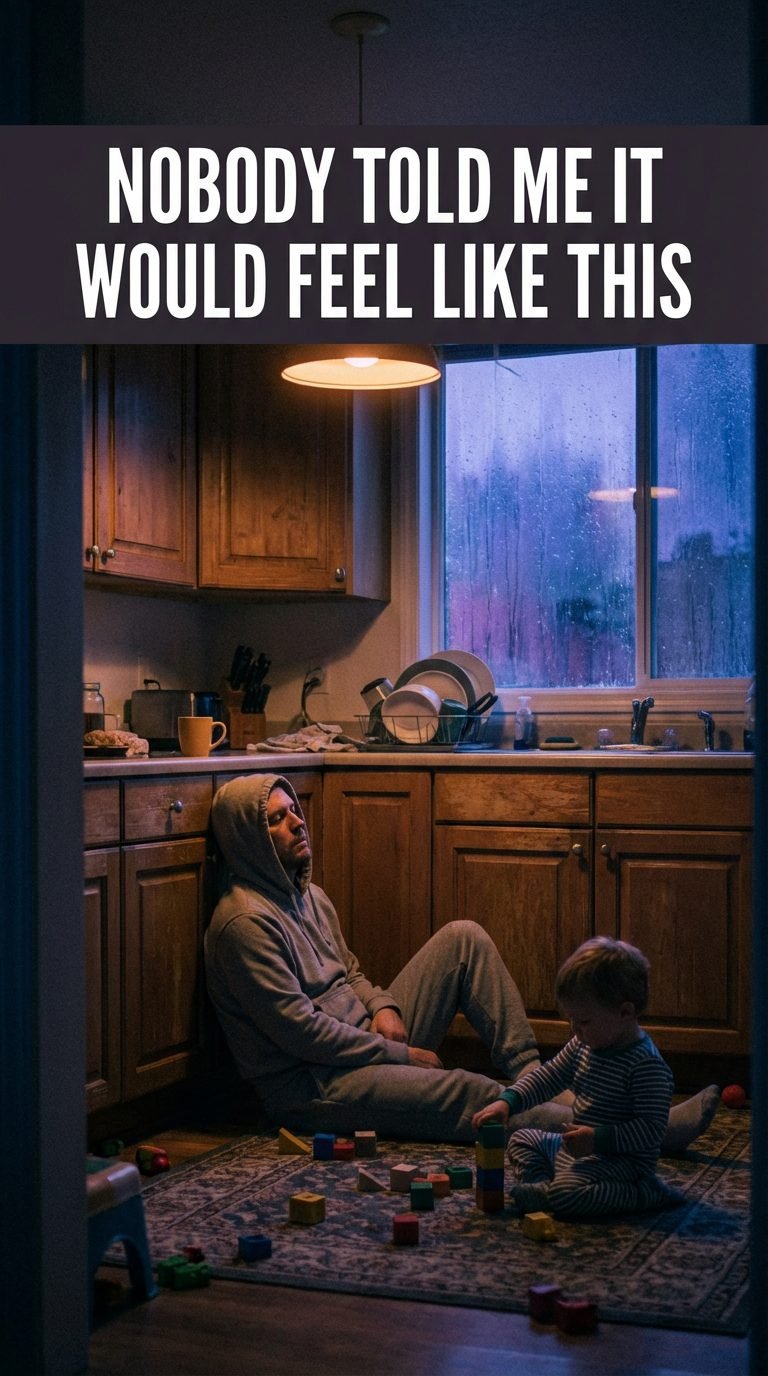
When do screens make toddler tantrums worse starts to feel like too much, I remember the first time I realized the screen was no longer my ‘helper.’ It was a Tuesday afternoon, the kind where the rain is gray against the window and you’ve been solo-parenting for what feels like forty days. I just needed ten minutes to boil pasta. I handed my two-year-old the tablet, thinking I was buying a moment of peace.
But when I pressed that ‘off’ button? The world didn’t just end; it imploded. The scream that tore out of her little body was different than a ‘no more cookies’ scream.
It was raw, jagged, and honestly, terrifying. I stood there, clutching a wooden spoon, feeling like I had accidentally broken her brain. I felt like a failure.
If you’ve been there, standing in the middle of your kitchen while your child vibrates with a rage you don’t understand, please know: I see you. I am you.
Why do screens make toddler tantrums worse Feels So Heavy
Let’s get straight to the heart of it: do screens make toddler tantrums worse? The short answer, from my heart to yours, is often yes—but it’s not because you’re a ‘bad mom’ or because your child is ‘spoiled.’ It’s biology. When our kids watch high-stimulation shows, their little brains are flooded with dopamine. It’s like a constant, high-speed delivery of ‘feel-good’ chemicals. When we turn the screen off, that supply is cut off instantly. Their nervous system doesn’t just ‘reset’; it crashes. It’s called the ‘digital comedown,’ and it feels physically painful to them.
We often use screens as a ‘babysitter’ because we are exhausted. Let’s be honest about that. We are trying to survive. But when we see that the tantrums are getting longer, louder, and more frequent after screen time, it’s a signal from their nervous system that they can’t handle the transition. It’s not a lack of discipline; it’s a lack of developmental capacity. Their prefrontal cortex—the part of the brain that handles logic and ‘letting go’—is basically under construction. They literally cannot help the explosion that follows the black screen.
What Makes do screens make toddler tantrums worse Build Up So Fast
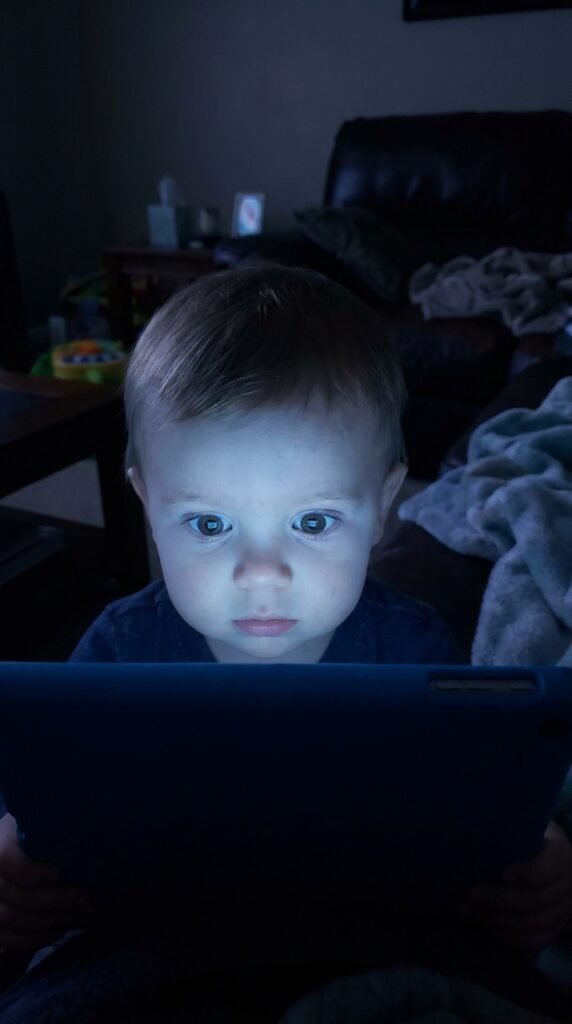
It’s easy to blame the content, but it’s often the *delivery* that causes the most trouble. Think about the sensory experience. A screen is a passive, two-dimensional world. For a toddler, who is designed to learn through touch, smell, and movement, being ‘locked’ into a screen for thirty minutes is like holding their breath. When the screen goes off, they ‘gasp’ for sensory input, and it comes out as a meltdown.
“It’s not that the screen is ‘evil’; it’s that the screen is a sensory vacuum. When the vacuum breaks, the sensory world rushes back in too fast for their little hearts to process.”
Furthermore, screens often disrupt the ‘circadian rhythm’ of their play. Normal play has a beginning, a middle, and a natural end—building a tower and then knocking it down. Screen play is infinite. There is always another ‘suggested video’ or another episode of Cocomelon. When we stop it, we are interrupting a cycle that never naturally concludes, leaving their brain in a state of ‘unfinished business’ frustration.

Comparing the ‘Screen Meltdown’ to Other Tantrums
Not all tantrums are created equal. Understanding the difference between a ‘need-based’ tantrum and a ‘screen-induced’ meltdown helps us respond with the right kind of energy. Here is how I’ve learned to tell them apart in my own home.
| Tantrum Type | The Physical Sign | The Emotional Root | How it Feels to Mom |
|---|---|---|---|
| The Connection Meltdown | Reaching for you, crying ‘Mama’ | Feeling disconnected or lonely | Heart-tugging, manageable |
| The Hunger/Tired Grumble | Whining, rubbing eyes, limp body | Low physical resources | Predictable, solvable with snacks |
| The ‘Off Button’ Explosion | Arching back, screaming, glazed eyes | Dopamine crash/Sensory shock | Jarring, aggressive, confusing |
| The Boundary Push | Stomping, ‘I do it!’, defiant eye contact | Seeking autonomy and power | Testing, frustrating |
| The Overstimulation Peak | Covering ears, hiding, erratic moving | Nervous system ‘Full’ sign | Overwhelming, noisy |
| The Digital Hangover | Irritable for hours after screen time | Lingering brain fog/exhaustion | Draining, ‘walking on eggshells’ |
| The Transition Terror | Clinging to the device, hiding it | Fear of the ‘void’ after the fun | Manipulative (but it’s actually fear) |
| The Physical Hunger (Post-TV) | Frantic eating or refusing all food | Disconnection from body cues | Chaos at the dinner table |
The ‘Low-Dopamine Bridge’ Framework: A Step-by-Step Method
If you aren’t ready to go ‘cold turkey’ (and hey, most of us aren’t!), you need a strategy to bridge the gap between the screen world and the real world. I call this the **Low-Dopamine Bridge**. This isn’t about being a perfect parent; it’s about being a nervous-system detective. This 400-word framework has saved my sanity more times than I can count.
Step 1: The ‘Touch-In’ (5 Minutes Before)
Don’t just shout ‘Two more minutes!’ from the kitchen. Walk over. Sit on the floor next to them. Enter their world. Ask, ‘What is Bluey doing right now?’ By joining them, you are bringing a ‘real human’ presence into their digital bubble. This makes the bubble less fragile.
Step 2: The Physical Warning
Instead of just a verbal warning, use a physical cue. I like to put my hand gently on my daughter’s shoulder or back. I want her to feel my warmth. I say, ‘When this episode is over, we are going to use our big muscles to jump to the kitchen.’ I am planting a seed for the *next* activity, so the ‘off’ button isn’t the end of the road, but a turn in the path.
Step 3: The ‘Choice’ Power-Up
Right before the screen goes off, give them a tiny bit of power. ‘Do you want to press the off button, or should I?’ or ‘Should we walk like penguins or hop like bunnies to the snack table?’ This engages their logical brain right as the emotional brain is about to flare up.
Step 4: The Immediate Sensory Reset
As soon as the screen is black, move their body. Do not—I repeat, do not—expect them to sit quietly. They need to ‘discharge’ the pent-up energy. A big hug, a heavy push against a wall, or a quick snack with a crunch (like an apple or a carrot) helps ground their senses back into the physical world. This is the bridge that carries them over the dopamine cliff.

Real Life Scenarios: It’s Never Perfect
I want to share a few stories from my ‘village’—the moms I text when I’m hiding in the bathroom. These aren’t success stories where everything ends in a bow; these are real moments of learning.
Case Study 1: Ania and the ‘YouTube Spiral’
Ania’s 3-year-old was obsessed with unboxing videos. Every time she took the phone away, he would scream for an hour. Ania realized it wasn’t just the screen; it was the *unpredictability* of YouTube. She switched to a single movie on a DVD. The tantrum didn’t disappear, but it became shorter because there was a clear ‘The End’ screen. She learned that *format* matters as much as *time*.
Case Study 2: Kasia and the ‘Dinner Prep’ Screen
Kasia used the TV so she could cook. Her daughter would have a ‘connection meltdown’ the second the TV went off because Kasia was still busy. Kasia started bringing her daughter into the kitchen *before* the show ended to help ‘wash’ plastic lettuce. The screen became a transition to ‘helping Mom’ instead of a wall between them.
Case Study 3: My Own ‘Cold Turkey’ Week
Last month, I hit a breaking point. I hid the tablet in the top of the closet. The first three days were brutal. My daughter was bored, whiny, and followed me everywhere. But on day four? She started playing with her blocks again. She started ‘talking’ to her dolls. I realized the screens hadn’t just been making tantrums worse; they had been stealing her imagination. We aren’t screen-free now, but we are screen-intentional.
Physical Resets for YOU (When the Chaos Hits)
When the tantrum is happening, your nervous system is also under attack. You cannot co-regulate with your child if you are vibrating with rage or panic. Here are 10 things I do that actually work—no ‘deep breathing’ (which sometimes makes me angrier) and no ‘scent resets’ that I don’t have time for.
- 1. Press your heels into the floor: Feel the actual hardness of the ground. It tells your brain you are safe.
- 2. Splash cold water on your wrists: It’s a quick shock to the system that can break a ‘mom-rage’ spiral.
- 3. Hum a low, deep note: The vibration in your chest stimulates the vagus nerve.
- 4. Push against the wall: Put your palms flat and push with all your might. It releases pent-up ‘fight’ energy.
- 5. Step outside for 30 seconds: Even if the toddler is screaming inside, the change in air temperature resets your brain.
- 6. Drink a glass of ice-cold water: The sensation of the cold going down your throat is grounding.
- 7. The ‘Butterfly Hug’: Cross your arms and tap your shoulders rhythmically.
- 8. Clench and release your fists: Do this ten times while the screaming is happening.
- 9. Look for 5 blue things in the room: This forces your brain back into the ‘logical’ prefrontal cortex.
- 10. Say out loud: “This is not an emergency. This is just a loud noise.”

FAQ: Your Questions, Mom-to-Mom
Q: Is ‘educational’ screen time better for tantrums?
A: Honestly? Not really. A high-speed ‘educational’ show can be just as overstimulating as a ‘junk’ show. Look for ‘slow’ media—shows with long camera shots and calm voices (like Mr. Rogers or Puffin Rock). They are much gentler on the nervous system.
Q: Should I just go completely screen-free?
A: If you can, it’s amazing! But for many of us, it’s not realistic. Instead of ‘screen-free,’ try ‘screen-guarded.’ Pick specific times and specific shows. The predictability helps the tantrums moremore than theal ban does.
Q: My child hits me during post-screen tantrums. What do I do?
A: This is so hard. It means they are in ‘Fight or Flight.’ Catch their hands gently and say, ‘I can’t let you hit. I am going to move back to keep my body safe.’ Don’t try to teach a lesson in this moment. Just keep everyone safe until the storm passes.
Q: Does the size of the screen matter?
A: In my experience, yes. A TV across the room is less ‘absorptive’ than a tablet six inches from their face. The tablet creates a more intense ‘trance’ which leads to a harder ‘crash.’
Q: Why does my child seem fine while watching, but like a monster after?
A: Because while they are watching, they are ‘numbed out.’ The ‘monster’ you see after is actually just a child who is suddenly feeling *everything* they were ignoring while the screen was on. It’s an emotional overflow.
Q: How long should the ‘digital hangover’ last?
A: Usually, the peak is 15-20 minutes. If it lasts hours, it might mean they need more sleep or a permanent reduction in screen time because their system is chronically overtaxed.
Q: Can I use screens as a reward?
A: I try not to. If we make screens a ‘high-value prize,’ it makes the child even more desperate to hold onto them, which makes the tantrum even worse when they end. Treat it like a tool, not a trophy.
Q: What if my partner doesn’t agree on screen limits?
A: This is the toughest one. Try to show them the *data* in your own house. Say, ‘Have you noticed how he screams for 30 minutes after the tablet? I’m exhausted by it. Can we try a week of only TV and see if it helps?’

You Are More Than a Remote Control
If you’re reading this, you’re likely in the thick of it. You’re tired, your ears might be ringing from a recent meltdown, and you’re wondering if you’ve already ‘ruined’ your child with too much Disney+. Let me take your hands and tell you: you haven’t. We are the first generation of parents trying to navigate a digital world with biological systems that haven’t changed in thousands of years. We are learning on the fly.
Do screens make toddler tantrums worse? They certainly can. They add fuel to a fire that is already naturally prone to burning hot. But the screen isn’t the enemy—the lack of support for parents is. We use screens because we are doing the work of five people. When the tantrums happen, try to look past the screaming and see a little person whose brain is just ‘re-entering’ the real world. It’s bumpy, it’s loud, and it’s messy.
But you are the best person to guide them through that re-entry. You are the ‘safe harbor’ they are crashing into. Tomorrow is a new day. Maybe tomorrow, you try the ‘Low-Dopamine Bridge.’ Maybe tomorrow, you hide the tablet for a few hours. Or maybe tomorrow, you just give yourself the grace to say, ‘This is hard, and I’m doing my best.’ Because your best—even on the days with the loudest tantrums—is exactly what your child needs.
Mom-to-Mom Challenge: Pick one ‘high-intensity’ screen time habit this week and swap it for a ‘slow’ one, or try the ‘Choice Power-Up’ when you turn the TV off. Just one thing. You’ve got this, Mama. We’re in this together.