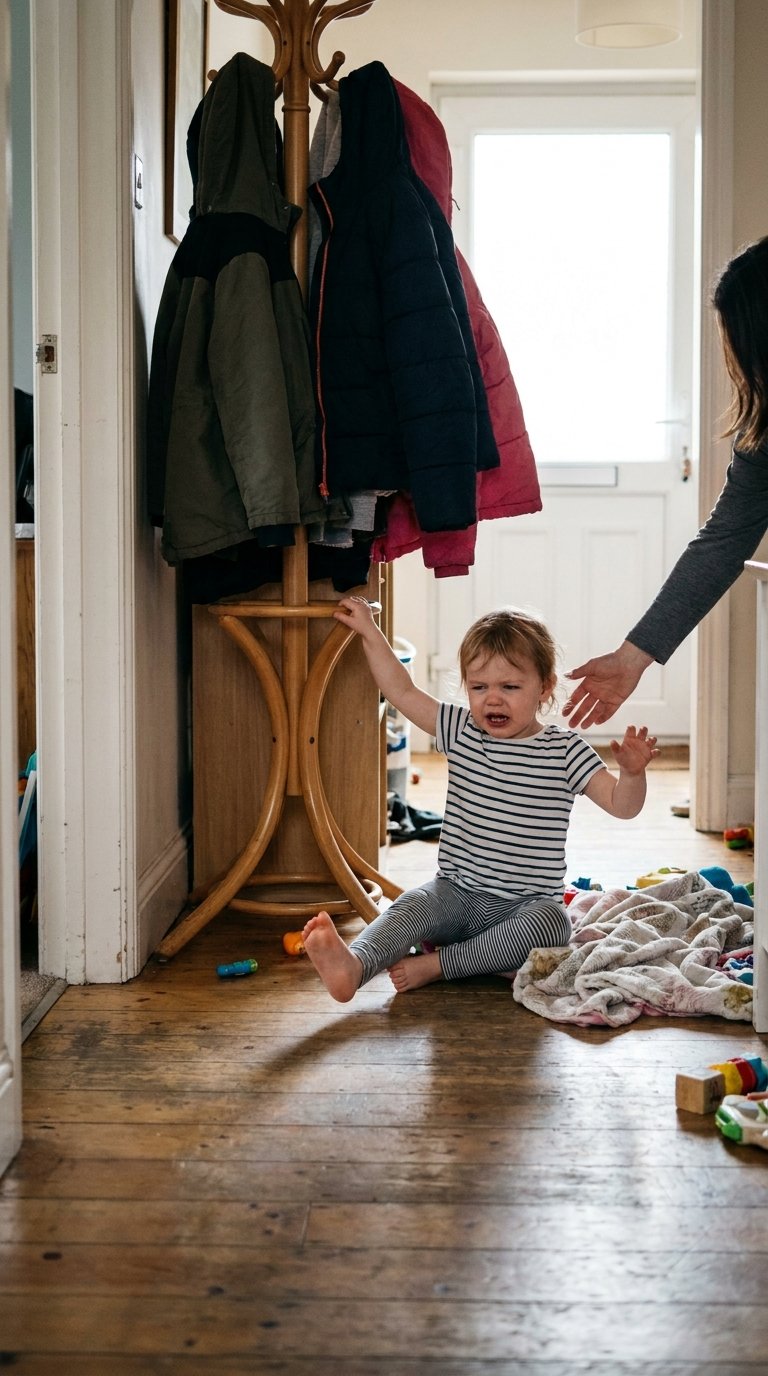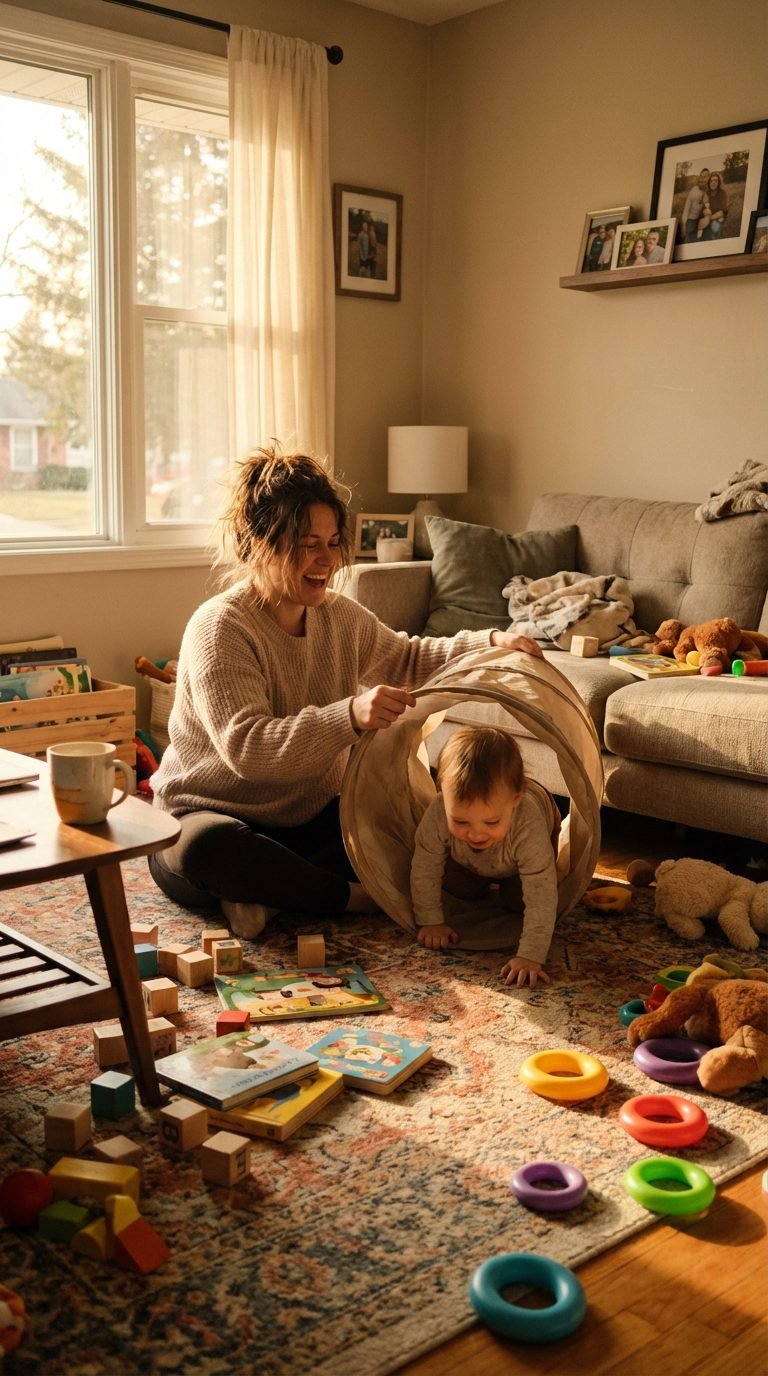

Why So Many Moms Feel Touched Out by the End of the Day
When why moms feel touched out hits in real life, it’s 8:30 PM, and you finally collapse onto the couch.
Toys are strewn across the floor, evidence of a day that seemed to evaporate before you even noticed.
Your muscles protest as your child once again settles onto your lap for “just one more” bedtime story.
The constant contact—not just physical but emotional—feels heavier as the evening wears on.
The demands of the day, from the wake-up call to lights out, string together like beads that seem never-ending.
The TV drones softly in the background, an unending reminder that life doesn’t pause, not even when it’s animated.
It’s a comforting soundtrack that feels like another person vying for attention.
In the kitchen, a leaky faucet keeps time with the steady pulse echoing in your temples, a reminder that the to-do list never really vanishes.
Let’s explore why moms feel touched out and find ways together to reclaim your evening peace, step by step.
These strategies aim to help you handle the daily chaos with more ease and compassion for yourself.
What helps with why moms feel touched out in real life
Key Takeaways
The short version you can come back to quickly.
- Start with the single change that removes the most friction — not the most comprehensive system.
- Match the approach to the current energy level and age stage, not to the ideal version of the day.
- Adding more rules on top of a broken setup makes the load heavier when real life gets busy.
- If the improvement disappears after a week, the friction point came back — not the child.
Understanding the Overwhelm
As each hour passes, sensory input stacks up, leading to overstimulation and emotional exhaustion.
The build-up is gradual yet powerful, resulting in an overwhelming sense of being ‘touched out’ that leaves little room for personal breathing space.
Seven-year-olds are at an age of discovery, soaking up interaction like little sponges, which can be draining.
Their endless curiosity is both a joy and a tireless part of parenting that demands constant attention and interaction.
This isn’t about failing; it’s the natural effect of a day packed with non-stop alerts.
Each request for help, every “watch this, mom!” adds to the increasing weight that parents carry from sunrise to sunset.
- Constant interaction without breaks
- Managing both household tasks and emotional responses
- The pressure to remain ever-present
Understanding that this feeling is commonplace among parents can provide some reassurance.
Strive to find moments where pressure can ease, offering a little space for individual care amidst the demands.
When Evening Chaos Hits

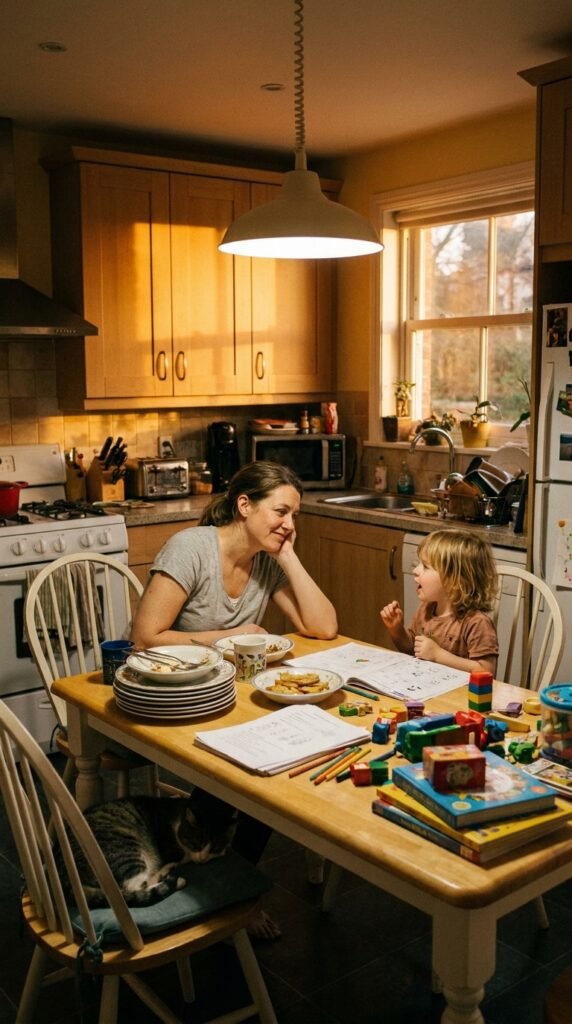
The rush kicks in just as you wrangle with the post-dinner mess in the kitchen.
The best parenting improvements usually come from a simpler system, not a more complicated promise.
The mixture of dinner plates and impending bath time collides with the backdrop of unfinished homework or lingering toddler cries.
Your child fires off questions about the weather, superheroes, and the mysteries of the universe. It’s all a bit much.
Their inquisitiveness seems to kick into high gear just as you’re simmering toward fatigue.
Feeling overwhelmed is easy in these moments, making you understand why moms feel touched out by evening. The cumulative effect of the day can crest, leaving patience thin.
Children catch a second wind precisely when you’re winding down. They’ve saved up their curiosities all day long, and these questions can swirl into an after-dark whirlwind.
Their pent-up energy is ready to spill out, just as you’re contemplating tackling the crumbs under the table or that ever-growing laundry pile.
Recognizing the need for a break might just save an evening.
Recognizing this helps. When you’re feeling frazzled, try hitting pause on your cleanup routine.
Taking a brief, intentional pause can act like a subtle act of reclaiming your calm.
Sit down with your child amidst the cushions and yesterday’s laundry for just five minutes. This shift in focus from tasks to relationship can provide renewed energy and joy.
- Snuggle into the couch with your child.
- Ask them about their day with open-ended questions.
- Play a quick game or tell a story.
- Return to post-dinner chores with a new perspective.
You’ll feel a noticeable difference. Time spent in joyous interaction rather than stressed fallout is refreshing.
This simple gesture can defuse the growing evening tension, offering a touch of calm before bedtimes commence.
It’s like pressing the reset button, refreshing you and your child. Even a small space of connection offers a significant emotional recharge.
Parent note: I notice that when I pause to listen or play, we both feel reset. It changes the dynamic and the rest of our evening together.
Recognizing the ‘Touched Out’ Trigger
When you’re handling the after-school chaos and suddenly can’t take another tiny elbow in your ribs, that’s the “touched out” trigger.
Imagine the living room awash with building blocks and cartoons playing constantly.
The day is a series of constant interactions and physical proximity that heightens sensory overload.
Your child climbs onto your lap for the third cuddle in an hour—it’s then you crave space amidst a day full of charm.
While affectionate touches can be soothing to children, they often add to a parent’s sense of disquiet simply due to exhaustion and overstimulation.
These triggers come from a day filled with routine closeness—morning hugs, school goodbye kisses, the buzz of homework time, and meal prep that’s peppered with little tasks.
Each little tap or nudge from a child becomes monumental as the day’s burden grows.
While typical in parenting, the never-ending physical connection can be overwhelming.
By evening, your body craves a pause, hoping for the sweet relief of a moment of personal space.
During such times, gently encouraging your child toward a solo activity can be transformative.
Suggest they draw a picture of their day or lose themselves in a story, ideally in a cozy spot nearby.
This not only respects your boundaries but also encourages their independence in a gentle way.
- Propose drawing in the next room
- Create a special reading nook
- Offer a puzzle for them to tackle
- Make a ‘quiet time’ blanket fort close by
Allowing for personal space thrives in those candid moments of life, like when you sink into the couch after dinner or while gathering school shoes scattered over the hallway.
It gives everyone a chance to reset, and lets your child find joy in their own world. These moments turn personal space into a precious mantra for peace.
Parent note: Sometimes I just need to breathe without a little one attached. A bit of space makes a big difference.
Creating an Evening Calm

Feeling “touched out” often springs from jumping straight into the night-time whirlwind.
After dinner, with crumbs still atop the table and toys lounging on couch cushions, it’s easy to leap into the bath-story-bed rush.
This hurried pace can leave everyone more keyed up than relaxed.
Children, like us, need a smooth transition from the day’s high energy to the night’s calm. Without it, they might resist or act up, making everyone tense.
Your child’s energy doesn’t fade away with dinner; it needs to be channeled gently into quieter activities.
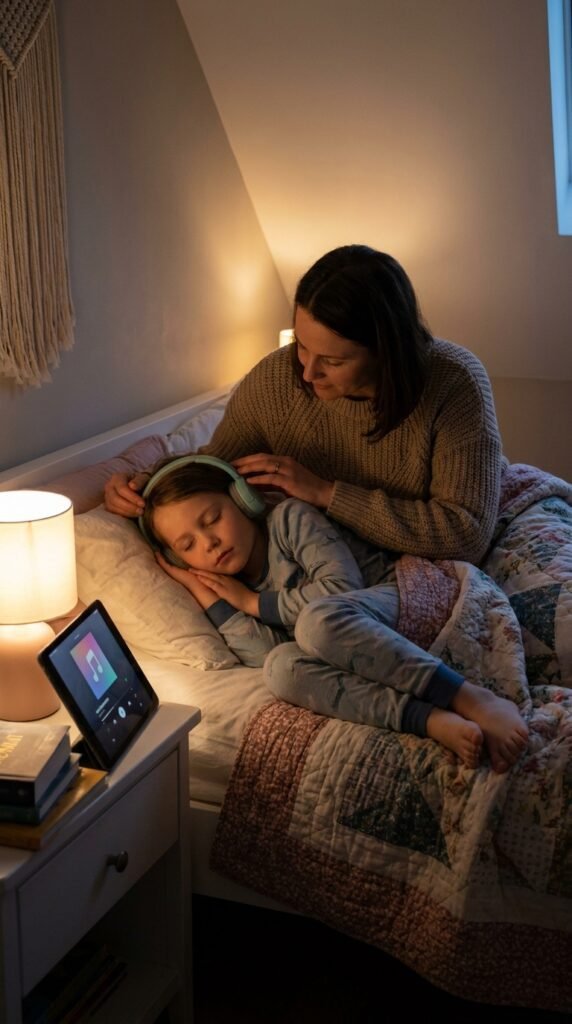
Create a short ritual to bridge this energy gap. After dinner, take five minutes to sit together and practice deep breathing or listen to soft music.
Imagine steam drifting from a kettle, quietly dissipating as you both begin to unwind. These moments act like a reset button—not just for your child, but you too.
This small change can set the stage for an easier bedtime. No more dashing down the hallway or frantically searching for lost items.
Instead, shift the focus to calm, nurturing peace for everyone.
Even on tough nights, when disagreements and tempers rise, this ritual of calm can be transformative. You might find yourselves quietly listening to soft music, hand in hand.
As one mom shared, “We don’t get it perfect every night, but sometimes just sitting together feels like the best moment of our day.”
Try this approach when dinner nights spiral into chaos instead of calm. It’s not about getting everything right; it’s about carving out a moment of calm amid the busyness.
Parent note: On certain nights, just sitting quietly with soft music feels like a shared reset.
Finding Your Own Space

Finally, the living room is tidy, your child is sound asleep, and you’re ready to collapse on the couch. Yet, exhaustion lingers.
This isn’t just from physical demands; it’s from the steady accumulation of requests and questions. It’s no surprise you feel the need for personal space.
This exhaustion comes from being “on” all day, from morning shoe-tying battles to bath supervision at night.
By bedtime, you crave solitude as much as that persistent laundry pile demands your attention.
Carving out time just for you is essential. Even if it’s only ten minutes, make it matter.
Whether it’s soaking in a hot bath, reading a chapter from a long-forgotten book, or savoring a cup of tea, this time is for reconnecting with yourself.
Try these simple personal rituals:
- Read a book chapter while sipping tea.
- Indulge in a leisurely bath with soothing scents.
- Journal your thoughts to find calm.
- Sit outside and breathe in the cool night air.
Establish this routine soon after your child falls asleep. Don’t wait until you’re too exhausted to enjoy it.
These minutes can recharge you emotionally, helping you face another day with a fresh outlook.
A fellow mom shared, “I take 15 minutes for a hot shower, and when my partner wants to join, I say, ‘No, this one’s mine.’ I wake up more patient the next day.”
Parent note: Even a short read or a calming bath changes my night completely.
Reframing the Guilt
When bedtime finally arrives, you’re ready to sink into sleep. But then comes the inevitable request for one more story.
It could be a favorite chapter or a quick tale about knights, and somehow your patience feels tested.
The day’s interactions can leave parents feeling worn down. The prep, the noise, the lingering crumbs all exact a toll.
Having been “on” for everyone’s needs, you’re running on empty. It’s not just physical; it’s emotional fatigue from being present all day.
In these moments, it’s okay to acknowledge your limits without guilt. Explain, “I know you love stories, and I want a nice end to our day.
How about one quick chapter?” This honesty shows you’re committed to a connection while needing to take care of yourself.
Approaching it this way balances rest and attention, slowly easing that feeling of guilt. Remember, it’s not about withholding love.
It’s about showing your child how to practice healthy boundaries and self-care through your example.
These moments, while challenging, can teach valuable lessons. You’re teaching your child about the importance of respecting limits.
They’ll learn that expressing needs is okay, and understanding that parents have needs, too, is part of growing up.
- Compromise with a chapter instead of a whole story
- Speak openly about both your needs
- Use bedtime stories as a way to talk about balance
Parent note: I remind myself that being candid about my limits helps teach them self-care, too.
Frequently Asked Questions
Quick answers for the most common sticking points.
Is it normal to feel overwhelmed by why moms feel touched out?
Yes. What you are feeling is a normal response to a genuine physical and emotional load — not a sign that you are failing.
Why does the guilt feel worse after the hard moment?
Because guilt arrives when the nervous system starts processing again. It is not accurate information about who you are — it is information about what mattered.
What is the fastest way to lower the intensity in the moment?
Reduce one source of sensory input first — sound, visual clutter, or physical demands — before trying to address the emotional content.
How do I repair the connection afterwards?
Offer proximity and presence before explanation. A short, honest acknowledgement usually does more than a longer reasoned apology.
Quick Action Plan
- Pick one clear priority from this guide for why moms feel touched out.
- Apply one change before adding anything else.
- Review after three days: what improved and what still adds friction?