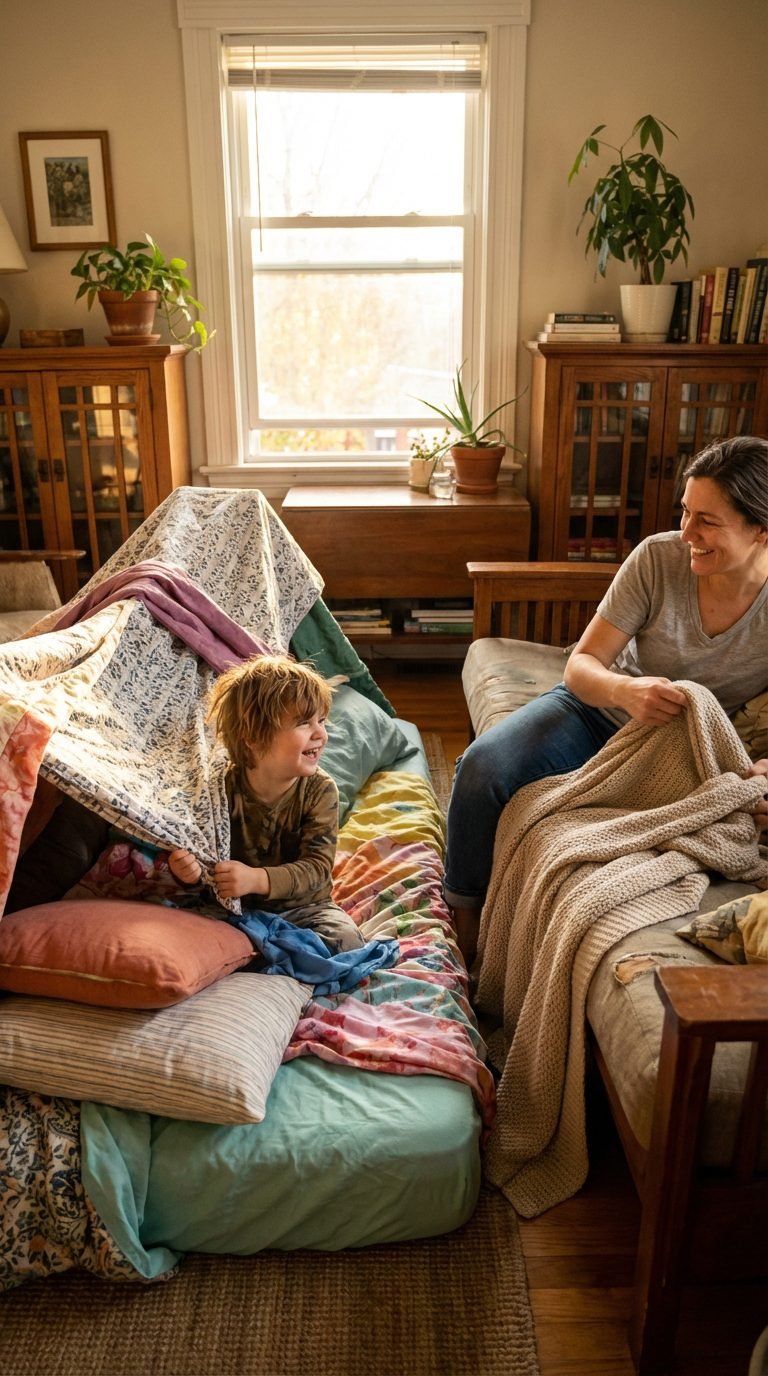
parent and child building a colorful fort together — unplugged activities for kids ages 6-10

21 Unplugged Activities for Kids Ages 6-10 to Keep Them Busy

What Are Unplugged Activities for Kids Ages 6-10? (Quick Answer)

Unplugged activities for kids ages 6-10 are essential in today’s screen-filled world. Many parents struggle to keep their kids engaged without screens, especially during downtime. In this article, you’ll discover 21 fun, creative activities that not only keep kids busy but also foster their creativity and focus.
These activities are perfect for busy afternoons or weekends. They provide a break from screens and help kids explore their interests in a hands-on way. Let’s dive into some fantastic unplugged activities for kids ages 6-10!

Unplugged activities for kids ages 6-10 are engaging, screen-free experiences that promote creativity and focus. They work best for children who need a break from screens and can provide hours of entertainment. Most parents see results within a few minutes of introducing these activities.

1. DIY Nature Scavenger Hunt — Explore Outdoors
A DIY nature scavenger hunt is a fantastic way to get kids moving and exploring the outdoors. This activity is perfect for those days when kids are restless and need to burn off some energy. Simply create a list of items for them to find, such as leaves, rocks, or flowers. Kids aged 6-10 will love the challenge and excitement of searching for these items.

To set it up, take a walk in your local park or backyard. Hand them a paper and pencil or a small bag to collect their treasures. As they find each item, they can check it off their list or show you what they collected. Expect this activity to keep them engaged for about an hour.

Pro tip: Add a fun twist by including a prize for the most unique item found!

2. Homemade Play Dough — Sensory Fun

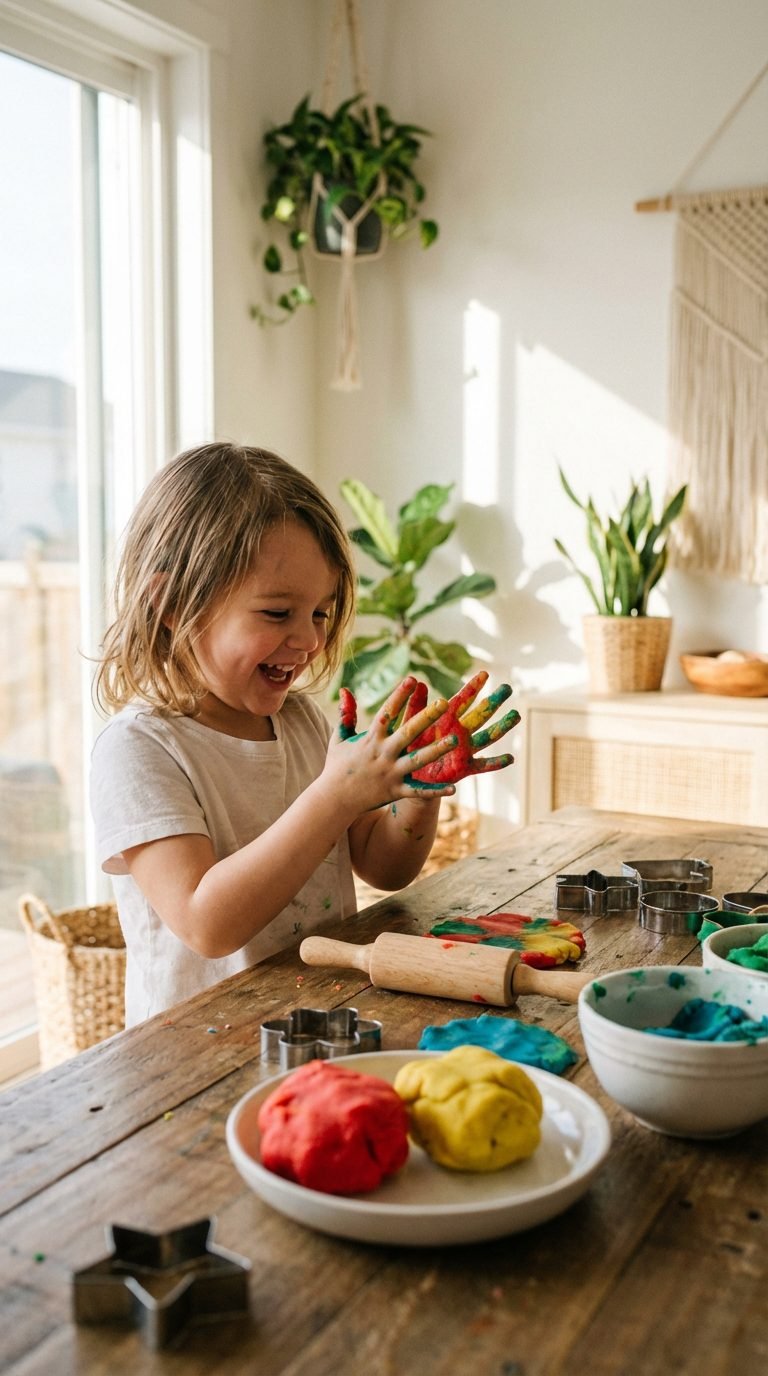
Homemade play dough is a classic activity that provides endless fun for kids. This activity is especially great for kids who love sensory play and creativity. Making the dough together is half the fun! You’ll need flour, salt, water, and food coloring.

Mix the ingredients in a bowl until a dough forms. Kids can help with the mixing and kneading. Once it’s ready, set up a play station with cookie cutters, rolling pins, and other tools. Children aged 6-10 will enjoy molding and creating various shapes and figures for at least 30-45 minutes.

Pro tip: Store the play dough in an airtight container for future use!

3. Unplugged Family Game Night — Bonding Time
Unplugged family game night is a perfect way to spend quality time together. It addresses the challenge of screen addiction and encourages family bonding. Choose board games or card games that everyone can enjoy.

Gather your family and set up a cozy area with snacks and drinks. Games like Uno or Monopoly work well for ages 6-10. Expect laughter and friendly competition for an hour or more.

That said, results can vary from family to family. However, the core ideas here are flexible enough to adapt to most situations. In other words, start with what fits your routine best.

Pro tip: Rotate who picks the game each week to keep things fresh!

4. Art Station — Creative Expression
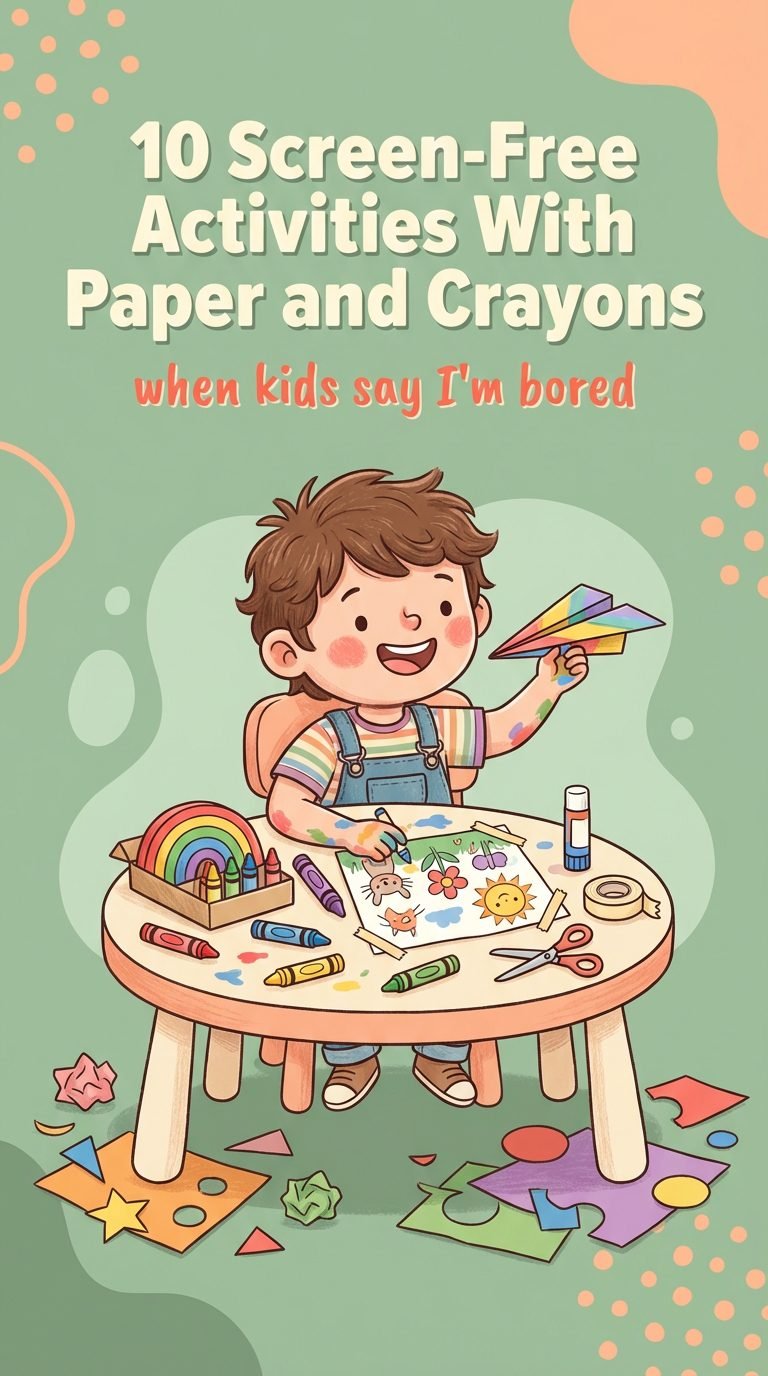
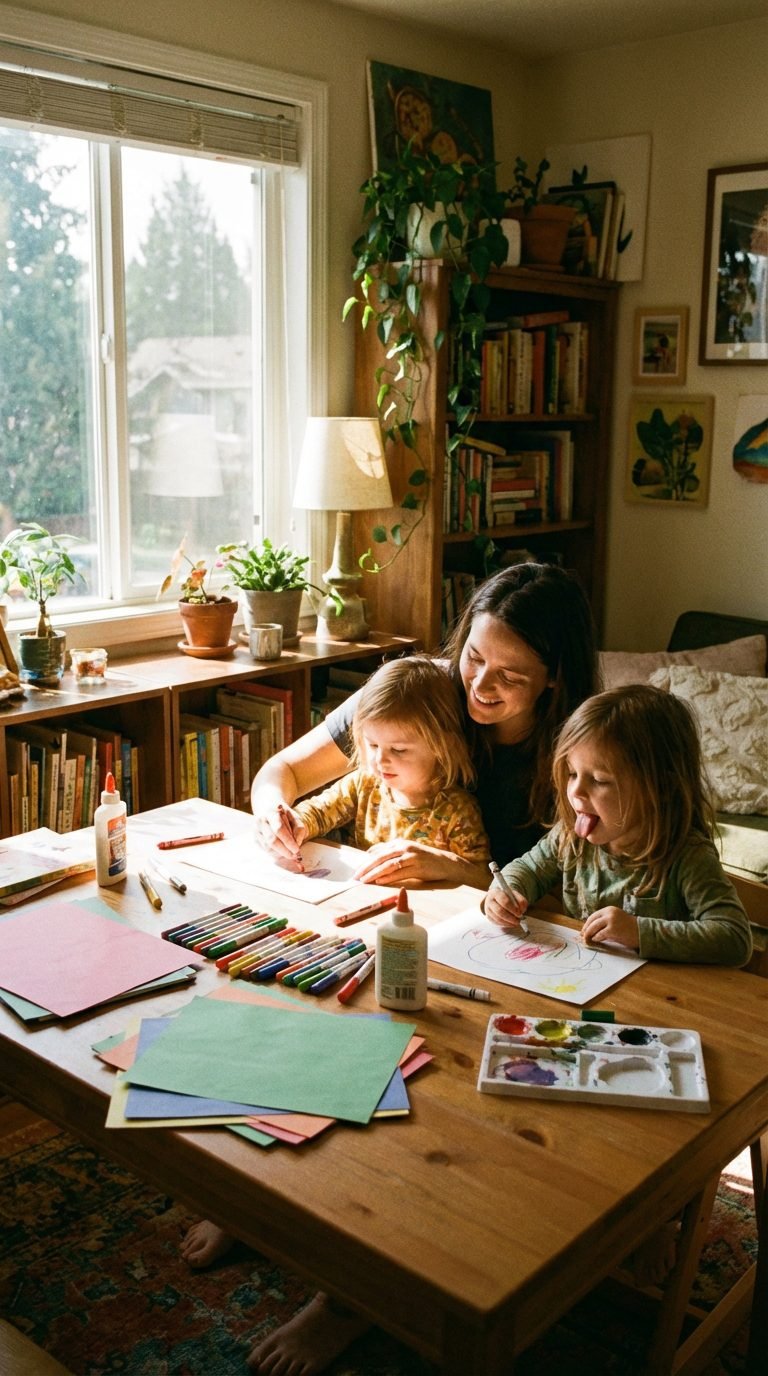
Setting up an art station is a simple yet effective way to encourage creativity. This activity helps when kids are feeling bored and need something to do. Provide a variety of materials like paper, markers, and glue.

Kids aged 6-10 can create whatever they imagine. Set aside a dedicated space for this, and let them explore their artistic side. This can keep them busy for hours, especially if they get absorbed in their projects.

Pro tip: Display their artwork on the fridge or a bulletin board to encourage them!

5. Building Forts — Imagination at Work

Building forts is a timeless activity that sparks creativity and imagination. It’s a great solution for a rainy afternoon when kids need to stay indoors. Gather blankets, pillows, and furniture to create a cozy hideaway.

Kids aged 6-10 will love the challenge of constructing their fort. Encourage them to design it however they like. This activity can easily keep them entertained for an hour or more.

Pro tip: Add flashlights inside the fort for an adventurous touch!

6. Cooking Together — Life Skills

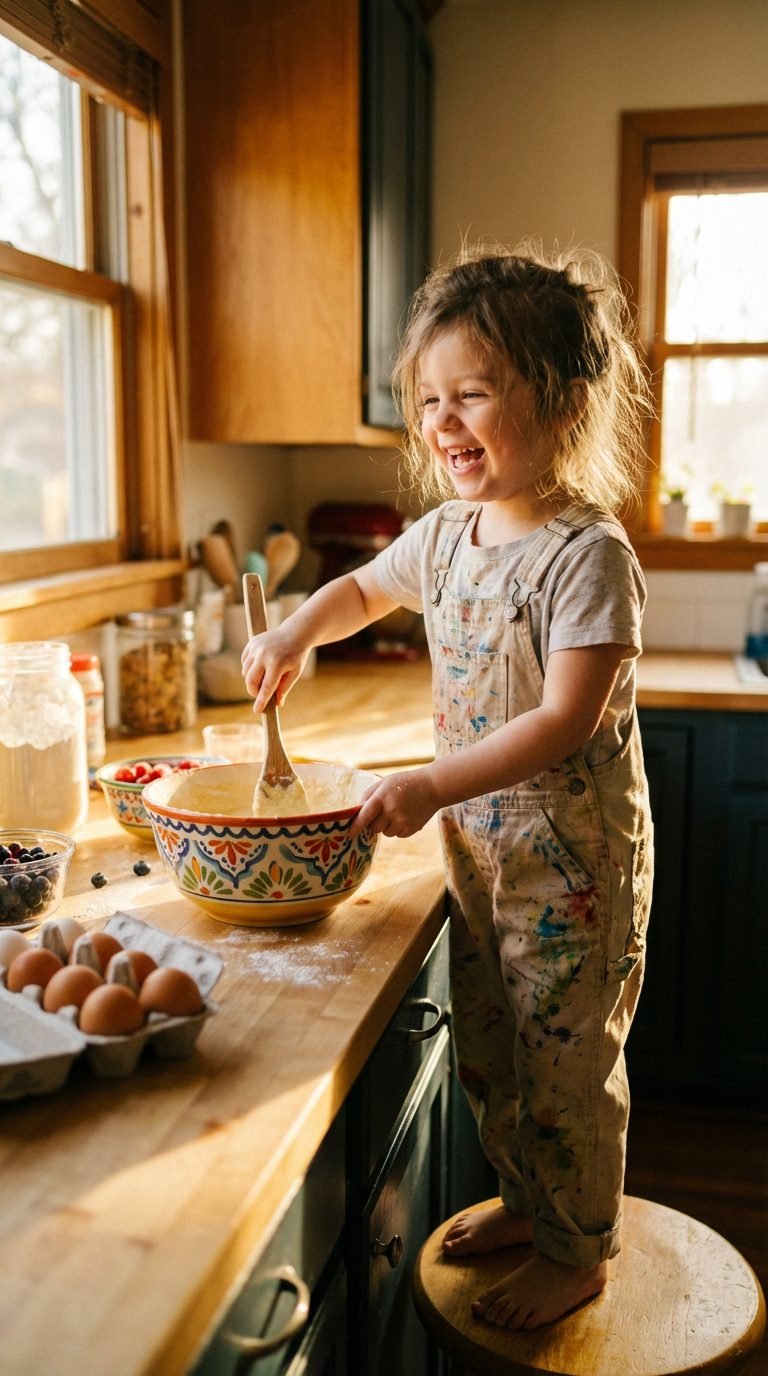
Cooking together is an excellent way to teach kids valuable life skills while having fun. It can be a solution for parents looking to combine learning with play. Choose simple recipes that kids can help with, like cookies or pizza.

Involve kids aged 6-10 in measuring, mixing, and decorating. This activity not only keeps them busy but also teaches them about following instructions. Expect to spend about an hour in the kitchen together.

Pro tip: Let them choose a recipe to make it more exciting!

7. Gardening Basics — Nature Connection

Gardening is a wonderful way for kids to connect with nature. This activity helps when kids are feeling restless and need to engage with the outdoors. Start with easy-to-grow plants or flowers.

For instance, some of these work better in the morning, while others suit afternoon energy levels. Additionally, adjusting the timing makes a noticeable difference for many parents.

Involve kids aged 6-10 in planting seeds, watering, and caring for the garden. They’ll learn responsibility while enjoying the process. This can keep them engaged for a long time, especially as they see their plants grow.

Pro tip: Create a gardening journal to track their plants’ progress!

8. Science Experiments — Fun Learning

Simple science experiments are great for curious minds. They fit perfectly into a screen-free afternoon and can spark interest in science. Choose easy experiments that use household items, like vinegar and baking soda volcanoes.

Kids aged 6-10 will love the hands-on aspect and the surprise results. Expect to spend about 30-45 minutes on this activity, depending on the experiment.

Pro tip: Discuss the science behind each experiment to enhance learning!

9. Storytelling Session — Imaginative Play

Storytelling sessions can ignite creativity and imagination. This activity is perfect for quiet afternoons when kids need something calming yet engaging. Encourage kids to create their own stories or retell their favorites.

Kids aged 6-10 can use props or costumes to make it more interactive. This can keep them entertained for a good hour as they dive into their tales.

Pro tip: Record their stories to create a family storybook!

10. Puzzle Challenge — Focus Development

Puzzle challenges are fantastic for developing focus and problem-solving skills. This activity is great for kids who enjoy a challenge. Choose puzzles with varying difficulty levels based on their age and interest.

Kids aged 6-10 can work together or independently to complete the puzzles. Expect this to keep them engaged for about 30-60 minutes, depending on the puzzle’s complexity.

Pro tip: Set a timer for an extra challenge!

Furthermore, consistency tends to matter more than doing everything perfectly. As a result, even applying one or two of these ideas regularly can produce real change over time.

11. Dance Party — Energy Release

Hosting a dance party is a fun way to release pent-up energy. This activity is perfect when kids are restless and need to move. Create a playlist of their favorite songs and let them dance freely.

Kids aged 6-10 will enjoy the freedom of movement and creativity. This can last anywhere from 30 minutes to an hour, depending on their energy levels.

Pro tip: Include a freeze dance game for added fun!

12. DIY Craft Projects — Hands-On Fun

DIY craft projects are a great way to promote creativity and fine motor skills. This activity helps when kids are bored and need something to do. Gather various craft supplies like paper, glue, and beads.

Kids aged 6-10 can create whatever they imagine, from friendship bracelets to paper mache. Expect this activity to keep them busy for at least an hour.

Pro tip: Set a theme for each craft session to inspire creativity!

13. Outdoor Obstacle Course — Active Play

Creating an outdoor obstacle course is an exciting way to get kids moving. This activity is ideal for energetic kids who need to burn off steam. Use items like cones, hula hoops, and jump ropes to set up the course.

Kids aged 6-10 will love the challenge of completing the course. This can keep them entertained for a good hour as they race against each other or the clock.

Pro tip: Time each run to encourage friendly competition!

14. Lego Building Challenge — Creativity Boost

A Lego building challenge is a perfect way to encourage creativity and engineering skills. This activity suits kids who enjoy constructing and designing. Provide a theme or prompt for their builds.

Kids aged 6-10 can spend hours creating their masterpieces. Expect them to get lost in their imagination while building.

Meanwhile, every child brings different needs to the table. Nevertheless, the approaches listed here have worked across a wide range of ages and temperaments.

Pro tip: Host a mini-exhibition to showcase their creations!

15. Nature Art — Eco-Friendly Crafts

Creating art from natural materials is a unique way to combine creativity and nature. This activity is great for kids who love being outdoors. Collect items like leaves, twigs, and flowers to use in their art.

Kids aged 6-10 will enjoy crafting with these materials, and it can last for about 45 minutes to an hour.

Pro tip: Display their nature art in a special place!

16. Indoor Camping — Imaginative Play

Setting up an indoor camping experience can be a fun twist on family time. This activity is perfect for rainy days when outdoor camping isn’t possible. Use blankets and pillows to create a tent in the living room.

Kids aged 6-10 can enjoy storytelling, snacks, and games inside their fort. Expect this to keep them entertained for a couple of hours.

Pro tip: Use a flashlight to create a cozy atmosphere!

17. Memory Games — Brain Boost

Memory games are excellent for improving focus and memory skills. This activity is great for kids who enjoy challenges. You can create cards with simple drawings or use a store-bought set.

Kids aged 6-10 can play alone or in groups, trying to find matching pairs. This can engage them for about 30-45 minutes.

Pro tip: Change the rules to make it more challenging!

18. DIY Bird Feeders — Nature Connection

Making DIY bird feeders is a fun way to connect with nature and learn about wildlife. This activity is ideal for kids who enjoy observing animals. Use pine cones, peanut butter, and birdseed for this project.

Moreover, fitting these ideas into a busy schedule is often easier than it first appears. Consequently, many parents find that small adjustments lead to meaningful improvements fairly quickly.

Kids aged 6-10 will love hanging their creations outside and watching the birds come. This can keep them busy for about an hour.

Pro tip: Research local birds to identify what comes to visit!

19. Obstacle Course with Household Items — Creative Use of Space

Creating an obstacle course using household items is a fun way to promote physical activity. This activity works well on days when you need to stay inside. Use cushions, chairs, and other items to create a challenging course.

Kids aged 6-10 will enjoy navigating the course while using their creativity. Expect this to keep them entertained for about 30-45 minutes.

Pro tip: Change the layout to keep it exciting!

20. Shadow Puppets — Imaginative Storytelling

Creating shadow puppets is an imaginative way to encourage storytelling. This activity is great for quiet evenings or when kids need to wind down. Use a flashlight and cut-out figures to create a shadow show.

Kids aged 6-10 can perform their stories, keeping them engaged for about 30-60 minutes.

Pro tip: Record their performances for future fun!

21. Family Book Club — Encouraging Reading

Starting a family book club is a wonderful way to encourage reading and discussion. This activity is perfect for families looking to foster a love for literature. Choose a book that everyone can relate to and discuss it together.

Kids aged 6-10 will enjoy sharing their thoughts and ideas. Expect this to last about an hour or more.

Pro tip: Allow kids to choose the next book to read!

In conclusion, I recommend starting with the DIY nature scavenger hunt. It’s simple to set up and gets kids moving while exploring the outdoors. Remember, it’s okay to feel overwhelmed. Just take it one step at a time. For more family activity ideas on Simple Family Everyday, visit our blog!

For more evidence-based guidance, visit American Academy of Pediatrics — screen time guidelines.

Learn more: family activit. For more ideas, check out parenting tips and expert advice. Learn more: family activit. Learn more: family activit.

Similar Posts

  • 31 Screen-Free Activities for Kindergarteners After School

    [SEO_META]
    SEO_TITLE: Screen-Free Activities for Kindergarteners After School: 31 Ideas
    FOCUS_KEYWORD: screen-free activities for kindergarteners after school
    SLUG: screen-free-kindergarten-after-school
    META_DESCRIPTION: Discover 31 engaging screen-free activities for kindergarteners after school that reduce parental guilt and spark joy. Find easy, creative ideas today!
    EXCERPT: Feeling overwhelmed by after-school screen time battles? This article offers 31 brilliant screen-free activities for kindergarteners after school to transform your evenings.
    [END_SEO_META]
    Are you tired of the daily struggle over tablets and TVs the moment your kindergartener walks through the door? You’re not alone if you feel that familiar pang of parental guilt creeping in as screens become the default after-school activity.
    Indeed, many parents of 5 and 6-year-olds grapple with this exact challenge. However, finding engaging screen-free activities for kindergarteners after school doesn’t have to be another source of stress. This guide will help you turn chaotic, screen-filled evenings into calmer, more connected experiences, without adding more to your already full plate. Ready to reclaim your afternoons?
    Why Screen-Free Play Matters for Kindergarteners After School

    It’s incredibly easy to rely on screens when you’re tired and your child needs entertainment. However, limiting screen time, especially after a structured school day, offers immense benefits for their developing minds and bodies. This focus on benefits of screen-free play kindergarten can truly transform their growth.
    Unstructured play, in particular, is crucial for fostering creativity and problem-solving skills. Moreover, it provides a vital outlet for their boundless energy. This is especially true after a day of sitting in a classroom.
     

    📊 Did You Know:
    The American Academy of Pediatrics recommends limiting screen use for children 2 to 5 years of age to 1 hour per day of high-quality programming. This highlights the importance of screen-free time for young children.

     
    Furthermore, child development thrives on hands-on experiences. These activities boost cognitive skills, fine motor skills, and even social-emotional learning. When kids engage without screens, they learn to navigate their world more independently. They also develop crucial self-regulation. Therefore, prioritizing screen-free time is a powerful investment in their future.
    Sparking Imagination: Creative Indoor Screen-Free Activities for Kindergarteners

    Rainy days or simply needing a calmer indoor option don’t mean boredom has to set in. You can easily find creative play ideas for 5 year olds right at home. These activities are perfect for sparking their imagination and encouraging independent play.
    Here are some fantastic indoor options:

    Building Forts & Imaginative Play: Grab blankets, pillows, and chairs. Let them create their own cozy hideaway. This encourages imaginative play and engineering skills.
    Art Exploration: Set up a dedicated art station. Offer crayons, markers, paint, or even playdough. Simple supplies can lead to hours of creative expression.
    DIY Projects & Simple Crafts: Think paper chains, collages from old magazines, or decorating cardboard boxes. These projects develop fine motor skills and patience.
    Board Games & Puzzles: Introduce age-appropriate board games like Candy Land or simple jigsaw puzzles. They teach turn-taking and problem-solving.
    Story Time & Puppetry: Read together, or encourage your child to “read” to their stuffed animals. You can even make simple puppets from socks for a mini-show.

    These ideas prove that engaging play doesn’t require fancy gadgets. Simple materials often lead to the most profound discoveries.
     

    ⭐ Quick Checklist:

    ☐ Blankets and pillows for fort building
    ☐ Art supplies (crayons, paper, playdough)
    ☐ Age-appropriate board games or puzzles
    ☐ Books for reading aloud
    ☐ Old socks for puppet making

     
    Turning Chores into Games: Practical Tips for Screen-Free Engagement
    Sometimes, the most surprising screen-free activities for kindergarteners after school are ones that involve helping out. My own kindergartener actually *likes* helping with dinner prep if I make it a game. This is a brilliant way to build life skills.
    You can involve them in simple tasks. For instance, they can sort laundry by color or help set the table. Make it fun by singing a song or timing them. These small contributions foster a sense of responsibility and belonging. They also keep little hands busy without a screen.
    Outdoor Adventures: Energizing Screen-Free Activities for Kindergarteners

    Fresh air and open spaces are incredibly beneficial for young children. Encouraging outdoor screen-free activities for kindergarten can help them burn off energy. It also connects them with nature. Remember, they’ve been cooped up all day!
    Consider these invigorating options:

    Nature Scavenger Hunt: Give them a list of items to find, like a smooth rock, a green leaf, or a feather. This encourages observation and exploration.
    Backyard Obstacle Course: Use hula hoops, pillows, jump ropes, or even a tunnel. Let them crawl, jump, and weave through their own course. This builds gross motor skills.
    Bike Rides or Scooter Adventures: A quick spin around the block or a local park is excellent for physical activity. Always ensure they wear a helmet!
    Gardening Fun: Let them help water plants, dig in the dirt, or plant a seed. Connecting with nature can be incredibly calming and educational.
    Water Play (seasonal): A splash pad, kiddie pool, or even just buckets of water with cups and toys can provide endless fun. This is great for sensory play.

    These activities not only keep them active but also teach them about the world around them. They are perfect for screen-free activities for kindergarteners after school.
     

    ⚠️ Common Mistake:
    Don’t over-schedule outdoor time with too many rules. Let them explore freely and get a little dirty. Unstructured play is where much of the learning happens.

     
    How to Reduce Screen Time Kindergarten: Practical Strategies for Parents

    Let’s be honest, reducing screen time can feel like an uphill battle. However, there are effective strategies for how to reduce screen time kindergarten that don’t involve constant conflict. The key is consistency and clear communication.
    Here are some practical tips:

    Set Clear Boundaries: Establish specific times for screen use, or specific days. Use a visual timer so your child can see when screen time is ending.
    Offer Choices: Instead of saying “no screens,” say “Would you like to build with blocks or go outside?” This empowers them to choose a screen-free activity.
    Lead by Example: Children learn by watching. Try to reduce your own screen time when your child is around. This models good habits.
    Create a “Screen-Free Zone”: Designate certain areas or times as screen-free. For example, no screens at the dinner table or in bedrooms.

    These small changes can make a big difference. They help in managing screen time for young children effectively. Remember, it’s a marathon, not a sprint.
    Easy Non-Screen Activities for Home: Quick Wins for Busy Evenings

    Sometimes, you only have 15-20 minutes before dinner or bath time. You need easy non-screen activities for home that require minimal setup. These quick wins can prevent the “I’m bored!” whine and keep the peace.
    Try these effortless ideas:

    Quick Dance Party: Put on some music and just dance! It’s a fantastic way to release energy and boost mood.
    “I Spy” or “Simon Says”: These classic games require no materials and can be played anywhere. They’re great for developing listening skills.
    Reading Aloud Together: Even a short picture book can be a wonderful bonding experience. It fosters a love for reading.
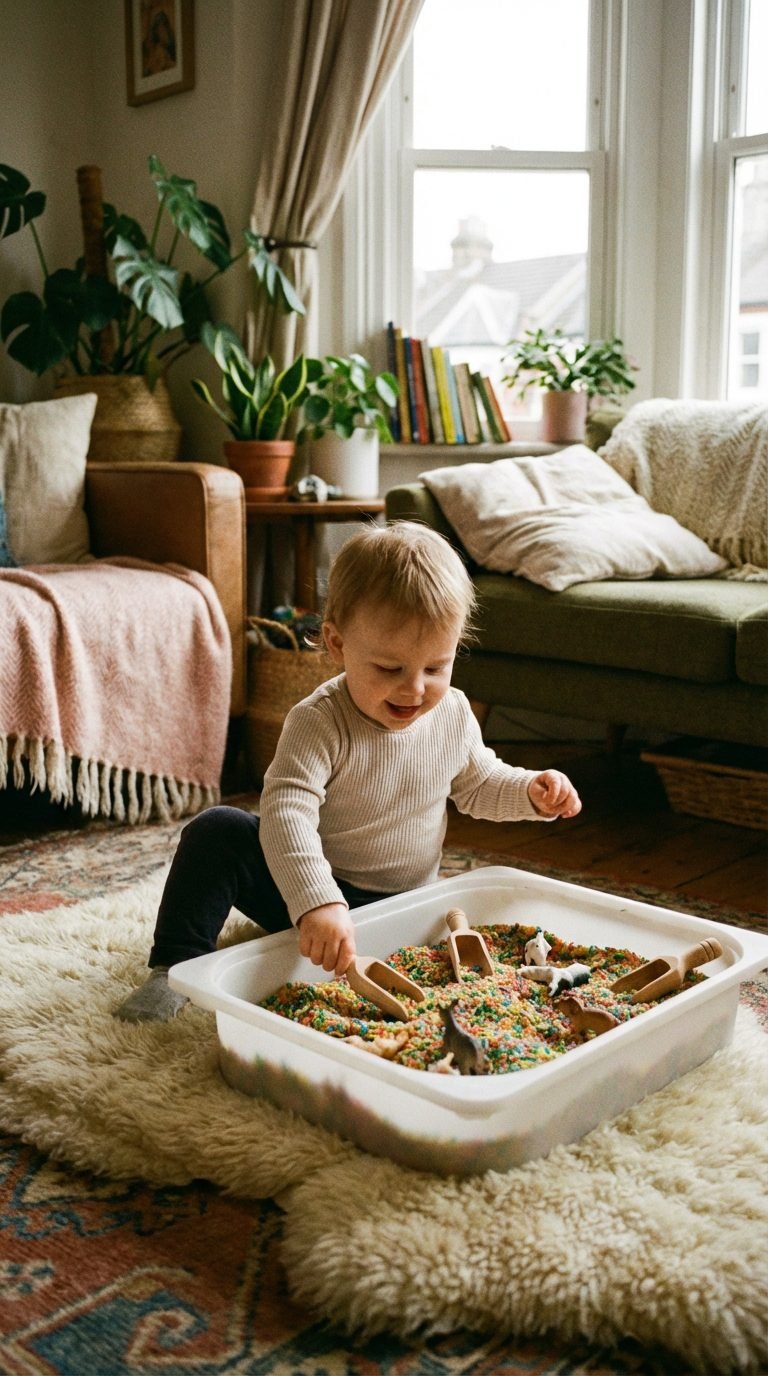
    Sensory Bin: Fill a bin with rice, pasta, beans, or water. Add small toys, scoops, and cups. This provides calming, engaging sensory play.
    Building Blocks: Lego, Duplo, or even simple wooden blocks can keep a kindergartener absorbed. They encourage creativity and spatial reasoning.

    These simple activities are perfect for those transition times. They help avoid the pull of screens. You’ll be amazed at how much fun can be packed into a short window.
     

    💡 Key Insight:
    Unstructured play, where children direct their own activities, is vital for developing self-reliance and problem-solving skills. It allows them to explore their interests without adult interference.

     
    [-> Read more: toddler sensory play ideas]
    Beyond Boredom: Fostering Independence with Screen-Free Play
    The dreaded “I’m bored!” cry often signals a need for connection or a lack of ideas. However, these moments are also opportunities to foster independence. You can empower your child to choose their own screen-free activities for kindergarteners after school.
    Here’s how to encourage self-directed play and keep kindergarteners engaged at home:

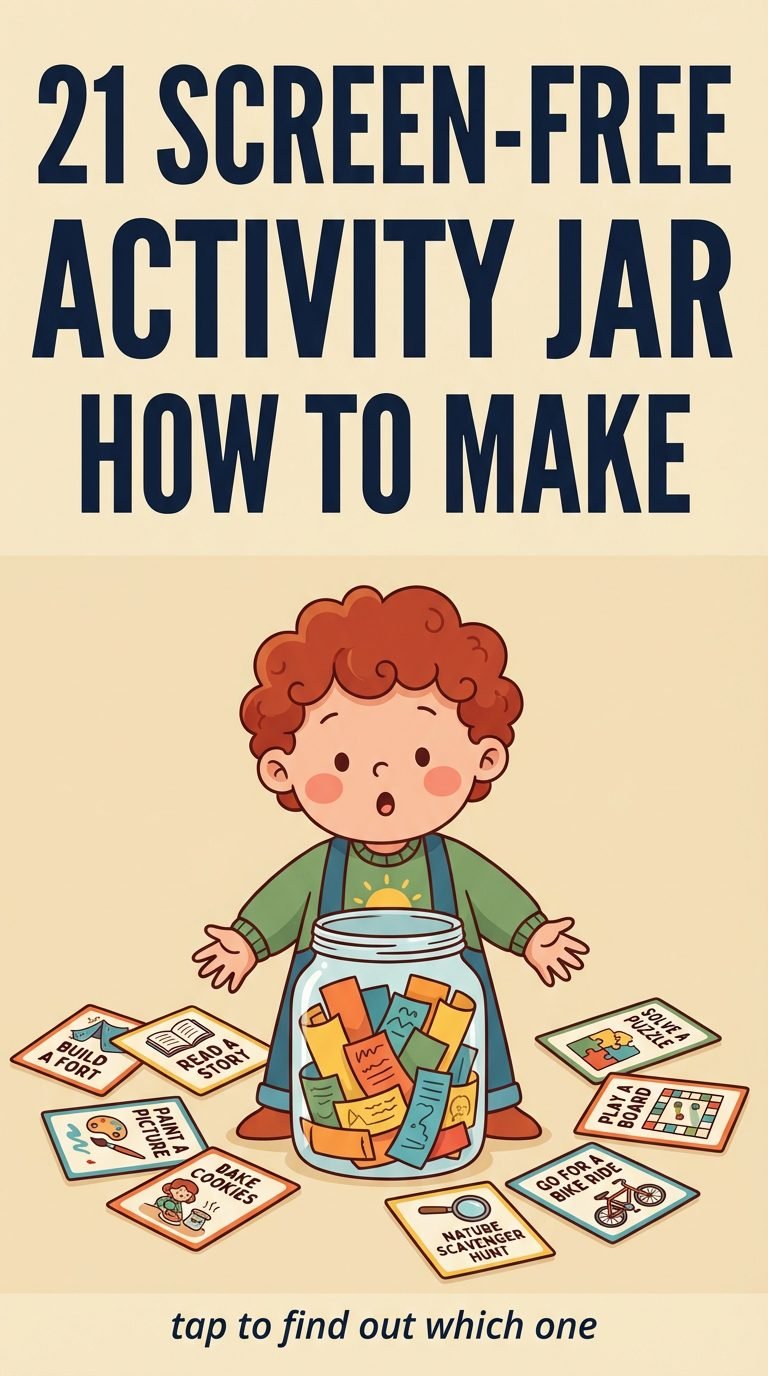
    Create an “Activity Jar”: Write down various screen-free ideas on slips of paper. When boredom strikes, have them pick one from the jar. This makes choosing an activity exciting.
    Rotate Toys: Don’t keep all toys accessible all the time. Rotate them every few weeks. This makes old toys feel new again and sparks fresh interest.
    Encourage Solo Play: Set up an inviting space with open-ended toys. Then, step back and let them explore. This builds focus and self-amusement.
    Provide Open-Ended Materials: Think cardboard boxes, fabric scraps, pipe cleaners, or natural items like pinecones. These materials can become anything a child imagines.

    By offering these tools and opportunities, you’re teaching them to be resourceful. You’re also building their capacity for sustained, creative play. This is a crucial life skill.
    [-> Read more: benefits of independent play]
    Common Pitfalls When Introducing Screen-Free Activities for Kindergarteners
    It’s important to acknowledge that shifting habits isn’t always smooth. When you start introducing more screen-free activities for kindergarteners after school, you might encounter resistance. This is a normal part of managing screen time for young children.
    Avoid these common mistakes to make the transition easier:

    Expecting Instant Compliance: Your child might complain or resist at first. Be patient and consistent. It takes time for new routines to stick.
    Not Having a Plan: Don’t just remove the screen without offering an alternative. Have a few screen-free ideas ready to suggest.
    Making it a Punishment: Frame screen-free time as a positive choice, not a consequence for misbehavior. This avoids negative associations.
    Giving Up Too Soon: There will be tough days. Don’t get discouraged if one afternoon doesn’t go as planned. Recommit and try again tomorrow.

    Persistence is key. Your child will eventually adapt and even enjoy these new routines. Remember your core promise to reduce parental overwhelm.
    [-> Read more: positive discipline techniques]
    Making the Transition Smooth: Tips for Success with Screen-Free Time
    To make the switch to more screen-free activities for kindergarteners after school as smooth as possible, involve your child in the process. Talk about why you’re making these changes. Explain the benefits in simple terms they can understand. For example, “Playing outside helps your body grow strong!”
    Also, start small. Introduce one new screen-free activity a week. Then, gradually increase the frequency. Consistency and positive reinforcement will pave the way for success. Eventually, these activities will become a natural part of their day.
    Frequently Asked Questions About Screen-Free Activities for Kindergarteners
    What are some fun screen-free activities for kindergarteners after school?
    Many fun screen-free activities for kindergarteners after school include building forts, nature scavenger hunts, simple art projects, and playing board games. Outdoor play like bike riding or water play is also excellent for burning energy. These options encourage creativity and physical activity.
    Why is screen-free time important for kindergarteners?
    Screen-free time is crucial for kindergarteners because it supports healthy child development. It fosters imagination, improves fine motor skills and gross motor skills, and enhances social-emotional learning. It also allows for important unstructured play. This helps them process their day.
    How can I encourage my kindergartener to do screen-free activities?
    To encourage screen-free activities for kindergarteners after school, offer engaging choices, lead by example, and create an inviting environment with accessible materials. You can also use an “activity jar” to make choosing fun. Positive reinforcement helps a lot.
    What are some quick screen-free ideas for kindergarteners on busy days?
    For busy days, quick screen-free ideas for kindergarteners include a short dance party, playing “I Spy,” reading a book together, or engaging with a simple sensory bin. These activities require minimal setup and provide immediate engagement. They are perfect for short bursts of play.
    Are there educational screen-free activities for kindergarteners?
    Absolutely! Many educational screen-free activities for kindergarteners exist. These include puzzles, age-appropriate board games, reading aloud, simple science experiments, and counting games with everyday objects. These activities naturally boost cognitive skills and learning.
    How much screen time is recommended for kindergarteners?
    For children aged 2-5, the American Academy of Pediatrics recommends limiting screen use to 1 hour per day. This means maximizing screen-free activities for kindergarteners after school is beneficial. It ensures they get plenty of time for active play and learning.
    Embracing Joyful Screen-Free Activities for Kindergarteners After School
    Waving goodbye to the daily screen time battle is more achievable than you think. You can transform those after-school hours into moments of genuine connection and discovery. Say goodbye to that familiar parental overwhelm.
    Imagine evenings filled with laughter, creativity, and the satisfying hum of engaged play. Your child will thrive, building essential life skills and making cherished memories. Your home will feel calmer and more joyful.
    So, pick just one or two of these screen-free activities for kindergarteners after school to try today. You’ll be amazed at the positive ripple effect. Enjoy these precious moments of childhood.

Leave a Reply

Your email address will not be published. Required fields are marked *