20 Toddler Boredom Busters No Screens Needed for 30 Minutes of Quiet
What Are Toddler Boredom Busters No Screens Needed? (Quick Answer)
Toddler boredom busters no screens needed are creative activities designed to engage young children without the use of screens. They work best for toddlers aged 18 months to 4 years and can keep them occupied for extended periods, allowing parents to catch a breather.
These activities utilize everyday items found at home, promoting creativity and exploration. Most parents see results within minutes of introducing these activities.
Toddler boredom busters no screens needed can transform your day. As a parent, I know how challenging it can be to keep little ones engaged without resorting to screens.
In this article, I’ll share 20 hands-on toddler play ideas that buy you 30 minutes of quiet. These activities are perfect for keeping your child entertained while you take a much-needed break.
1. Sensory Bin With Rice — Keeps Toddlers Busy 30-45 Minutes
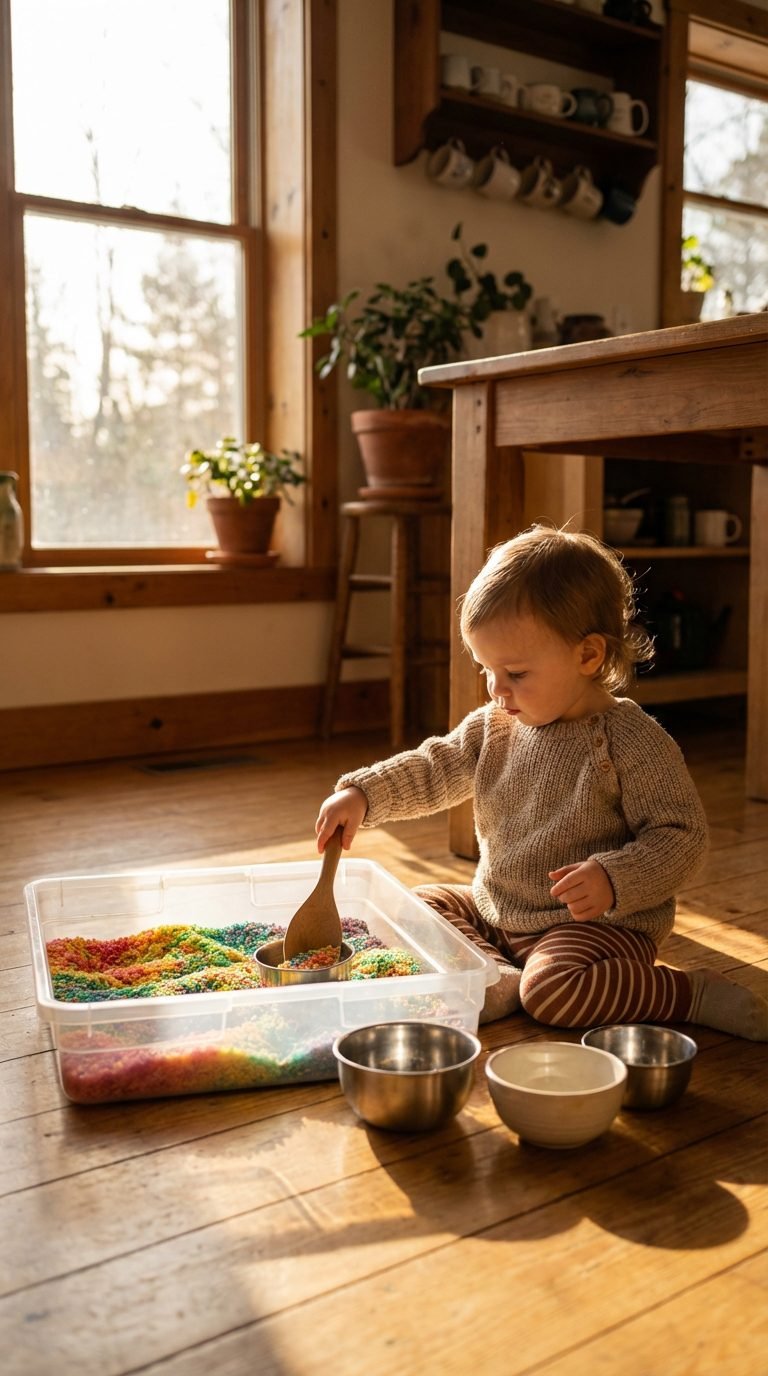
This one buys you the most time of anything on this list — I’m talking 30 to 45 minutes of focused, quiet play. It works best when a toddler is bored but too wound up to sit with a book. The physical sensation of scooping and pouring is genuinely calming.
Fill a plastic bin with dry rice, a few cups, and a muffin tin. Show your child how to scoop rice into each cup. That’s it. Don’t over-explain — just hand it over and step back. Most kids between 18 months and 4 years will dig into this immediately. Expect some rice on the floor. Worth it.
Pro tip: add a few small toy animals or figurines to hide inside — it adds 20 extra minutes of hunting.
2. DIY Play Dough — A Hands-On Creative Outlet
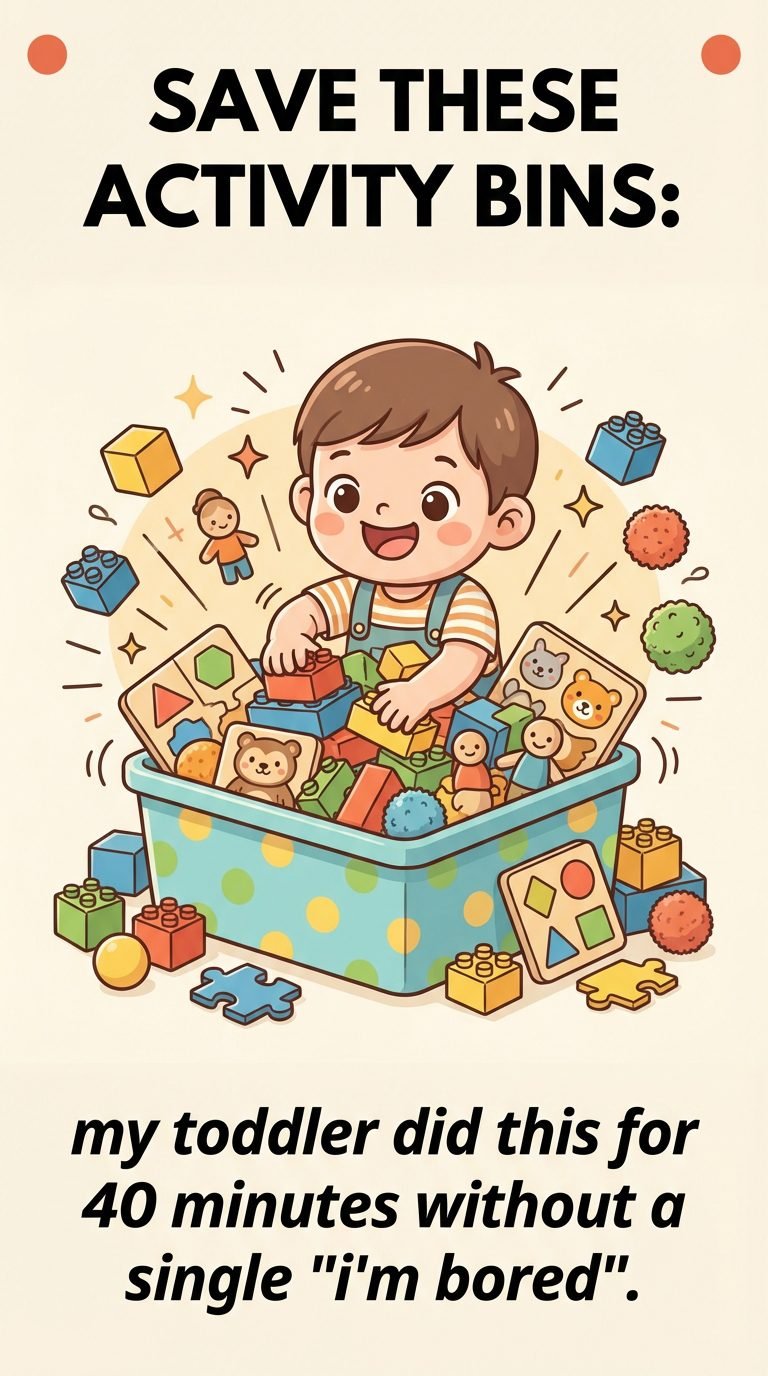
Making play dough is a fantastic way to keep toddlers busy. It’s quick to prepare and can lead to hours of imaginative play. The process of kneading and rolling out the dough is also great for developing fine motor skills.
Combine flour, salt, water, and food coloring to make your dough. You can involve your child in the mixing. Once it’s ready, set out cookie cutters and rolling pins. This activity is perfect for kids aged 2 and up. Just be ready for some mess!
What actually happens: Kids love creating shapes and figures, and it can keep them engaged for up to an hour. However, some may lose interest after 30 minutes, so provide different tools to sustain their creativity.
Pro tip: If your child enjoys scents, add a few drops of essential oils to the dough for a sensory twist.
3. Water Play Station — Cool Fun on Hot Days
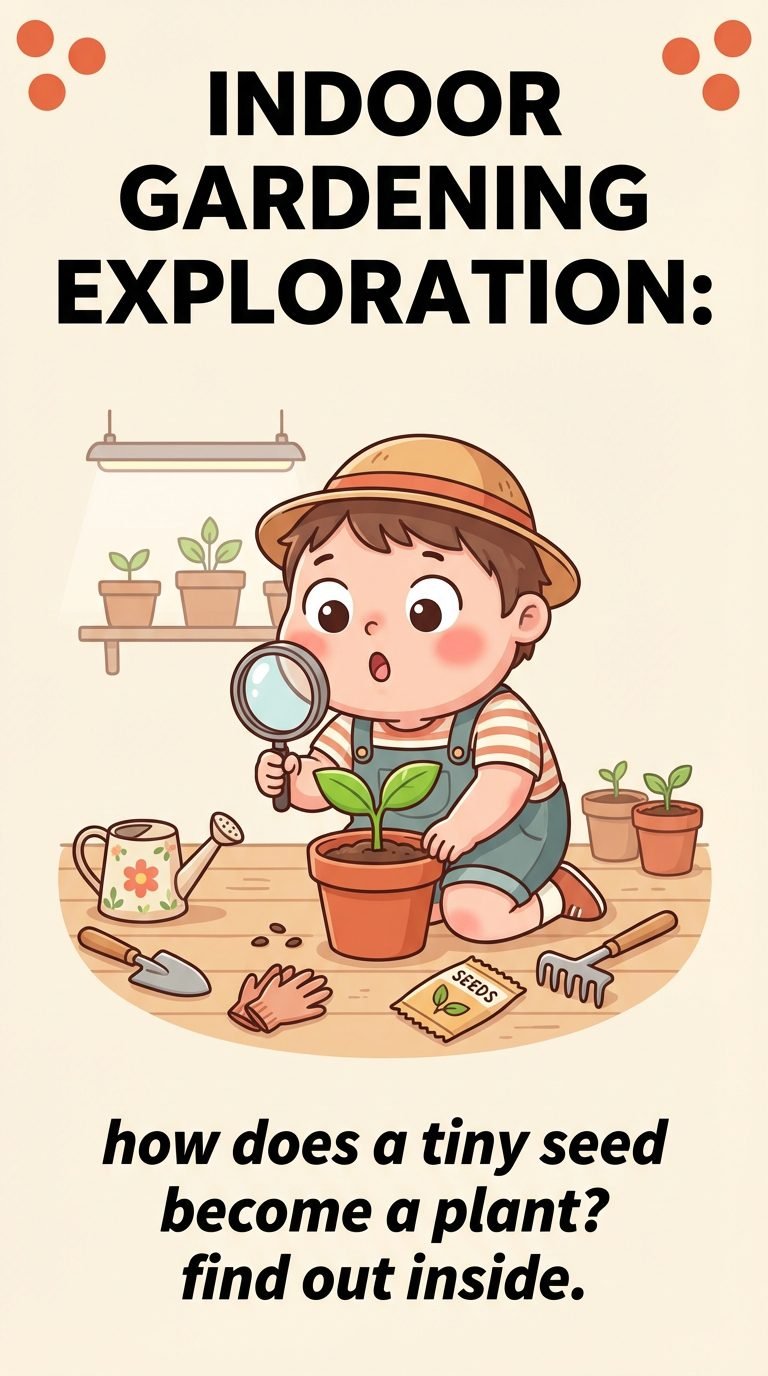
A water play station is an excellent option for toddlers, especially during warm weather. It’s a great way to combine play and sensory exploration. The splashing and pouring of water can be incredibly soothing for little ones.
Set up a shallow basin filled with water and provide cups, spoons, and even small toys. Keep this activity outside to limit mess. This works best for toddlers aged 2-4. Just remember to supervise closely!
Most children will play happily for 30 minutes or more, splashing water and exploring. However, some may get distracted easily, so consider introducing a few new toys halfway through.
That said, results can vary from family to family. However, the core ideas here are flexible enough to adapt to most situations. In other words, start with what fits your routine best.
Pro tip: If you have a sunny day, add a few drops of food coloring to the water for a colorful twist!
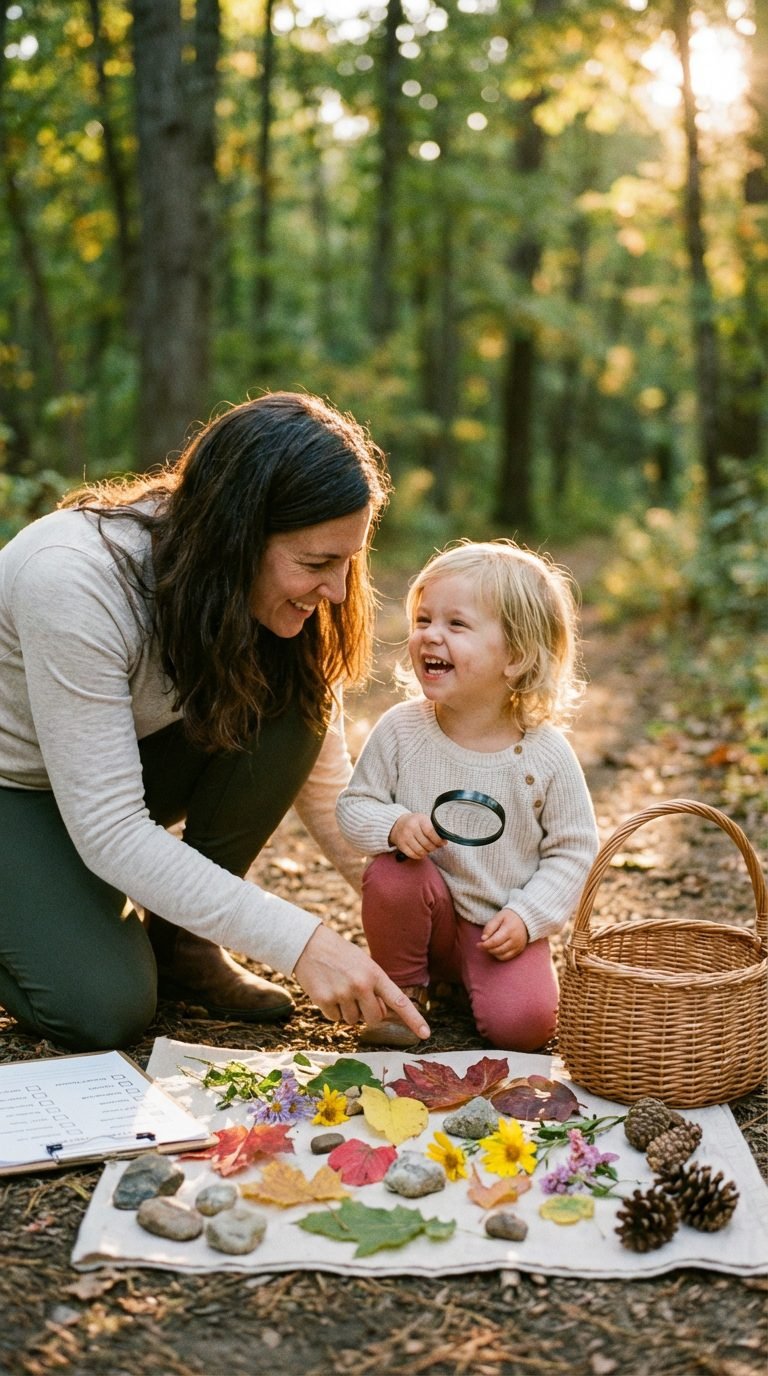
4. Nature Scavenger Hunt — Explore the Outdoors
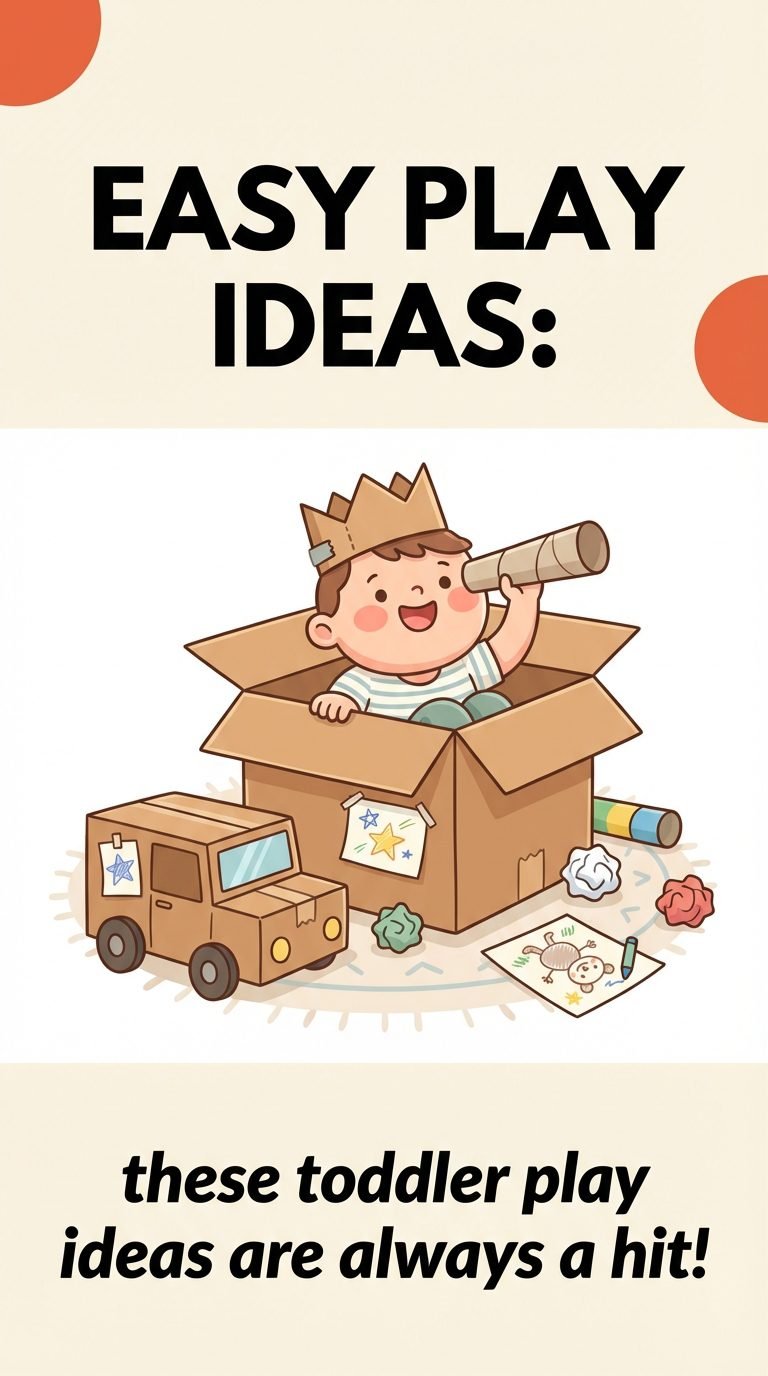
A nature scavenger hunt is a perfect way to get toddlers moving and exploring. It encourages them to engage with their environment and develop observational skills. This is a wonderful way to make a simple walk into an adventure.
Create a simple list of items for your toddler to find, such as leaves, rocks, or flowers. You can provide a small basket to collect their treasures. This activity suits toddlers aged 2 and up and can last anywhere from 20 minutes to an hour, depending on interest.
What actually happens: Most kids get excited about finding items and will explore their surroundings. However, some may need encouragement to stay focused, so join them in finding items.
Pro tip: Bring along a camera to take pictures of the items they find; it adds a fun element to the hunt.
5. Screen-Free Morning Routine for Toddlers — Set the Day Up Right
A screen-free morning routine for toddlers can set a positive tone for the day. It helps children ease into their day without the distraction of screens. This approach encourages independence and creativity right from the start.
Incorporate activities like reading, puzzles, or simple crafts into your morning. You can also include a short outdoor playtime. This routine is effective for toddlers aged 2-4 and can help them feel more settled and prepared for the day.
Most children respond well to a consistent routine, and it can keep them engaged for 30 minutes or more. However, some may resist at first, so be patient and allow them to adjust.
Pro tip: Offer a small reward for completing the morning routine to motivate them.
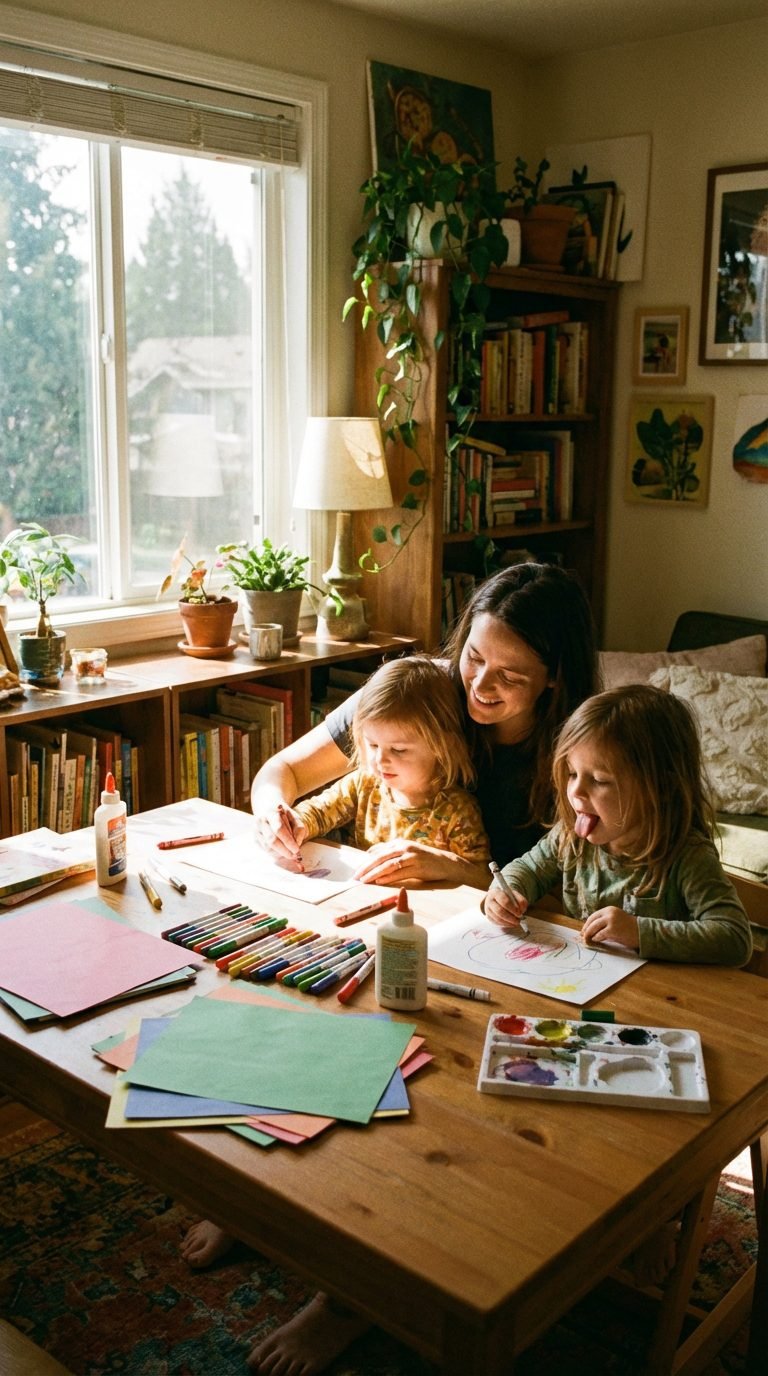
6. Art Station — Unleash Their Creativity
An art station is a delightful way to engage toddlers in creative play. It allows them to express themselves freely and develop fine motor skills. This activity can keep them entertained for a significant amount of time.
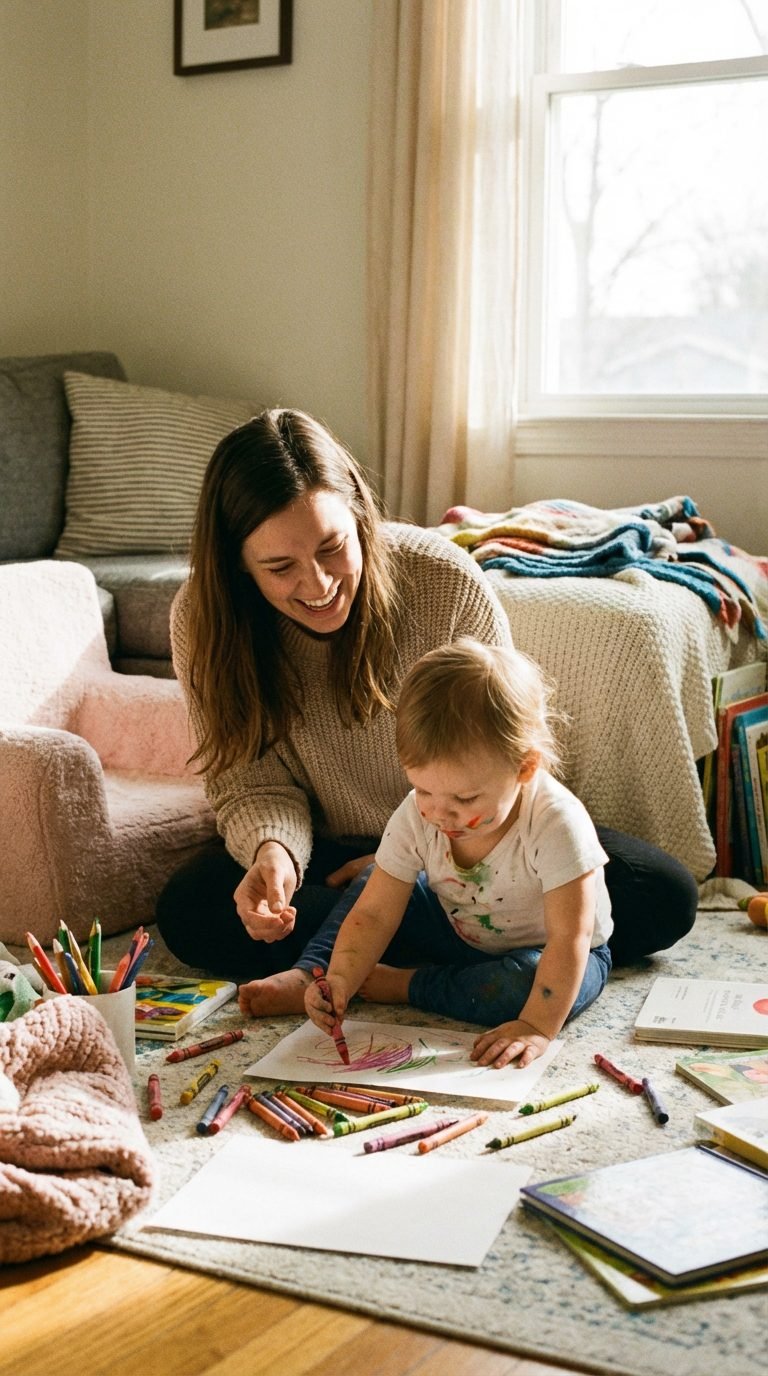
Set up a table with crayons, markers, paper, and stickers. Encourage your child to create whatever they like. This activity is suitable for ages 2 and up. Just be prepared for some mess, as art can get a bit wild!
What actually happens: Most kids will immerse themselves in their creations for 30-60 minutes. However, some may need prompts to keep going, especially if they run out of ideas.
Pro tip: Introduce a theme for the day, like animals or nature, to spark their imagination.
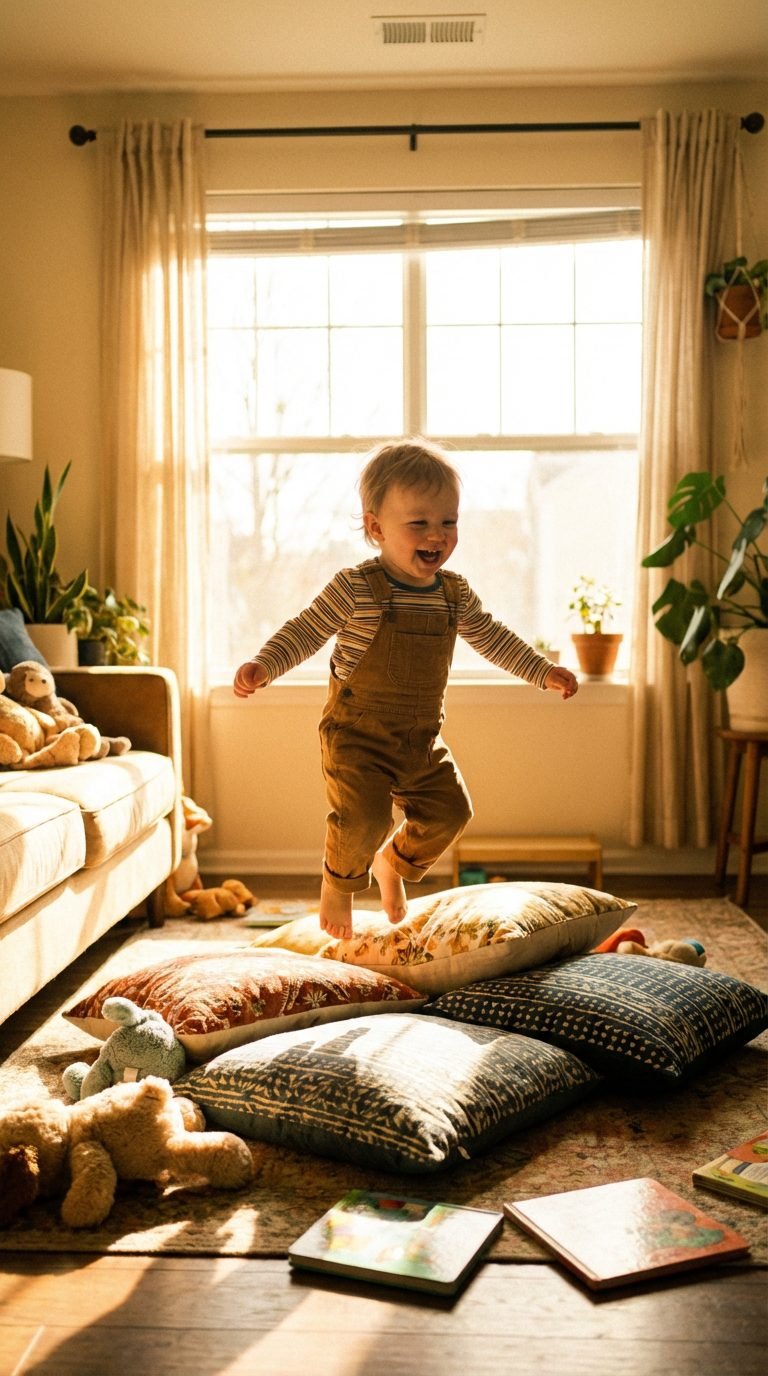
7. Obstacle Course — Burn Off Energy Indoors
Creating an indoor obstacle course can be a fun way to help toddlers burn off energy. It encourages physical activity and helps develop gross motor skills. Plus, it’s a great way to engage them without screens.
For instance, some of these work better in the morning, while others suit afternoon energy levels. Additionally, adjusting the timing makes a noticeable difference for many parents.
Use pillows, chairs, and blankets to create a course. Show your child how to navigate through it. This activity works well for toddlers aged 2-4. Just be mindful of space and safety!
What actually happens: Kids will love crawling, jumping, and climbing through the course. It can easily keep them entertained for 30-45 minutes. However, some children might get tired or frustrated, so make adjustments as needed.
Pro tip: Time them as they go through the course to add an element of competition!
8. DIY Fort — Imaginative Play at Its Best
Building a DIY fort is a classic activity that never fails to excite toddlers. It sparks imagination and provides a cozy space for play. This activity can lead to hours of creative fun.
Gather blankets, pillows, and furniture to create a fort. Encourage your child to help with the building process. This activity is ideal for toddlers aged 2 and up. Just be ready for the mess of moving furniture around!
What actually happens: Kids will love playing in their fort, creating stories and adventures. Expect them to play for 30-60 minutes. However, they might get restless, so provide some toys inside the fort to keep them engaged.
Pro tip: Add fairy lights for a magical touch!
9. Sensory Play with Nature — Explore the Outdoors
Engaging toddlers in sensory play with nature is a wonderful way to explore textures and smells. This activity encourages exploration and can be done in your backyard or a park. It’s perfect for kids who love to explore their environment.
Gather items like leaves, flowers, and stones. Let your child touch, smell, and examine them. This activity is suitable for toddlers aged 2-4. Just be sure to supervise closely, especially if they find small objects!
What actually happens: Most kids enjoy the different sensations and will explore for 30 minutes or longer. However, some may lose interest quickly, so keep it dynamic by introducing new items.
Pro tip: Create a nature journal where they can draw what they find!
10. Painting with Water — Mess-Free Fun
Painting with water is a great way to let toddlers express themselves without the mess. It’s simple and can be done anywhere, making it a fantastic boredom buster. This activity is great for developing motor skills and creativity.
Provide a bucket of water and brushes, and let your child paint on the sidewalk or fence. This works well for ages 2 and up. It’s easy to clean up afterward, which is a bonus!
What actually happens: Kids will enjoy creating their masterpieces and can stay engaged for 20-30 minutes. However, they might need encouragement to keep going if the surface dries quickly.
Furthermore, consistency tends to matter more than doing everything perfectly. As a result, even applying one or two of these ideas regularly can produce real change over time.
Pro tip: Use colored chalk to outline their creations for a fun twist!
11. Simple Puzzles — Cognitive Engagement
Puzzles are a fantastic way to engage toddlers cognitively. They help develop problem-solving skills and improve hand-eye coordination. This activity is ideal for quiet play.
Choose puzzles that are age-appropriate and have large, easy-to-handle pieces. This works best for toddlers aged 2-4. Set a timer for 20-30 minutes to keep them focused.
What actually happens: Kids will enjoy the challenge of fitting pieces together. Some may finish quickly, while others might take longer. If they get frustrated, offer hints to keep them motivated.
Pro tip: Rotate puzzles every few weeks to maintain their interest!
12. Story Time with a Twist — Engage Their Imagination
Story time can be a magical experience for toddlers when done creatively. It encourages listening skills and imagination. This activity can be enhanced by using props or puppets.
Choose a favorite storybook and act it out together. This works for toddlers aged 2 and up. Use simple props from around the house to make it more engaging.
What actually happens: Most kids will enjoy the interactive nature of the story and stay engaged for 20-30 minutes. However, some may lose interest, so keep the pace lively.
Pro tip: Let your child choose the story to make it more personal!
13. Nature Art — Creative Exploration
Creating art from nature is a wonderful way to combine creativity with the outdoors. It encourages exploration and appreciation for nature. This activity is perfect for kids who love to craft.
Gather items like leaves, twigs, and flowers. Use them to create collages or prints. This is suitable for ages 2-4. Just be prepared for some mess when working with glue!
What actually happens: Kids will enjoy the process of collecting and creating. Expect them to be engaged for 30-45 minutes. However, some may need guidance on how to use the materials.
Pro tip: Use a large piece of cardboard as a canvas for their creations!
14. Building Blocks — Endless Possibilities
Building blocks are a classic toy that never goes out of style. They promote creativity and fine motor skills. This activity can keep toddlers entertained for a long time.
Meanwhile, every child brings different needs to the table. Nevertheless, the approaches listed here have worked across a wide range of ages and temperaments.
Provide a variety of blocks in different shapes and sizes. Encourage your child to build whatever they imagine. This works well for toddlers aged 2 and up. Just be prepared for some towers to come crashing down!
What actually happens: Kids will enjoy constructing and deconstructing their creations. Most will stay engaged for 30-60 minutes. However, some may get frustrated if their structures collapse.
Pro tip: Introduce challenges, like building the tallest tower, to keep it exciting!
15. Dance Party — Get Moving Indoors
A dance party is a fun way to get toddlers moving and burn off energy. It promotes physical activity and can lift everyone’s spirits. This activity is perfect for a rainy day.
Play some upbeat music and encourage your child to dance freely. This works well for ages 2-4. Set aside 20-30 minutes for this energetic playtime.
What actually happens: Most kids will love dancing and stay engaged for the duration. However, some may tire quickly, so consider taking breaks to keep it fun.
Pro tip: Introduce dance props like scarves or ribbons to make it more exciting!
16. Indoor Gardening — Teach Responsibility
Indoor gardening can be a delightful way to engage toddlers. It teaches them about nature and responsibility. This activity can be calming and educational.
Choose easy-to-care-for plants, such as herbs or succulents. Let your child help with watering and caring for them. This is suitable for ages 2 and up. Just be prepared for some dirt to spill!
What actually happens: Kids will enjoy seeing their plants grow and will often stay engaged for 30-45 minutes. However, some may lose interest in the upkeep, so make it a fun routine.
Pro tip: Incorporate a chart to track their plants’ growth!
17. Homemade Musical Instruments — Create a Band
Making homemade musical instruments is a fun way to engage toddlers in creative play. It encourages creativity and can lead to a mini-concert! This activity is great for developing auditory skills.
Use items like empty containers and rice to create shakers. Let your child decorate them too. This works well for ages 2-4. Just be ready for some noise!
What actually happens: Kids will enjoy making music and can play together for 30-60 minutes. However, some may need guidance on how to play their instruments.
Moreover, fitting these ideas into a busy schedule is often easier than it first appears. Consequently, many parents find that small adjustments lead to meaningful improvements fairly quickly.
Pro tip: Organize a mini talent show at the end to showcase their creations!
18. Shadow Play — Explore Light and Movement
Shadow play is a fascinating way to explore light and movement. It encourages curiosity and creativity. This activity can be done indoors with minimal setup.
Use a flashlight and some toys to create shadows on the wall. This works well for toddlers aged 2-4. Set aside 20-30 minutes for this imaginative play.
What actually happens: Kids will be captivated by the shadows and will stay engaged for a while. However, some may require prompts to keep their interest alive.
Pro tip: Introduce stories or characters to act out with the shadows!
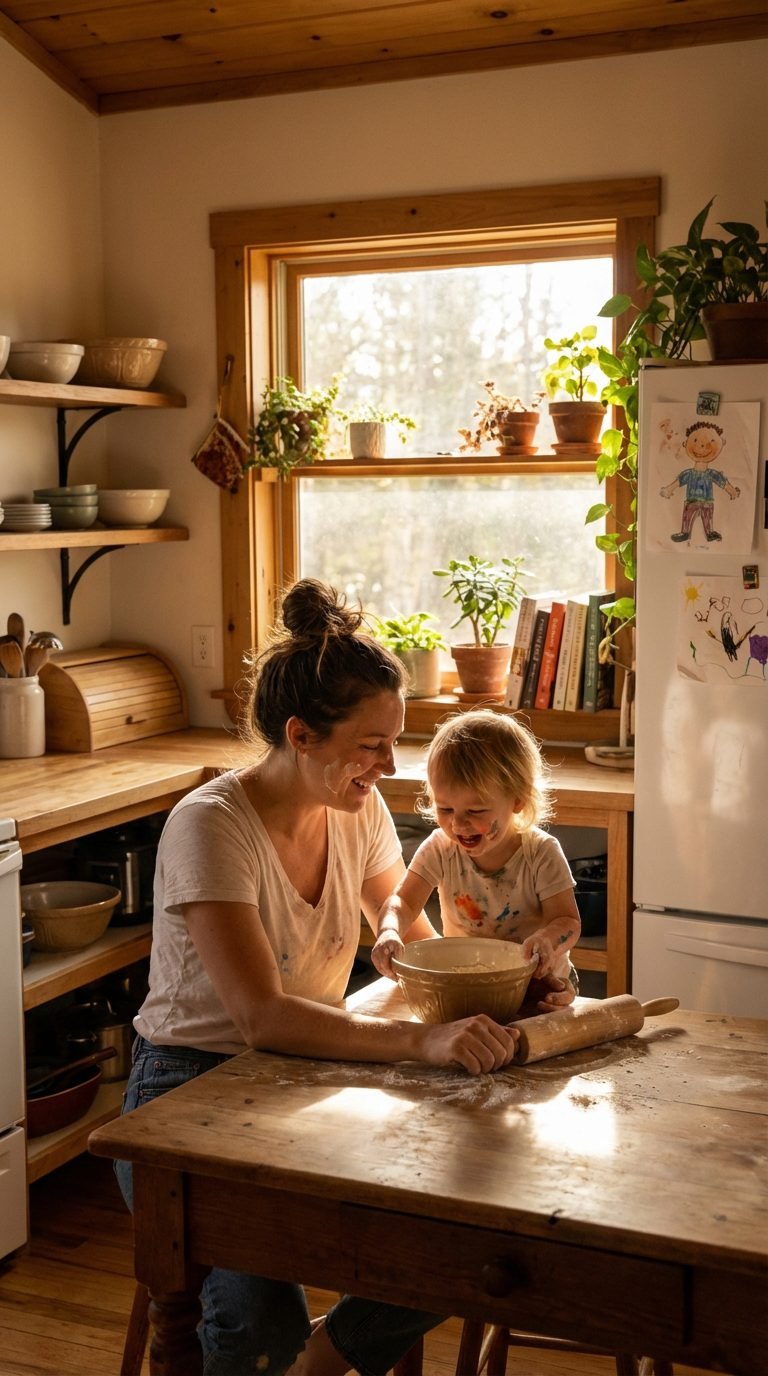
19. Cooking Together — A Tasty Learning Experience
Cooking together can be a delightful way to engage toddlers in hands-on learning. It promotes fine motor skills and introduces basic concepts of measurement. This activity can be both fun and educational.
Choose a simple recipe, like cookies or fruit salad. Let your child help with mixing and measuring. This works well for ages 2-4. Just be prepared for some mess in the kitchen!
What actually happens: Kids will enjoy participating and can stay engaged for 30-45 minutes. However, some may lose focus, so keep the tasks varied.
Pro tip: Create a fun name for your dish to make it more exciting!
20. Quiet Time with Books — Foster a Love of Reading
Quiet time with books is an essential part of any toddler’s day. It promotes literacy and provides a calm space for children. This activity can be a great way to wind down.
Choose age-appropriate books and create a cozy reading nook. This works well for toddlers aged 2-4. Set aside 20-30 minutes for this peaceful activity.
What actually happens: Kids will enjoy flipping through books and listening to stories. However, some may need encouragement to stay focused, so join them in reading.
Pro tip: Let your child pick out their favorite books to make it more personal!
Conclusion
From sensory bins to DIY forts, these toddler boredom busters no screens needed are sure to keep your little ones engaged. I recommend starting with the sensory bin, as it truly captivates most kids. Remember, every child is different, and it’s okay if things don’t go perfectly. For more family activity ideas, check out more family activity ideas on Simple Family Everyday.
For more evidence-based guidance, visit American Academy of Pediatrics — screen time guidelines.