Three-Year-Old Tantrums: What’s Normal and What Actually Helps
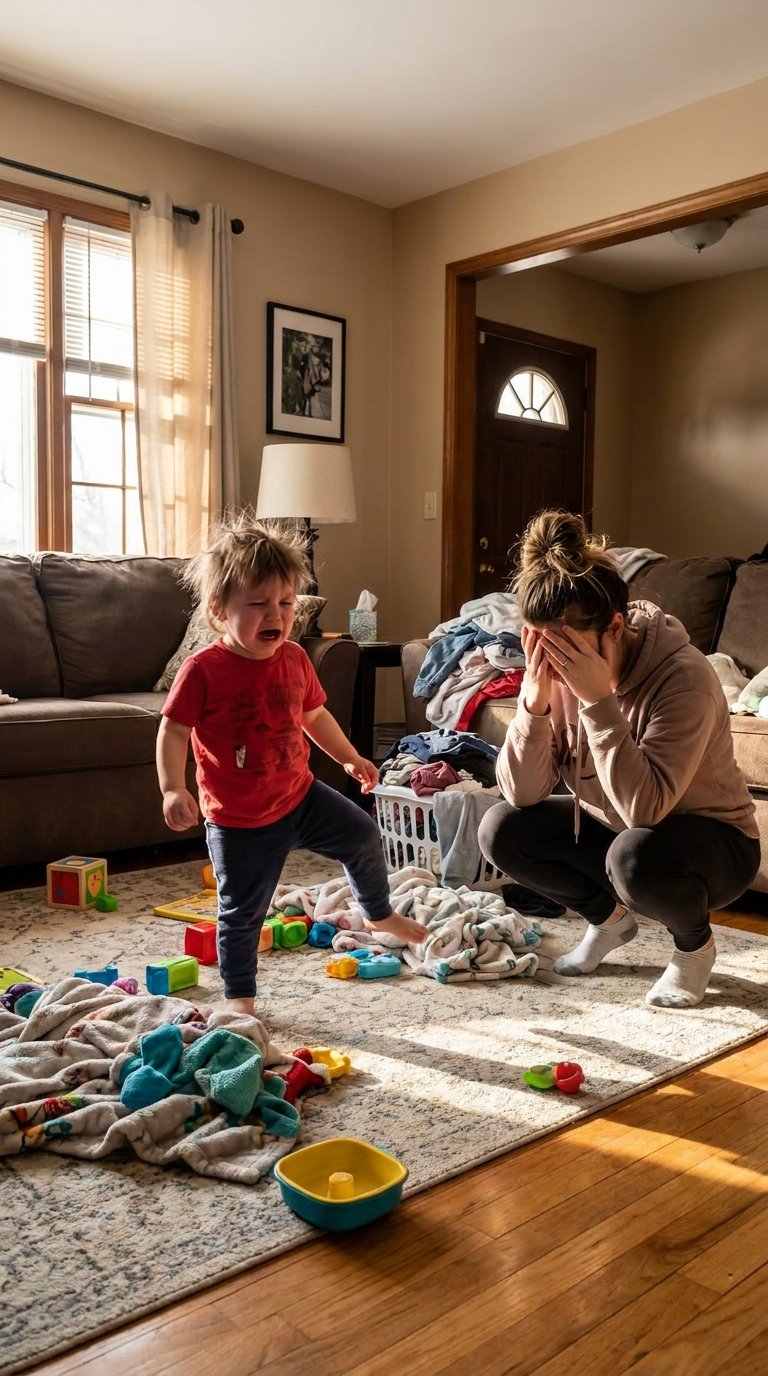
The toy dump truck crashes into the wall for the third time today, and your three-year-old stands defiant, eyes blazing with the intensity of a tiny storm. This is when three year old tantrums can make everything feel overwhelming.
Your heart races, frustration tightening your chest, and an uneasy question nags at your sanity: what if I’m failing at this?
As they pull at the corners of the couch, red-cheeked and insistent, you smell the faint, lingering scent of apple juice on the carpet.
But imagine knowing why these tantrums erupt and the steps that actually help. By the end of this article, you’ll have real, practical tools to transform chaos into calm.
Transforming Bedtime Battles
How this three year old tantrums helps at bedtime
Key Takeaways
- Start with the single change that removes the most friction — not the most comprehensive system.
- Match the approach to the current energy level and age stage, not to the ideal version of the day.
- Adding more rules on top of a broken setup makes the load heavier when real life gets busy.
- If the improvement disappears after a week, the friction point came back — not the child.
Why Your Child Melts Down
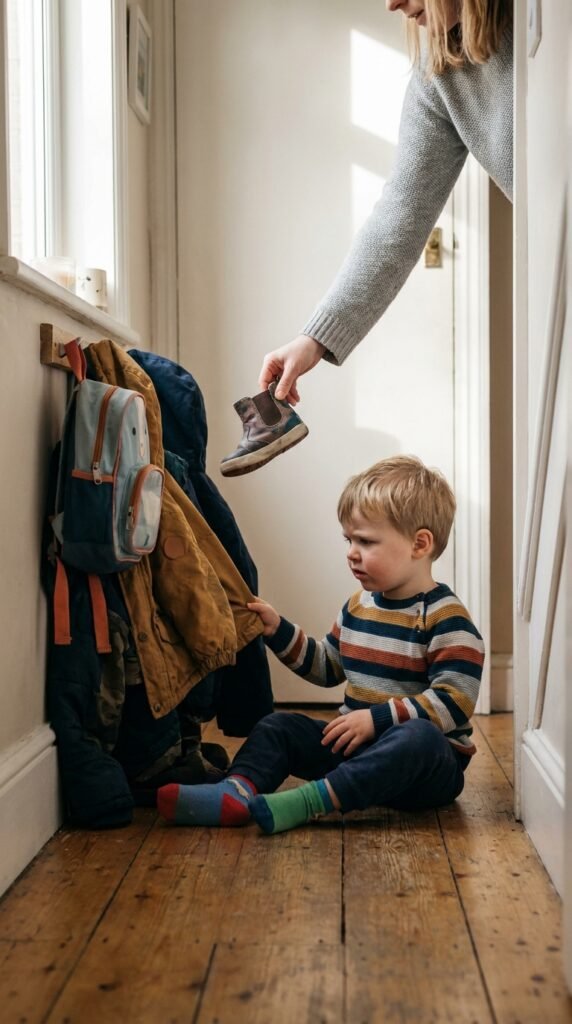
At this age, your child’s brain is developing rapidly, but their ability to manage big emotions is still maturing. Three-year-olds are exploring independence yet lack the self-regulation to cope with frustration.
During these early years, the world is a puzzle they are trying to understand without all the pieces.
Remember, these tantrums are a normal part of growing up, not a reflection of your parenting. It’s crucial to recognize this because guilt can cloud your ability to respond effectively.
Tantrums are a natural and expected phase in a child’s development. Children at this age are learning to handle their feelings and often do not have the words to express them meaningfully.
Think of it like learning to ride a bike; there will be falls and scrapped knees before they ride smoothly. They may scream, cry, or fall down because their overwhelming emotions manifest physically.
It is their way of signaling for help in understanding their experiences.
- Just as comforting them when they fall off their bike, soothing them emotionally is key.
- Each tantrum can be an opportunity to teach emotional navigation skills.
- The more we accept the normalcy of these moments, the less stressful they become.
When the Day Feels Like It’s Spiraling

The best parenting improvements usually come from a simpler system, not a more complicated promise.
The late afternoon can be a gauntlet. Toys are strewn across the floor, dinner calls from the kitchen, and suddenly, your three-year-old erupts.
The wrong color cup has triggered a meltdown. It can feel like the day has spun out of control.
These episodes are often exacerbated by hunger or fatigue, which are common during transitional times of the day.
In this whirlwind, pause for a moment. Take a deep breath. This simple act of breathing gives you a slice of calm before addressing the storm. It’s like a mini-reset button.
Let it settle your racing mind. Then, get down to your child’s level and acknowledge their feelings calmly.
“I see you’re upset about the blue cup. It’s frustrating, isn’t it?” This connection can defuse the situation before it escalates, showing them they’re understood and not alone.
As trivial as the trigger may seem, validating their feelings offers them dignity in their emotional world, prompting a space for shared understanding.
- Use the opportunity to teach them simple calming techniques.
- Encourage words over screams for future conflicts.
- Shift from judgment to empathy, enabling growth for both you and your child.
Grounding Yourself Amidst Chaos
The best time to intervene is just as the tantrum begins. Catch it in its infant stage when your child’s wailing hasn’t yet reached its peak pitch. A specific word of empathy could be like a balm, soothing the imminent storm.
Grounding yourself first allows you to respond rather than react. This small act can change the entire atmosphere.
Instead of rushing in to swap cups or negotiate, you remain composed. Your child might surprise you by accepting the situation after feeling heard.
- Identify signs of the tantrum’s onset.
- Take deep, centering breaths.
- Use simple, empathetic language.
- Maintain a calm demeanor.
Even if you occasionally forget and go straight into fix-it mode, don’t be hard on yourself. Everyone has those days when sibling arguments and laundry piles push us to the brink.
But each pause you remember to take is a win, no matter how small. Gratitude for small victories can lighten the heavier days.
Parent note: I sometimes forget to breathe and go straight to fixing the moment, but when I remember, it feels like a small win.
When You Need to Understand the Chaos

| Situation | Quick approach | When it works best |
|---|---|---|
| Low energy day | One simple visible step | After school, before dinner |
| High sensory load | Reduce input first, then act | Transitions and bedtime |
| Repeated behaviour | Change the setup, not the response | Evenings and mornings |
| Strong resistance | Give one real choice, not instructions | When control is the underlying issue |
The playdate ends and your little one is left staring at the door, tears streaming down their cheeks. It feels like the end of the world to them because that sudden change is jarring.
This scenario is familiar nabbed in the very nature of abrupt goodbyes and transitions they aren’t yet ready for.
In these moments, your three-year-old’s emotions are a tangled mess, akin to a cluster of mismatched socks you just tossed together in the laundry basket. Understanding this helps in addressing their fears by labeling what they are experiencing.
After the tantrum reaches its peak, try to calmly explain the situation to them. Use simple words: “Your friend had to go home for dinner, but you’ll play again soon.” Make it relatable, like, “Remember when you left the park last time?”
“It’s like that.” This approach acknowledges their feelings and gently helps them make sense of what’s happened. Parents who guide their children thoughtfully during these episodes set an emotional foundation where change isn’t feared but understood.
- Reinforcement can be encouraged through brief, explanatory sentences.
- Even if comprehension isn’t immediate, consistency brings clarity in time.
- Empathy helps transition frustration to curiosity and acceptance.
Bringing Comfort Amidst the Upset
Timing is crucial. Just after they’ve used up their biggest cries, that’s when words can start to sink in.
Their receptive state increases post-meltdown where previously rationale seemed insignificant. In the same way, the hallway may still echo with their sobs, but they’re also more open to receiving comfort.
Sit down next to them, maybe even on the pile of couch cushions they’ve knocked over in frustration. Your presence is as important as your words. It’s not only about hearing but about feeling understood and anchored amidst their internal chaos.
When you explain things, it helps them process what just happened. They learn to associate words with their emotions, a vital skill at this age.It’s an investment in helping them handle future big feelings.
It might not seem like much, but in these small teaching moments, your child is growing.
- Speak simply and softly.
- Use relatable comparisons.
- Acknowledge their feelings.
- Be patient and consistent.
Remember, sometimes you’ll lose patience or feel you’re failing them. That’s okay. Embrace it as part of the journey. It’s a reminder that each day isn’t about perfection but progress in understanding and bonding with your child.
Parent note: I remind myself they aren’t trying to be difficult. They just don’t have the words yet.
The Moment You Find a Calm Zone

When your three-year-old begins to shriek in the fluorescent-lit chaos of the grocery store, it’s a familiar scene for many parents.
The noise, the strangers, the cart stacked high with groceries and crumbs from past snacks—it can all become overwhelming for a little one.
Recognizing the signs of rising distress, like a tight grip on your hand or those wide, searching eyes, is your cue to act. Sometimes it manifests as the freight of the shopper converting into fragmented panic.
Quickly scan your surroundings for a quieter spot. Look for an empty aisle or make a beeline for the door.
Stepping outside into the fresh air often works wonders. A change in environment can immediately soothe those overwhelmed senses, helping to prevent a full-blown meltdown. It shows them that when life feels too loud, there are quieter places available.
Sometimes, when the world feels too big, a smaller setting feels just right. These situations aren’t always avoidable, but awareness and quick thinking can minimize public distress.
- Seek a quieter location as soon as distress signs show.
- Ask them about needs to identify if hunger or another need plays a role.
- Involve them in mini tasks like picking a fruit they want to engage distraction.
Practical Tips for Quick Calm
- Choose Your Comfort Item: A small toy from home, a favorite stuffed animal, or even a cozy blanket can bring comfort.
- Practice Deep Breathing: Show your child how to take deep, slow breaths together, turning it into a game. It signals them that peace can be a choice.
- Create a Soft Corner: If stepping out isn’t an option, find an area with less foot traffic and sit on the floor together. Being at their level often reassures amidst intimidating landscapes.
- Speak Softly: Use a calm and gentle voice to reassure and guide them through their feelings. A soft tone can act like a guiding anchor predicting relief.
Admittedly, it’s not always feasible to step out of the situation. While juggling bags, shoes askew, and a mismatched pair of socks, a calm zone feels miles away.
But when you can, it’s a technique that’s saved more than one parent from a very public display. Learning to recognize the deeply individual triggers of children goes a long way in pre-empting these scenarios.
Parent note: Sometimes we both just needed that moment of air, and it’s okay if it doesn’t work every time.
What Actually Helps When You Feel Stuck

Picture this: you’re chopping carrots, steam from boiling pasta clouds your glasses, and your three-year-old is wrapped around your leg like a fuzzy koala. This moment is as frustrating as it is heartwarming.
Balancing dinner prep with a tiny human’s needs can feel like a high-wire act. The pull of your sleeve is just their way of seeking involvement or simplicity amidst the complexity of daily routines.
Adjusting expectations may just be the ticket to navigating such hybrids.
Get Them Involved in Cooking
In these moments, inviting them to participate can be a game-changer. Hand them a small, safe task like washing veggies in the sink. Involve them in the creative process healing their restlessness and validating their place in the family dynamic.
It’s a great way to keep them occupied and near you. Choose tasks that are suitable for little hands and come without sharp edges.
- Give them a bowl to rinse cherry tomatoes.
- Set them up with a clean sponge to ‘scrub’ a potato.
- Ask them to arrange bread slices or spoon peas into a bowl.
- Provide a damp cloth to ‘wipe’ down the table with you.
Turning their need for attention into a moment of connection changes the dynamic. You’re no longer just the cook—you’re a team!
Your child will likely beam with pride as they help. It’s amazing to see how effectively this simple shift redirects their energy.
It nurtures their sense of ownership and participation within the household.
This strategy isn’t only about getting help; it’s about acknowledging their need to be close and involved. Sure, a few droplets might splash onto your shoes, and dinner might take a bit longer. But your little one gets to feel important, and that’s worth it.
Parent note: I sometimes forget how much they love helping until I just hand them something safe to do.
The Relief of a Post-Tantrum Hug
It’s when the storm passes and quiet fills the room. Your little one, face flushed and small hands wiped on pajama sleeves, approaches slowly. The remnants of stress fade as warmth permeates this newfound calm.
The trail of hastily discarded building blocks and a TV remote that somehow got involved in the chaos lies abandoned on the floor. Their eyes search for yours, seeking comfort and reassurance.
In that moment, get down to their level. Open your arms wide, inviting them in with a warmth that only a parent’s embrace can offer. This gesture is more powerful than words, communicating safety and love amidst the ruins of distress.
“It’s okay,” you might whisper, as their head finds its familiar resting place against your shoulder. Assure them that they are loved, tantrum or not. It wakes the awareness that love remains constant even when emotions rise.
You both need that hug, a quiet pact of love and acceptance. Embrace assures that but big the experience was, it never alters the protective and nurturing bond you share.
Reconnecting After the Tears
Post-tantrum hugs aren’t just relief; they’re vital in resetting the emotional slate. When your child snuggles into you, it signals to them that they’re safe, all is forgiven, and the world is not as overwhelming as it felt just moments ago.
It is like a gentle reset button, easing both of you into the current moment free from prior angst.
It’s a critical step in teaching that emotions are okay, but what matters more is finding that calm together. This reinforces your role as a secure base from which they can explore and handle their inner storms.
- Preventing future outbursts: The hug isn’t magic, but it reassures and grounds.
- Strengthens bonds: This simple action reaffirms trust and safety.
- Calms frayed nerves: It’s soothing for you, too, not just them.
- Creates a ritual: A reliable pattern helps both of you unwind.
Don’t worry if you don’t feel immediate serenity. It’s normal to find crumbs underfoot from lunchtime, reminding you of the endless cycle of parenthood.
Some moments are more taxing than others, and that’s okay—it’s not about making each moment perfect, but making it meaningful.
Some days, the relief takes longer to feel than others. But in the post-tantrum embrace, there’s a shared understanding: handling these little storms together is what makes the bond stronger.
You both emerge learning resilience and an unspoken affirmation of unconditional love.
Parent note: I need the hug as much as they do. It’s a reminder for both of us that we’re okay.
Frequently Asked Questions
Is it normal to feel overwhelmed by three year old tantrums?
Yes. What you are feeling is a normal response to a genuine physical and emotional load — not a sign that you are failing.
Why does the guilt feel worse after the hard moment?
Because guilt arrives when the nervous system starts processing again. It is not accurate information about who you are — it is information about what mattered.
What is the fastest way to lower the intensity in the moment?
Reduce one source of sensory input first — sound, visual clutter, or physical demands — before trying to address the emotional content.
How do I repair the connection afterwards?
Offer proximity and presence before explanation. A short, honest acknowledgement usually does more than a longer reasoned apology.
Quick Action Plan
- Pick one clear priority from this guide for three year old tantrums.
- Apply one change before adding anything else.
- Review after three days: what improved and what still adds friction?