
End Car Seat Tantrums: My Real Survival Guide for Moms
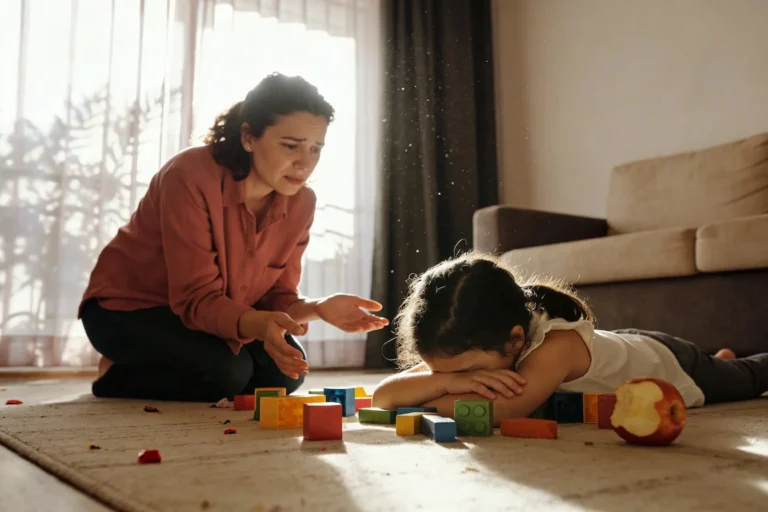
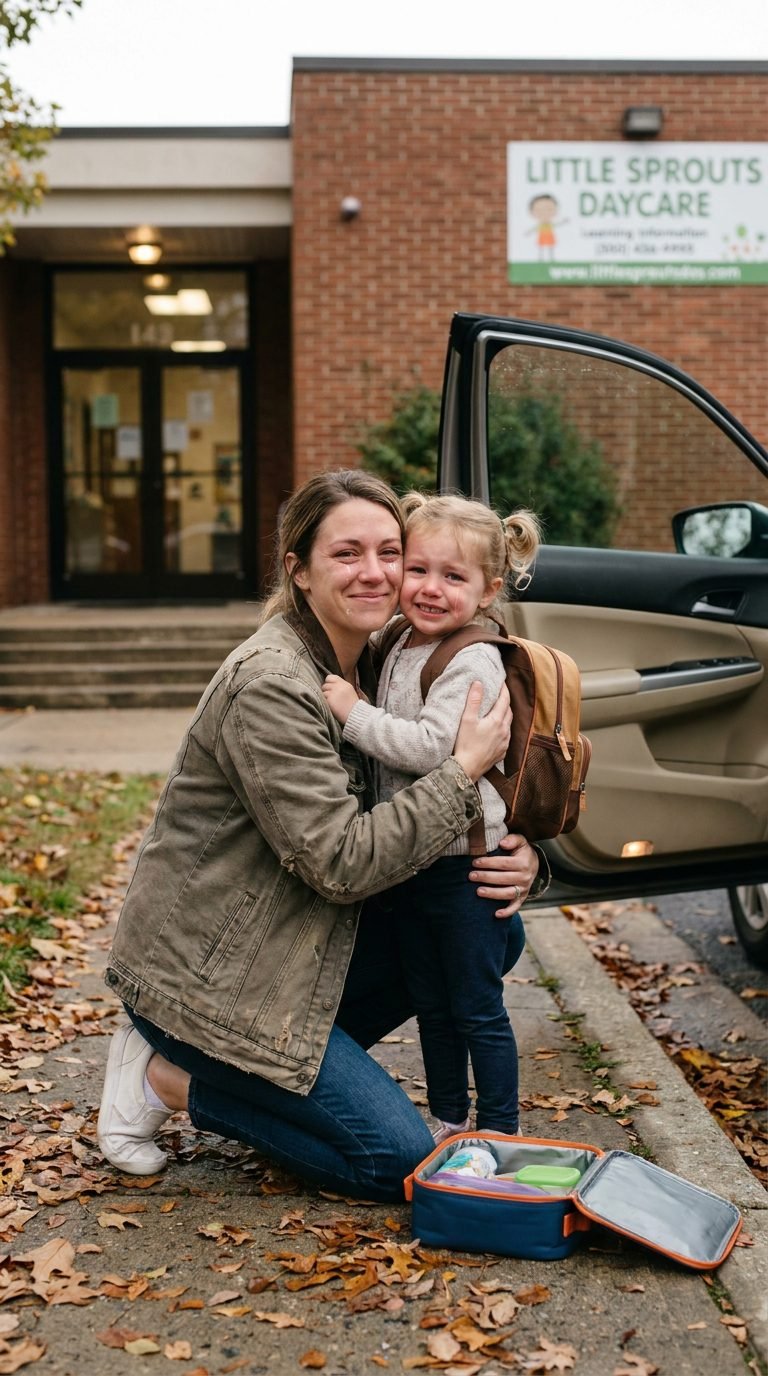
When car seat tantrums starts to feel like too much, I remember the heat of that Tuesday afternoon like it was yesterday. My toddler was arched in a rigid, impossible ‘U’ shape, her heels digging into the upholstery of the back seat while her lungs produced a sound I didn’t know a human body could make. My own shirt was stuck to my back with sweat. My hands were shaking. In that moment, I wasn’t an ‘expert’ or a ‘parenting coach.’ I was just a tired woman in a grocery store parking lot, feeling like a complete failure because I couldn’t even get my child into a car without a battle that felt like a war zone.
If you have been there—if you are reading this while hiding in the bathroom or sitting in your driveway taking a ‘five-minute breather’ before going inside—I want you to know I see you. I’ve felt that specific brand of panic that rises in your throat when the first scream starts. Car seat tantrums aren’t just about a stubborn child; they are a sensory and emotional overload for both of you. They turn a simple trip to the park into a gauntlet of cortisol and tears.
The truth is, most advice out there is too clinical. It tells you to ‘stay calm’ as if that’s a button you can just press. But when you’re dealing with a flailing toddler and a ticking clock, ‘calm’ feels like a luxury you can’t afford. In this guide, I want to talk to you mom-to-mom. We’re going to look at why this happens, how we can pivot our approach, and how you can protect your own peace when the screaming starts.

Why car seat tantrums Feels So Heavy
We often think our kids are just being ‘difficult’ or ‘defiant.’ But if we look closer, the car seat is actually a perfect storm for a tiny person’s nervous system. Think about it: they are being strapped down, unable to move their limbs, often facing backward (away from the person they love most), and forced into a hard plastic shell. For a toddler who is just discovering their independence, the car seat feels like a literal cage.
There is also the ‘transition’ factor. Kids live in the present. If they were playing with a stick in the yard, that stick was their entire world. When we scoop them up and shove them into a seat, we are effectively dragging them out of their reality. Their nervous system reacts with a ‘fight’ response because they feel out of control. It isn’t a manipulation; it’s a meltdown of the highest order.
Then there’s the sensory side. Is the sun in their eyes? Is the buckle pressing against their thigh? Is the fabric of the seat scratchy against their summer skin? Often, what looks like a power struggle is actually a physical discomfort they don’t have the words to explain yet. When we understand this, our frustration can slowly turn into a team-effort to solve the problem.
What Makes car seat tantrums Build Up So Fast
Before we get into the ‘how-to,’ let’s reframe what we are seeing. InsteaInstead ofg a ‘bad’ behavior, let’s see a ‘hard’ moment. This table helps me remember that my child isn’t giving me a hard time; they are having a hard time.
| What We See | What Is Actually Happening | The Empathetic Response |
|---|---|---|
| Arching the back | Sensory overwhelm or feeling trapped | “I see your body feels tight and angry.” |
| Screaming “No!” | A desperate plea for autonomy | Give a small choice (which toy to hold). |
| Kicking the driver’s seat | A need for physical release/proprioception | Offer a ‘heavy work’ toy or a foot rest. |
| Throwing shoes/toys | Frustration with the physical restraint | Validate the feeling of being stuck. |
| Crying before even reaching the car | Anticipatory anxiety about the transition | Create a predictable car routine. |
| Refusing to let you buckle the chest clip | Fear of the clicking sound or pressure | Narrate the steps: “One click, two clicks.” |
| Pulling your hair or hitting | Disconnection and frantic need for attention | Physical touch or a soft song. |
| Silent weeping/withdrawing | Overstimulation or ‘shut down’ | Lower the volume, dim the lights. |
| Negotiating for 20 minutes | Seeking a sense of control over their day | Boundaries with a ‘bridge’ activity. |
| Total ‘Connection Meltdown’ | Feeling disconnected from Mom during the rush | Stop, hug, and breathe together. |

The ‘Connection-First’ Departure Framework
I developed this method because I realized that the more I pushed, the more she resisted. The ‘Connection-First’ framework isn’t about being ‘soft’; it’s about being effective. It takes about three extra minutes, but it saves thirty minutes of screaming. Here is how we do it, step-by-step.
Step 1: The Five-Minute Bridge
Never just grab and go. I used to be the queen of ‘Okay, time to go!’ while snatching the toy out of her hand. Now, I sit on the floor with her for two minutes before we leave. I join her world. If she’s playing with blocks, I build one tower. This builds a ‘bridge’ of connection that she can walk across into the car. I tell her, “In five minutes, we are going to the car to see the blue clouds. Should we bring the red truck or the yellow one?”
Step 2: The Physical Handoff
When it’s time to move, I don’t carry her like a sack of potatoes. I carry her close, chest-to-chest. I might hum a low vibration against her back. This keeps her nervous system co-regulated with mine. If I’m rushing and frantic, she will be too. I try to make the walk to the car a ‘game’—counting steps or looking for ‘car friends’ (other cars on the street).
Step 3: The Choice of Power
Once we are at the car door, the battle usually begins. This is where I offer ‘The Choice.’ “Do you want to climb in like a monkey, or should I fly you in like an airplane?” This gives her a tiny bit of the autonomy she is so desperately craving. It shifts her brain from ‘resistance’ to ‘problem-solving.’
Step 4: The Sensory Anchor
Once she’s in, I have a ‘car-only’ basket. These are special toys she ONLY gets in the car. A fidget spinner, a heavy beanbag, or a specific book. This creates a positive association with the seat. While I’m buckling (the hardest part), I narrate everything in a calm, boring voice. “Clip goes one, clip goes two. Snug like a bug.” The predictability lowers the threat level in her brain.

Real Life: When It Doesn’t Go Perfectly
Let’s be real. Sometimes you do all the steps and they still scream. Life isn’t a textbook. Here are three scenarios I’ve lived through and how I handled them (the messy version).
Case Study 1: Ania and the ‘Iron Board’
Ania is 2, and she does the ‘iron board’ move—straightening her legs and back so she can’t sit down. One day, I was at the pediatrician’s office, and I was already crying. Instead of forcing her, I sat on the edge of the car frame and just waited. I didn’t say a word. I just breathed. When she saw I wasn’t fighting back, her body eventually softened. It took four minutes. It felt like an hour. But she sat down on her own. I realized that my force was fueling her resistance.
Case Study 2: Kasia and the Negotiation
Kasia is 4 and wants to know ‘why’ for everything. “Why do I have to wear the straps? They are too tight!” Instead of saying “Because I said so,” I told her the truth in a way she understood. “These are your ‘superhero belts.’ They keep your body safe so we can go on adventures. If we don’t wear them, the car can’t go.” We started calling the car ‘The Adventure Mobile.’ It didn’t stop the complaining entirely, but it shifted the ‘why’ from ‘Mom is mean’ to ‘Safety is a rule.’
Case Study 3: Julia and the Dark
Julia started screaming every time the sun went down. I thought it was a tantrum, but it was actually fear. She couldn’t see me in the rearview mirror. I installed a tiny, battery-operated fairy light around her headrest (safely tucked away) and gave her a ‘glow-worm’ toy. The ‘tantrums’ stopped overnight. Sometimes, it’s not a behavioral issue; it’s a physical need for comfort.

Physical Resets for You (The Driver)
We focus so much on the kids, but what about us? Your heart rate is at 120 bpm, your ears are ringing, and you have to safely navigate 4,000 pounds of steel through traffic. You cannot be a good parent if you are in a state of total fight-or-flight. Here are 10 ways to reset your own body while you’re in the thick of it:
- The Heel Drive: Dig your heels into the floor mat as hard as you can. This grounds your nervous system and reminds your brain you are ‘here.’
- Low Humming: Make a ‘mmm’ sound. The vibration stimulates the vagus nerve, which tells your body to calm down.
- The Cold Water Trick: Keep a bottle of ice-cold water in the cup holder. If you feel a panic attack coming, take a sip or press the cold bottle to your wrist.
- Narrate the Chaos: Say out loud, “I am driving. The baby is screaming. I am safe. We will be home in ten minutes.” It moves the experience from the emotional brain to the logical brain.
- The 4-7-8 Breath: Inhale for 4, hold for 7, exhale for 8. Even one round helps.
- Squeeze the Wheel: Grip the steering wheel tight for 5 seconds, then release. Repeat. This releases pent-up muscle tension.
- Open the Window: A blast of fresh air can break a sensory loop for both you and the child.
- Sing—Badly: Sing whatever you are feeling to the tune of a nursery rhyme. “Mommy is so frustrated and her ears really hurt, e-i-e-i-o!” It’s hard to stay in a rage when you’re singing something ridiculous.
- The Jaw Drop: We carry so much tension in our jaws. Consciously let your teeth part and your tongue drop from the roof of your mouth.
- Accept the Noise: Tell yourself, “This noise is temporary. It cannot actually hurt me.”

Frequently Asked Questions: Mom-to-Mom
Is it okay to let them cry it out in the car?
Listen, sometimes you have to get from point A to point B. If they are buckled and safe, and you have done your best to comfort them, it is okay to just drive. Put on some music for yourself, keep talking to them calmly, and remind yourself that they are safe. You aren’t a bad mom for not being able to stop the crying while driving 60 mph.
Should I give them a tablet in the car?
No judgment here. If a tablet is the difference between a car accident and a safe arrival, use the tablet. However, try to save it for long trips so it doesn’t lose its ‘magic.’ For short trips, try audiobooks or music first.
What if they unbuckle themselves?
This is a major safety issue. If this happens, you must pull over immediately (safely). The car does not move until everyone is buckled. It’s a non-negotiable boundary. It might mean you’re late, but safety is the priority.
My husband doesn’t have this problem. Why me?
Kids often save their biggest emotions for their ‘safe person.’ If they fight you more, it’s actually a sign they trust you enough to show you how hard of a time they are having. It’s an exhausting compliment.
How do I handle the judgment from people in the parking lot?
Ignore them. Seriously. Most of them are either thinking ‘Thank God that’s not me today’ or ‘I’ve been there.’ Anyone who judges you has forgotten what it’s like to raise a tiny human. Your priority is your child, not the stranger at the grocery store.
When will this end?
Usually, by age 4 or 5, the need for autonomy finds other outlets, and their nervous systems become more regulated. It won’t be like this forever, I promise.
Is it okay to use rewards?
I prefer ‘intrinsic’ rewards—the reward of getting to the park. But hey, if a single gummy bear gets them buckled during a doctor’s office emergency? Do what you need to do.
Does the seat itself matter?
Sometimes! Check if they are outgrowing it. If their legs are cramped or the straps are rubbing their neck, a new seat (or adjusting the current one) can work wonders.
You’re Doing a Great Job, Even When It’s Loud
I want to end this by saying something you probably don’t hear enough: You are doing a great job. The fact that you are even reading this, looking for ways to make the car seat experience better for your child, shows how much you love them. Car seat tantrums are a season—a loud, sweaty, frustrating season—but they are not the whole story of your parenting.
There will come a day when you’ll get in the car, and they’ll climb in, buckle themselves (or let you do it without a fight), and ask you to play their favorite song. You’ll pull out of the driveway, and the silence will feel strange and wonderful. You’ll look in the rearview mirror and see a kid who is growing up, and you’ll realize you survived the ‘car seat years.’
Until then, give yourself grace. If you lose your cool and yell, apologize to them when everyone is calm. It’s a great lesson in repair. If you have to sit in the car for ten minutes after you get home just to hear your own thoughts, do it. You are a human being with a nervous system that has limits. Taking care of yourself is part of taking care of them.
Next time you’re standing by that car door and you feel the tension rising, take one deep breath. Remember the ‘bridge.’ Remember the ‘choice.’ And remember that I’m out here in my own driveway, probably dealing with the same thing, cheering you on. We’ve got this, mama. One buckle at a time.
What’s your biggest car seat struggle right now? Come find me on Instagram or leave a comment below—let’s vent together. Sometimes just knowing you aren’t the only one with a screaming toddler in the backseat is enough to get through the next drive.