15 Easy Sensory Bins 1 Year Old That Are Safe and Last 30 Minutes
What Are 15 Easy Sensory Bins? (Quick Answer)
15 Easy Sensory Bins are engaging, tactile activities designed for toddlers. They work best for children aged 1 to 3 years and provide opportunities for exploration, creativity, and sensory development. Most parents find that these bins can keep their toddlers busy for 30 minutes or more.
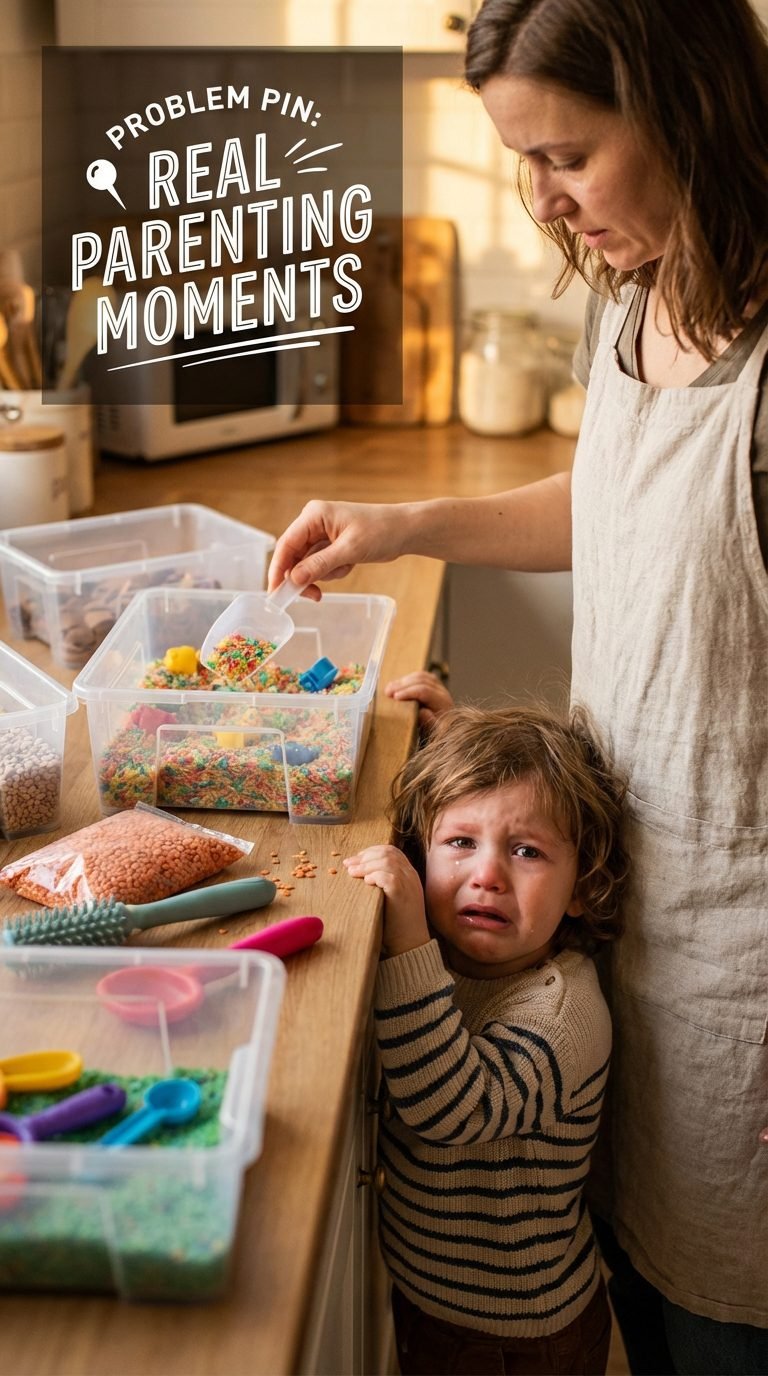
15 Easy Sensory Bins are a fantastic way to keep your little ones engaged. As a parent, I know how challenging it can be to find activities that hold a toddler’s attention. These sensory bins not only entertain but also promote development and creativity, making them a win-win for busy parents. If you’re looking for kitchen sensory activities toddlers, the ideas below are a great place to start.
In this article, I will share 15 simple sensory bin ideas that are safe for 1-year-olds and can keep them busy for at least 30 minutes. You’ll find ideas that require minimal setup and everyday household items.
1. Sensory Bin With Rice and Scoops — Keeps Toddlers Engaged
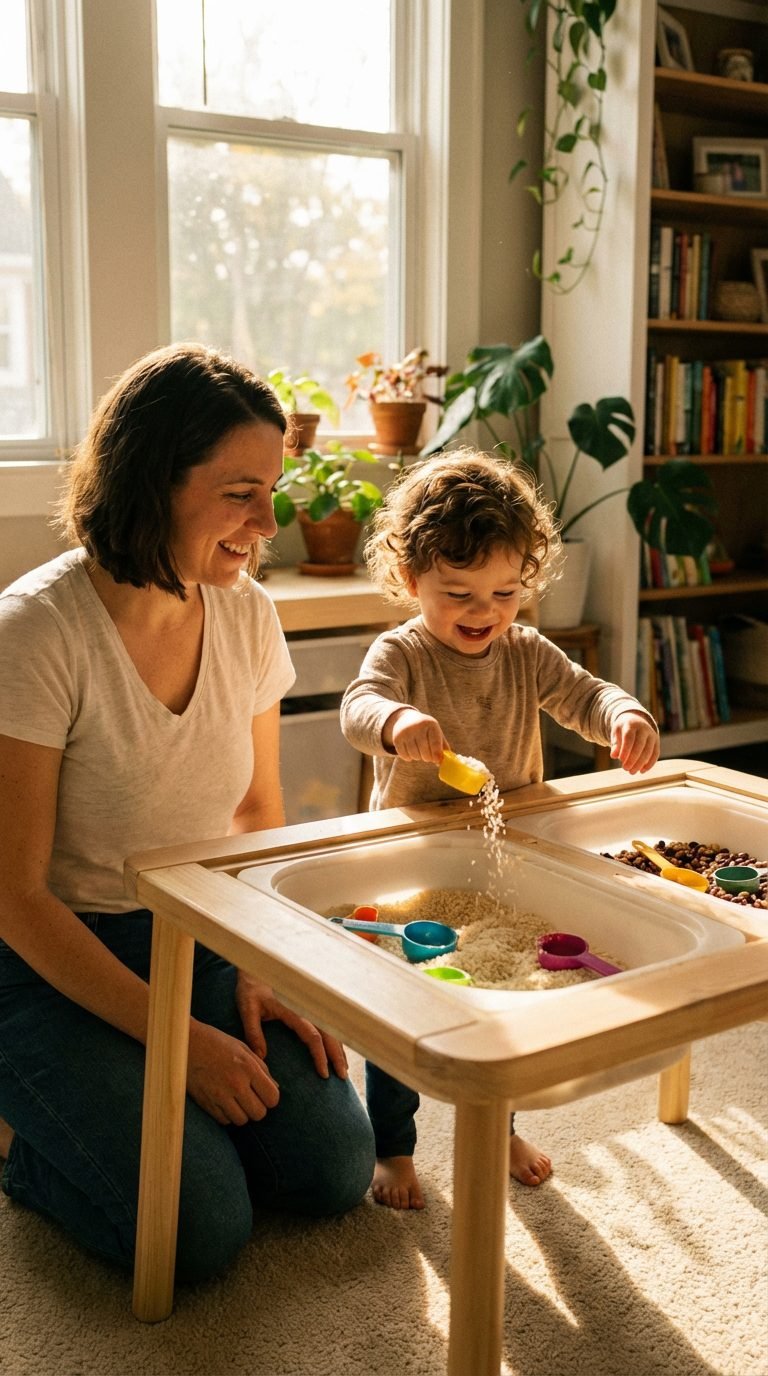
This sensory bin is a classic! Fill a plastic bin with dry rice and a few scoops. It’s perfect for toddlers who love to scoop and pour.
This activity works wonders when your child is restless and needs something calming to focus on. Show your child how to scoop rice into different containers, then step back and let them explore. It typically keeps toddlers aged 18 months to 4 years engaged for 30 to 45 minutes.
Pro tip: Hide small toys in the rice for a fun treasure hunt that extends playtime.
2. Colored Pasta Sensory Bin — Bright and Engaging
Colored pasta is visually appealing and serves as a great sensory material. It’s easy to make by boiling pasta with a few drops of food coloring.
This activity helps when your child needs a new distraction. Once you have the colored pasta, fill a bin and add cups or spoons for scooping. Kids aged 1 to 3 will love the vibrant colors and textures.
That said, results can vary from family to family. However, the core ideas here are flexible enough to adapt to most situations. In other words, start with what fits your routine best.
Pro tip: Add a few natural elements, like leaves or twigs, for added sensory exploration.
3. Water Beads Sensory Bin — A Unique Textural Experience
Water beads are squishy and provide a unique sensory experience for toddlers. They can be found in craft stores or online and are safe for little hands.
This bin is excellent for calming down a fidgety child. Fill a bin with water beads and let your toddler explore. They typically enjoy this activity for 30 minutes or longer.
Pro tip: Add small cups and spoons to encourage pouring and transferring.
4. Sand and Scoops — A Classic Outdoor Sensory Bin
Sand is a timeless sensory material that encourages creativity and exploration. Create a sensory bin by filling a container with sand and adding shovels and cups.
This is perfect for outdoor play in the backyard. It keeps toddlers engaged while they dig and build. Expect to see your child busy for 30 to 45 minutes.
Pro tip: Add small toys or vehicles for interactive play.
5. Sensory Bin With Water — Splashy Fun
A water sensory bin is refreshing and offers endless possibilities. Fill a large container with water and provide cups, spoons, and toys for floating.
For instance, some of these work better in the morning, while others suit afternoon energy levels. Additionally, adjusting the timing makes a noticeable difference for many parents.
This is excellent for hot days outside or when your child needs a calming activity. Supervise closely to ensure safety. Kids will typically play for around 30 minutes.
Pro tip: Add dish soap for extra bubbles, making the experience even more fun.
6. Foam Sensory Bin — Soft and Squishy
Foam pieces are soft and safe for toddlers. You can purchase foam shapes or use cut-up sponge pieces in a bin.
This is great for kids who enjoy tactile play. Fill a bin with foam and let your child explore. Expect around 30 minutes of focused play.
Pro tip: Add a few water toys or cups for pouring.
7. Soil and Garden Tools — Nature Sensory Bin
Soil provides a natural sensory experience. Fill a bin with soil and add small gardening tools for exploration.
This activity is perfect for curious toddlers who love nature. It helps them connect with the earth and can keep them busy for 30 minutes or more.
Pro tip: Include small plants or flowers to enhance the experience.
Furthermore, consistency tends to matter more than doing everything perfectly. As a result, even applying one or two of these ideas regularly can produce real change over time.
8. Shaving Cream Sensory Bin — Silky and Fun
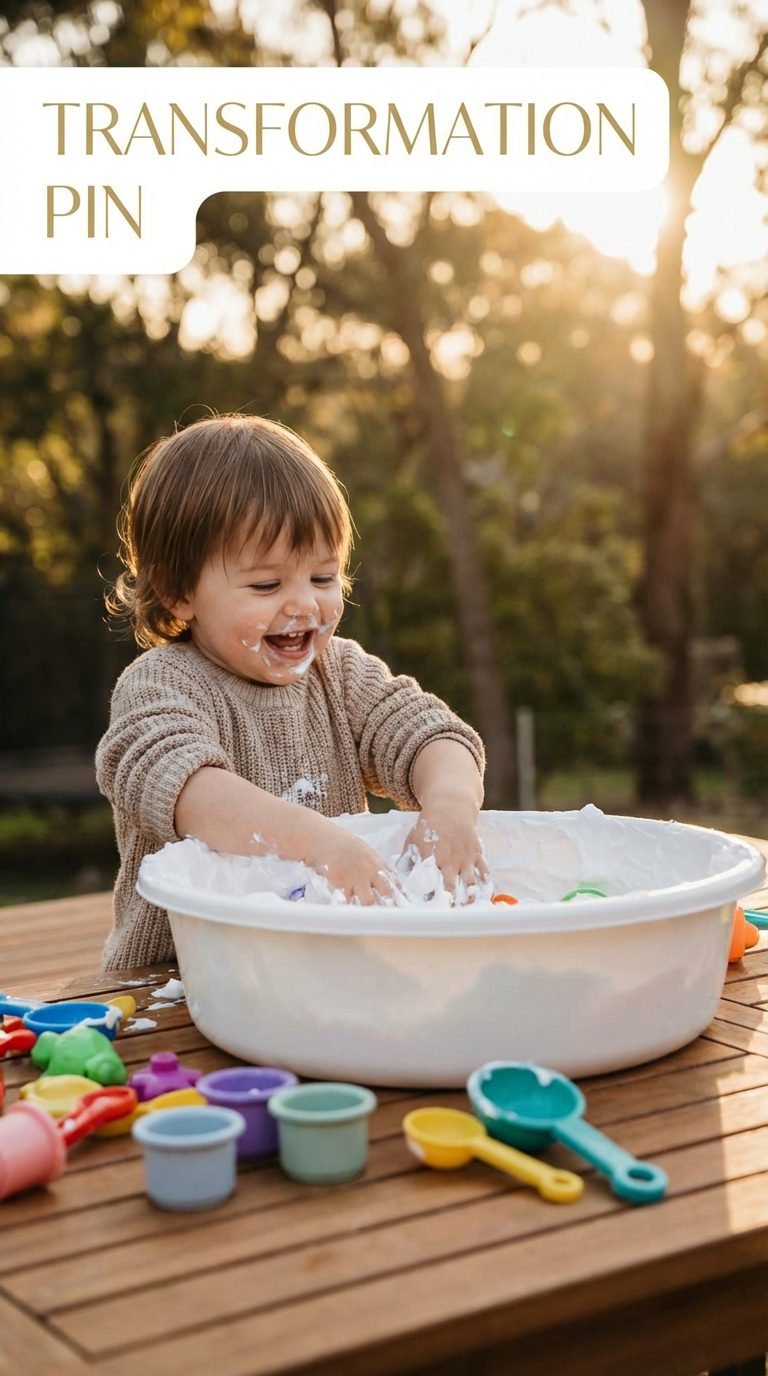
Shaving cream is an affordable sensory material that provides a unique texture. Just fill a bin with shaving cream and let your child explore.
This is great for messy play but requires supervision. Kids aged 1 to 3 will enjoy this for about 30 minutes.
Pro tip: Add food coloring for extra fun and visual stimulation.
9. Oatmeal Sensory Bin — Edible Fun
Oatmeal is safe and edible, making it a perfect sensory material for young toddlers. Fill a bin with dry oatmeal and provide scoops.
This is great for toddlers who might taste their materials. They can enjoy this for around 30 minutes while exploring.
Pro tip: Mix in some dried fruits for added texture and fun.
10. Sensory Bin With Cornmeal — Unique and Engaging
Cornmeal is another great sensory material. It’s soft and provides a different texture for toddlers to explore.
This is perfect for a calming activity when your child is restless. Set up the bin and let them dig in. Expect about 30 minutes of play.
Meanwhile, every child brings different needs to the table. Nevertheless, the approaches listed here have worked across a wide range of ages and temperaments.
Pro tip: Add small cups for pouring and transferring.
11. Ice Sensory Bin — Cool and Fun
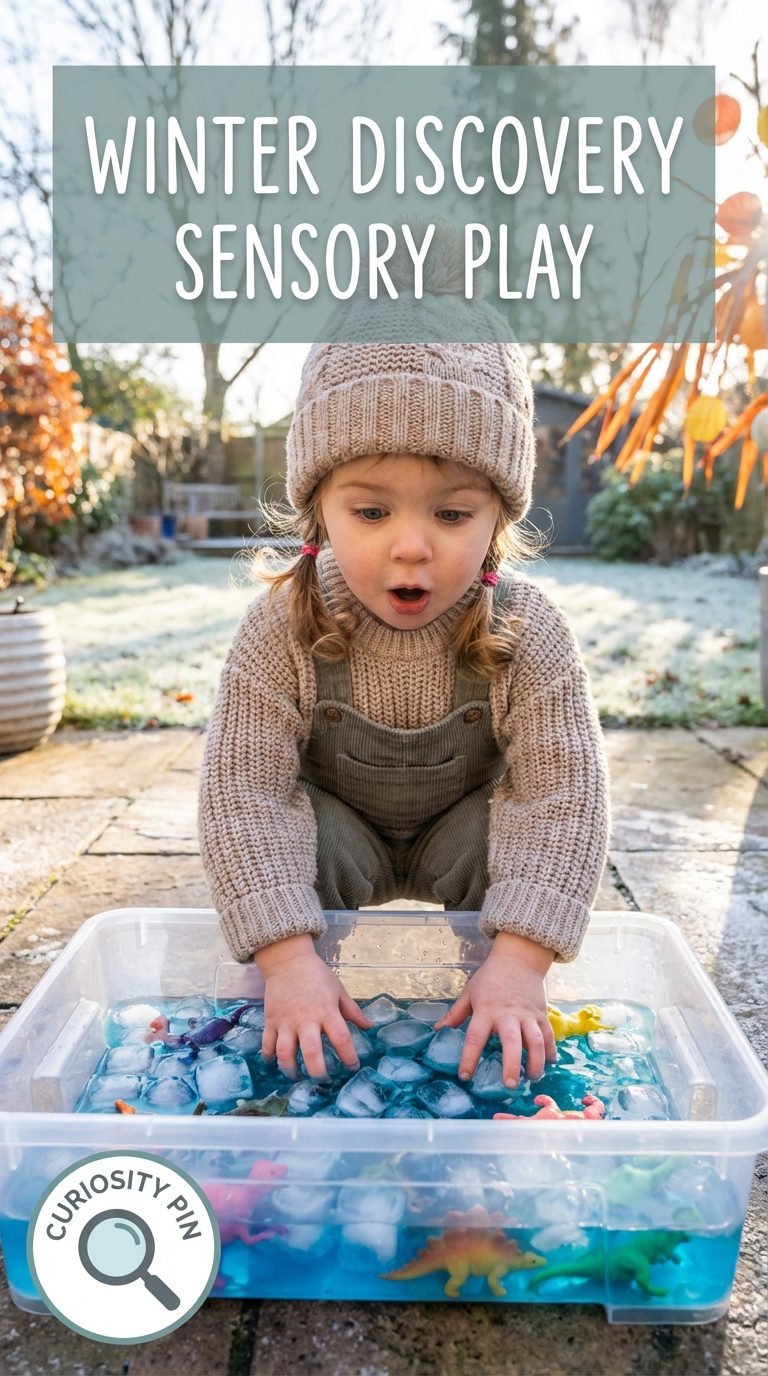
An ice sensory bin is a fantastic way to explore textures and temperatures. Fill a bin with ice cubes and provide cups for melting.
This is great for hot days and keeps toddlers engaged while they explore. They typically enjoy this for 30 minutes or more.
Pro tip: Add small toys that can float for extra fun.
12. Sensory Bin With Marbles — Rolling and Exploring
Marbles are smooth and provide a unique sensory experience. Fill a bin with marbles and let your child explore.
This is perfect for older toddlers who can handle small items. It keeps them busy for around 30 minutes.
Pro tip: Include cups for sorting and transferring.
13. Sensory Bin With Leaves — Nature Exploration
Using leaves in a sensory bin connects toddlers with nature. Fill a bin with leaves and provide small sticks for exploration.
Moreover, fitting these ideas into a busy schedule is often easier than it first appears. Consequently, many parents find that small adjustments lead to meaningful improvements fairly quickly.
This is a great way to encourage outdoor play. Kids will typically enjoy this for 30 minutes or more.
Pro tip: Include magnifying glasses for close-up exploration.
14. Sensory Bin With Cotton Balls — Soft and Fun
Cotton balls are soft and can be used for various sensory activities. Fill a bin with cotton balls and provide cups for sorting.
This is great for quiet playtime. Expect about 30 minutes of engagement from toddlers.
Pro tip: Add a few drops of essential oil for a calming scent.
15. Sensory Bin With Beans — Healthy and Engaging
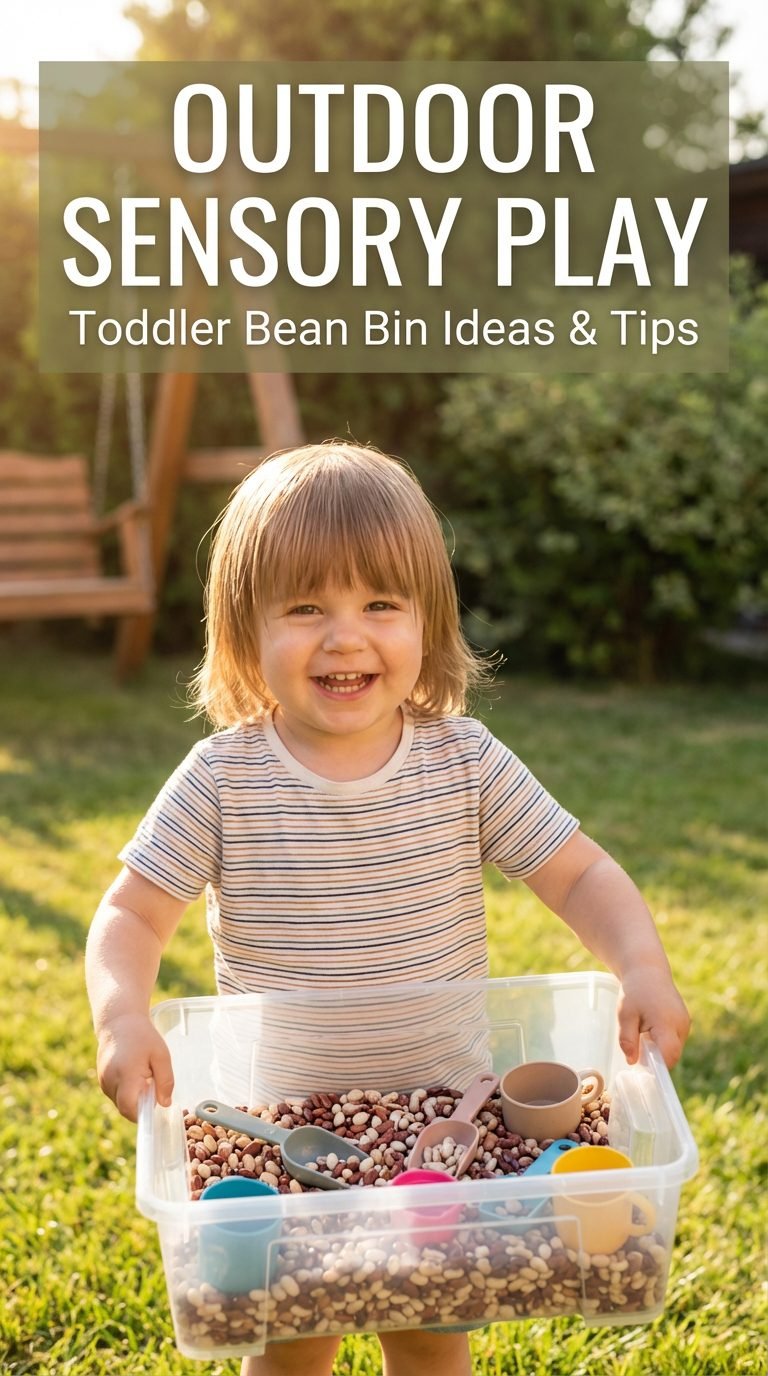
Beans are a great sensory material that is safe and engaging. Fill a bin with dried beans and provide scoops for pouring.
This is excellent for fine motor skill development. Kids usually enjoy this for 30 minutes or more.
Pro tip: Mix different types of beans for added texture and visual appeal.
In conclusion, I recommend starting with the rice sensory bin. It’s simple, engaging, and provides a calming experience for both you and your child. Remember, it’s okay if things get a bit messy — that’s part of the fun! For more family activity ideas on Simple Family Everyday, check out our blog for inspiration.
For more evidence-based guidance, visit CDC Child Development.
Learn more: child development. For more ideas, check out parenting tips and expert advice. Learn more: child development. Learn more: child development. Learn more: child development. Learn more: child development.