What to Say When Kids Have Tantrums (Positive Discipline Script)
[SEO_META]
SEO_TITLE: What to Say When Kids Have Tantrums: Simple Scripts
FOCUS_KEYWORD: What to Say When Kids Have Tantrums
SLUG: what-to-say-kids-tantrums
META_DESCRIPTION: Feeling overwhelmed by meltdowns? Discover exactly what to say when kids have tantrums with positive discipline scripts. Turn chaos into calm, one powerful phrase at a time.
EXCERPT: Tantrums are tough, but you’re not alone. Learn practical, positive discipline scripts for what to say when kids have tantrums, transforming frustration into connection.
[END_SEO_META]
You’re standing in the grocery store, or maybe it’s just your living room. Your child is mid-meltdown, and you feel that familiar wave of overwhelm wash over you. It’s tough to know what to say when kids have tantrums, especially when your own patience is wearing thin.
However, there’s a better way than yelling, giving in, or feeling defeated. This article will help you navigate your child’s big emotions with calm, confidence, and connection, replacing reactive responses with powerful, positive discipline scripts that actually work. Are you ready to transform those challenging moments?
Understanding the “Why”: Why Kids Have Tantrums (and What to Say)
It’s easy to feel like tantrums are personal attacks. Yet, understanding the root causes can shift your perspective entirely. Children aren’t trying to be difficult; they’re genuinely struggling with big feelings.
Their brains are still developing, especially the prefrontal cortex responsible for emotional regulation. Therefore, they lack the tools to express frustration or sadness constructively. This is why kids have tantrums, and it’s also why what you say matters so much.
Research shows that the average toddler has 1-9 tantrums per week, lasting anywhere from 1 to 15 minutes. This is a normal part of child development, not a sign of bad parenting. -> Source: American Academy of Pediatrics – Developmental milestones in early childhood.
The Brain Science Behind Meltdowns
When a child is having a tantrum, their “fight or flight” response is activated. Logic and reason are completely out the window. This means trying to reason with them mid-meltdown is often futile.
Instead, your goal is to help them feel safe and understood. This co-regulation helps calm their nervous system. Consequently, they can then begin to process their emotions more effectively.
The Power of Connection: How to Handle Toddler Meltdowns Calmly
When your child is screaming, it’s natural to want to fix the problem or make it stop. However, the most effective first step is to connect. This doesn’t mean giving in to their demands.
It means acknowledging their feelings and offering your presence. A strong connection helps children feel secure, even when their world feels chaotic. Here’s how to handle toddler meltdowns calmly.
Connect Before You Correct
Before you can teach or set boundaries, you need to re-establish connection. This simple shift can dramatically change the dynamic of a tantrum. It helps your child feel seen, not dismissed.
Try these phrases to initiate connection:
- “I see you’re really upset right now.”
- “You are feeling so mad/sad/frustrated.”
- “This is really hard for you.”
- “I’m here with you.”
These simple statements validate their experience without condoning their behavior. They open the door for co-regulation, which is vital for emotional growth.
- ☐ Get down to their eye level.
- ☐ Use a calm, reassuring voice.
- ☐ Acknowledge their specific emotion.
- ☐ Offer a hug or comforting touch (if accepted).
- ☐ Wait for a slight pause before speaking more.
Essential Positive Discipline Scripts for Toddlers’ Big Feelings

Once you’ve connected, you can start to guide. These positive discipline scripts are designed to help your child understand their emotions and learn coping skills. They provide a framework for what to say when kids have tantrums.
Remember, consistency is key, but perfection isn’t the goal. Pick a few phrases that resonate with you and practice them often. You’ll be amazed at the difference they make.
Script 1: Naming the Emotion and Validating the Desire
This script helps your child identify what they’re feeling and acknowledges what they wanted. For example, if they want another cookie:
- “You are feeling so angry because you really want another cookie. It’s okay to feel angry.”
- “I know you wish we could stay at the park forever. It makes you sad to leave.”
After validating, gently state the boundary or reality. “But we only have one cookie today,” or “It’s time to go home now.”
-> Read more: Teaching Emotional Regulation to Young Children
Script 2: Offering Choices and Solutions
Sometimes, children feel a loss of control, which triggers a tantrum. Offering limited, acceptable choices can restore a sense of agency. This is a powerful tool for managing big emotions in preschoolers.
Consider these options:
- “You’re mad about putting on your shoes. Do you want to put on the red ones or the blue ones?”
- “It’s frustrating when your tower falls. Do you want to build it again, or would you like a hug first?”
Ensure the choices are genuine and ones you can live with. This prevents further power struggles.
Script 3: Focusing on What You Will Do
Instead of focusing on what they shouldn’t do, state what you will do. This sets a clear boundary with kindness. It’s a key part of effective phrases for child tantrums.
- “I can see you’re angry, and hitting hurts. I’m going to hold your hands gently until you feel calm.”
- “When you’re ready to use your quiet voice, I’ll be happy to listen.”
This approach maintains your authority while showing empathy. It teaches them that their feelings are okay, but certain actions are not.
Your calm presence is the most powerful tool during a tantrum. Children mirror our energy. By staying regulated yourself, you help them learn to regulate their own emotions over time.
When Words Aren’t Enough: What to Do When Tantrums Escalate
Sometimes, no matter what you say, the tantrum just intensifies. This is especially true when children are over-tired, hungry, or overstimulated. Knowing what to do when tantrums escalate is crucial.
In these moments, less is often more. Your physical presence and a safe space become paramount. Remember, you’re their anchor in the storm.
Creating a Safe Haven
If the tantrum is happening in a public place, try to move to a calmer, quieter area. At home, offer a “calm-down corner” or simply a quiet spot on the couch. This helps reduce external stimuli.
You might say, “It looks like you need a quiet space to feel better. Let’s go to your room/the couch.” This isn’t a punishment; it’s a helpful suggestion for self-regulation.
Physical Comfort and Presence
For some children, a hug or simply sitting close can be incredibly soothing. For others, touch might be too much. Observe your child’s cues.
You could offer, “I’m right here if you need a hug,” or “I’m going to sit here with you until you feel calm.” Your consistent, unwavering presence is a powerful message of love and security.
Trying to reason or negotiate with a child mid-tantrum. Their brain is not in a state to process logic. Instead, focus on connection and safety first, then address the issue once they are calm.
Beyond the Moment: Preventing Tantrums Before They Start
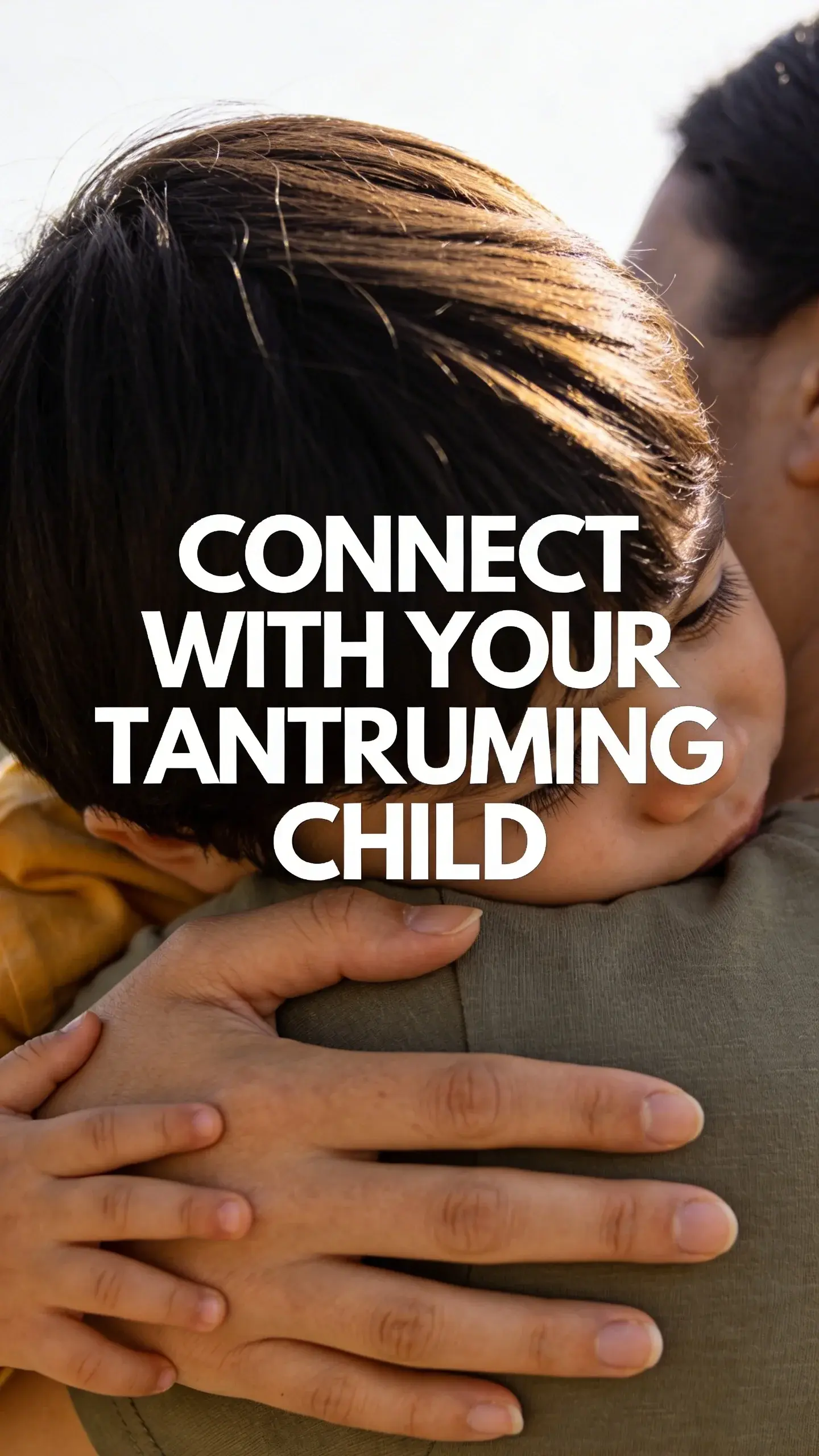
The best way to handle a tantrum is to prevent it from happening in the first place. While not all meltdowns are preventable, many can be avoided with proactive strategies. This involves understanding your child’s needs and environment.
Being proactive can significantly reduce the frequency and intensity of these outbursts. It’s about setting up success.
Anticipating Triggers and Meeting Needs
Think about when and where your child typically has tantrums. Is it when they’re hungry? Tired? Overstimulated? Once you identify these patterns, you can intervene early.
For example, always pack snacks for outings. Plan quiet time after busy activities. Ensure consistent sleep schedules. -> Source: Zero to Three – The developing brain and tantrum behavior.
Teaching Emotion Skills Proactively
Don’t wait for a tantrum to teach about feelings. Talk about emotions daily. Use books, games, and everyday situations to label feelings.
“That made Daddy sad,” or “You look happy playing with that toy.” This builds their emotional vocabulary. This preparation helps them use words instead of meltdowns. -> Read more: Tips for Preventing Toddler Meltdowns
Common Pitfalls: What NOT to Say When Kids Have Tantrums
Just as there are helpful phrases, there are also common reactions that can escalate a tantrum. Avoiding these can save you a lot of stress. Knowing what not to say when kids have tantrums is just as important as knowing what to say.
These responses often invalidate feelings or create power struggles. Let’s look at what to avoid.
Phrases to Avoid (and Why)
- “Stop crying!” or “Calm down!”: These phrases dismiss their feelings and tell them their emotions are wrong. This can lead to shame and suppressed feelings.
- “If you don’t stop, I’ll give you something to cry about.”: This uses fear and punishment, which can damage your relationship and teach children to hide their emotions.
- “You’re acting like a baby.”: This shames them and compares them negatively. It doesn’t help them learn to cope.
- “Fine, you can have it!”: Giving in consistently teaches them that tantrums are effective tools for getting what they want. This reinforces the behavior.
Instead, focus on empathy and clear boundaries. Your response shapes their understanding of emotions and boundaries.
Building Resilience: Long-Term Strategies for Managing Kids’ Tantrums
Positive discipline isn’t just about managing the moment; it’s about building long-term resilience. Every tantrum is an opportunity to teach. By consistently applying these strategies, you’re equipping your child with vital life skills.
This approach helps them develop emotional intelligence. Managing kids’ tantrums effectively contributes to their overall well-being and your family’s peace.
Empowering Self-Regulation
As children grow, you want them to move from co-regulation to self-regulation. Encourage them to use calming strategies. Suggest deep breaths, counting, or squeezing a stress ball.
You might say, “When you feel those big feelings, what helps you feel better?” This empowers them to find their own solutions. It’s a gradual process, so celebrate small wins.
Repairing and Reconnecting After the Storm
Once the tantrum subsides, take a moment to reconnect. A simple hug or a quiet chat can strengthen your bond. This is crucial for repairing any emotional rupture.
“We both had a hard time just now, but we got through it. I love you.” This reinforces that your love is unconditional, even during difficult moments. -> Read more: Reconnecting After a Difficult Moment
Frequently Asked Questions About What to Say When Kids Have Tantrums
What should you say when kids have tantrums?
When kids have tantrums, start by validating their feelings. Say things like, “I see you’re feeling really mad right now,” or “This is so frustrating for you.” Then, calmly state boundaries or offer acceptable choices.
How do you respond to a child having a tantrum in public?
In public, try to move to a quieter area first. Then, use the same calm, connecting language. Focus on your child, not the onlookers, and offer comfort or a change of scenery to help them regulate. Your presence is key.
What are some positive discipline scripts for tantrums?
Effective scripts include: “You want [item], but we can’t have it right now. That’s disappointing,” or “I’m here with you while you feel sad.” Also, offer choices like, “Do you want to hold my hand or walk by yourself?”
Why do kids have tantrums, and what can parents say?
Kids have tantrums because their brains are still developing, making emotional regulation difficult. Parents can say empathetic phrases that acknowledge feelings, set clear boundaries, and offer comfort. This helps them learn to cope.
When should you ignore a tantrum, and what should you say?
Ignoring a tantrum is best when it’s purely for attention and not rooted in genuine emotional distress. In such cases, you can say, “I’ll be in the kitchen when you’re ready to talk calmly.” Always ensure safety first, then disengage from the performance. This teaches them that calm communication is more effective than a tantrum.
Can positive discipline really help with kids’ tantrums?
Yes, positive discipline is highly effective for kids’ tantrums. It teaches children to understand and manage their emotions, develop problem-solving skills, and feel connected to their caregivers. This approach builds a strong foundation for long-term emotional intelligence, making what to say when kids have tantrums a powerful tool.
Embracing the Journey of Managing Kids’ Tantrums
Ultimately, positive discipline offers a roadmap for those overwhelming moments. It’s about seeing tantrums not as defiance, but as a cry for help and connection. You have the power to respond with empathy and strength.
Imagine evenings that feel a little calmer, mornings with fewer tears, and a stronger bond with your child. This isn’t a fantasy; it’s the result of consistent, compassionate responses. You can transform your family’s daily life.
So, take a deep breath, choose one script, and try it today. You’ll be amazed at the difference it makes in knowing what to say when kids have tantrums and how it brings you closer. For more ideas, check out parenting tips and expert advice.