62 Screen-Free Activities for Preschoolers (After School) Win
Do you ever feel that familiar pang of parent guilt when your preschooler immediately asks for a screen after school? You’re not alone. Many parents struggle with the after-school screen time dilemma, feeling overwhelmed by the thought of finding fresh, engaging activities.
However, imagine evenings filled with laughter and learning, not screen-time negotiations. This article promises to help you turn chaotic after-school hours into calmer, more connected routines with 62 screen-free activities for preschoolers after school. Ready to discover simple, joyful ways to engage your little one?
Why Screen-Free Afternoons Matter for Little Ones
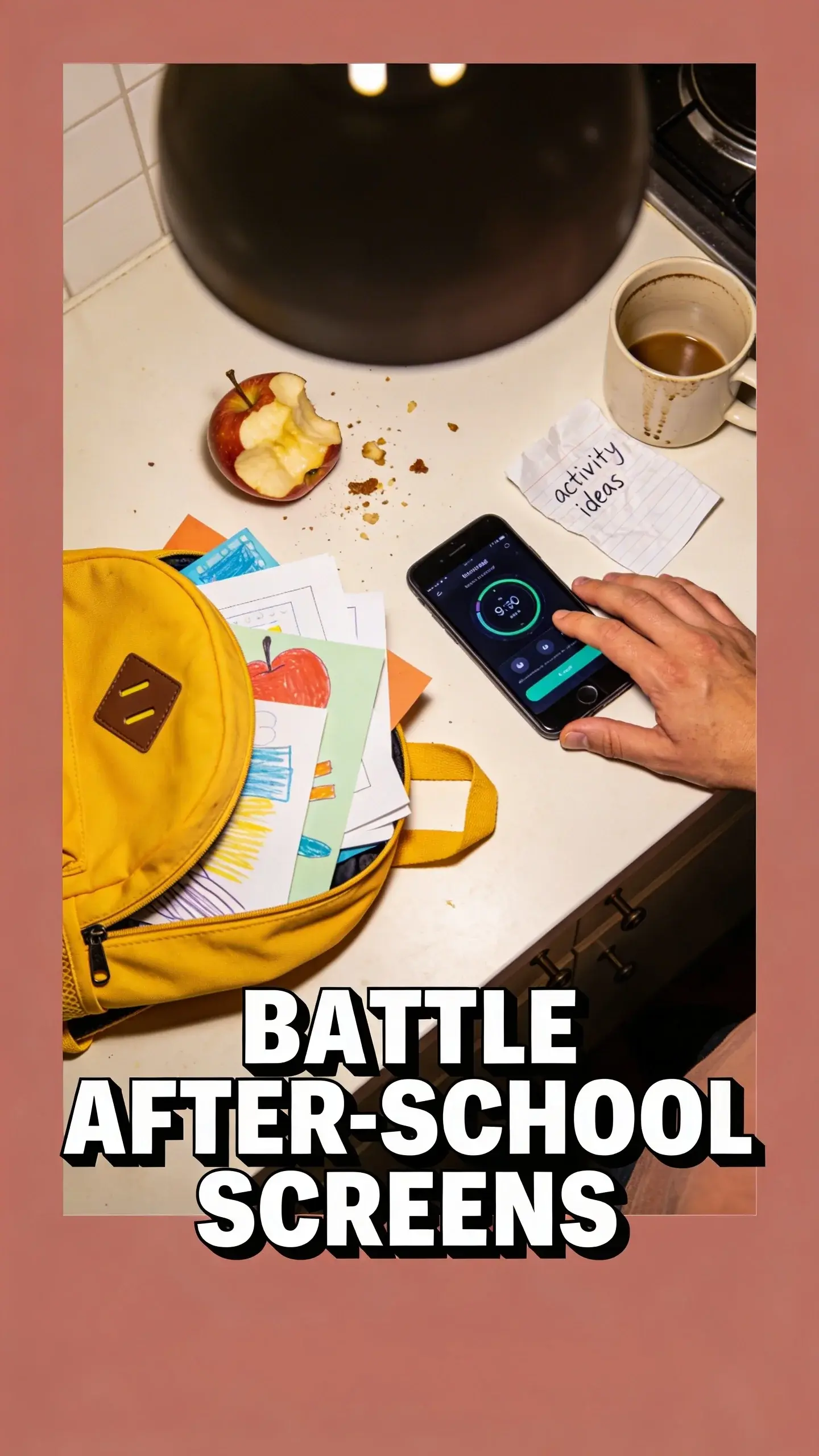
It’s easy to fall into the screen time trap, especially after a long day. We all do it. However, reducing screen time offers huge benefits for your preschooler’s overall development. Screen-free play is vital for their growing brains and bodies.
When children engage in imaginative play, for instance, they build crucial cognitive development skills. They learn problem-solving and creative expression. Furthermore, less screen time means more opportunities for physical activity and social interaction. These experiences are fundamental for healthy childhood growth.
The American Academy of Pediatrics recommends limiting screen use for children ages 2 to 5 years to no more than 1 hour per day of high-quality programming. Source: American Academy of Pediatrics – Media and Young Minds.
Setting the Stage for Success: After School Routine Ideas Without Screens
Transitioning from school or daycare to home can be tricky. It’s often when the “Can I watch TV?” question first appears. Establishing clear after school routine ideas without screens can make a world of difference. A predictable routine helps preschoolers feel secure and know what to expect.
Consider a “decompression” period first. Your child might need some quiet time to unwind. Then, offer a snack and move into a chosen activity. This structure reduces anxiety and sets positive expectations for screen-free engagement.
Many parents immediately offer screens to keep kids occupied while they prepare dinner. Instead, try involving them in a simple kitchen task or setting up a quick sensory bin. This shifts the expectation to active engagement.
Creating a “Landing Strip” for Afternoons
Designate a specific spot for backpacks and shoes. This simple act signals the transition from outside to home. Then, have a small, inviting activity ready to go. A basket of blocks or a drawing pad can be very welcoming.
Furthermore, involve your child in choosing the activity. Offering two good screen-free options gives them a sense of control. This active participation increases their buy-in and makes the transition smoother.
Indoor Adventures: Easy Screen-Free Activities for 3-Year-Olds & Up
Rainy days or tired evenings don’t mean boredom. There are so many easy screen-free activities for 3-year-olds and older preschoolers. These indoor screen-free activities for preschoolers can be both calming and stimulating. They don’t require elaborate setups or expensive toys.
In fact, often the simplest ideas are the most engaging. Think about activities that encourage independent play or offer opportunities for connection. You might be surprised by what captures their attention.
Sparking Creativity: DIY Screen-Free Fun for Toddlers
Unleash your child’s inner artist with these engaging ideas:
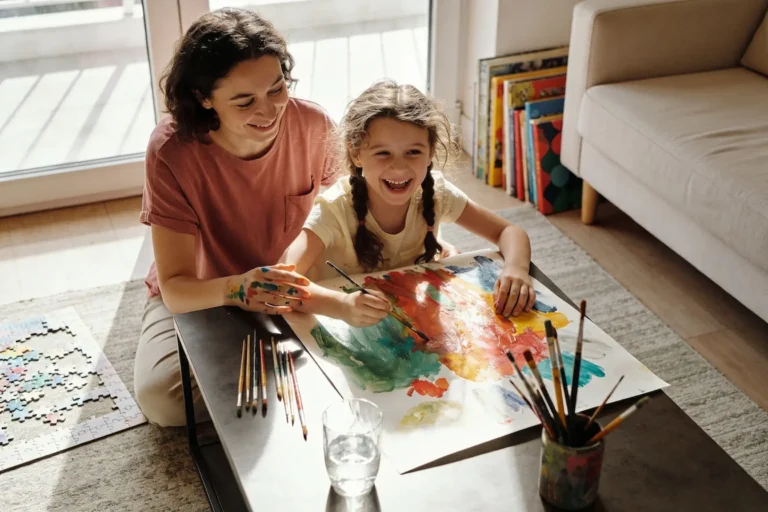
- Finger Painting with Yogurt: Use plain yogurt and food coloring for edible art.
- Box Creations: Transform old cardboard boxes into cars, houses, or robots.
- Playdough Masterpieces: Make homemade playdough and add natural elements like leaves or sticks.
- Collage Art: Gather scraps of paper, fabric, and glue for a tactile art project.
- Window Art: Use washable window markers to draw on glass.
These activities foster fine motor skills and imaginative play. Moreover, they use materials you likely already have at home.
Quiet Time Wonders: Preschooler Activity Ideas for Quiet Time
Sometimes, a calmer pace is exactly what’s needed. Here are some screen-free activities for preschoolers that encourage quiet focus:
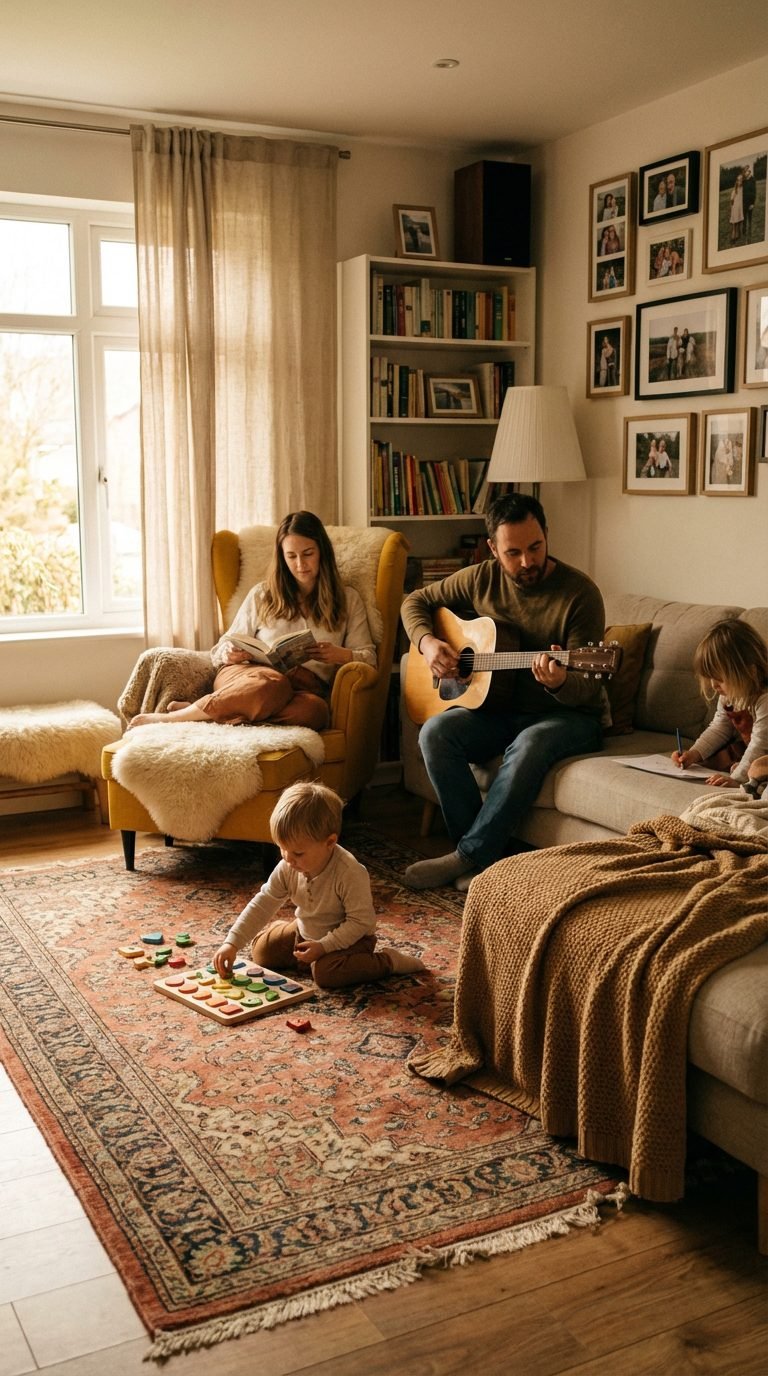
- Puzzles: Age-appropriate puzzles challenge problem-solving skills.
- Building Blocks: Wooden blocks or LEGO DUPLOs offer endless construction possibilities.
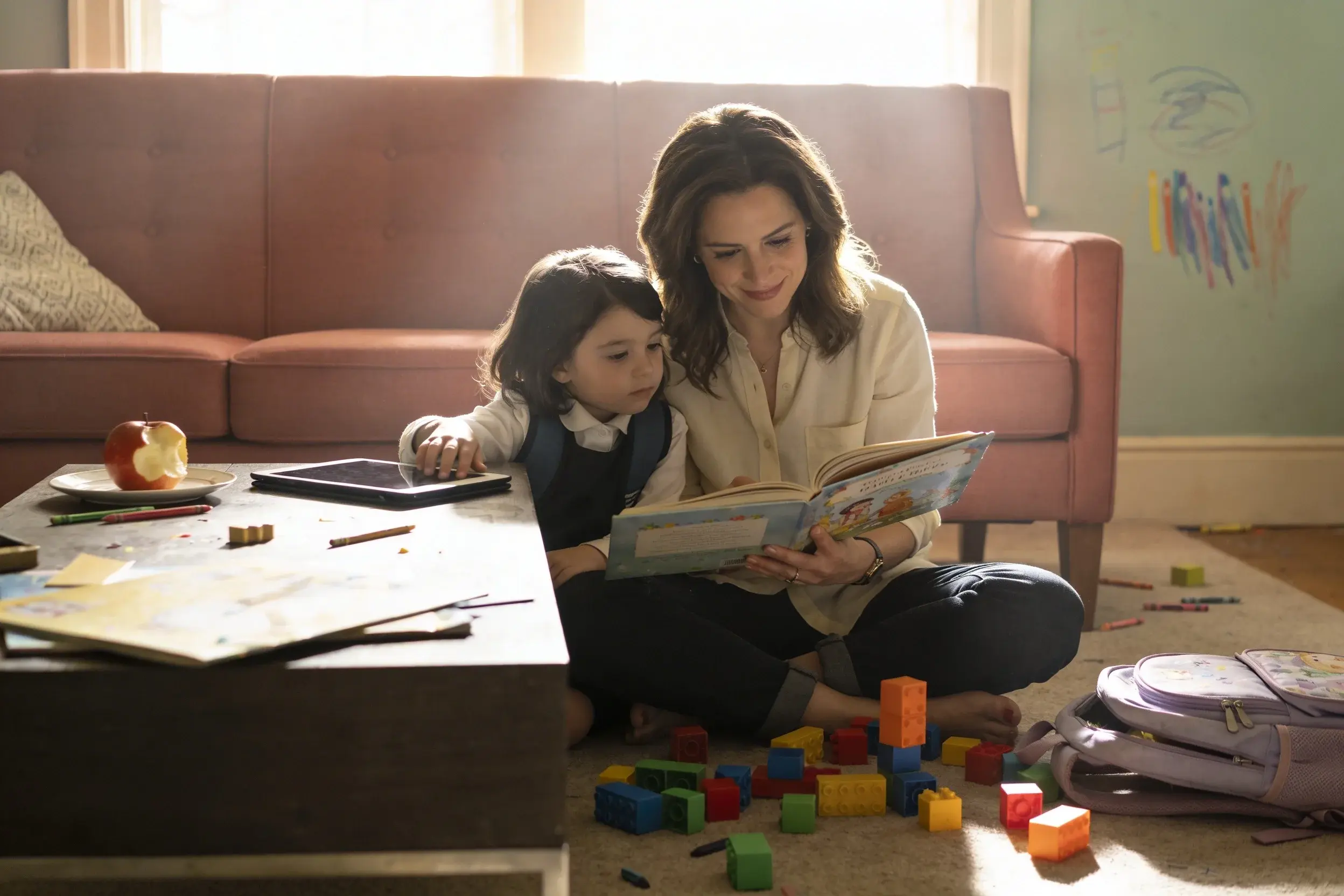
- Reading Nook: Snuggle up with books or let them “read” independently.
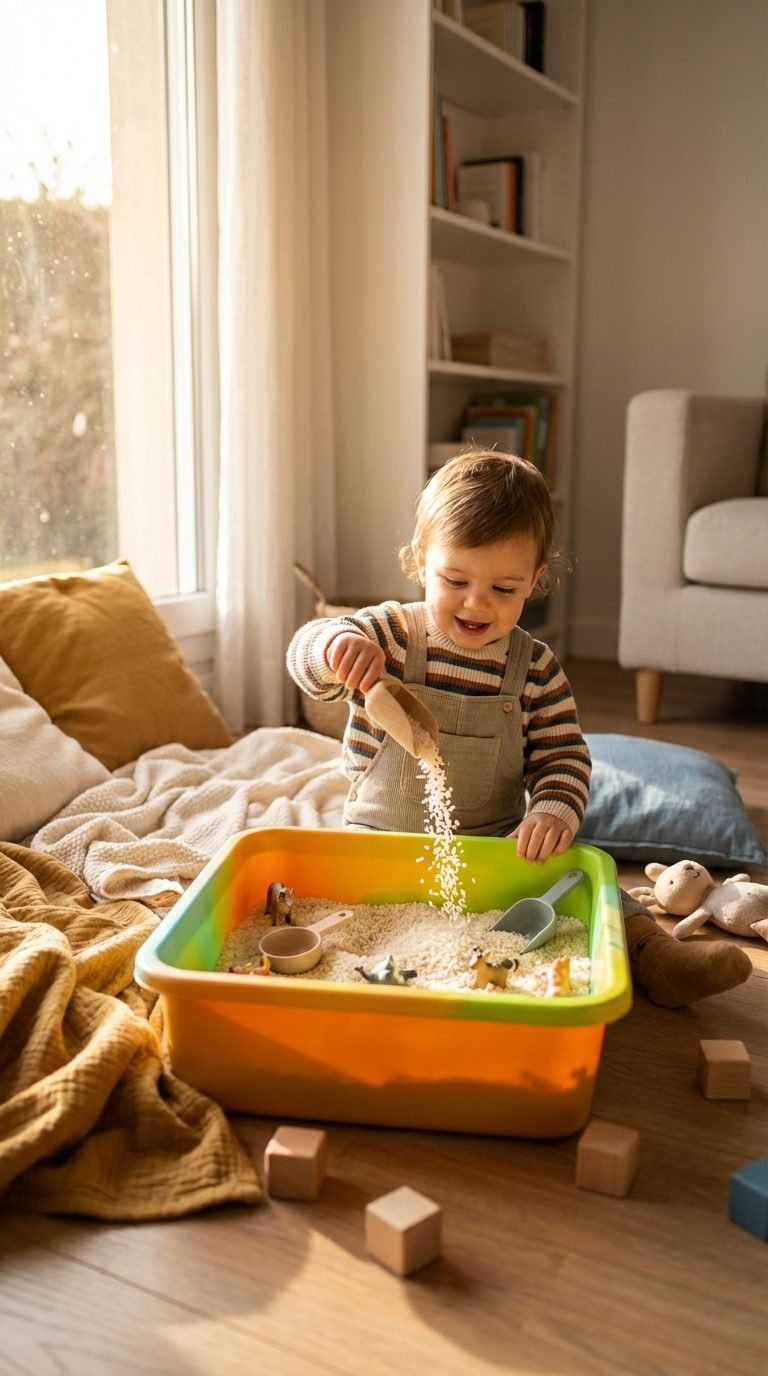
- Sensory Bins: Fill a bin with rice, beans, or water beads and small toys.
- Sticker Books: These are great for developing fine motor control and concentration.
These activities provide a peaceful transition after a busy day. They also allow for independent exploration and focus.
- ☐ Have art supplies readily accessible.
- ☐ Keep a basket of blocks or open-ended toys.
- ☐ Rotate toys to keep them fresh and exciting.
- ☐ Create a cozy reading corner.
- ☐ Involve them in simple household tasks.
Outdoor Explorations: Engaging Screen-Free Ideas for 4-Year-Olds
Fresh air and movement are incredible boredom busters. Engaging screen-free ideas for 4-year-olds often involve getting outside. Outdoor screen-free games for little ones boost gross motor skills and connect them with nature. Even a short time outdoors can improve mood and energy levels.
Consider your backyard, a nearby park, or even just a walk around the block. The possibilities for discovery are endless. Nature provides a rich sensory experience that screens simply cannot replicate.
- Nature Scavenger Hunt: Create a simple list of items to find, like a smooth rock or a green leaf.
- Backyard Obstacle Course: Use pillows, hula hoops, and blankets for a fun challenge.
- Water Play: A tub of water with cups and toys is always a hit on warmer days.
- Bubble Fun: Chasing and popping bubbles is a classic for a reason.
- Gardening: Let them help plant seeds or water existing plants.
These activities encourage physical activity and foster a love for the outdoors. They also provide excellent opportunities for family bonding.
Unstructured outdoor play is crucial for developing risk assessment, creativity, and problem-solving skills. Giving children freedom to explore their environment fosters resilience and independence. Source: National Wildlife Federation – The Benefits of Time in Nature.
Tackling Screen Time Battles: How to Reduce Screen Time for Preschoolers
Let’s be honest: reducing screen time can feel like a battle. Many parents wonder exactly how to reduce screen time for preschoolers without constant arguments. The key is consistency, clear boundaries, and offering compelling alternatives. Your child isn’t being “bad” by asking for screens; they’re simply seeking entertainment.
Therefore, it’s our job to guide them toward healthier options. Remember, you’re setting them up for a lifetime of engaging, active play. This is a gift you’re giving them.
- Set Clear Rules: Establish specific times or days for screen use, and stick to them.
- Offer Choices: Instead of “no screens,” say “would you like to build blocks or play outside?”
- Lead by Example: Reduce your own screen time when with your child.
- Create a “Boredom Jar”: Fill a jar with slips of paper listing screen-free activities for preschoolers.
- Validate Feelings: Acknowledge their disappointment, then redirect to a fun activity.
Consistency is paramount here. It takes time for new habits to form. Be patient with both your child and yourself. [-> Read more: effective discipline strategies for preschoolers]
Learning Through Play: Screen-Free Learning Activities for Home
Learning doesn’t stop when school ends. In fact, some of the most profound learning happens through play. Screen-free learning activities for home can seamlessly integrate educational concepts into everyday fun. These activities support early childhood education goals without feeling like “schoolwork.”
From developing early literacy skills to exploring basic science, play is the ultimate teacher. Furthermore, these experiences often involve family bonding, making learning even more impactful.
- Alphabet Hunt: Find objects around the house that start with a specific letter.
- Counting Games: Count toys, steps, or even pieces of fruit at snack time.
- Science Experiments: Simple kitchen science like baking soda volcanoes or floating/sinking experiments.
- Storytelling: Take turns adding sentences to create a silly story.
- Shape Sorting: Use blocks or cut-out shapes to sort by color, size, or form.
These playful approaches build foundational skills. They also encourage curiosity and a love for discovery.
Quick & Easy: Screen-Free Options for Busy Parents
Let’s face it, some days you’re just too tired for an elaborate setup. That’s perfectly normal. Luckily, there are plenty of quick screen-free options for busy parents. These activities require minimal preparation but still offer engaging play. They are perfect for those moments when you need a few minutes to yourself, or just a simple way to connect.
Remember, even five minutes of focused play can make a difference. Don’t feel pressured to be “on” all the time. Simple is often best.
- Dance Party: Put on some music and just move.
- “I Spy” Game: A classic game that can be played anywhere, anytime.
- Cloud Gazing: Lay down outside and find shapes in the clouds.
- Shadow Puppets: Use a flashlight and your hands for a simple show.
- Sing Songs: Nursery rhymes or silly songs are always fun.
These quick ideas prove that meaningful engagement doesn’t always require extensive planning. Sometimes, spontaneity is the best approach. [-> Read more: managing parent burnout]
Thinking every activity needs to be “educational” or perfectly executed. Sometimes, just letting them engage in independent play with simple materials is exactly what they need for creative expression and boredom busting.
More Engaging Screen-Free Activities for Preschoolers (The Full List!)
You asked for 62 screen-free activities for preschoolers after school, and here they are! This comprehensive list gives you a huge variety of options. Mix and match these ideas to keep things fresh and exciting. Remember to follow your child’s lead and have fun!
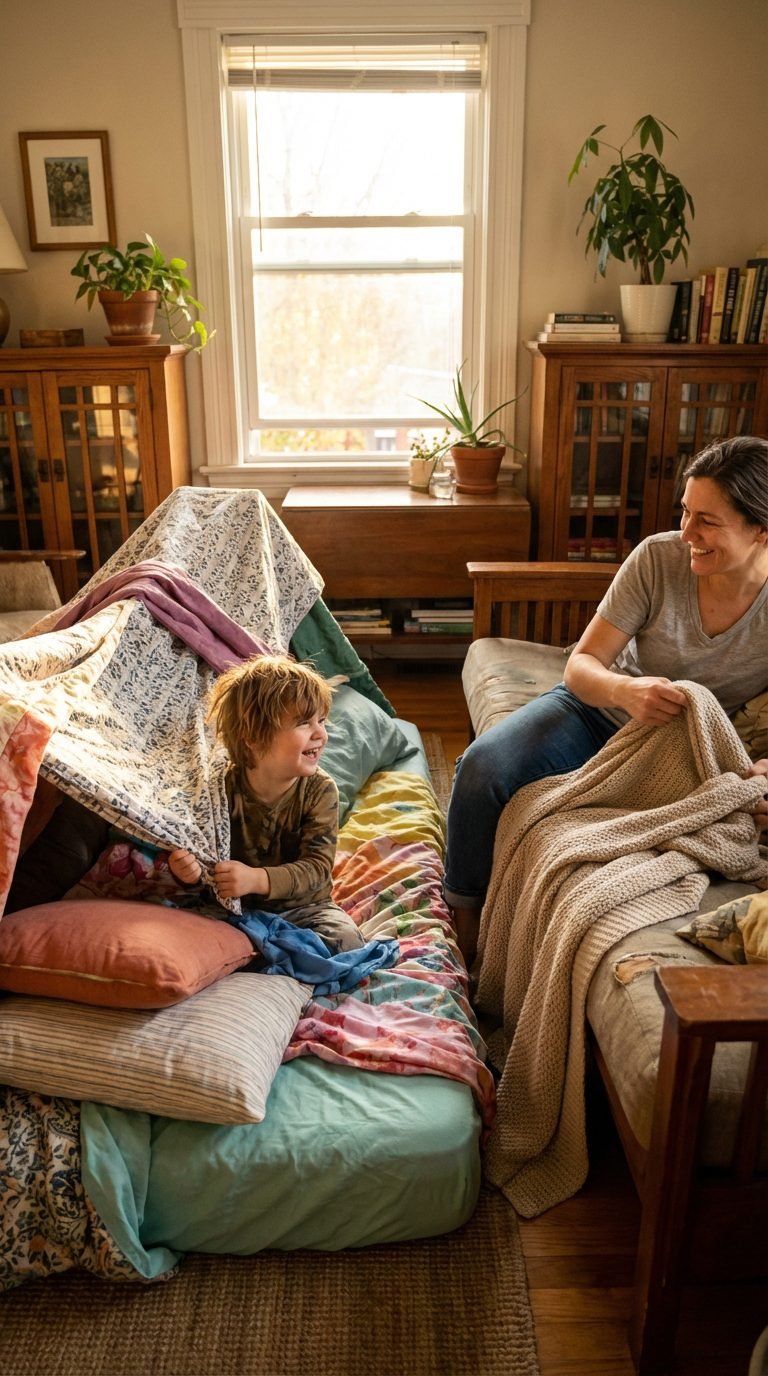
1. Build a Fort: Use blankets, chairs, and pillows.
2. Play Dress-Up: Use old clothes or costumes.
3. Water Table Play: Great for sensory exploration.
4. Bake Together: Simple recipes like cookies or muffins.
5. Nature Walk & Collect: Find leaves, sticks, or flowers.
6. Puppet Show: Make puppets from socks or paper bags.
7. Play Simon Says: A classic game for listening skills.
8. Create a Sensory Bin: Use rice, pasta, or water beads.
9. Magnets on the Fridge: Explore shapes and colors.
10. Sorting Toys: By color, size, or type.
11. Playdough or Clay: Boosts fine motor skills.
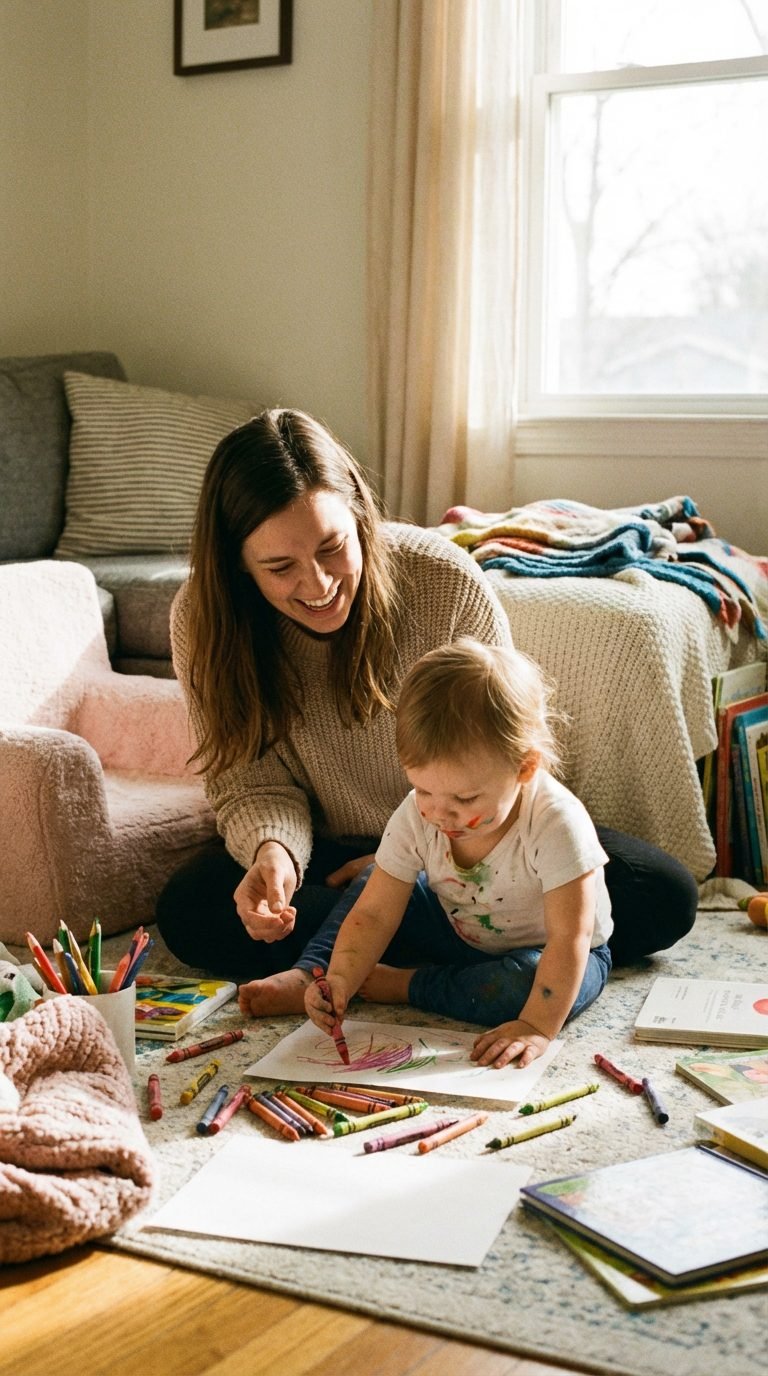
12. Drawing & Coloring: Always a good go-to.
13. Sticker Books: Engaging and develops hand-eye coordination.
14. Puzzles: Age-appropriate challenges.
15. Building Blocks: LEGO DUPLOs or wooden blocks.
16. Read Books: Snuggle up and read together.
17. Listen to Audiobooks: Great for quiet time.
18. Play with Cars/Trucks: Create ramps and roads.
19. Dollhouse Play: Encourages imaginative scenarios.
20. Play with Stuffed Animals: Host a tea party.
21. “I Spy” Game: Simple and engaging.
22. Hide and Seek: Classic fun.
23. Dance Party: Put on some music and move.
24. Sing Songs & Nursery Rhymes: Boosts language.
25. Finger Painting: Messy fun for creative expression.
26. Play with Water & Cups: Simple kitchen sink fun.
27. Bubble Blowing: Always a hit outdoors.
28. Sidewalk Chalk Art: Brighten up the driveway.
29. Play in a Sandbox: Digging and building.
30. Water the Garden: A simple chore can be fun.
31. Collect Rocks & Paint Them: Creative outdoor art.
32. Go for a Bike/Scooter Ride: Get some energy out.
33. Play Catch or Kickball: Develops gross motor skills.
34. Jump on a Trampoline: If you have one, it’s great fun.
35. Visit a Playground: Swings, slides, and climbing.
36. Build a Tower: With any household items.
37. Play with Flashlights: Make shadow puppets.
38. Create a “Restaurant”: Serve pretend food.
39. Play Doctor/Vet: With stuffed animals or dolls.
40. Laundry Basket Ride: Pull them around in a basket.
41. Make Paper Airplanes: Then fly them.
42. Simple Board Games: Like Candy Land or Chutes and Ladders.
43. Card Games: Go Fish or Memory.
44. Play with Play Silks: Versatile for imaginative play.
45. Make a Cereal Necklace: Develops fine motor skills.
46. Pom-Pom Drop: Drop pom-poms through a tube.
47. String Beads: A calming fine motor activity.
48. Water Painting: “Paint” with water on sidewalks or fences.
49. Leaf Rubbings: Place leaves under paper and rub with crayons.
50. Cloud Gazing: Find shapes in the clouds.
51. Sensory Walk: Walk barefoot on grass, carpet, or sand.
52. Play with Shaving Cream: On a tray for sensory fun.
53. Make Music: Use pots, pans, and spoons.
54. “Follow the Leader” Game: Indoors or outdoors.
55. Balloon Batting: Hit a balloon with hands or a soft bat.
56. Make a Family Photo Album: Look at pictures and talk.
57. Simple Chores: Help with laundry or setting the table.
58. Play with Felt Boards: Create stories with felt shapes.
59. Make a “Car Wash” for Toys: With soap and water.
60. Create a “Treasure Hunt”: Hide a toy and give clues.
61. Play with Rice or Pasta: In a bin with scoops and cups.
62. Practice Yoga/Stretching: Simple poses for little bodies.
This extensive list provides countless ways to fill after-school hours with joy. Remember to rotate activities to keep them exciting. Moreover, don’t be afraid to let your child lead the play sometimes.
Frequently Asked Questions About Screen-Free Activities for Preschoolers
What are some easy screen-free activities for preschoolers after school?
Easy screen-free activities for preschoolers after school include building with blocks, drawing, reading books, or playing outside. Simple sensory bins with rice or water are also great. These options require minimal setup and engage young children effectively.
How can I encourage screen-free play for preschoolers when they ask for screens?
To encourage screen-free play, offer compelling alternatives immediately. Give two specific activity choices, like “Do you want to paint or play with playdough?” Consistency with screen limits is also key. Validate their feelings, then redirect them to fun screen-free activities for preschoolers.
What are the benefits of screen-free activities for preschoolers?
Screen-free activities for preschoolers boost cognitive development, fine and gross motor skills, and social-emotional learning. They encourage imaginative play, problem-solving, and creativity. Moreover, they provide essential opportunities for physical activity and real-world interaction.
Are there screen-free activities for preschoolers that promote learning?
Absolutely! Many screen-free activities for preschoolers promote learning. Try these:
- Counting games with toys or snacks.
- Alphabet hunts around the house.
- Simple science experiments like baking soda volcanoes.
- Reading books and discussing the stories.
These activities make learning an enjoyable and natural part of their day.
How much screen time is recommended for preschoolers, and how do screen-free activities for preschoolers help?
The American Academy of Pediatrics suggests limiting screen time for 2-5 year olds to 1 hour per day of high-quality programming. Screen-free activities for preschoolers help by filling the remaining hours with enriching, developmental experiences. They ensure children get enough active play, social interaction, and imaginative exploration. This balance supports overall healthy growth.
What if my preschooler resists screen-free activities after school?
If your preschooler resists screen-free activities after school, try validating their feelings first. Say, “I know you really want to watch TV.” Then, offer two exciting screen-free options. Consistency with your rules is vital. Sometimes, simply starting an activity yourself can entice them to join in. Remember, persistence pays off when introducing new screen-free activities for preschoolers after school.
Embracing Screen-Free Activities for Preschoolers After School
You’ve now got an arsenal of ideas to transform those after-school hours. Say goodbye to the parent guilt and the constant screen time negotiations. It’s truly possible to create a calmer, more engaging environment.
Imagine evenings filled with the sweet sounds of imaginative play, the joy of discovery, and genuine family connection. These moments are precious. They build lasting memories and foster healthy development that screens simply cannot provide.
So, pick just one or two ideas from this list of 62 screen-free activities for preschoolers after school. Give them a try today. You might be amazed at the positive shift you see in your child and your family dynamics. For more ideas, check out parenting tips and expert advice. Learn more: family dynamics.