20 How to get kids to play independently Quiet Play For Toddlers That Actually Gives Mom a Real Break
How to Get Kids to Play Independently? (Quick Answer)
How to get kids to play independently means encouraging children to engage in activities on their own. This approach allows children to explore their interests while giving parents a much-needed break. Most parents find that with the right setup, kids can play independently for longer stretches of time.
How to get kids to play independently can feel like a daunting challenge. As a parent, I know how important it is to have moments of peace while our little ones explore on their own. That’s why I’ve gathered these 20 quiet play activities that actually give moms a real break.
These activities are designed to promote independent play, allowing toddlers to engage in fun and productive ways. You’ll find ideas that not only keep them busy but also foster creativity and learning.
1. Sensory Bin with Rice — Keeps Toddlers Busy 30-45 Minutes
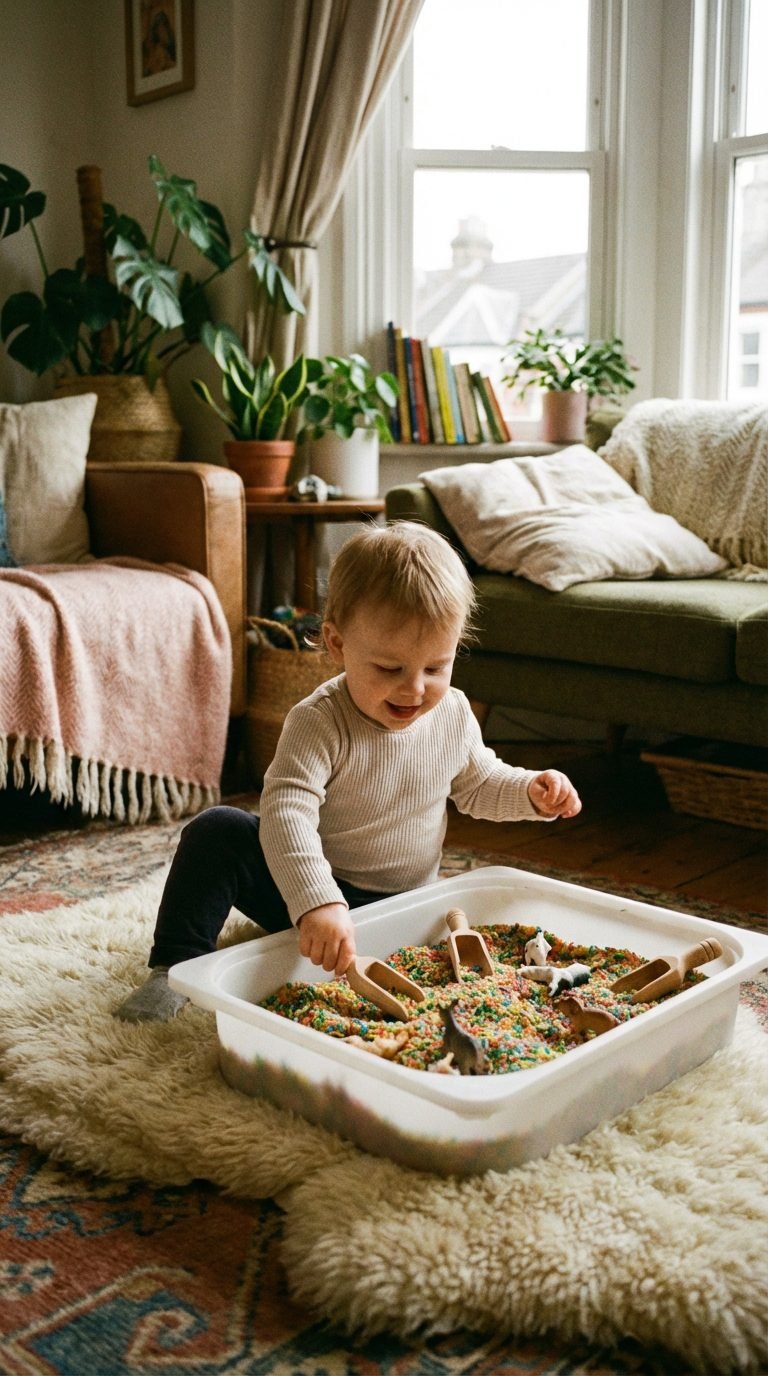
Screen-free activities for toddlers like sensory bins are a lifesaver. This activity works wonders for busy afternoons. Fill a plastic bin with dry rice and a few cups. Show your child how to scoop and pour, then step back. Most kids from 18 months to 4 years can play with this for 30 to 45 minutes.
Expect some rice on the floor, but the focused play is worth it. Pro tip: Add small toy animals for extra exploration. This will enhance the activity and keep them engaged even longer.
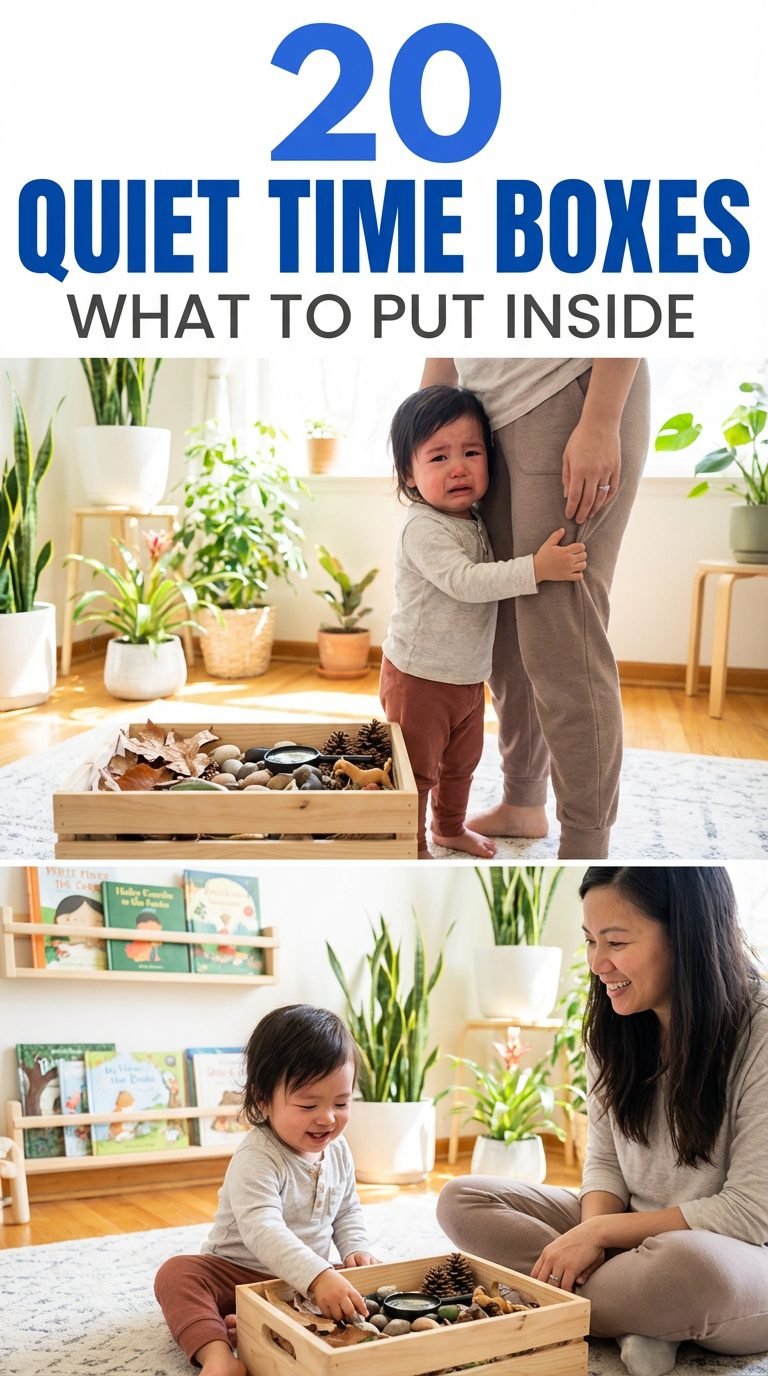
2. Quiet Time Boxes — What to Put Inside for Engagement
Creating quiet time boxes is a fantastic way to promote independent play. These boxes can be filled with puzzles, books, and art supplies. Aim for a mix of activities that cater to your child’s interests and developmental stages. For toddlers, consider items like stacking toys, soft blocks, or simple art supplies.
Set the expectation that quiet time is for playing alone. This helps them understand the purpose of the boxes. Expect your child to engage with these items for at least 20 minutes. Pro tip: Rotate the contents every few weeks to keep things fresh and exciting.
That said, results can vary from family to family. However, the core ideas here are flexible enough to adapt to most situations. In other words, start with what fits your routine best.
3. Art Station — Letting Creativity Flow
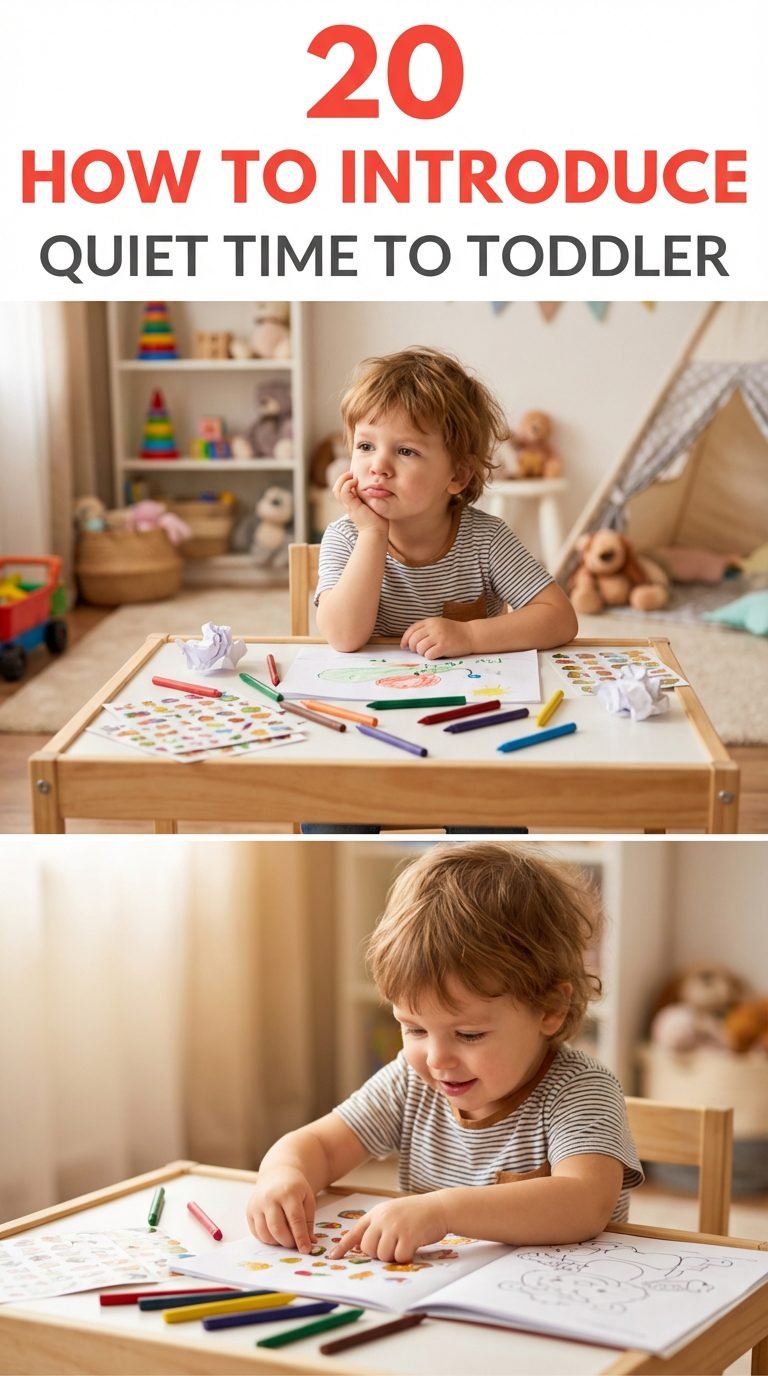
Setting up an art station can be a game changer for independent play. Designate a space with paper, crayons, and washable markers. This setup works best for kids aged 2-5. It allows them to explore their artistic side while you take a break.
Let your child know they can create whatever they want. Most toddlers will dive into this for 30-60 minutes, especially if they feel free to express themselves. Pro tip: Use a large tablecloth to catch any mess — it makes cleanup easier!
4. Building Blocks — Endless Possibilities
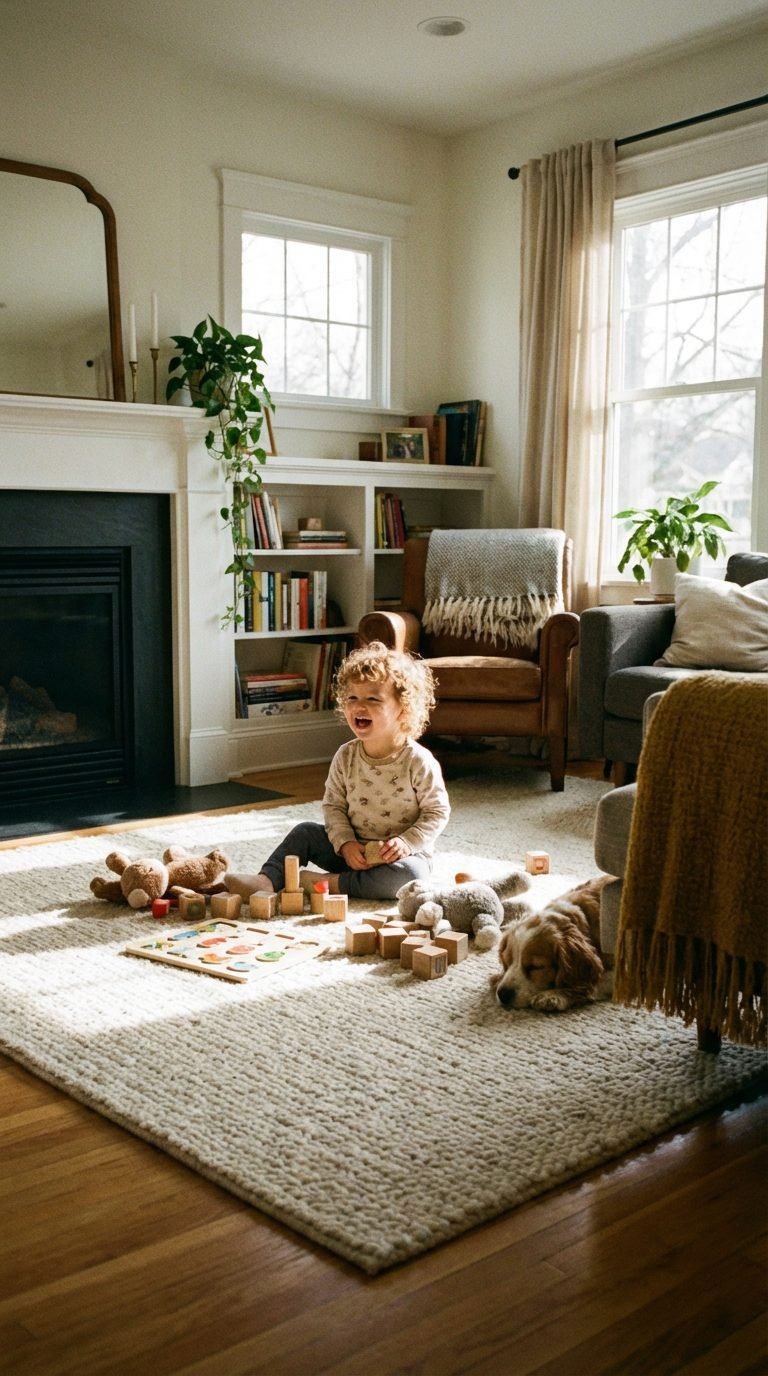
Building blocks are classic tools for promoting independent play. They engage toddlers in creative thinking and fine motor skills development. Set out a variety of blocks and let your child construct whatever they imagine.
Encourage them to build towers, houses, or anything else that comes to mind. Kids aged 2-4 can spend 30 minutes or more building and knocking down their creations. Pro tip: Join in for a few minutes, then step back to let them take the lead.
5. Nature Exploration Box — Bringing the Outside In
Creating a nature exploration box can spark curiosity and independent play. Gather items like leaves, rocks, and pine cones. This activity works well for kids aged 3-5 who are naturally curious about the world.
Set the box up on a table or blanket and encourage them to explore. They can sort, count, or create art with the items. Expect them to engage for 30 minutes or more. Pro tip: Encourage them to tell stories about what they find.
6. DIY Playdough — Sensory Fun
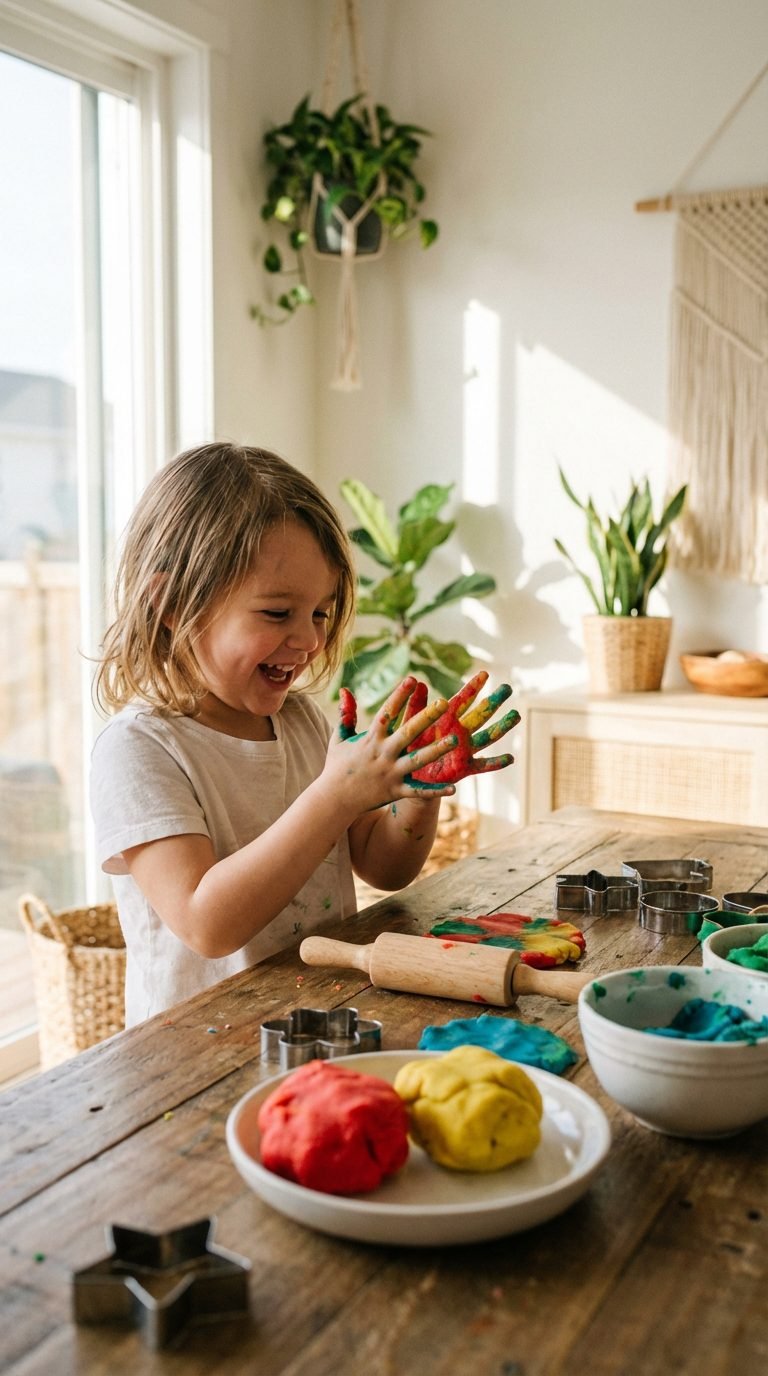
Making DIY playdough is a fun activity that can lead to hours of independent play. This sensory-rich material keeps toddlers engaged as they squish, roll, and mold. It works best for kids aged 2-4 who love hands-on activities.
For instance, some of these work better in the morning, while others suit afternoon energy levels. Additionally, adjusting the timing makes a noticeable difference for many parents.
Prepare a batch of playdough in advance and store it in a container. Show your child how to use it, then let them explore on their own. Most kids will play with it for 30 minutes or more. Pro tip: Add cookie cutters for extra fun and creativity.
7. Puzzle Time — Building Problem-Solving Skills
Puzzles are excellent for promoting independent play and cognitive skills. Choose age-appropriate puzzles that match your child’s interests. This activity works well for kids aged 2-5, as they learn to fit pieces together.
Set up a puzzle area and let your child dive in. Most kids will work on puzzles for 20-40 minutes, especially if they are engaged in the picture. Pro tip: Start with simple puzzles and gradually increase difficulty as they improve.
8. Story Time with Puppets — Engaging Imagination
Using puppets during story time is a delightful way to spark independent play. Create a simple puppet show with your child’s favorite stories. This works best for toddlers aged 2-4 who enjoy imaginative play.
Encourage them to tell the story using the puppets. Set them up with a few puppets and let their imagination take over. Expect them to play for 30 minutes or longer. Pro tip: Use a simple backdrop to enhance the puppet show experience.
9. Homemade Musical Instruments — Sound Exploration
Making homemade musical instruments can lead to hours of fun and independent play. Gather materials like empty containers, rice, and rubber bands. This activity works well for kids aged 3-5 who love to create noise.
Show your child how to make simple instruments, then let them explore. Most kids will engage for 30-60 minutes, especially if you encourage them to create their own songs. Pro tip: Set a timer for a mini concert at the end!
Furthermore, consistency tends to matter more than doing everything perfectly. As a result, even applying one or two of these ideas regularly can produce real change over time.
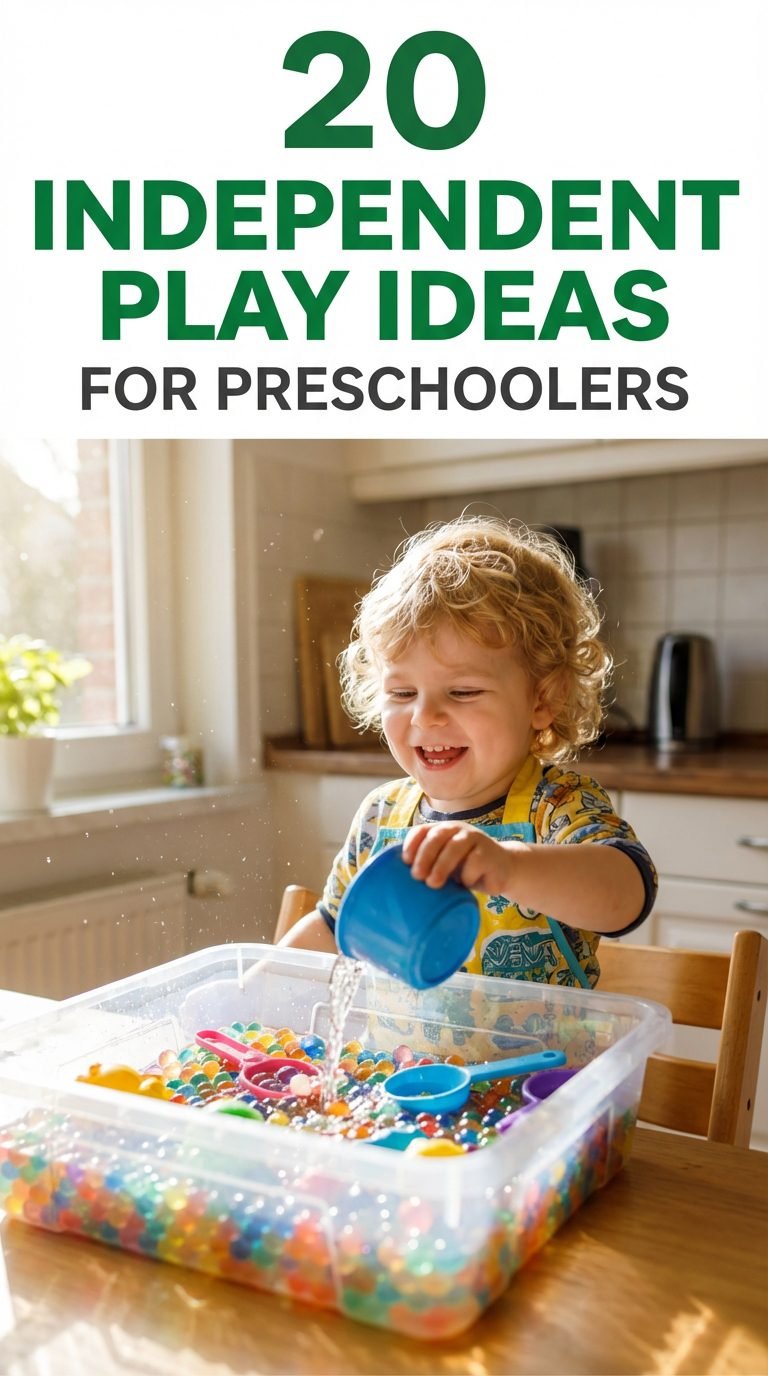
10. Water Play — Sensory Exploration
Water play is a classic activity that promotes independent play. Set up a water table or a bin filled with water and various cups and toys. This activity works best for toddlers aged 2-4 who enjoy sensory experiences.
Allow your child to explore the water with little guidance. Expect them to play for 30 minutes or more as they pour and splash. Pro tip: Use a towel nearby for easy cleanup.
11. Scavenger Hunt — Encouraging Exploration
Setting up a scavenger hunt can be an exciting way to promote independent play. Create a simple list of items for your toddler to find around the house or yard. This works best for kids aged 3-5 who love to explore.
Give them the list and let them search at their own pace. Most kids will engage in this for 30-45 minutes. Pro tip: Use a small basket for them to collect their treasures.
12. DIY Fort Building — Creative Spaces
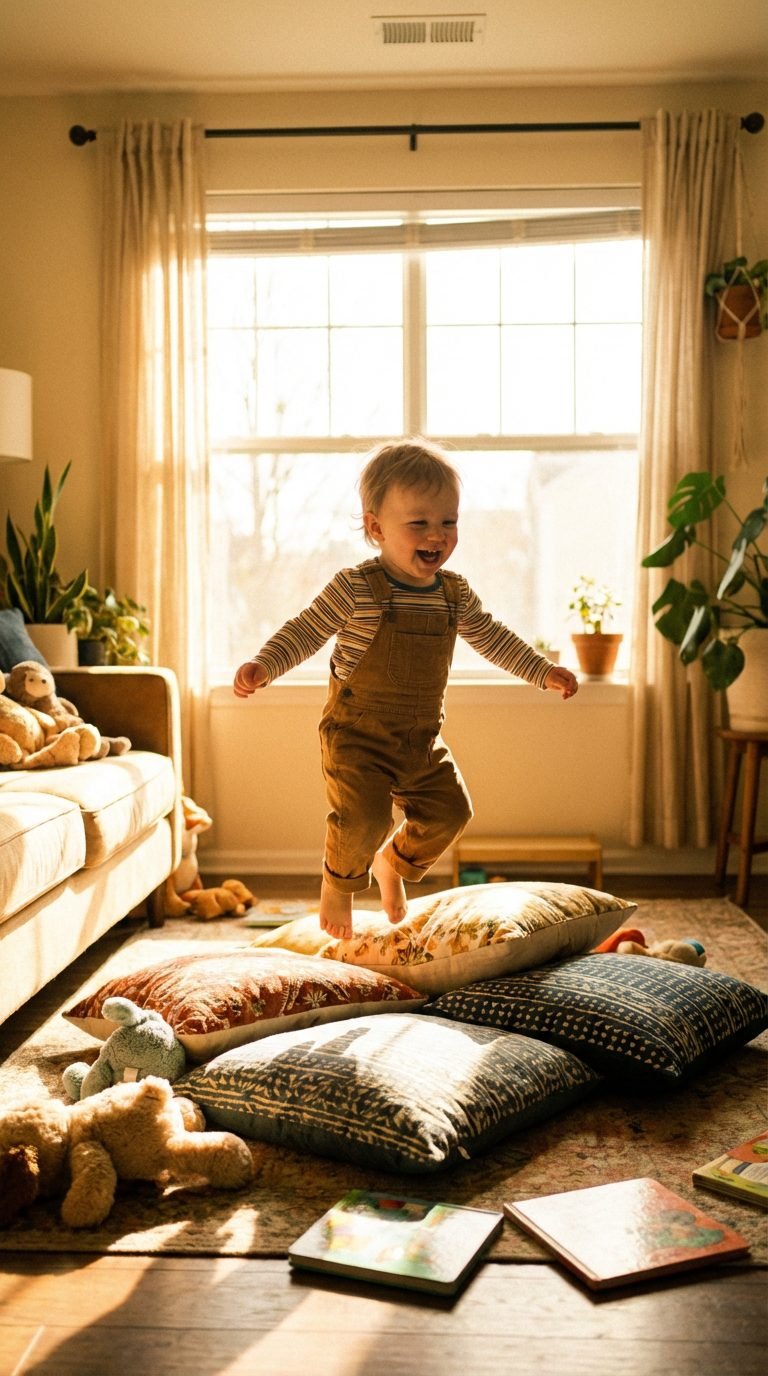
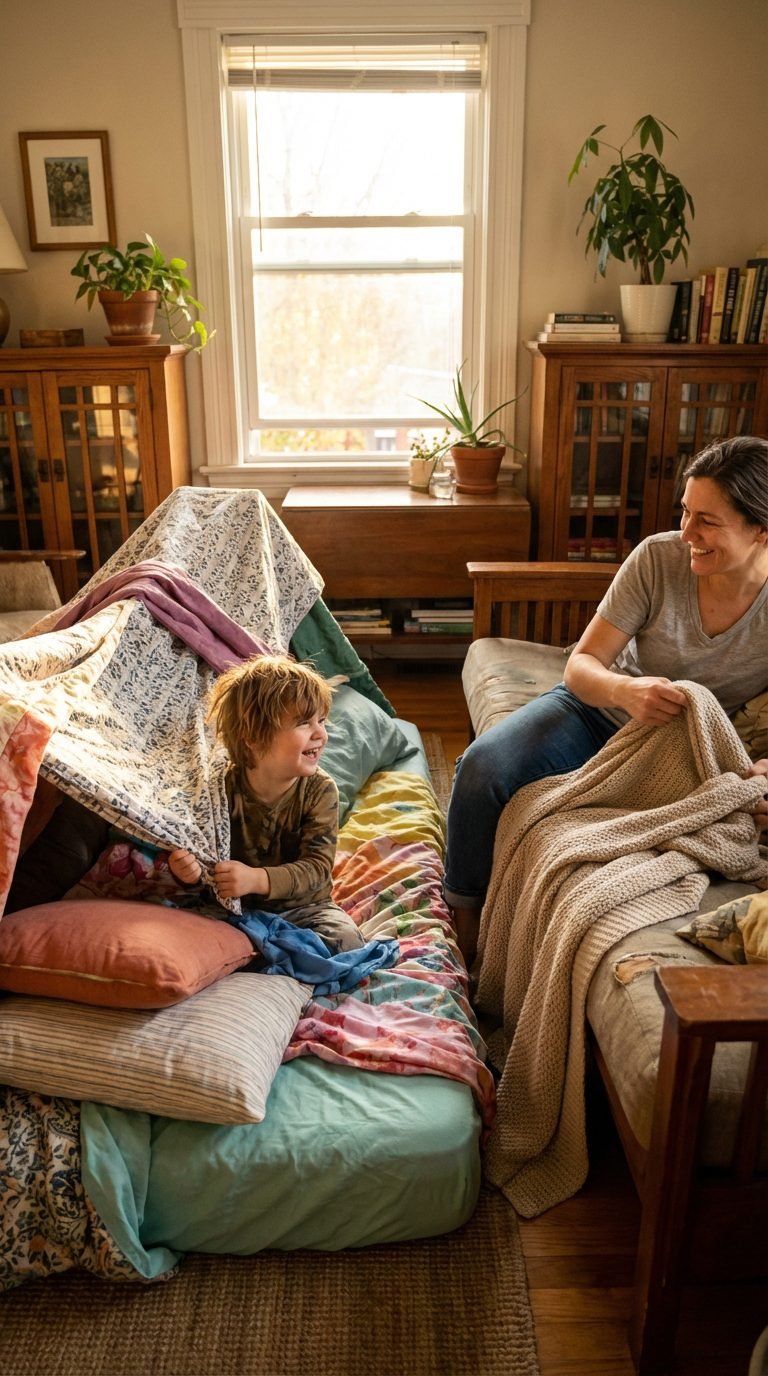
Building a DIY fort can lead to imaginative play and independent exploration. Use blankets, pillows, and furniture to create a cozy space. This activity works best for kids aged 2-5 who love to create their own worlds.
Encourage them to build a fort and then play inside. Most kids will engage for 30-60 minutes, especially if you suggest they bring their favorite toys. Pro tip: Use fairy lights for added magic!
13. Shadow Play — Exploring Light and Darkness
Shadow play is a unique way to engage toddlers in independent play. Use a flashlight or lamp to create shadows on the wall. This works best for kids aged 2-4 who are fascinated by light.
Meanwhile, every child brings different needs to the table. Nevertheless, the approaches listed here have worked across a wide range of ages and temperaments.
Encourage them to create shadow shapes and tell stories. Expect them to play for 30 minutes or more. Pro tip: Use different objects to create interesting shapes.
14. Sticker Activities — Fine Motor Skills
Sticker activities promote fine motor skills and independent play. Provide a variety of stickers and paper for your toddler to create their own artwork. This works best for kids aged 2-5 who enjoy hands-on activities.
Let them explore and create without too much direction. Most kids will engage for 20-30 minutes. Pro tip: Encourage them to make a sticker story!
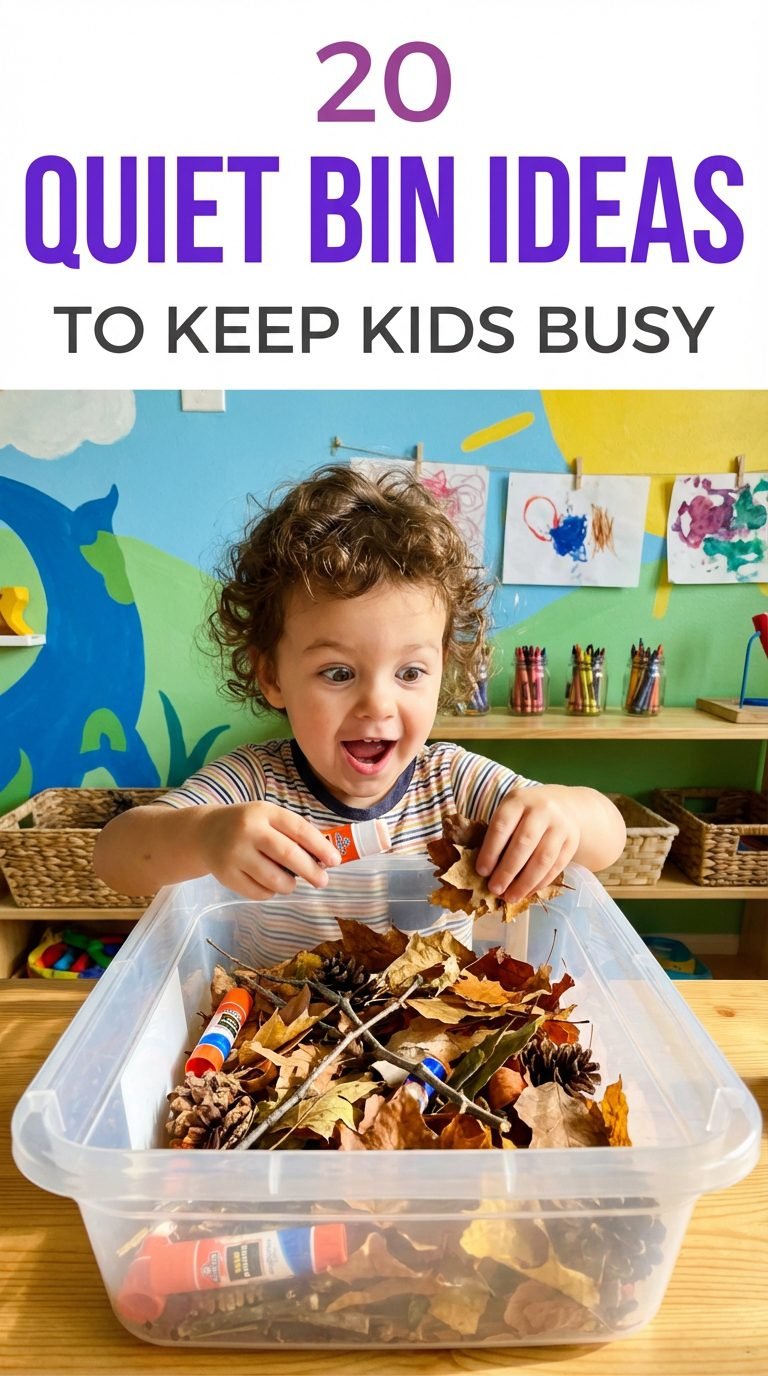
15. Nature Collage — Creative Exploration
Creating a nature collage can spark creativity and independent play. Gather leaves, flowers, and other natural items. This activity works well for kids aged 3-5 who enjoy art and nature.
Encourage them to create a collage on paper with glue. Most kids will engage for 30-45 minutes. Pro tip: Use a large piece of cardboard for a bigger canvas.
16. Sock Puppets — Imaginative Play
Making sock puppets can lead to imaginative independent play. Use old socks and craft materials to create fun characters. This works best for kids aged 2-5 who enjoy storytelling.
Encourage them to create a puppet show on their own. Expect them to play for 30 minutes or more. Pro tip: Provide a simple stage area for their performances.
Moreover, fitting these ideas into a busy schedule is often easier than it first appears. Consequently, many parents find that small adjustments lead to meaningful improvements fairly quickly.
17. Cardboard Box Creations — Open-Ended Play
Transforming a cardboard box into a play structure can encourage independent play. Let your child decorate and design their own box. This activity works best for kids aged 2-4 who love open-ended play.
Most kids will engage in this for 30-60 minutes as they create and play inside. Pro tip: Provide markers and stickers for decoration.
18. Baking Soda and Vinegar Volcano — Science Fun
Creating a volcano with baking soda and vinegar can lead to exciting independent play. This science activity is perfect for kids aged 3-5 who love experiments.
Set up the materials and let them mix and watch the reaction. Expect them to play for 20-30 minutes. Pro tip: Use food coloring for a more vibrant eruption!
19. Play Kitchen — Role-Playing Fun
Setting up a play kitchen can encourage imaginative independent play. Provide play food and utensils for your child to explore. This works best for kids aged 2-5 who enjoy role-playing.
Most kids will engage in this for 30-45 minutes as they pretend to cook and serve. Pro tip: Join in for a few minutes to spark their creativity.
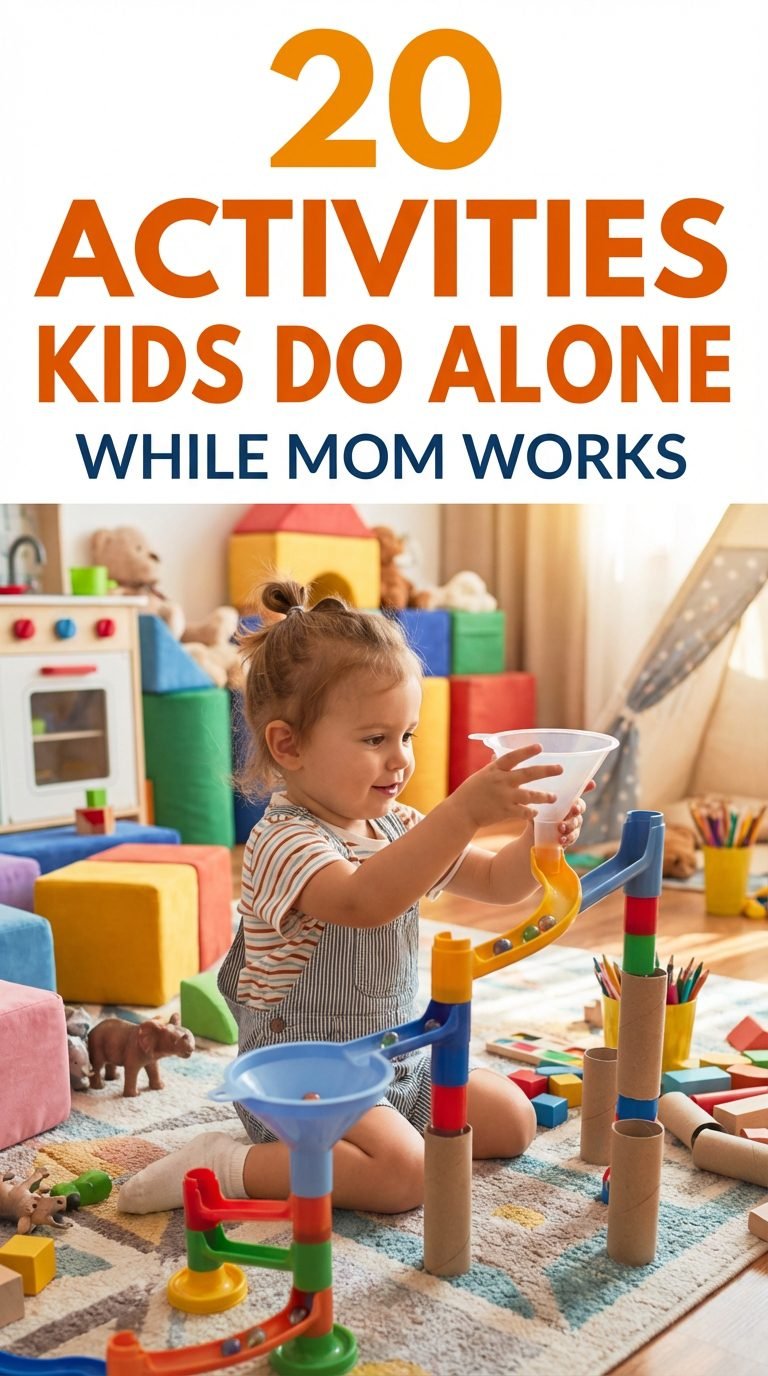
20. DIY Marble Run — Engineering Fun
Creating a DIY marble run can promote problem-solving and independent play. Use cardboard tubes and marbles to design a track. This activity works best for kids aged 4-5 who enjoy building.
Encourage them to experiment with different designs. Expect them to engage for 30-60 minutes. Pro tip: Make it a challenge by timing how fast the marbles can go!
Starting with the sensory bin is a great way to ease into independent play. It’s simple to set up and offers a lot of engagement. Remember, it’s okay if things get messy — that’s part of the fun! For more family activity ideas on Simple Family Everyday, check out our blog for more tips and tricks!
For more evidence-based guidance, visit American Academy of Pediatrics — screen time guidelines.
Learn more: family activit. For more ideas, check out parenting tips and expert advice. Learn more: family activit. Learn more: family activit.