
How Constant Interruptions Wear Moms Down Mentally
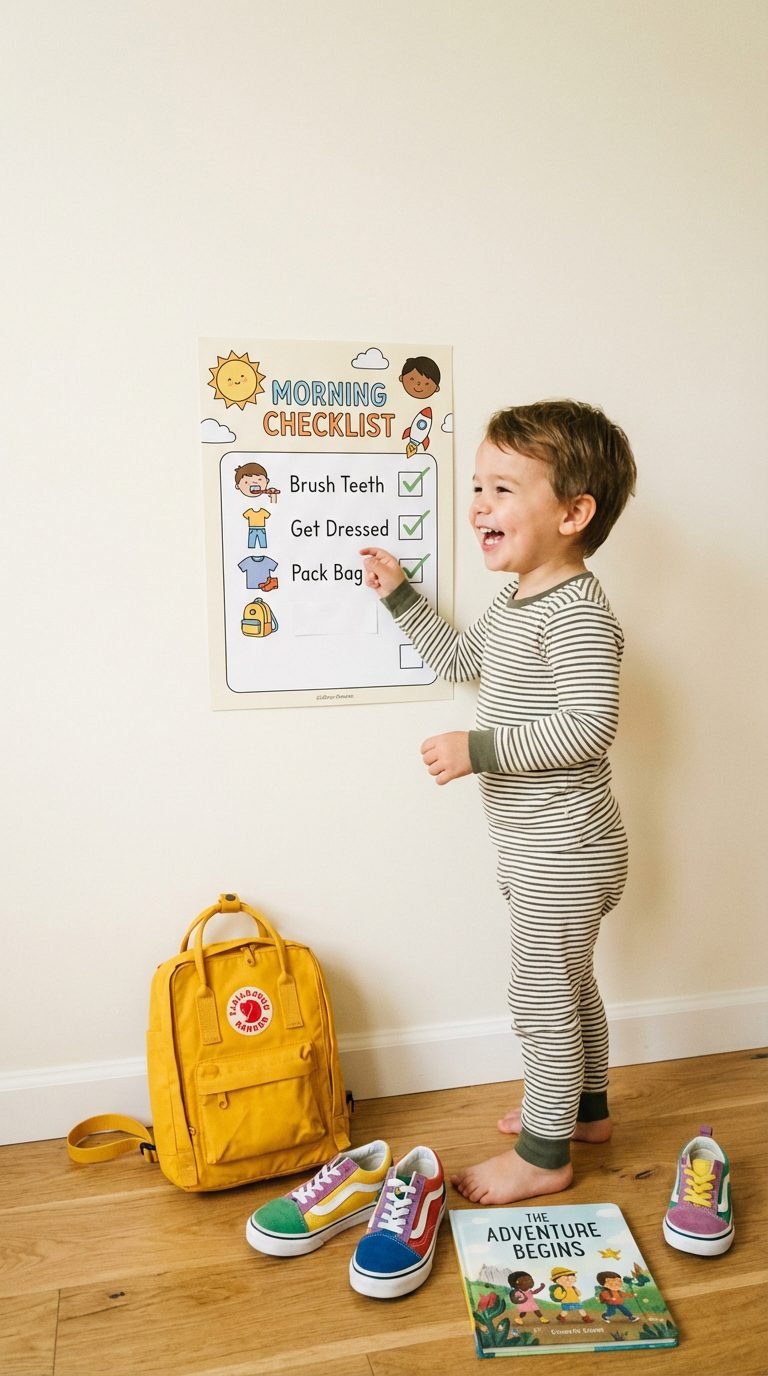
It’s 7:15 AM. You’re in the middle of packing lunch, and your 7-year-old interrupts for the third time, battling with their shoes.
That is what motherhood and constant interruption can feel like.
That’s the grind of motherhood and constant interruption.
You feel the click of impatience as you leave the half-made sandwich behind. Mental exhaustion sinks in every time you’re pulled away.
It’s the relentless tug of motherhood and constant interruption. Too much.
You snap. Regret follows.
Scattered shoes and the ticking clock—all reminders of chaos that seems never-ending. Why don’t they ever stay put? Why can’t you catch a break?
Let’s dig into why these interruptions hit so hard and how to carve out some mental space. Get ready to feel lighter.
Key Takeaways
The short version you can come back to quickly.
- Start with the single change that removes the most friction — not the most comprehensive system.
- Match the approach to the current energy level and age stage, not to the ideal version of the day.
- Adding more rules on top of a broken setup makes the load heavier when real life gets busy.
- If the improvement disappears after a week, the friction point came back — revisit the environment, not the child.
Why Interruptions Feel Overwhelming

What helps with motherhood and constant interruption in real life
Constant interruptions trigger stress. They leave moms mentally drained.
Kids, especially around age 7, straddle the line between eager independence and reliance, often leading to these disruptions.
Interruptions wreck your flow, making it tough to finish tasks efficiently.
Every time you’re pulled toward another request, your cognitive focus splinters, leaving you more fatigued and raising your stress levels even further.
Balancing their constant needs with your tasks can feel like you’re caught in a never-ending cycle of doing and redoing.
It’s like treading water, yearning for the shore but constantly being pulled away.
Recognizing this cycle helps ease guilt and sets realistic expectations. You’re not alone.
Many moms handle this challenge daily, feeling the drag on their mental resources as they shift gears from one mini-crisis to the next.
- Understand the moments that typically lead to interruptions.
- Anticipate needs before they’re a crisis.
- Communicate boundaries clearly with your child.
The Morning Shoe Dilemma

Those words hit you mid-pour as cereal spills onto the counter. “Mom, I can’t find my shoes!” Breakfast scrambles on one side, half-packed lunches on the other. It’s too much.
The best parenting improvements usually come from a simpler system, not a more complicated promise.
The real stress isn’t just lost shoes. It’s interruptions that shred your sanity.
This isn’t about shoes. It’s about juggling everything and watching it fall apart.
That’s the drain. Accept that feeling of overwhelm is valid and not a reflection of your capability as a parent.
So, breathe. Pause.
Look your 7-year-old in the eye and acknowledge their need. “Let’s find those shoes together.” Guide them.
Check under couches or in the hallway. Slow down.
These moments also serve as teaching tools for them – how to stay organized and handle minor setbacks independently.
When frustration peaks and your child seems truly stuck, stepping in becomes essential.
Teaching them problem-solving skills may feel daunting now but pays dividends in the future, fostering their confidence and lessening future interruptions.
Try this to stay sane:
- Pause for a moment, gather your own thoughts.
- Make real eye contact; it reassures them of your attention.
- Guide through searching with calm steps.
- Lead them forward, reinforcing problem-solving strategies.
It’s not about perfection. It’s about showing them they matter and helping them tackle small problems confidently. Remember, nothing is wrong with you. This is simply overload.
Parent note: Feels like you have no time, but these moments teach independence and calm everyone.
Even if it seems time-consuming now, it builds a foundation for smoother mornings ahead.
Interrupted Conversation Over Breakfast

Trying to catch up with your partner over breakfast? Your 7-year-old interrupts with must-answer questions.
| Situation | Quick approach | When it works best |
|---|---|---|
| Low energy day | One simple visible step | After school, before dinner |
| High sensory load | Reduce input first, then act | Transitions and bedtime |
| Repeated behaviour | Change the setup, not the response | Evenings and mornings |
| Strong resistance | Give one real choice, not instructions | When control is the underlying issue |
It’s real. It’s constant, often zapping the limited time you have for adult conversations in the morning rush.
To your child, addressing their concerns over cereal feels urgent. They don’t see the importance of adult talk before dashing off for the day.
They see your openness. And they ask, always.
It’s a testament to your approachability, even as it wears you down.
This constant interruption grinds you down. Your thought train’s gone.
Personal connection feels distant. What’s at stake is your mental space.
Staying connected becomes tricky. You need a break to reset the emotional toll it takes on your relationships.
Consider creating a ‘question pause’ rule. Explain to your child that breakfast is for adult chat, and set a time afterward for their questions.
Ambiguity can lead to pushback, so provide specifics: “After breakfast, when the clock reads 8:00, it’s your question time.” This way, they learn to respect this boundary while still feeling heard.
An egg timer might help make this concept concrete for them. Transitions like these can initially feel awkward, but persist.
Once the structure becomes routine, mornings gain a calmer rhythm.
- Set a timer for specific question times.
- Explain the pause plan gently and clearly.
- Reassure your child they’ll have their time too.
- Stick to it firmly to build consistent boundaries.
You deserve your moments. It’s not too much to ask. Rebuild from there. Finding time for adult connection is essential. Your mindset needs it.
Parent note: Feels awkward at first, but it’s a relief knowing there’s time for adult talk too.
It’s about reclaiming mornings as shared moments, reinforcing family unity.
When Chores Get Interrupted

The laundry basket’s finally less overwhelming. Each shirt folded neatly, you breathe easier. Accomplishment tastes sweet, even when it’s mundane chores.
Then the inevitable happens. Your 7-year-old needs urgent help with a school project—a diorama due tomorrow.
Plans shatter. Abrupt changes induce stress, pulling you away multiple times, diluting productivity each time.
You’re not just stopping laundry; every train of thought is gone. Your child wants attention. You feel torn between clipping distractions and nurturing their curiosity.
But you need those minutes. You need to finish something. Anything. Each small accomplished task fuels a sense of control amid chaos.
Try this: a ‘help needed’ signal in the form of a colored card your child places on the table when they need you.
It helps balance their needs with your tasks, giving you a non-verbal cue to prioritize later if possible.
No words. Just a card. It teaches them to pause and respect your flow, subtly underscoring that while they are important, so is setting a mindful sequence to needs.
- Grab a colored card—make it family-specific, perhaps with their favorite character.
- Explain it means “help when ready.” Build this understanding gradually.
- Let them place it quietly. Empower them with small gestures of self-reliance.
- Check it regularly and respond within set time limits.
It might seem like extra work, but the payoff?
Uninterrupted minutes. Breathing room. Effectively, it stops constant pulling, teaching them to wait without feeling dismissed.
This is not failure. It’s finding a system that works.
Parent note: It might seem like extra work, but you gain uninterrupted minutes and reduce reactive stress. It fosters a sense of autonomy in your child as well.
Bedtime Stories and Last Minute Requests

Just when you’re ready to unwind with your 7-year-old, they remember a forgotten homework assignment. The cozy bedtime story vibe turns into a scramble.
Your efforts to keep evenings pleasant? Upended.
Too much, all at once.
It’s common. There you are, snuggled on the couch, favorite book in hand, and…
“Mom, I need to finish my math homework!” Smooth transitions vanish, replaced by palpable tension.
Your patience feels like it’s wearing thin, much like an old sock pulled too often and stretched in every direction.
Behind this isn’t your child’s irresponsibility. It’s the whirlwind of daily activities, leaving them as frazzled by the end of the day as you are.
Recognizing this shared human flaw offers a path to empathetic solutions and tighter management of ‘down’ time.
Manage these moments with a ‘last call’ for requests. Announce it 30 minutes before storytime.
“Remember, anything you need is now or after bedtime.” This anticipatory cue primes everyone to reflect on outstanding tasks, gently minimizing frantic realizations later.
- Touch base once before the bedtime call initiates.
- Set a timer for heads up—familiarity enhances diligence.
- Offer help with organizing the next day’s necessities.
- Leave room for tomorrow’s fixes, relieving perceived pressure.
This system saves your sanity. It works best in the evening wind-down, letting you tackle late requests more calmly.
With routine, bedtime gets predictable. Transitions?
Less rough. Finding calm amidst chaos is possible.
Miss something? That’s okay. You’re only human. It’s overload. Structure helps. No more scattered storytime.
Parent note: Might not catch everything, but trims chaos significantly, reinforcing harmonious evening rituals.
The Constant Call for Attention
Imagine finally getting a moment to breathe, maybe on the couch, when your 7-year-old bursts in. “What’s the plan today, Mom?” It’s the third time.
It feels relentless. Too much.
You try to answer, but the constant need for attention wears you out.
In these moments, it’s crucial to grasp what’s real. Your child isn’t trying to disrupt on purpose.
They crave attention and need to feel part of the day’s flow. Developing a mutual understanding of priorities assists both.
Here’s a tip: schedule “question time.” Tell your child they’ll have your attention to discuss plans at specific times.
It might feel odd, but kids want to know they’ll be heard eventually. Communicate that their curiosity is valued, just like set tasks are prioritized in adults’ schedules.
- Pick routine times when interruptions spike.
- After breakfast, take a few minutes to cover plans, fostering openness.
- Lower the noise, physically and metaphorically.
- Answer questions, keeping exchanges succinct yet thorough.
This is not failure. Addressing their need for attention like this prevents random interruptions during downtime.
It gives them security and you some peace. Nothing is wrong with you.
It’s just approaching the reality of motherhood and constant interruption in a new way.
Parent note: Feels counterintuitive at first, but reassures them and cuts random interruptions. Centralized focus on communication fosters a balanced, calm household dynamic.
Frequently Asked Questions
Quick answers for the most common sticking points.
What is the most important first step with motherhood and constant interruption?
Start with the one change that removes the most friction in the shortest time, not the one that sounds most comprehensive.
How long before I see a difference?
Most parents see a noticeable change within three to five days of consistent application — long before most systems claim to deliver results.
What if it stops working after a week?
Check whether the environment changed, not the child. The most common cause of regression is an unaddressed friction point returning after the initial effort wore off.
Does this work for all ages?
The core approach works across ages, but the exact step needs to match the developmental stage. What works for a toddler usually needs adjusting for a school-age child.
Quick Action Plan
- Pick one clear priority from this guide for motherhood and constant interruption.
- Apply one change before adding anything else.
- Review after three days: what improved and what still adds friction?
Learn more: smooth transitions.