Why Toddler Meltdowns Happen Before Nap Time and How to Reduce Them
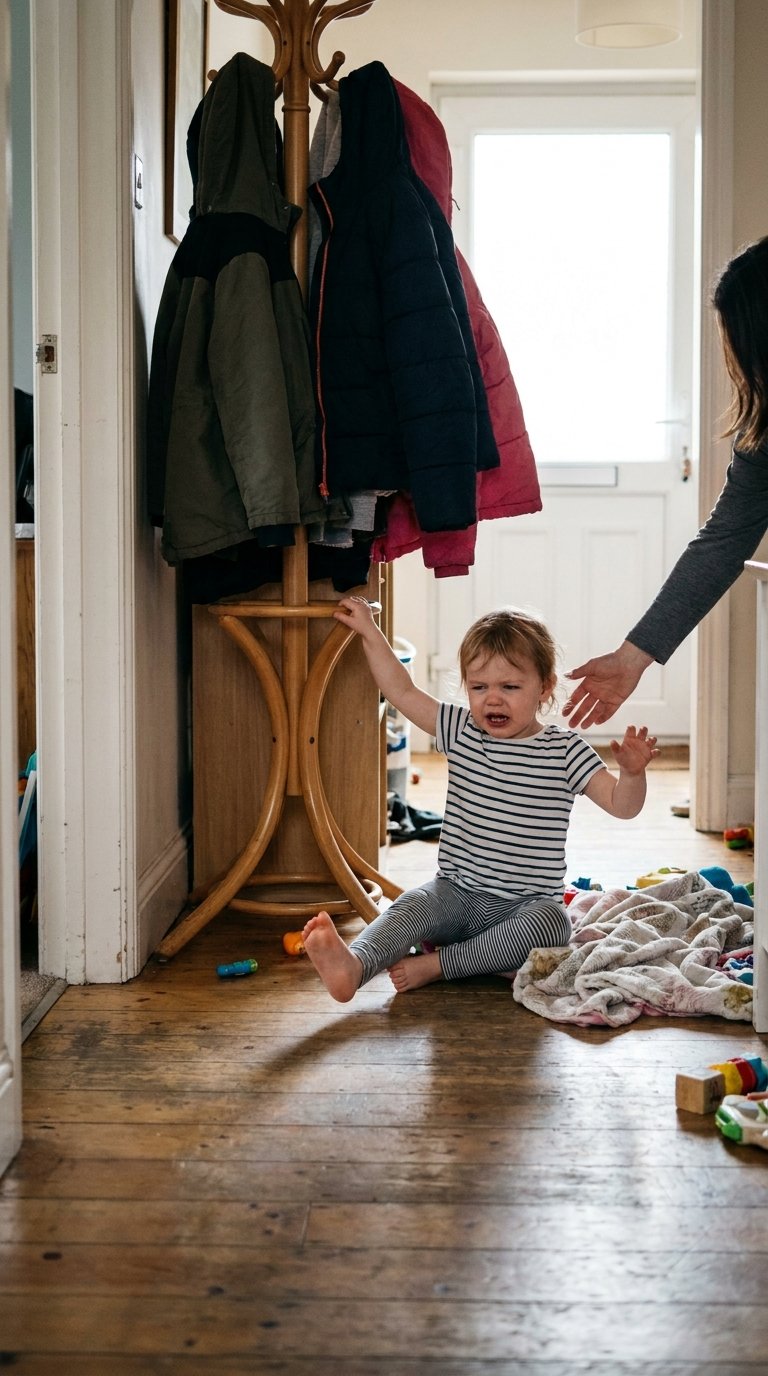
It’s 1 PM, and your little one is sprawled on the living room floor, a rubber duck in hand, wailing as if the world has ended. Nap time meltdowns can turn what should be a peaceful moment into chaos.
These meltdowns are common among toddlers and can test the patience and resilience of any parent. Understanding why they occur is the key to finding ways to reduce their frequency and impact.
During these emotional upheavals, your toddler struggles to articulate their need for comfort or rest, often leaving you navigating a whirlwind of emotions.
The once-cheerful toy bin is now a battlefield with LEGO bricks scattered like fallen soldiers. You find yourself stepping cautiously to avoid the sharp edge of a rogue block, each step serving as a reminder of the unpredictability of toddler moods.
Such scenes can appear chaotic, yet they are woven into the fabric of daily life with toddlers.
Your patience feels like it’s hanging by a thread, your nerves straining with every echoing cry. Walking through this moment is like walking a tightrope, every step heavy with exhaustion and a growing knot of frustration in your chest.
These moments require immense patience and understanding, as you gently guide your little one toward calmness.
There’s an endless cycle of picking up the toy dinosaur, only for it to be flung across the room again. Moments like these throw the whole house into disarray, as tired cries fill the air and everyone rushes toward nap time.
Despite the chaos, these episodes are opportunities to build trust and teach emotional regulation.
Together, we’ll explore the mystery behind nap time meltdowns and map out a gentler path to peaceful afternoons. By the end, you’ll have strategies to soothe both your toddler’s wild heart and your own weary spirit.
Recognizing the signs and addressing them early can turn chaos into a semblance of calm that benefits the entire household.
How this nap time meltdowns helps at bedtime
Key Takeaways
- Start with the single change that removes the most friction — not the most comprehensive system.
- Match the approach to the current energy level and age stage, not to the ideal version of the day.
- Adding more rules on top of a broken setup makes the load heavier when real life gets busy.
- If the improvement disappears after a week, the friction point came back — not the child.
Why Pre-Nap Chaos Strikes
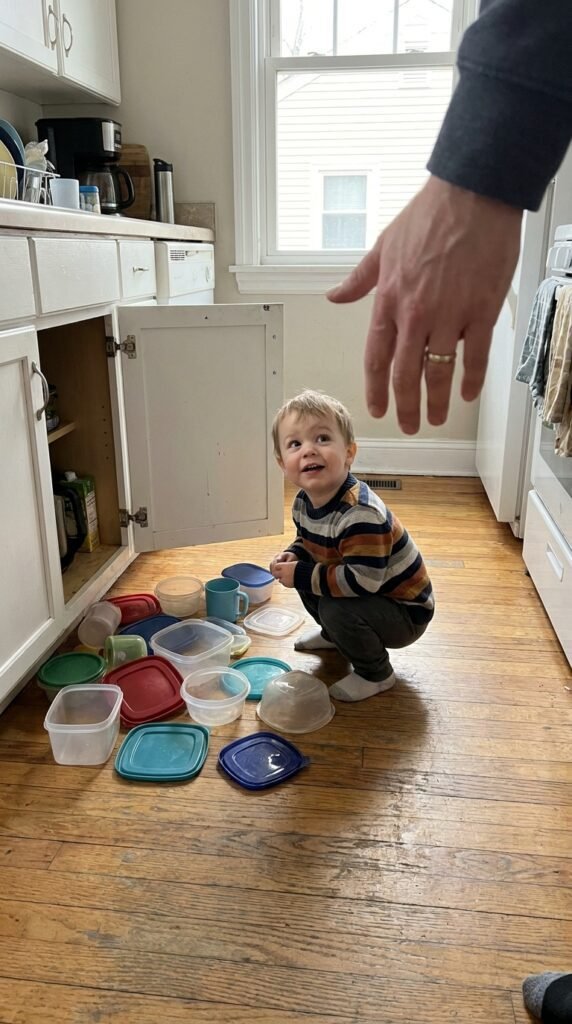
Toddlers have undeveloped self-regulation skills, making transitions hard. Fatigue amplifies any existing frustration.
At 3, toddlers are learning autonomy but don’t yet manage intense emotions well. Sleepiness makes them more sensitive to stimuli, leading to overwhelming feelings they can’t yet articulate or manage.
Your child isn’t misbehaving; they’re overwhelmed and need your guidance to find calm. Understanding this is vital, as it shapes your response and helps you focus on nurturing and support.
Anticipating their physical and emotional needs offers a proactive approach. Providing consistent routines around nap time can mitigate the intensity of these meltdowns.
Encourage activities that gradually lead them toward rest without forcing it.
These meltdowns are often cries for help—signals indicating they’re not sure how to process their tiredness. This understanding removes the notion of bad behavior and replaces it with empathy and strategy.
When Your Toddler Refuses to Slow Down
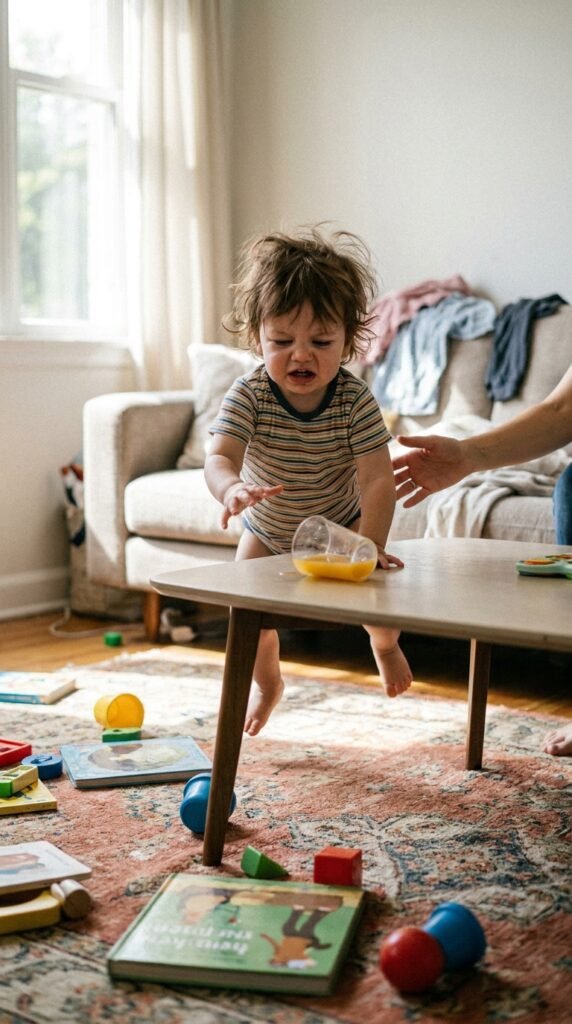
The best parenting improvements usually come from a simpler system, not a more complicated promise.
It’s just 15 minutes until nap time, and the living room looks like a whirlwind hit. Toys are scattered, a stray shoe has found its way onto the sofa, and your toddler seems to gain more energy instead of winding down.
This surge in activity is often a common resistance to tiredness as they struggle against the onset of fatigue.
When your three-year-old races through the hallway, laughter echoing off the walls, it’s easy to feel overwhelmed. They are likely driven by overstimulation, which can complicate the transition to a calm state.
This overstimulation is their way of pushing back against the discomfort of tiredness.
Instead of worrying about an impending meltdown, guide your child into a calmer activity. Choose a favorite picture book or spread a cozy blanket on the floor for some quiet time.
This refocuses their energy onto something soothing, bridging the gap between play and rest.
This simple shift doesn’t just change the activity; it changes the energy in the room. The quiet act of reading or cuddling lowers their adrenaline levels and signals that it’s time to wind down.
Repetition of these activities strengthens this association over time.
Creating a Smooth Transition
Start transitioning about 15 minutes before nap time. This subtle cue signals that things are slowing down without halting their spirited play abruptly. Establishing this routine teaches predictability, which can be comforting to your toddler.
You might notice your toddler’s eyes following pictures on a page, with their busy hands gradually resting on their lap. Though small, this shift is significant. It marks the beginning of relaxation and signals their mind that sleep is approaching.
This method can ease the pre-nap chaos, transforming hectic play into calm moments. You might feel like herding cats at times, but even a brief calm can make a big difference.
Gradually, this reading time becomes a ritual that both of you look forward to, enhancing your bond.
- Start the quiet activity 15 minutes before nap time.
- Choose a familiar, calming book or activity.
- Create a cozy, inviting space with blankets or cushions.
- Embrace these moments as bonding time.
Parent note: Some days, getting them to sit still feels like herding cats. But those quiet moments help us both reset. It’s not about perfection; it’s about finding that serene connection amidst the chaos.
If Your 3-Year-Old Throws a Toy

|
Situation |
Quick approach |
When it works best |
|---|---|---|
| Low energy day | One simple visible step | After school, before dinner |
| High sensory load | Reduce input first, then act | Transitions and bedtime |
| Repeated behaviour | Change the setup, not the response | Evenings and mornings |
| Strong resistance | Give one real choice, not instructions | When control is the underlying issue |
A whirlwind blows through the living room as your 3-year-old hurls their toy helicopter across the floor. The clang it makes seems to resonate beyond its physical impact, echoing through the tensions of the room. It’s an expression of frustration, not malice.
It’s the kind of thing that makes your heart jolt, even if you’re on autopilot, juggling crumbs or running to finish another load of laundry. Before reacting, take a deep breath.
Remember, this is their way of communicating something they can’t yet tell you in words.
Instead of raising your voice, try saying, “I see you’re upset.” Get down on their level and offer a hug. This simple move helps them feel understood and more in control. They need to know they are seen and heard, especially when emotions are running high.
It’s tempting to react right away, especially when it’s the third toy they’ve thrown today. But connecting emotionally can prevent things from escalating. Lowering your own emotional intensity can help diffuse theirs.
Steps to Acknowledge and Connect
- Pause what you’re doing. Avoid the rush to get to the next task.
- Make eye contact to show you’re fully present. This convey a sense of security and attention.
- Express empathy: “You look frustrated.” Name the feeling to help them recognize it.
- Open your arms for a hug and wait for them to come to you. Allow them the space to accept comfort on their terms.
By meeting their energetic frustration with calm acknowledgment, you can often diffuse the anger. Your child might pause, give you a puzzled look, and then collapse into your arms, feeling heard and safe.
This bond is reinforced each time you respond with understanding.
It’s not about silencing the storm but weathering it together, with understanding. Your role is to be the anchor in their sea of emotions, showing them it’s okay to feel and express these big feelings with your support.
One mom mentioned how hard it is not to snap in those moments, especially with dinner bubbling over and the hallway a mess of stray shoes. But she noticed that when she paused and connected, her son’s tantrums lessened over time.
Consistency and empathy changed the dynamics.
Parent note: Small gestures, like acknowledging feelings, often carry the most calming power. They lay the groundwork for better communication and emotional habits later in life.
What Actually Helps When Tears Start Flowing
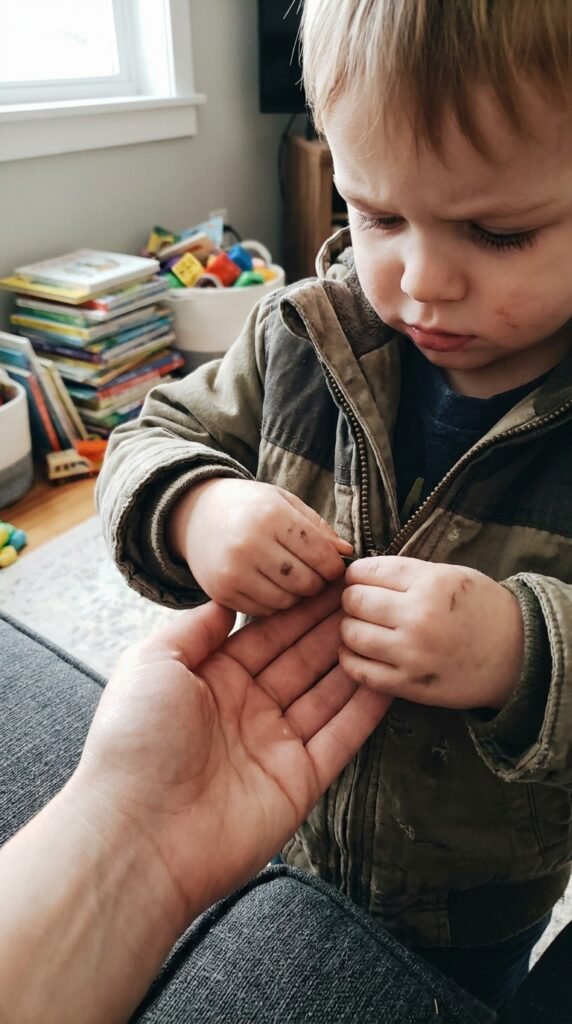
When you notice the first tears, it often catches you mid-task—maybe while scooping toys into a basket or folding laundry. Recognizing this moment early can turn potential chaos into calm.
Understanding the precursors to tantrums can guide a more empathetic response.
Use a calm, soothing voice to reassure your toddler. Gently rub their back as you speak.
This physical contact, paired with your voice, creates a comforting environment. Take a deep breath yourself; they can sense your energy.
The calmness in your voice and actions helps regulate their own escalating emotions.
The Power of a Calming Touch
Approach them as soon as tears appear, ideally before it becomes a full-blown meltdown. Timing is everything.
Imagine you’re in the middle of dinner prep and catch their eye as tears begin. Stop and kneel down to their level, offering your presence.
It’s this attentiveness that reassures them.
The main effect? Reassurance. This signals that they’re safe and supported. They feel secure enough to transition from the toy-strewn floor to their nap. Here’s a quick list on how to make those moments count:
- Speak softly and slowly. This tone conveys understanding and patience.
- Offer a gentle, comforting touch. Physical reassurance is incredibly powerful.
- Connect with eye contact and smiles. Reaffirm your care and empathy.
- Stay consistent in your approach. Consistency helps establish trust.
Real life isn’t perfect. There might be laundry piled up and dishes in the sink. Embrace these imperfections as part of the journey of parenthood.
But sometimes, just pausing to be there is all they need. Even if they still shed a few tears, your consistent presence provides a comforting routine amidst their world of exploration and boundaries.
It’s these small efforts that teach them to handle their emotions.
Parent note: Sometimes, just knowing I’m there is enough to stop the flood of tears. My presence is a reminder that they aren’t navigating their complex emotions alone.
The Moment You Reset the Mood with Music

When the tension builds, and silence almost echoes through your living room, it’s time to turn to music. Maybe you’ve just tripped over a pile of small shoes for the third time, or the remnants of lunch still cling to the table.
Music becomes the gentle balm that soothes frazzled nerves.
The house, with its growing chaos, needs a backdrop that soothes. That’s when you reach for your phone or smart speaker. The right melody can feel like a friendly embrace, calming frazzled nerves and easing tension.
Set the stage with calming tunes or gentle nature sounds. Find a playlist that resonates with your child’s happy moments. Music that brings smiles and giggles can turn a stressed mood into one that’s easier to manage.
Ocean waves, a light piano, or even a familiar lullaby can transform the atmosphere. Turn the volume low, just enough to permeate the room without overwhelming it.
This subtle background music becomes part of the environment’s rhythm, lulling both parent and child toward calm.
Introduce this simple step as soon as the energy in the household feels overly charged. Maybe it’s the end of a busy morning, and couch cushions are scattered from an earlier fort-building adventure.
Music can be the comforting background that signals relaxation.
It’s your cue to hit play. You’ll feel a shift, a barely perceptible calming wave washing over the room. It acts as a gentle transition away from hectic activity.
Finding the Right Melody
- Experiment with different genres: classical, jazz, or nature sounds. Each can set a unique mood.
- Consider the time of day; morning might suit gentle strings, while afternoon prefers a lullaby. Timed choices can reinforce daily rhythms.
- Ask for your toddler’s input; their choice might surprise you. Involving them makes music a shared joy.
- Stay flexible; what works today might differ tomorrow. Be open to changing musical preferences.
Soothing sounds help not just your toddler but you too. Both of you might find your shoulders relaxing, your breathing slowing. Music offers a passive yet profound way to alter the dynamics of the environment.
The room feels a bit softer, the mood lighter, like flipping a switch. One parent’s observation: “I often forget how much music can change the vibe until I try it.” Seeing its effect reinforces the importance of integrating music into daily routines.
Parent note: Music really is my secret tool for resetting a chaotic moment. It’s a resourceful tool that transcends words, guiding us back to a balance.
When You Finally Get to Breathe Again
The house seems to sigh with relief as your 3-year-old finally drifts off to sleep. You can almost hear the toys settling and the laundry basket taking a pause in its perpetual battle against chaos.
This is your chance to reclaim a quiet moment for yourself, often a rare opportunity that deserves cherishing.
Instead of rushing to tidy the living room, consider brewing a comforting cup of tea. Let the steam rise and fill the air, bringing a sense of calm. The act of making your favorite drink can be a mindful ritual that refreshes your spirit.
Or perhaps tune into a favorite podcast, letting the voices replace the usual clatter of toys and snack demands. These small moments are incredibly grounding. They offer a temporary escape and a moment to recalibrate.
As you sink into the couch, feeling the weight lift from your shoulders, you may notice the quiet stretching through the hallway. It’s a time of day pregnant with possibility—though short-lived.
The tranquility feels expansive, offering room for breathing and reflection.
Yet, these few minutes are not just a respite from the chaos. They are essential for recharging. Without these moments, handling the rest of the day’s demands becomes a more taxing prospect.
Pockets of Peace: Embrace Them
Taking this time for yourself isn’t just a luxury; it’s a necessity. A refreshed mind helps you meet the post-nap energy surge with more patience and grace. This downtime builds the foundation for meeting your toddler with renewed enthusiasm.
When the nap is over, and your toddler’s energy fills the house again, you’ll be better equipped to engage with active play and inevitable messes.
Here are simple ways you might recharge:
- Sit silently with your drink on the porch, breathing in the quiet. Let nature’s vibrations calm your mind.
- Read a few pages of the book you’ve been trying to finish for months. Reinvite the world of stories into your day.
- Stretch or practice a short breathing exercise to shake off tension. Physical movement can rejuvenate mental clarity.
- Simply enjoy a treat without the prospect of sharing it this time. A little indulgence goes a long way in nourishing your spirit.
Accept that chores can wait, just for these precious few minutes. Odds are, the crumbs will still be there later, but your patience is more fleeting. Your well-being matters just as much, if not more.
Parent note: It’s tempting to jump into chores, but those few minutes for myself make a world of difference. Carving out pockets of peace adds resilience to the beautiful, challenging journey of parenting.
Frequently Asked Questions
Is it normal to feel overwhelmed by nap time meltdowns?
Yes. What you are feeling is a normal response to a genuine physical and emotional load — not a sign that you are failing.
Why does the guilt feel worse after the hard moment?
Because guilt arrives when the nervous system starts processing again. It is not accurate information about who you are — it is information about what mattered.
What is the fastest way to lower the intensity in the moment?
Reduce one source of sensory input first — sound, visual clutter, or physical demands — before trying to address the emotional content.
How do I repair the connection afterwards?
Offer proximity and presence before explanation. A short, honest acknowledgement usually does more than a longer reasoned apology.
Quick Action Plan
- Pick one clear priority from this guide for nap time meltdowns.
- Apply one change before adding anything else.
- Review after three days: what improved and what still adds friction?
Learn more: consistent routine.
Learn more: consistent routine.