Why Screen Time Fights Happen Every Single Day — And the One Thing That Stopped Ours
Why Screen Time Fights Happen Every Single Day
Why screen time fights happen every single day is a question many parents ask. Each evening, the familiar battle begins—shouting, tears, and the dreaded “just five more minutes”. It feels exhausting, doesn’t it? As parents, we often find ourselves in a tug-of-war over screen time limits, and it can be incredibly frustrating.
In a world where screens are everywhere, this struggle is all too common. Children are drawn to screens like moths to a flame, often leading to daily conflicts. As a result, many parents feel overwhelmed and unsure of how to set effective boundaries. This daily struggle can create tension in our homes and leave everyone feeling defeated.
Understanding the underlying reasons for these fights can help us address the issue effectively. It’s essential to communicate openly with our children about screen time and its impact. Setting clear expectations and creating a family tech agreement can significantly reduce conflicts.
Why Is This So Hard for So Many Parents?
Many parents experience daily screen time fights because managing screen time is challenging. The allure of screens is strong, and kids often resist limits. This can lead to a cycle of arguments and frustration that seems never-ending.
The difficulty often stems from how ingrained technology has become in our lives. Kids use screens for entertainment, education, and social interaction. Consequently, when parents try to impose limits, it can feel like an attack on their freedom. Parents need to understand that this resistance is normal and not a personal affront.
To navigate these challenges, open communication is key. Talk to your kids about why you are setting limits. Explain the benefits of reduced screen time, such as better sleep and improved focus. When kids understand the reasoning behind your decisions, they may be more willing to cooperate.

The Real Reason This Situation Is So Hard
The real reason behind daily screen time fights often lies in the emotional connection kids have with screens. For many children, screens provide a sense of comfort and escape. When faced with the prospect of losing that comfort, they react strongly.
This emotional attachment can make it difficult for parents to enforce limits. Children may feel like they are being deprived of something essential, leading to meltdowns and protests. Understanding this emotional component can help parents approach the situation with empathy.
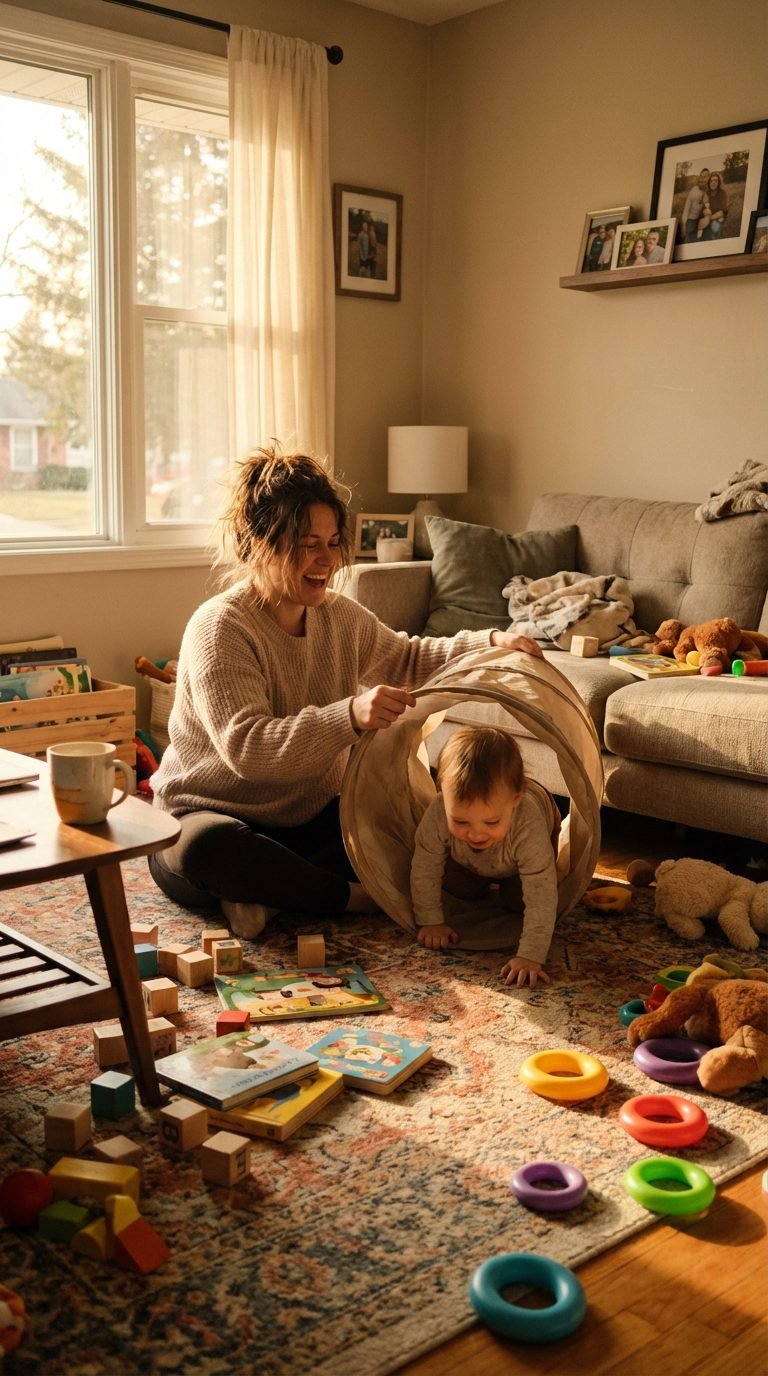
Consider offering alternative activities that provide similar comfort without screens. For instance, screen-free activities for toddlers like reading together or engaging in creative projects can fulfill their need for connection and engagement. Additionally, make sure to validate their feelings when they express disappointment about screen limits.
What Most Parents Try First (And Why It Backfires)
Many parents initially try to combat screen time fights by enforcing strict limits. They might simply cut off access without any explanation. While this approach may seem effective at first, it often backfires.
Strict limits can lead to resentment and rebellion. Children might respond with anger or attempts to sneak in screen time, creating a cycle of conflict. Instead of fostering understanding, this method can deepen the divide between parents and children.
A more effective strategy is to involve your children in the process. Discuss screen time limits together and set goals as a family. This collaborative approach helps children feel heard and respected, making them more likely to adhere to agreed-upon boundaries.

A Simple Shift That Actually Changes Things
One simple shift that transformed our approach to screen time was introducing a dedicated screen-free time each day. This time became sacred, allowing us to connect as a family without distractions. We found that designating specific hours for screen use created a sense of balance.
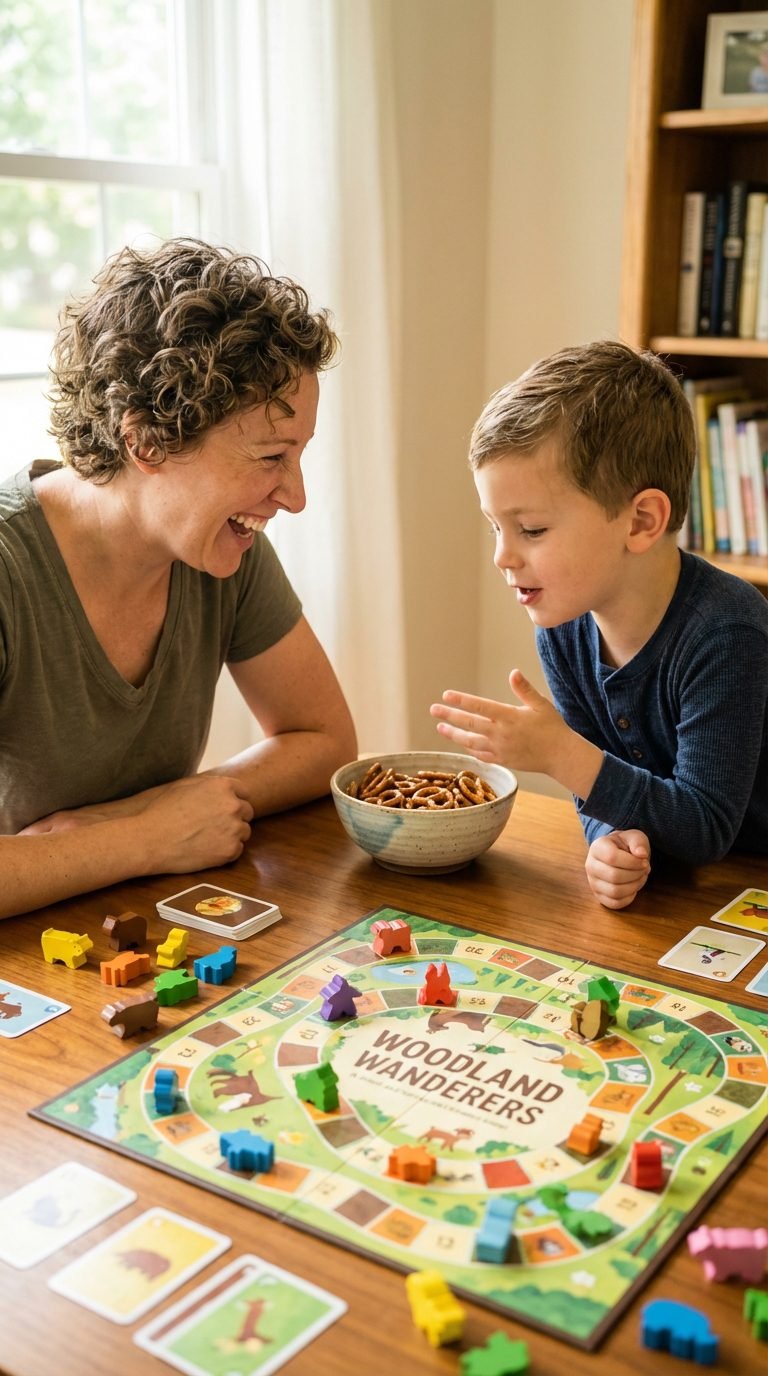
This approach helps establish a routine that everyone can follow. During screen-free time, we engage in activities like playing games, going for walks, or cooking together. As a result, our family bond strengthened, and screen time became less contentious.
Consider implementing a similar practice in your home. Start with just 30 minutes a day and gradually increase it. Encourage your kids to suggest activities they enjoy, making them feel involved and excited about screen-free time.
How to Talk to Your Child About This Topic
When discussing screen time with your child, it’s crucial to approach the conversation with openness. Start by asking them about their feelings regarding screen time. Many kids appreciate being included in discussions that affect their daily lives.
Explain the reasons for your concerns about screen time. Use relatable examples, such as how excessive screen use can impact their sleep or mood. Sharing research about screen time effects can also provide a solid foundation for your arguments.
Encourage your child to express their opinions and feelings. This dialogue fosters understanding and mutual respect. You might say, “I understand you love watching your favorite show, but I also want you to have time for other activities that you enjoy.” This way, they feel heard and valued.

Making It Easier with Small Daily Routines
Creating small daily routines can make managing screen time easier for everyone. Establish consistent times for screen use and screen-free activities. Having a predictable schedule can help reduce anxiety and resistance.
Incorporate engaging screen-free activities for preschoolers into your daily routine. For example, dedicate time for reading, arts and crafts, or outdoor play. These activities provide enjoyable alternatives that can fill their time without screens.
Additionally, build in breaks from screens during family meals or homework sessions. This promotes healthier habits and allows for family bonding time. By making these small adjustments, you create a more balanced environment.
What to Do When Nothing Seems to Work
It can be disheartening when nothing seems to work regarding screen time management. If you find your efforts are met with resistance, it might be time to reassess your approach. Sometimes, a fresh perspective can make a world of difference.
Consider seeking feedback from your child about what they enjoy and what they would like to change. This can provide valuable insights into their preferences and motivations. Additionally, involve them in creating a plan for screen time that they feel comfortable with.
Be patient and persistent. Change takes time, and it’s essential to celebrate small victories along the way. If screen time continues to be a battle, consider reaching out for support from other parents or professionals.

Building Long-Term Habits That Stick
Building long-term habits around screen time requires consistency and dedication. Start by modeling healthy habits as parents. Show your children how you manage your screen time and prioritize other activities.
Involve your kids in creating a family tech agreement that outlines expectations and limits for screen use. This collaborative effort fosters a sense of ownership and responsibility. Additionally, revisit this agreement regularly to make adjustments as needed.
Encourage ongoing discussions about technology and its role in your family’s life. This keeps the lines of communication open and allows for continuous improvement in your screen time management.

As parents, it’s important to acknowledge that parenting is hard work. Every little step you take towards managing screen time is a step in the right direction. Celebrate the small wins, and remember that progress can be gradual. For more family tips, check out more family tips on Simple Family Everyday.
Frequently Asked Questions
What are the signs of screen addiction in kids?
Look for signs like irritability, lack of interest in other activities, and difficulty focusing.
How can I reduce screen time for my children?
Start by introducing engaging screen-free activities like outdoor play or reading together.
What happens when kids have more screen-free time?
Increased screen-free time can lead to improved focus, creativity, and better family connections.
What are some effective screen-free family habits?
Create tech-free zones and set specific times for family activities that don’t involve screens.
How can I set technology boundaries that my kids will respect?
Involve your kids in creating tech rules and explain the reasons behind them.
What should I do if my child resists screen-free activities?
Be patient and offer a variety of engaging options to find what interests them.
How can parents working from home manage screen time?
Establish a schedule that includes screen-free breaks and activities for your kids.
Can I find family activities that are fun without screens?
Absolutely! Try board games, arts and crafts, or outdoor adventures together.
According to the American Academy of Pediatrics, balanced screen habits support healthy child development. For more ideas, check out parenting tips and expert advice.