

When You’Ve Already Lost Your Patience Today — Reset in 3 Minutes
You know that feeling, right? That slow burn building in your chest, the clenching jaw, the sudden inability to tolerate even the slightest inconvenience. You spilled your coffee, the kids are screaming, your internet just died, and your email inbox is a war zone. You look at the clock and it’s barely 10 AM, and you’ve already lost your patience today. The world feels like it’s conspiring against you, pushing every single one of your buttons until you’re teetering on the edge of a full-blown meltdown.
It’s utterly exhausting, isn’t it? But what if I told you there’s a proven, honest way to hit the mental refresh button and reclaim your calm, even when you feel utterly spent? What if you could genuinely reset your entire mindset in just three minutes, no matter how chaotic your day has become?
Why Your Patience Runs Out So Fast: Understanding the Triggers
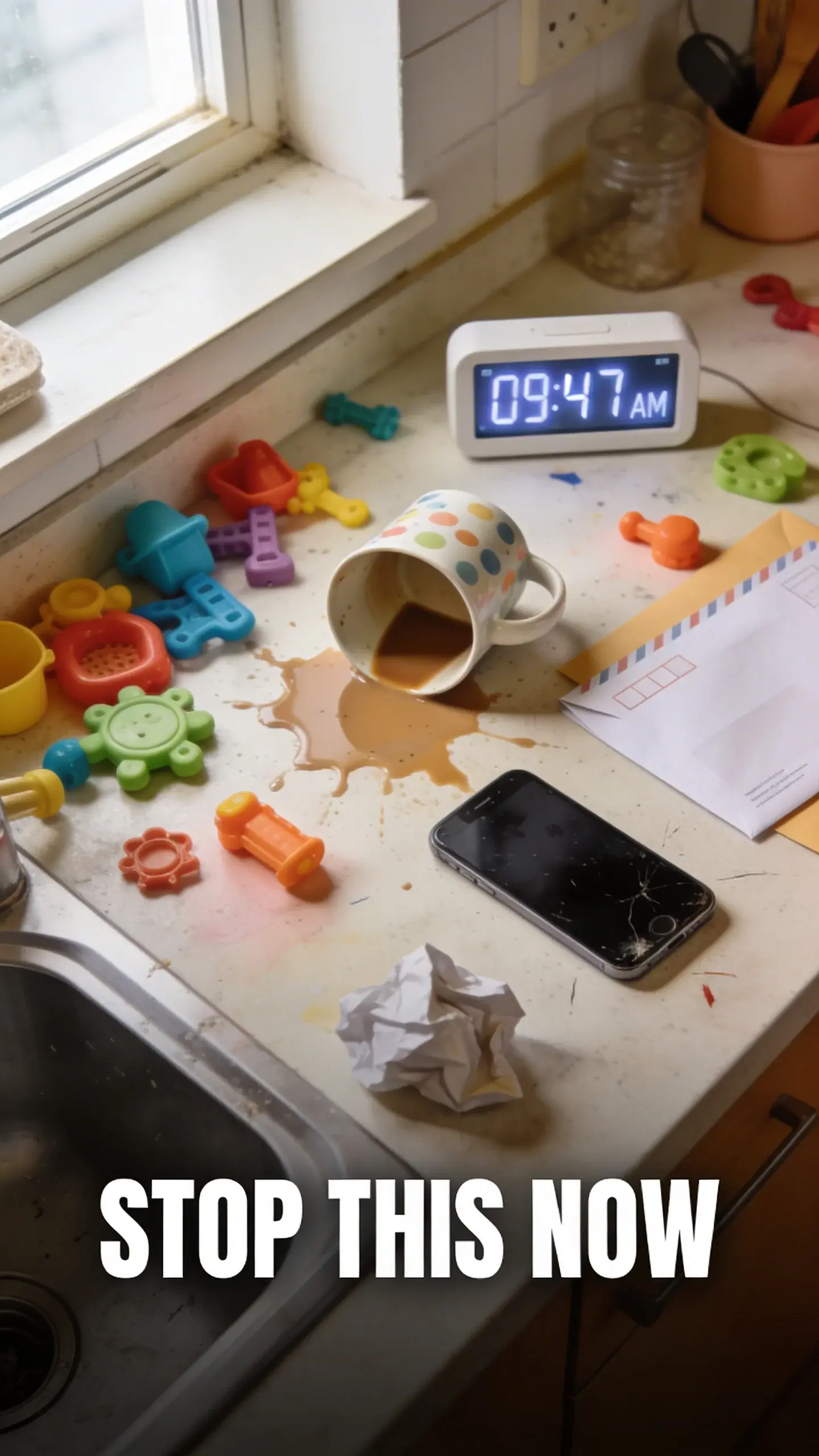
Let’s be real, life is a relentless marathon, not a leisurely stroll through a park. We’re constantly bombarded by notifications, demands, and unexpected curveballs. It’s no wonder our patience reserves often deplete faster than a smartphone battery on a road trip. The moment you feel that familiar surge of irritation, it’s often a sign that your system is overloaded.
Think about it: traffic jams, a never-ending to-do list, a colleague who just doesn’t “get it,” or even just a messy kitchen. These aren’t just minor annoyances; they’re micro-stressors that chip away at your emotional resilience. Each one adds a tiny weight to your mental load, until eventually, the smallest feather can break the camel’s back. When you’ve already lost your patience today, it’s usually the culmination of these small things.
The Science Behind Your Short Fuse
Our bodies are incredible machines, designed to protect us. When we perceive a threat – even a non-physical one like a looming deadline or a rude comment – our sympathetic nervous system kicks into gear. This is your “fight or flight” response, flooding your body with stress hormones like cortisol and adrenaline. While useful for escaping a tiger, it’s less helpful for dealing with a slow Wi-Fi connection.
This physiological response makes you irritable, anxious, and yes, incredibly impatient. Your brain is essentially screaming, “Danger! React!” when all you really need is to calmly respond. The more frequently you activate this stress response, the more easily your patience wears thin. It’s a vicious cycle that can leave you feeling perpetually on edge.
A study published in the journal *Psychological Science* found that even brief periods of mindfulness can significantly reduce stress and improve emotional regulation, proving that short interventions can have a powerful impact on our mental state.
The Secret Power of the 3-Minute Reset: How It Works

Okay, so you’re feeling frazzled. You’ve officially reached your limit. The good news? You don’t need a week-long yoga retreat or a therapist on speed dial to reclaim your sanity. The 3-minute reset is about pattern interruption – a quick, deliberate shift in your internal state that breaks the cycle of frustration. It’s not about solving the external problem that triggered your impatience; it’s about fixing *you*.
Think of it like rebooting a frozen computer. You’re not fixing the software bug, but you’re giving the system a fresh start. This micro-break allows your nervous system to downshift, reducing those stress hormones and bringing your prefrontal cortex (your rational brain) back online. When you’ve already lost your patience today, this is your emergency brake.
Why Micro-Breaks Are So Effective
Our brains aren’t designed for sustained, high-stress output. They need breaks – short, deliberate pauses to process, recover, and re-regulate. Micro-breaks, even as short as three minutes, prevent the accumulation of stress and mental fatigue. They give your mind a chance to step back, gain perspective, and choose a different emotional response. It’s like hitting the mental pause button before you hit rock bottom.
Ignoring the early signs of impatience and pushing through. This often leads to an explosive outburst or complete emotional shutdown later. Don’t wait until you’re at your breaking point; recognize the subtle cues and implement your reset sooner.
Minute 1: Stop, Breathe, and Acknowledge the Fury

This is where the magic begins. The moment you feel that familiar surge of “I can’t take this anymore,” hit the brakes. Seriously, physically stop what you’re doing if possible.
* Step 1: Physically Stop. If you’re typing, stop. If you’re talking, politely excuse yourself for a moment. If you’re driving, pull over if it’s safe. This physical halt signals to your brain that something is changing.
* Step 2: Deep Breathing. This isn’t just a suggestion; it’s a physiological hack. Inhale slowly through your nose for a count of four, hold for a count of seven, and exhale completely through your mouth for a count of eight. Repeat this 4-7-8 breathing technique three to four times. This activates your parasympathetic nervous system, the “rest and digest” mode, immediately lowering your heart rate and stress hormones.
* Step 3: Acknowledge Without Judgment. As you breathe, internally say something like, “Okay, I am feeling incredibly frustrated right now.” Or, “I’ve really lost my patience today, and that’s okay.” Don’t try to suppress the feeling; simply observe it. This mindful acknowledgment creates a tiny bit of distance between you and the emotion, giving you back a sliver of control.
The Art of the Mindful Pause
The mindful pause is about creating space. It’s about recognizing that you are not your emotions; you are the observer of your emotions. This first minute is the most critical because it pulls you out of the reactive spiral and into a state of conscious awareness. It empowers you to choose your next step, rather than being dragged along by your immediate impulses.
Minute 2: Shift Your Focus — A Micro-Distraction with Macro-Impact

Now that you’ve hit pause and taken a few calming breaths, it’s time to gently redirect your attention. This isn’t about ignoring the problem, but about giving your brain a mini-vacation from the intensity. The goal is to engage a different part of your brain or senses for a brief moment.
* Look Out a Window: Find something in nature – a tree, a cloud, a bird. Focus on its details for 30 seconds. This simple act can be incredibly grounding.
* Listen to a Specific Song: Have a go-to 60-second clip of music that instantly uplifts or calms you? Put on your headphones and immerse yourself.
* Drink a Glass of Water: Slowly. Notice the coolness, the sensation of swallowing. Hydration is key, and the act of drinking mindfully can be surprisingly soothing.
* Stretch or Move: Do a quick neck roll, shoulder shrugs, or stand up and stretch your arms above your head. Physical movement releases tension.
* Engage a Different Sense: Light a candle, smell an essential oil (lavender is great!), or hold a smooth stone.
Sensory Hacks to Break the Cycle
Our senses are powerful gateways to our internal state. By deliberately engaging a different sense, you’re literally changing the channel in your brain. This micro-distraction isn’t about escaping reality; it’s about creating a momentary mental shift that allows your brain to reset its emotional thermostat. This is a powerful step when you’ve already lost your patience today.
- ☐ Take 3-4 deep 4-7-8 breaths.
- ☐ Acknowledge how you’re feeling without judgment.
- ☐ Look out a window or focus on a natural object.
- ☐ Take a slow, mindful sip of water.
- ☐ Do a quick stretch or body scan.
Minute 3: Reframe and Re-enter (or Re-exit!)

You’ve stopped, breathed, acknowledged, and shifted. Now, it’s time to consciously decide how you want to proceed. This minute is about regaining your agency and setting a new intention.
* Positive Self-Talk: Replace negative thoughts with empowering ones. Instead of “I can’t handle this,” try “I can handle this one step at a time.” Or, “This is challenging, but I am capable.”
* Set a Small Intention: What’s the very next, most manageable step you can take? Not to solve the entire problem, but just the *next* thing. “I will calmly respond to that email.” “I will ask my partner for help.” “I will take five more minutes before re-engaging.”
* Decide to Re-engage or Step Away Further: Sometimes, after your 3-minute reset, you realize you need more than just a quick break. It’s okay to decide to step away from the situation completely for a bit longer, delegate, or communicate your need for space. This is a powerful act of self-care.
Setting a Mini-Intention for Your Next Steps
This final minute is about conscious choice. You’re not just reacting anymore; you’re responding with intention. You’re taking back control of your emotional narrative. This is the honest truth about regaining control when you’ve already lost your patience today. You choose your next move, rather than letting the frustration choose it for you.
The 3-minute reset isn’t about eliminating stress; it’s about changing your relationship with it. It teaches you that you have the power to choose your response, even when external circumstances are beyond your control.
Beyond the 3 Minutes: Sustaining Your Zen (Even When Life’s a Mess)
While the 3-minute reset is a phenomenal emergency tool, it’s also a stepping stone to greater long-term resilience. To truly survive the chaos and prevent losing your patience today before it even starts, consider integrating these proactive strategies:
* Prioritize Self-Care: This isn’t selfish; it’s essential. Make time for sleep, nutritious food, exercise, and activities that genuinely bring you joy. A well-rested, nourished body and mind are far less susceptible to impatience.
* Set Clear Boundaries: Learn to say “no” more often. Protect your time and energy from excessive demands. Unrealistic expectations from others (and yourself!) are huge patience-zappers. [→ Read more: How to Set Healthy Boundaries at Work]
* Identify Your Triggers: Pay attention to what consistently makes your patience wear thin. Is it specific people, situations, or times of day? Once you identify them, you can either avoid them or prepare for them with your reset strategy.
* Practice Mindfulness Daily: Even 5-10 minutes of meditation or mindful awareness each day can build your emotional muscle, making you less reactive and more present. There are tons of free apps that can help!
* Delegate and Ask for Help: You are not a superhero. If you’re overwhelmed, reach out. Share the load with colleagues, family, or friends. Asking for help is a sign of strength, not weakness.
* Embrace Imperfection: Life is messy. Things will go wrong. People will disappoint you. Accepting this reality can significantly reduce your frustration levels. IMO, striving for perfection is often the fastest route to impatience.
Consistency is key here. The more you practice these resets and proactive strategies, the more naturally they’ll become part of your routine. You’ll build a stronger emotional foundation, making those moments when you’ve already lost your patience today less frequent and less intense.
FAQ Section
Can I really reset my patience in just 3 minutes?
Yes, absolutely! The 3-minute reset is designed to be a rapid intervention that interrupts your stress response and shifts your focus. While it won’t solve underlying issues, it provides an immediate calm and allows you to choose a more measured response. It’s a powerful pattern interrupt for when you’ve already lost your patience today.
What if I’m in a public place and can’t step away when I’ve lost my patience today?
You can adapt the reset to be subtle. Focus on your breathing, look at something distant, take a slow sip of water, or simply close your eyes for a few seconds. The key is internal focus and a brief mental shift, which can be done discreetly almost anywhere.
Is this just a band-aid solution, or does it help long-term?
It’s both! It’s an immediate “band-aid” for acute impatience, but consistent practice builds long-term resilience. By regularly engaging in these micro-resets, you train your brain to respond differently to stress, fostering greater emotional regulation over time.
What are some common triggers for losing patience?
Common triggers include feeling overwhelmed by tasks, unexpected interruptions, dealing with difficult people, technological glitches, lack of sleep, and feeling a lack of control. Identifying your personal triggers is a crucial step in managing your patience.
How can I remember to do this reset when I’m feeling overwhelmed?
Here are a few tips:
- Set a reminder on your phone for specific times of day.
- Place a visual cue, like a sticky note, in your workspace.
- Practice when you’re *not* overwhelmed, so it becomes second nature.
- Tell a friend or family member to gently remind you if they notice you getting agitated.
Conclusion
It’s a universal truth: we all hit our limits. We all have those days when we’ve already lost our patience today, and it feels like there’s no way back from the brink. But the proven truth is, you don’t have to stay in that spiral. You have a powerful tool at your fingertips, one that takes just three minutes to implement.
This simple, honest framework empowers you to reclaim your calm, reset your perspective, and navigate life’s inevitable frustrations with greater grace. Remember, when you’ve already lost your patience today, you have the power to reclaim your calm. Start practicing these micro-resets, and watch your day transform, one mindful moment at a time.
Learn more: activities that.