Why Family Routines Fall Apart (And the Simple System Ours Finally Stuck With)
Why Family Routines Fall Apart (And the Simple System Ours Finally Stuck With)
As parents, we often wonder why family routines fall apart, despite our best efforts to create a harmonious home environment. Many families start with high hopes, envisioning smooth mornings and peaceful evenings, but soon find themselves overwhelmed by chaos. It’s a common struggle that can leave us feeling frustrated and defeated.
Finding the right simple family routine ideas ideas can feel overwhelming at first. However, with a little guidance, it becomes much easier to get started.
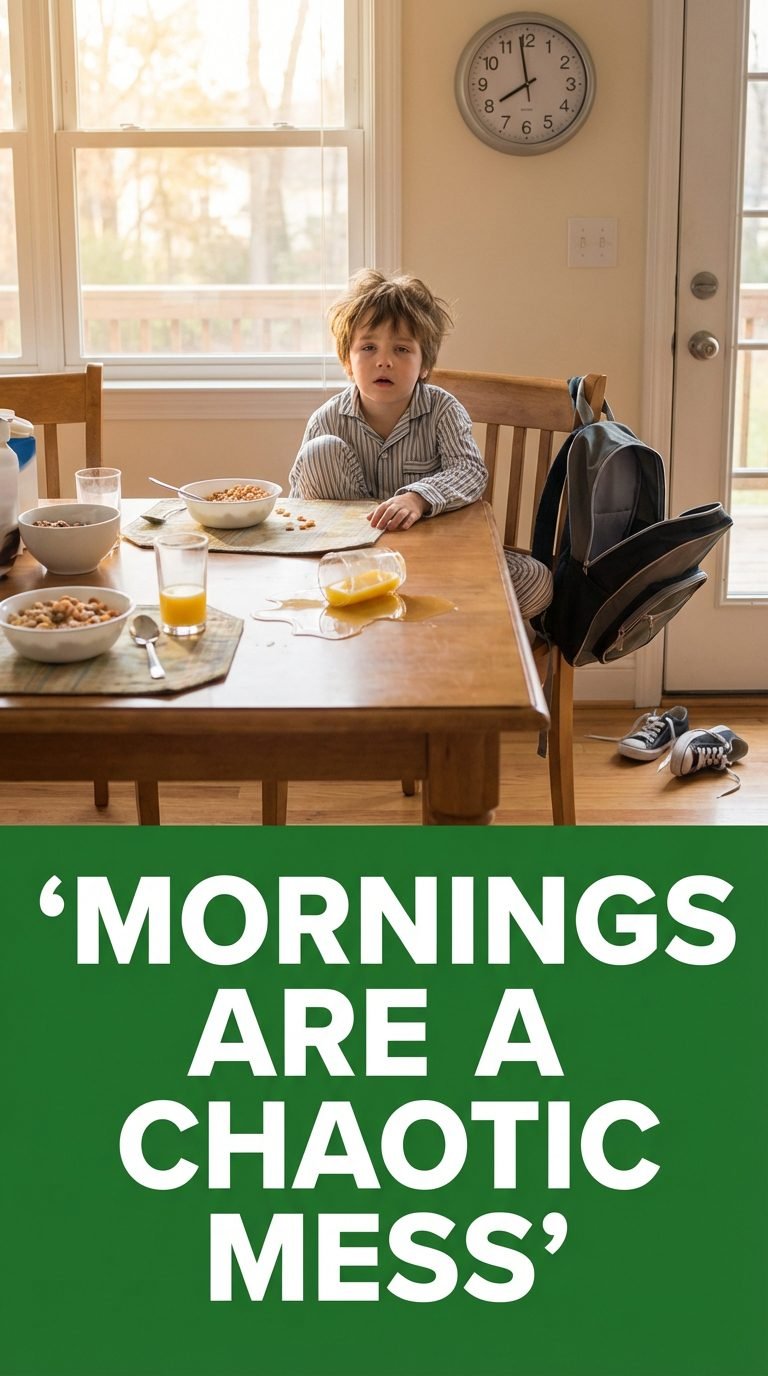
Picture this: It’s Monday morning, and the alarm clock blares. You jump out of bed, only to find that your kids are still in their pajamas, the breakfast dishes are piled high, and the school bus is just minutes away. As you scramble to get everyone ready, you can’t help but think, “Why can’t we just stick to our routine?” If this scenario sounds familiar, you’re not alone. Many families grapple with maintaining routines, but there are ways to make them stick.
Why Is This So Hard for So Many Parents?
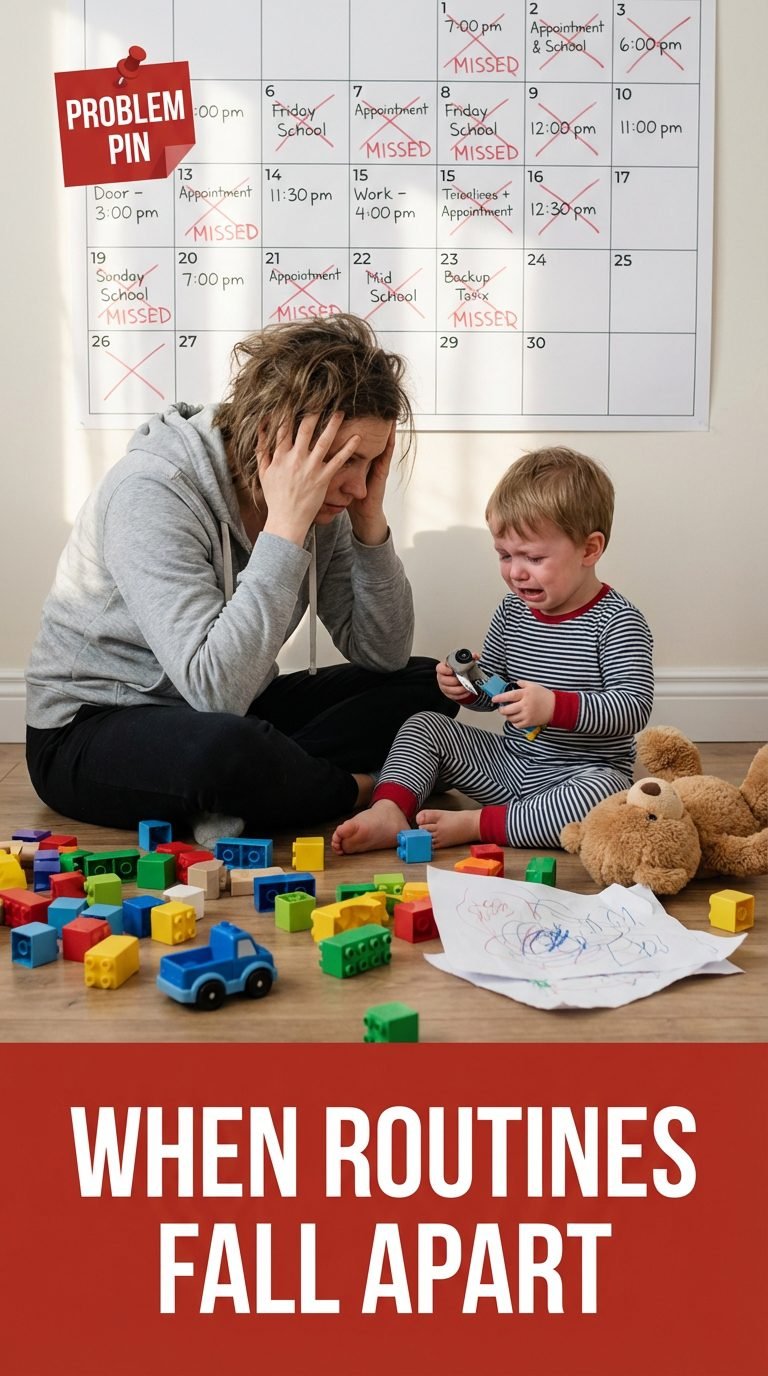
The challenge of maintaining family routines often stems from the chaotic nature of family life itself. Parents are juggling work, school schedules, extracurricular activities, and household responsibilities, making it difficult to keep everyone on the same page. When routines are not consistently followed, they can quickly fall apart, leaving parents feeling like they are constantly in crisis mode.
This inconsistency can lead to confusion and frustration for children, who thrive on structure and predictability. Without clear routines, kids may not know what to expect next, which can result in meltdowns and resistance. Understanding this dynamic is crucial; it highlights the importance of finding a routine that works for your family.
To combat this issue, start by establishing a family meeting where everyone can share their thoughts on routines. Discuss what works and what doesn’t, and involve your children in creating a plan. This inclusion fosters a sense of ownership and responsibility in them, making them more likely to follow through.
The Real Reason This Situation Is So Hard
One of the primary reasons family routines fall apart is due to the unrealistic expectations that parents set for themselves and their children. Many of us believe that a perfect routine means every task must be completed without fail, which is simply not realistic. Life is unpredictable, and we need to adapt our routines accordingly.
Moreover, we often overlook the developmental stages of our children. For instance, toddlers may need more time to complete tasks independently, while older children might require reminders to stay on track. By failing to account for these differences, we set ourselves up for failure.
Instead of aiming for perfection, focus on creating a flexible routine that allows for adjustments. For example, if your toddler struggles to get dressed in the morning, consider laying out their clothes the night before. This small change can lead to a smoother morning, reducing stress for everyone involved.
What Most Parents Try First (And Why It Backfires)
When families first attempt to establish a routine, they often go all in—creating elaborate schedules and checklists. While this enthusiasm is commendable, it can backfire when the routines become too complicated or overwhelming. Children may feel daunted by long lists of tasks, leading to resistance and frustration.
Additionally, many parents try to implement drastic changes overnight, expecting their kids to adapt immediately. This approach can lead to pushback as children may not understand the new expectations, resulting in a chaotic environment.
Instead, start small by introducing one or two simple changes at a time. For example, if you want to create a morning routine, focus on one task, like setting a specific time for breakfast. Once that becomes a habit, gradually introduce another element, such as a morning checklist for getting ready. This incremental approach makes the routine more manageable and less overwhelming.
A Simple Shift That Actually Changes Things
One effective strategy for making family routines stick is incorporating visual aids. Many children respond well to visual schedules and checklists, which can help them understand what is expected of them. A colorful chart displayed in a common area can serve as a daily reminder of tasks and responsibilities.
Visual schedules not only provide clarity but also foster independence. When children can see what they need to do, they are more likely to take initiative and follow through on their tasks. This independence can significantly reduce morning chaos and after-school meltdowns.
To create a visual schedule, involve your kids in the process. Use stickers, drawings, or images that resonate with them. For example, if your child enjoys a particular character, use images of that character next to their tasks. This personal touch makes the routine more engaging and fun.
How to Talk to Your Child About This Topic
Communication is key when establishing family routines. It’s vital to discuss the importance of routines with your children and how they can contribute to a smoother household. Open conversations can encourage their buy-in and make them feel valued in the process.
Start by explaining the benefits of having a routine, such as feeling less rushed in the mornings and having more time for fun activities in the evening. Ask for their input on what they would like included in the routine. This collaborative approach fosters a sense of teamwork and makes children more likely to embrace the changes.
Additionally, use positive reinforcement to celebrate small successes. For instance, if your child follows their morning checklist without reminders, acknowledge their effort with praise. This reinforcement can motivate them to continue following the routine.

Making It Easier with Small Daily Routines
Implementing small daily routines can significantly ease the transition into more structured family life. Consider starting with a simple morning routine for kids that includes just a few key tasks: getting dressed, brushing teeth, and eating breakfast. This straightforward approach can reduce chaos and help kids feel more prepared for the day ahead.
In addition, create an after-school routine that allows children to unwind and recharge. For example, set aside time for a snack, followed by quiet reading or playtime before diving into homework. This structure helps prevent meltdowns by providing a clear transition from school to home life.
To maintain consistency, use a family calendar system where everyone can see upcoming activities and responsibilities. This visibility helps everyone stay on the same page and reinforces the importance of routines.

What to Do When Nothing Seems to Work
Despite our best efforts, there may be times when routines simply don’t seem to stick. During these moments, it’s essential to re-evaluate and adjust your approach. Ask yourself what’s not working and why. Is the routine too complex? Are the expectations unrealistic for your children’s ages?
Sometimes, a simple shift in perspective can make a significant difference. Instead of viewing routines as rigid structures, see them as flexible guides that can adapt to your family’s needs. If something isn’t working, don’t hesitate to change it. For instance, if a bedtime routine is causing stress, consider shortening it or introducing a new calming activity.
It’s also beneficial to check in with your kids regularly. Ask them how they feel about the routines and if they have any suggestions for improvement. This feedback can provide valuable insights and create a sense of ownership in the routine.
Building Long-Term Habits That Stick
The ultimate goal of establishing family routines is to build long-term habits that stick. To achieve this, focus on consistency and patience. It’s essential to remember that habits take time to develop, and there will be bumps along the way.
Encourage your children to reflect on their progress and celebrate small victories. For example, if they successfully follow their bedtime routine for a week, reward them with a special family movie night. This positive reinforcement creates a sense of accomplishment and motivates them to continue.
Additionally, remember that routines can evolve as your children grow. Regularly revisit and adjust routines to fit their changing needs and interests. This adaptability ensures that your family routines remain relevant and effective.
Remember, parenting is a journey filled with ups and downs. It’s okay if things don’t always go as planned. Celebrate the small victories and keep striving for progress. For more family tips, explore more family tips on Simple Family Everyday.
Frequently Asked Questions
Why do family routines often fail?
Family routines often fail due to unrealistic expectations, lack of consistency, and not involving the kids in the planning process.
What is a simple family routine that actually sticks?
A simple family routine that sticks includes clear expectations, visual schedules, and consistent timing, making it easier for everyone to follow.
How can a morning routine for kids reduce chaos?
A morning routine for kids reduces chaos by setting clear expectations and helping children develop independence through structured tasks.
What are some tips for a bedtime routine toddler step by step?
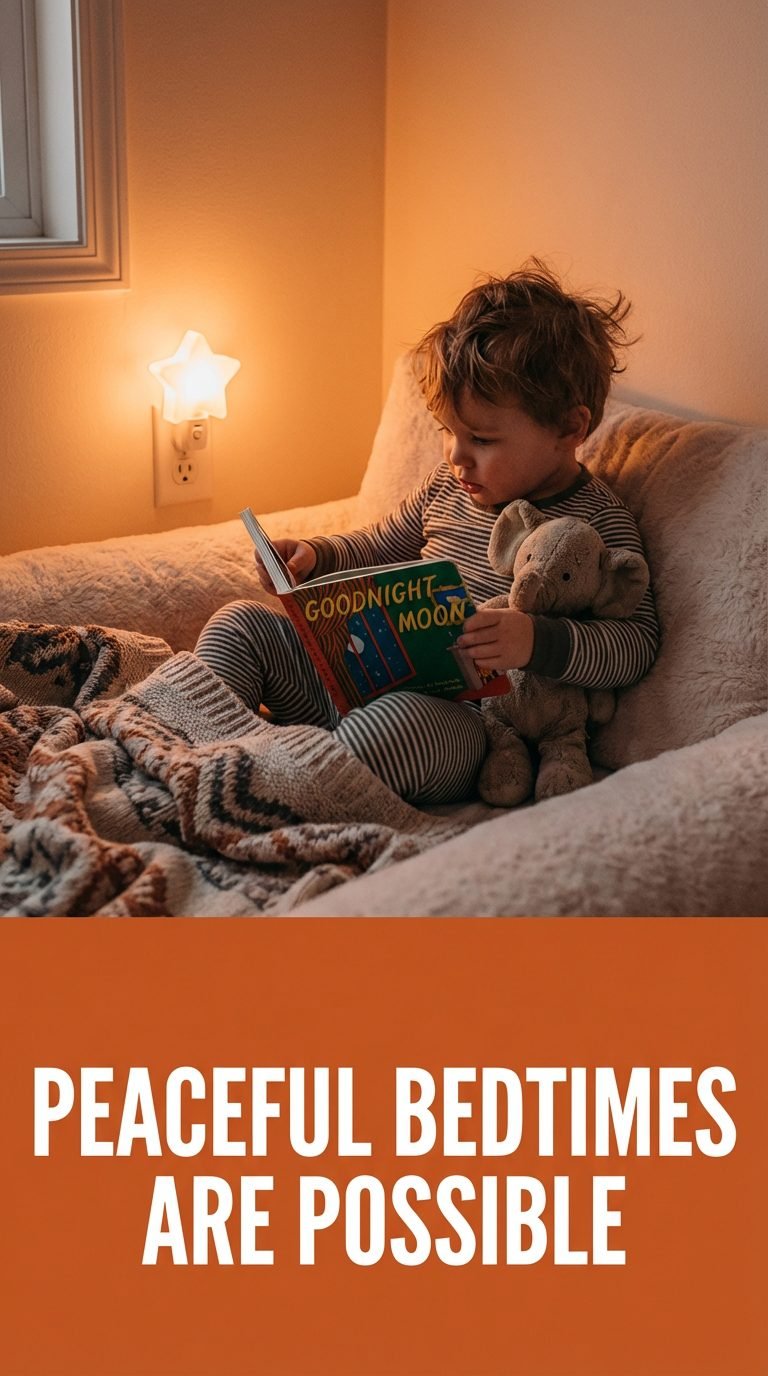
A step-by-step bedtime routine for toddlers might include a bath, storytime, and quiet time to help them wind down and feel secure.
What is an after-school routine to prevent meltdowns?
An after-school routine can prevent meltdowns by including a snack break, downtime, and time for homework, creating a predictable structure.
How can we create a family evening routine everyone follows?
Creating a family evening routine involves discussing everyone’s needs, setting a consistent dinner time, and planning fun activities together.
According to the American Academy of Pediatrics, balanced screen habits support healthy child development.
Looking for a complete overview? Check out our Simple Family Routine Ideas for a Harmonious Home Life for everything you need to know.
Looking for a complete overview? Check out our Simple Family Routine Ideas for a Harmonious Home Life for everything you need to know. For more ideas, check out parenting tips and expert advice. Learn more: child development. Learn more: child development.