What Sensory Play Actually Does to a Toddler’s Brain
What Sensory Play Actually Does to a Toddler’s Brain — And Why Pediatricians Push It
What Sensory Play Actually Does to a Toddler’s Brain — And Why Pediatricians Push It is a question many parents ask. We all want our little ones to thrive, but figuring out how to support their development can feel overwhelming. You might wonder if sensory play is really worth the mess.
Finding the right sensory activities for toddlers ideas can feel overwhelming at first. However, with a little guidance, it becomes much easier to get started.
In this article, I’ll share insights on the real benefits of sensory play for toddlers. You’ll leave with practical activities to try at home, along with tips to make them effective.
Do These Activities Really Work With Toddlers?
Yes, sensory activities are proven to support brain development. They engage multiple senses, helping toddlers learn and explore their world.
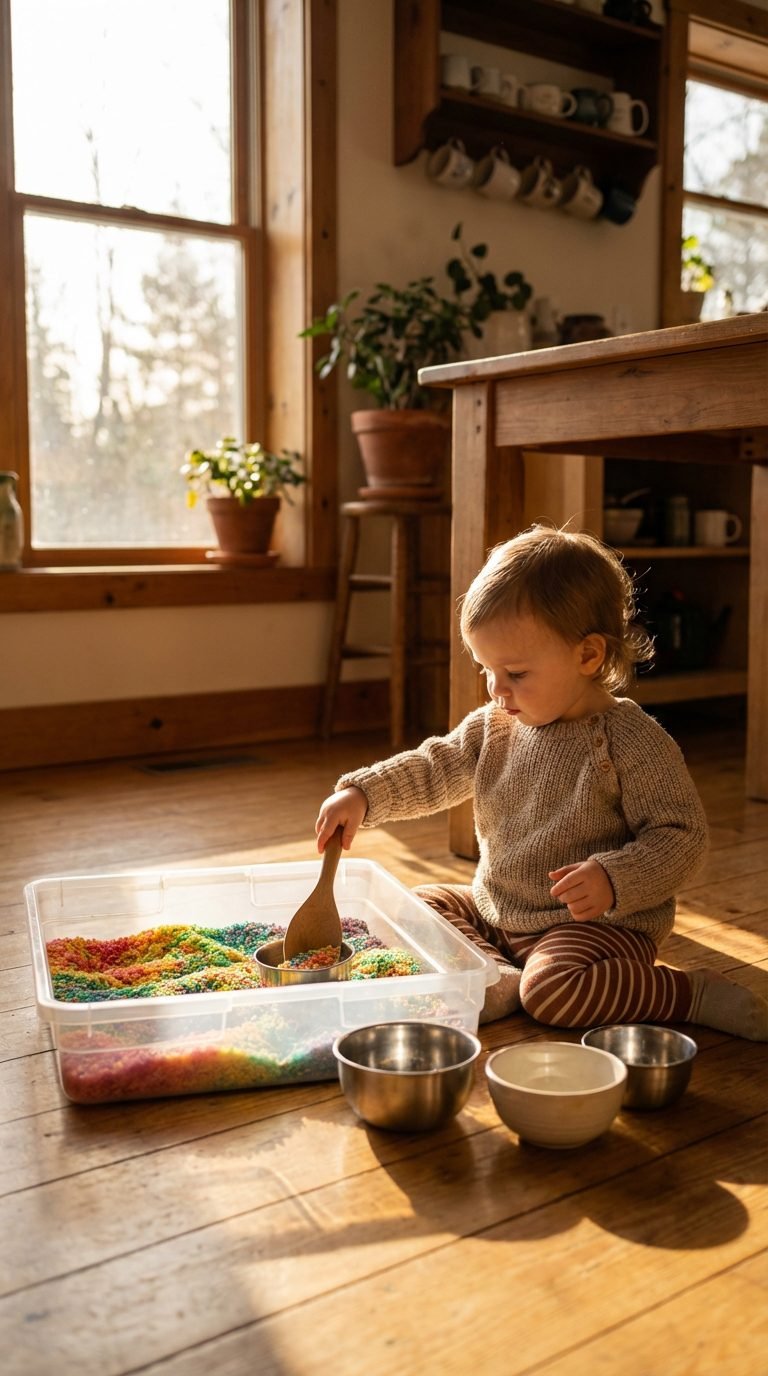
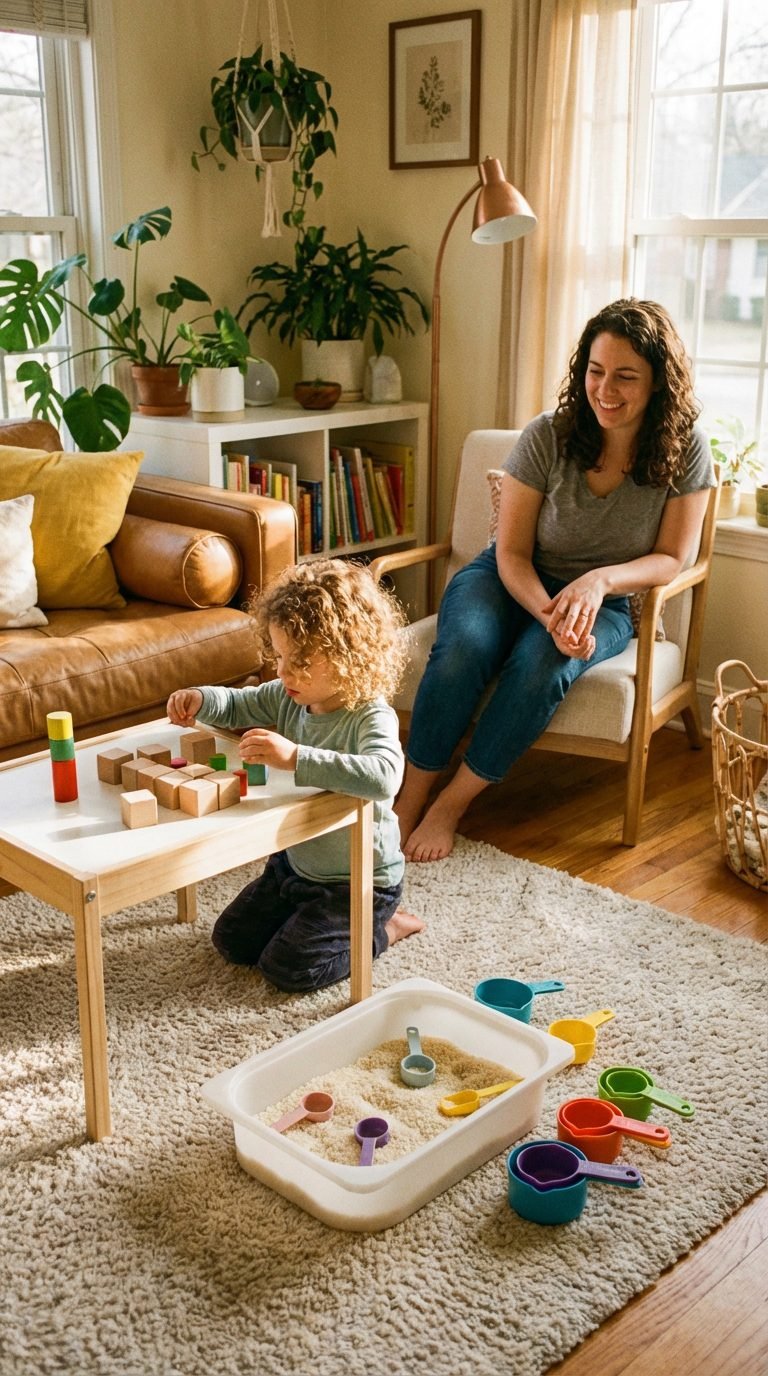
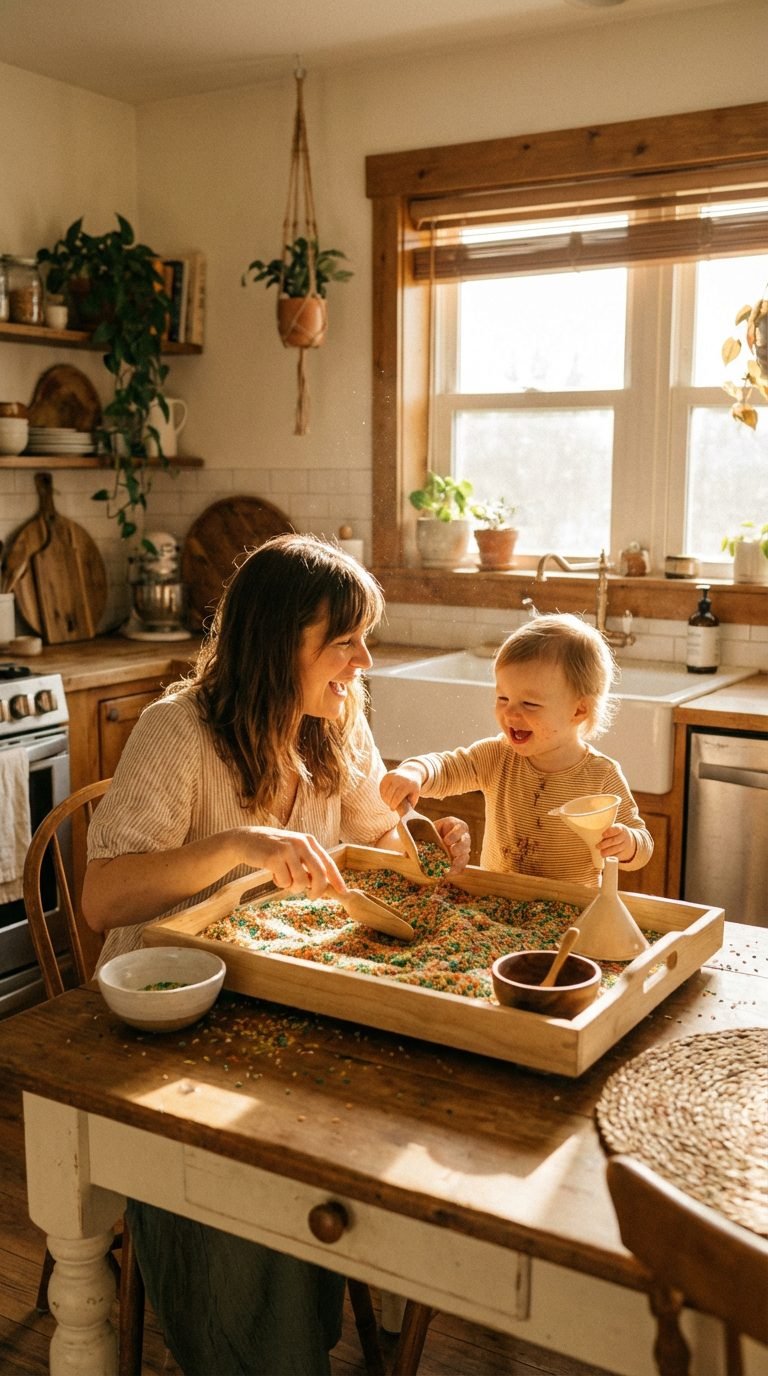
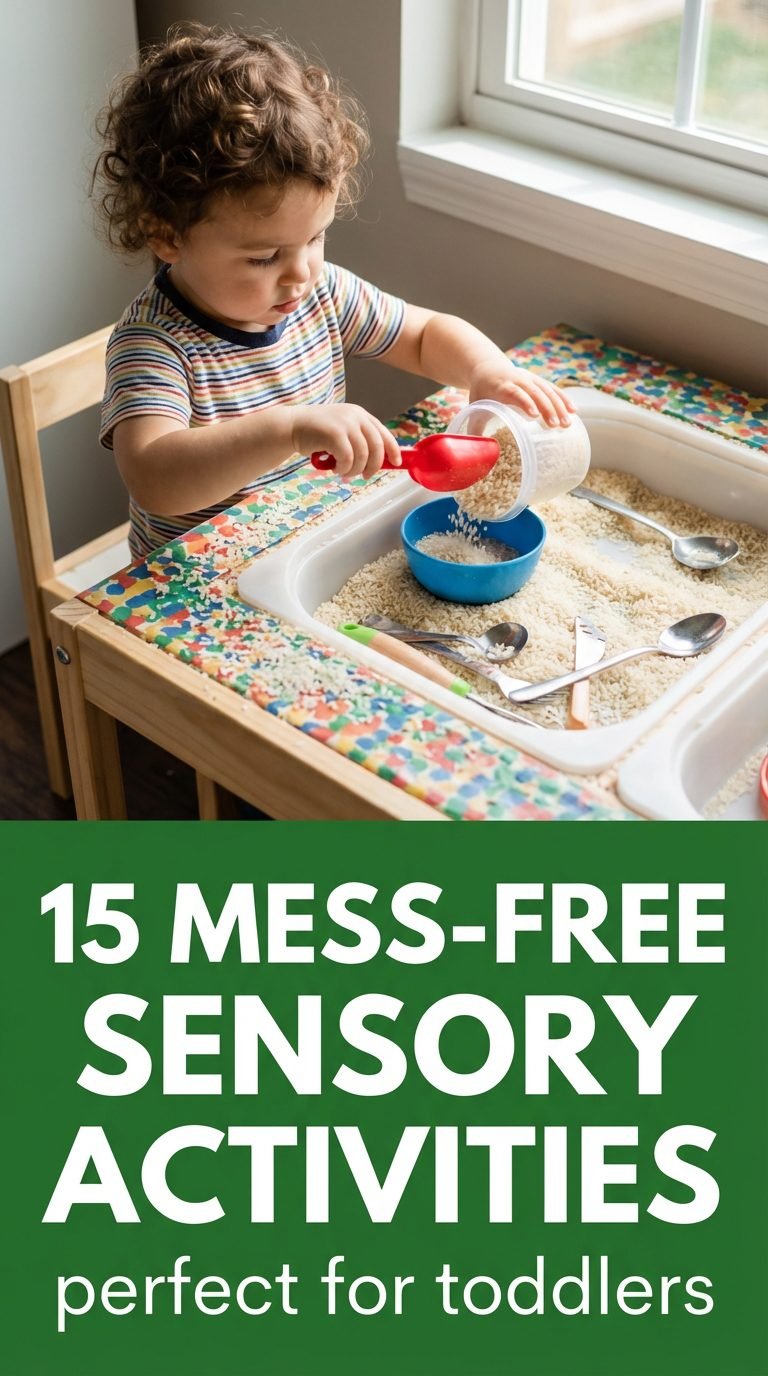
1. Sensory Bin With Rice and Scoops
This one buys you the most time of anything on this list — I’m talking 30 to 45 minutes of focused, quiet play.
It works best when a toddler is bored but too wound up to sit with a book. The physical sensation of scooping and pouring is genuinely calming.
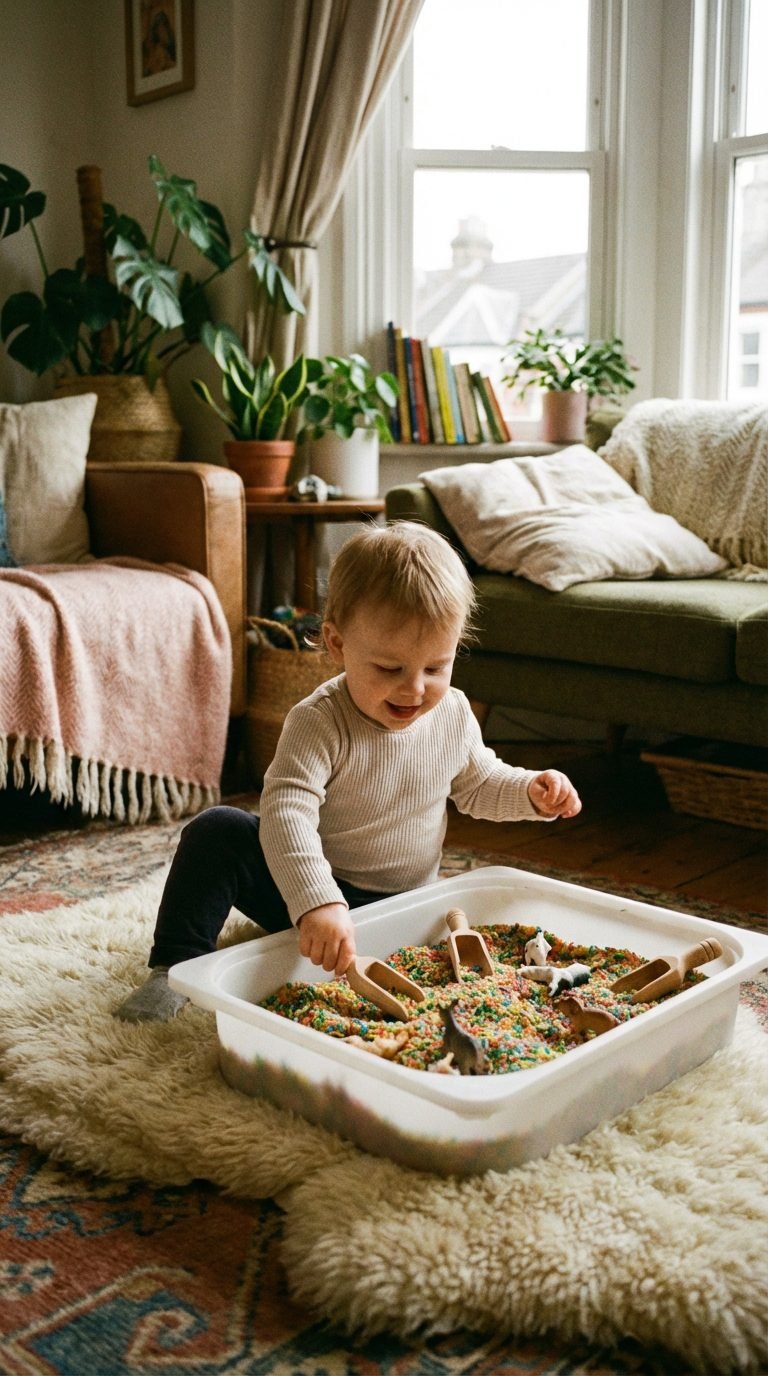
Fill a plastic bin with dry rice, a few cups, and a muffin tin. Show your child how to scoop rice into each cup. That’s it. Don’t over-explain — just hand it over and step back.
Most kids between 18 months and 4 years will dig into this immediately. Expect some rice on the floor. Worth it.
Pro tip: add a few small toy animals or figurines to hide inside — it adds 20 extra minutes of hunting.
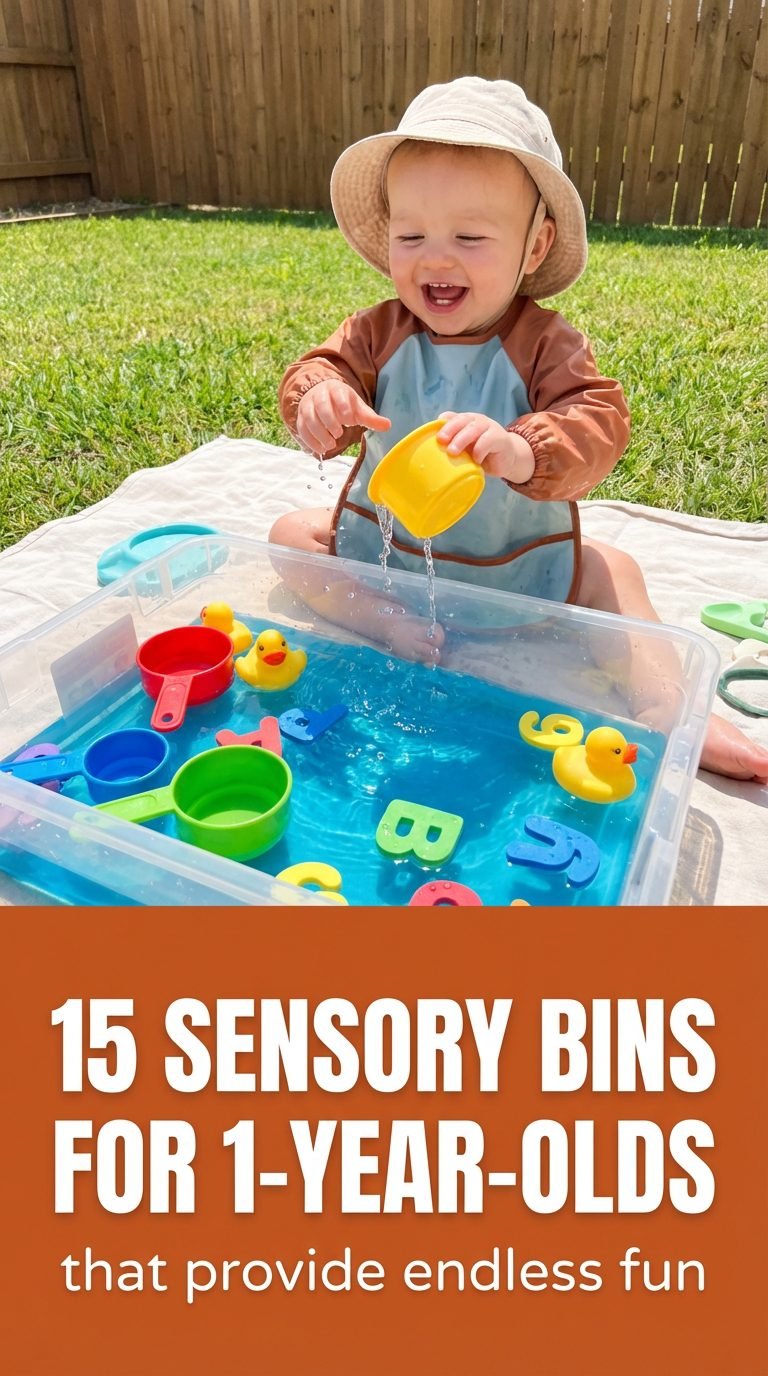
2. Water Play with Measuring Cups
Water play is a classic that never gets old. It’s simple and keeps toddlers engaged.
This activity is perfect for hot days or when you need a quick distraction. Pouring and splashing can be incredibly soothing.
Set up a shallow container filled with water. Provide measuring cups and small toys. Let your child explore freely. You’ll be amazed at how long they stay focused.
Most toddlers will enjoy this for 20 to 30 minutes. Just be ready with towels.
Pro tip: Add a few drops of food coloring for visual stimulation. It makes the water more exciting!
3. Sensory Bag with Gel and Toys
This activity is a great way to combine sensory exploration with fine motor skills.
If you’re looking to calm a fidgety toddler, this is a fantastic option. The squishy texture and visual elements are captivating.
Take a ziplock bag and fill it with hair gel. Add small toys or glitter. Seal it tightly and let your child squish it. They’ll love watching the toys move around.
Most kids around 2 years old will enjoy this for at least 15 minutes. Just supervise to ensure they don’t try to open the bag!
Pro tip: Use different colors of gel to create a rainbow effect. It’s visually engaging!
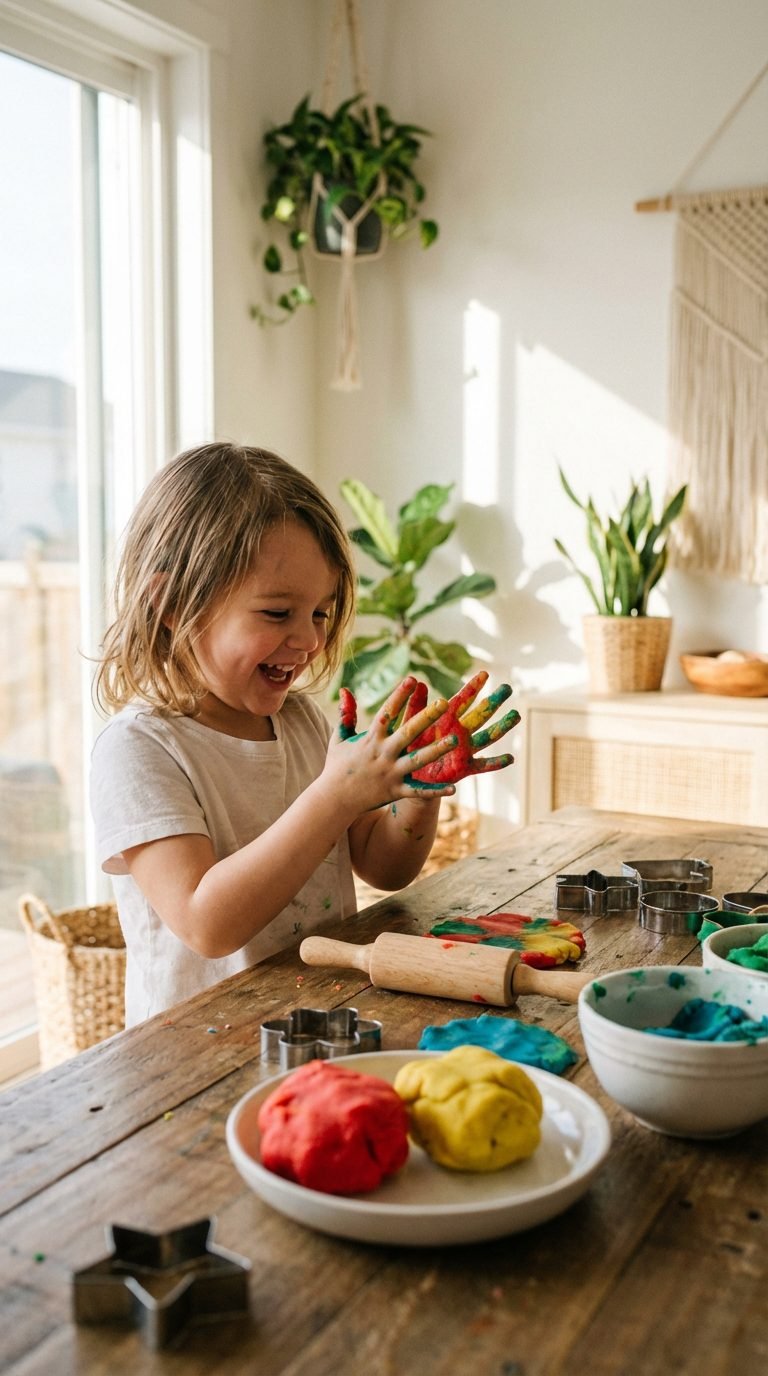
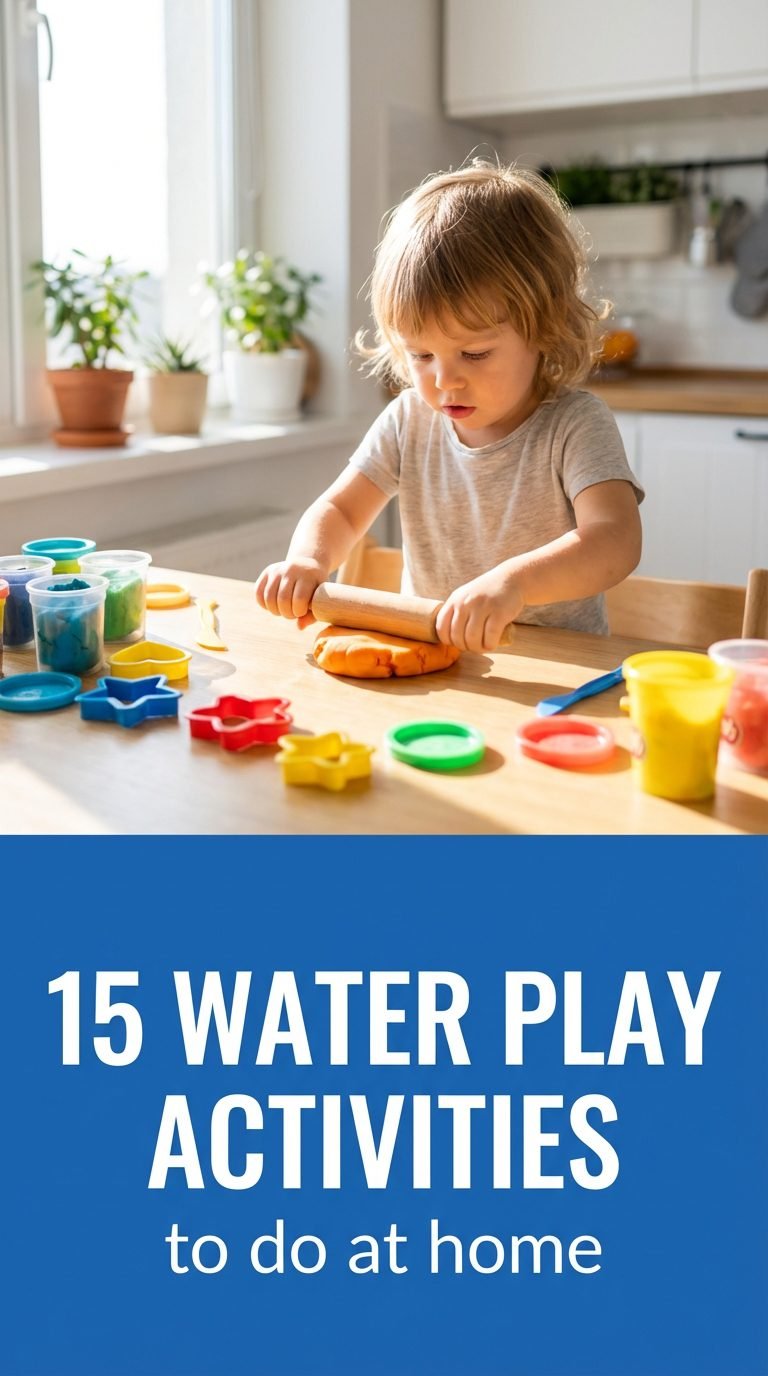
4. Play Dough Fun
Play dough is versatile and perfect for creativity and fine motor skills.
This activity can help with focus when your toddler has too much energy. Rolling, squishing, and molding can keep them busy for a while.
Provide homemade or store-bought play dough. Add cookie cutters, rolling pins, and small tools. Encourage your child to create whatever they want.
Most toddlers will play for 30 minutes or more. Just be ready for some crumbs!
Pro tip: Add scents like vanilla or lemon to make it even more enjoyable.
5. Nature Sensory Walk
This activity combines sensory exploration with outdoor fun. It’s a great way to get some fresh air!
If your toddler has been cooped up, this is a fantastic way to get them moving. The variety of textures and sounds makes it engaging.
Take a walk in your backyard or a nearby park. Encourage your child to touch leaves, flowers, and grass. Ask them to describe what they feel.
Most toddlers will enjoy this for 20 to 30 minutes. Just watch for any sneaky ants!
Pro tip: Bring a bag for collecting interesting items like leaves or rocks. It adds an element of treasure hunting.
Conclusion
If you’re looking for a starting point, I recommend the sensory bin with rice. It’s simple and keeps little hands busy. Remember, it’s okay if things get a little messy. That’s part of the fun! For more family activity ideas, check out more family activity ideas on Simple Family Everyday.
According to the American Academy of Pediatrics, balanced screen habits support healthy child development.
Learn more: child development. Learn more: child development.