
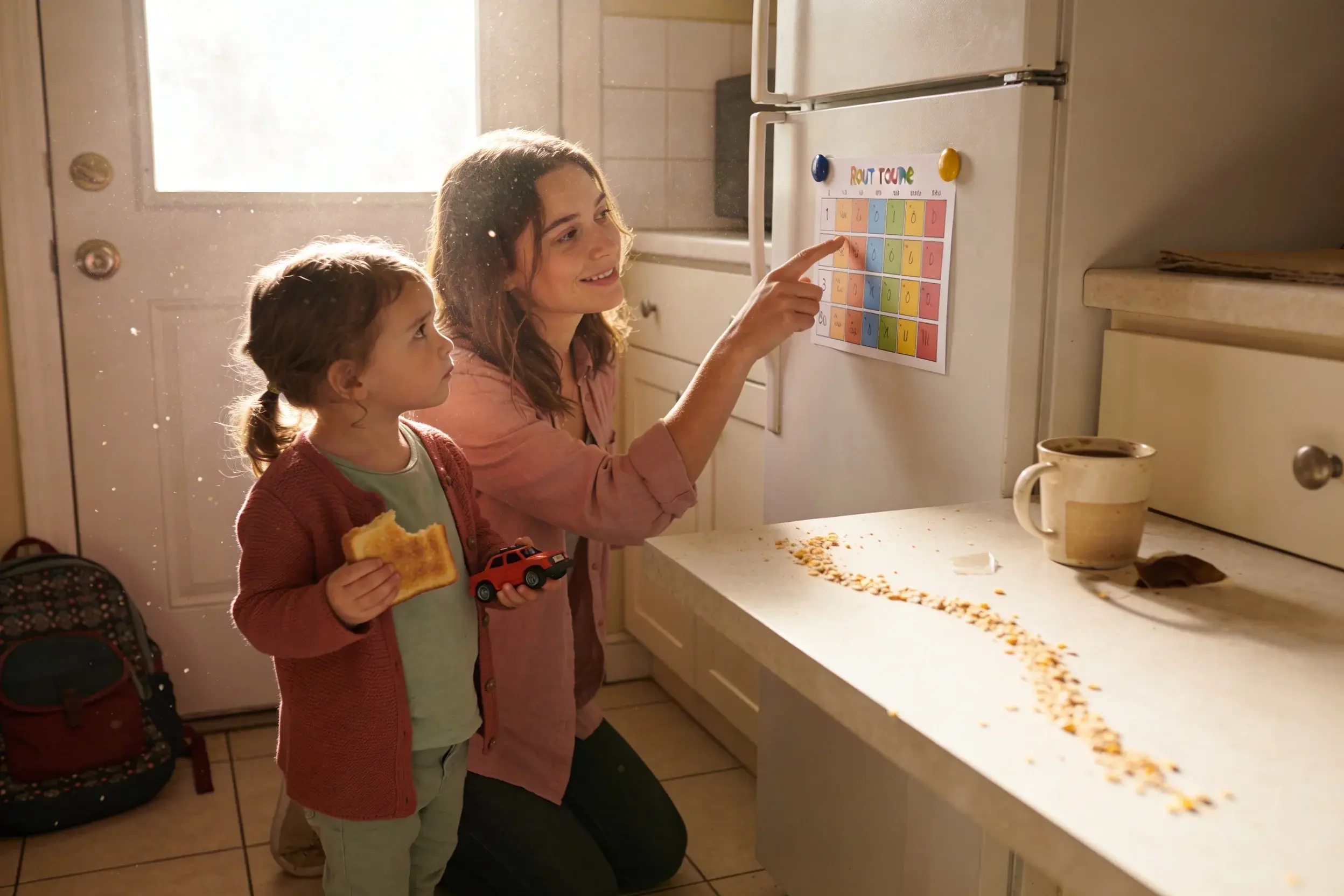
Printable Preschoolers Routine Chart (Visual Schedule System) Calm!
Are you tired of the daily struggle, the constant “no’s,” and the feeling of utter overwhelm when it comes to getting your little one through the day? You’re not alone if mornings feel like a wrestling match and bedtimes dissolve into tears and frustration. The good news is, a printable preschooler routine chart might just be the superhero cape your family needs.
Indeed, if you’re searching for a simple, effective tool to bring calm and predictability to your home, you’ve landed in the right spot. This article promises to help you transform daily chaos into predictable calm, fostering independence and reducing meltdowns without adding more stress to your plate. Ready to reclaim your peace?
Finally, Calm: Ditching Daily Overwhelm with a Printable Preschooler Routine Chart
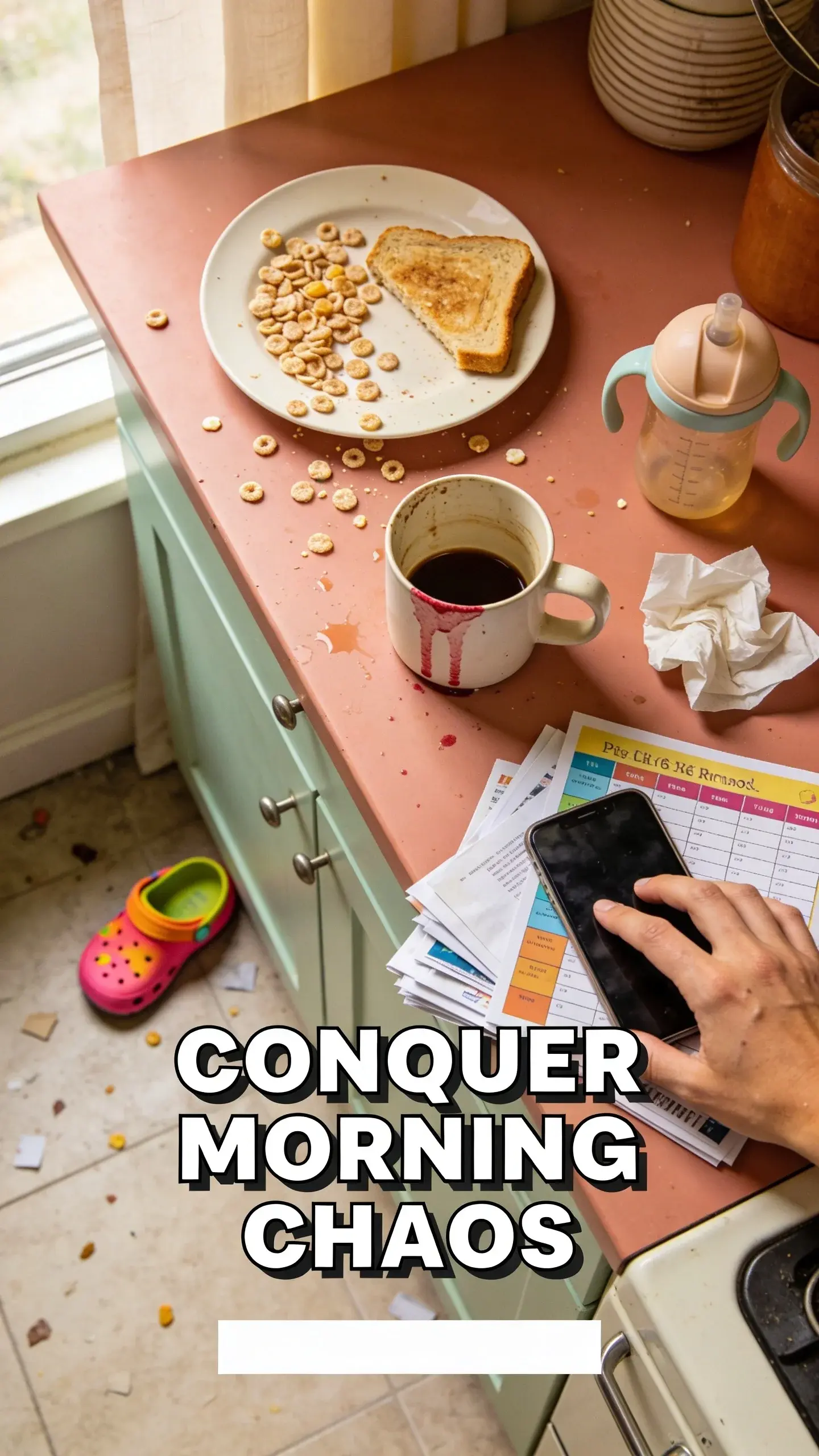
Let’s be honest, parenting a preschooler is a beautiful whirlwind of joy and absolute madness. One minute they’re cuddling, the next they’re refusing to put on their shoes, sparking a full-blown meltdown right when you’re already running late. This daily cycle of power struggles can leave any parent feeling utterly overwhelmed and guilty.
Often, these outbursts stem from a child’s natural need for control and understanding. Young children thrive on predictability. They simply don’t have the cognitive tools to grasp abstract time or complex sequences of events. This is exactly where a visual schedule system shines, helping to solve those frustrating morning routine meltdowns.
Don’t just tell your child what to do. Expecting them to remember a verbal list of tasks can be overwhelming. Instead, show them the sequence visually to reduce confusion and resistance.
A visual schedule acts as a clear, consistent guide for your child. It empowers them by showing what comes next, reducing anxiety and increasing cooperation. Think of it as their personal roadmap for the day.
What Exactly is a Visual Schedule System?
In simple terms, a visual schedule uses pictures or symbols to represent daily activities. These pictures are arranged in the order they will happen. For instance, a picture of a toothbrush followed by a picture of breakfast. This helps little ones understand the flow of their day.
It’s a concrete way to communicate abstract concepts like time and sequence. Furthermore, it gives children a sense of control. They can “see” what’s happening and anticipate transitions, which is a huge step towards independence.
Children often resist routines because they don’t understand them. A visual schedule bridges this communication gap, turning abstract expectations into concrete, understandable steps. This clarity builds confidence and reduces anxiety for everyone.
Why Visual Schedules Work: The Science Behind Toddler Visual Schedule System Benefits

You might wonder why a few pictures can make such a big difference. The truth is, visual schedules tap into how young children’s brains process information. They are highly visual learners. Moreover, their language skills are still developing.
Therefore, seeing a picture of “getting dressed” is often much clearer than just hearing the words. This clarity is a major benefit of any toddler visual schedule system. It reduces the cognitive load on their developing minds.
-> Source: American Academy of Pediatrics – Consistent routines provide a sense of security and stability for children, which is crucial for their emotional and cognitive development.
Here are some powerful benefits:
- Boosts Independence: Children can “read” their schedule and complete tasks without constant verbal prompting. This fosters self-reliance.
- Reduces Anxiety: Knowing what comes next eliminates uncertainty, a common trigger for meltdowns. Predictability is comforting.
- Improves Communication: It provides a common language for parents and children. You can simply point to the chart.
- Eases Transitions: Moving from one activity to another becomes smoother when children can anticipate the change. This is especially helpful for tricky moments like leaving the park.
- Teaches Time Management: While preschoolers don’t grasp clock time, they learn sequence and the concept of “first, then.” This is an early building block for time skills.
Furthermore, a visual schedule can be a game-changer for children who thrive on structure, including those with developmental differences. For instance, a visual schedule for autism preschool environments is a widely recognized and effective tool.
Crafting Your Custom Printable Daily Schedule for Kids Free

Now that you understand the “why,” let’s dive into the “how.” Creating a printable daily schedule for kids free of charge is easier than you think. You don’t need fancy software or artistic talent.
The key is to keep it simple, clear, and engaging for your child. Remember, this is a tool for them, not a work of art for a gallery. Focus on functionality and clarity.
Gathering Your Materials for a Printable Preschooler Routine Chart
You’ll need just a few basic items to get started. Many of these you probably already have at home. Therefore, it’s a very budget-friendly solution.
- Pictures: Use clip art, simple drawings, photos you take, or even images from a quick online search.
- Paper/Cardstock: For durability.
- Laminator (Optional but Recommended): This makes your chart last much longer.
- Velcro Dots or Magnets: To make the pictures movable.
- Poster Board or Magnetic Whiteboard: As your base.
If you’re not keen on drawing, a quick search for “free printable visual schedule cards” will yield tons of options. Many websites offer free resources for parents.
Steps to Build Your Visual Schedule
Follow these straightforward steps to create an effective routine chart. It’s a fun project you can even involve your child in.
- Identify Key Routines: Think about your child’s day. What are the main activities? Morning, meal times, play, bedtime are common ones.
- Break Down Activities: Don’t make tasks too broad. “Getting ready” is too vague. Instead, use “eat breakfast,” “brush teeth,” “get dressed.”
- Find or Create Pictures: Choose clear, simple images that your child can easily understand. For example, a picture of a bowl for breakfast.
- Assemble the Chart: Arrange the pictures in sequence on your poster board or whiteboard. Use Velcro dots so your child can remove each picture as they complete the task.
- Introduce and Practice: Explain the chart to your child. Walk through each step together. Consistency is key here.
For instance, if your child struggles with bedtime, a specific bedtime routine chart for 3 year olds can be incredibly effective. Include pictures for bath, pajamas, brush teeth, story, and bed.
- ☐ Pictures are clear and simple.
- ☐ Tasks are broken down into small steps.
- ☐ Chart is placed at child’s eye level.
- ☐ Child can easily interact with the chart (e.g., remove pictures).
- ☐ Focus on 3-5 tasks per routine initially.
Making It Stick: Tips for Introducing Your Preschool Routine Chart Ideas
You’ve created a fantastic chart, but the real magic happens in how you introduce and use it. It’s not a set-it-and-forget-it tool. Instead, it requires consistent engagement and a positive approach.
Many parents find that making the introduction a fun event helps. Therefore, involve your child from the very beginning. This gives them ownership over their new routine.
Engaging Your Child with Their New Printable Preschooler Routine Chart
Here are some practical tips to ensure your routine chart becomes a beloved part of your daily life. Remember, patience is a virtue, especially with toddlers.
- Make it a Game: “Let’s check our chart to see what’s next!” or “Can you find the picture for brushing teeth?”
- Use Positive Reinforcement: Praise your child for following the chart. “Wow, you looked at your chart and put on your socks all by yourself!”
- Be Consistent: Use the chart every single time, even when you’re in a rush. Consistency builds trust and habit.
- Place it Strategically: Put the chart where your child can easily see and interact with it. The kitchen or their bedroom wall works well.
- Involve Them in the Process: Let them choose some of the pictures or help put the Velcro dots on. This increases their buy-in.
For example, my daughter used to fight getting dressed every morning. We added “choose outfit” as the first step on her chart. Giving her that tiny bit of control made a huge difference. [-> Read more: toddler discipline strategies]
Research shows that visual supports can significantly improve task engagement and reduce challenging behaviors in young children by providing clear expectations and structure. -> Source: Zero to Three – Visual Supports for Young Children.
Beyond the Basics: Advanced Uses for Your Visual Schedule Printables for Home
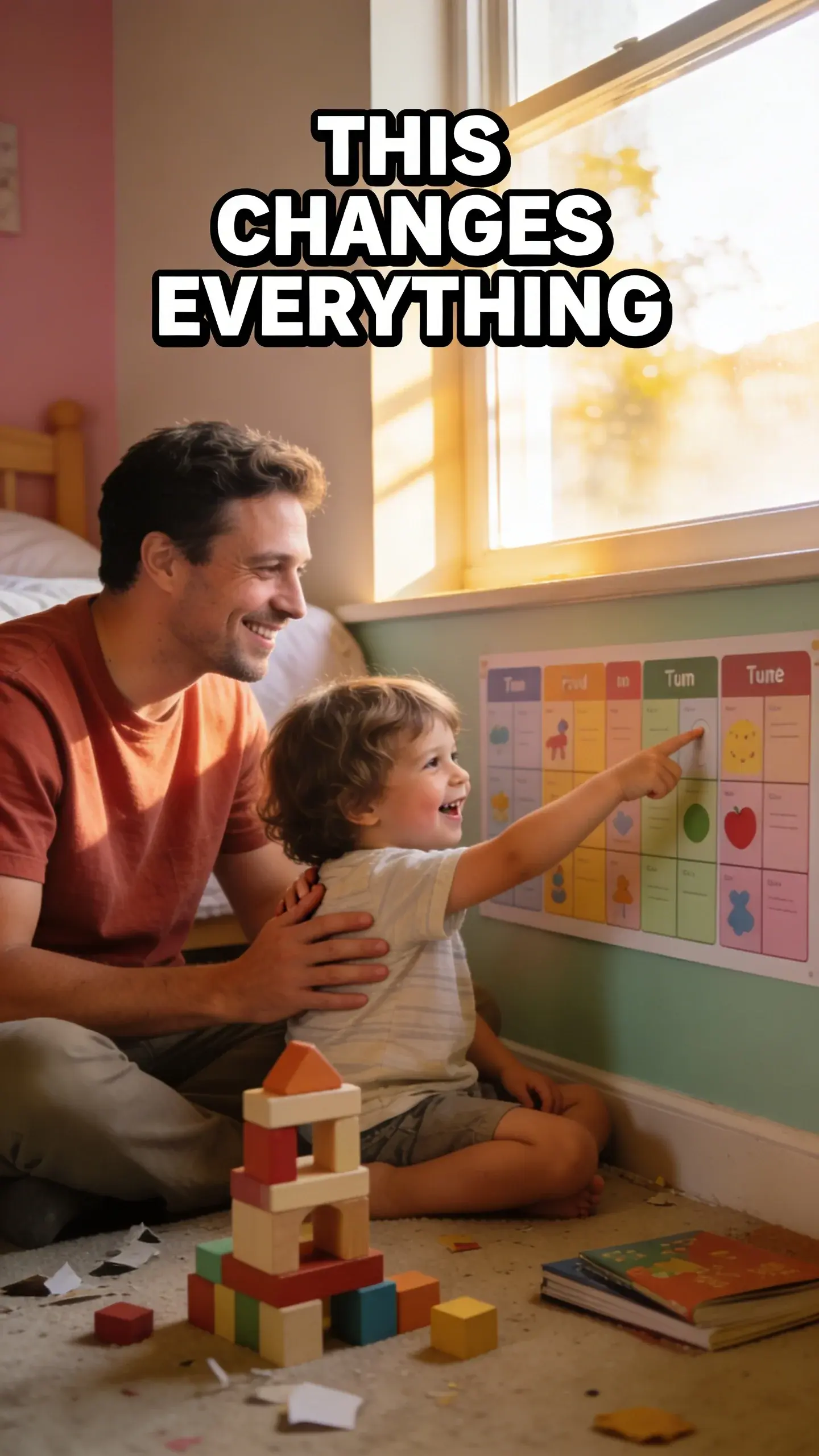
Once your child is comfortable with their basic printable preschooler routine chart, you can expand its use. Visual schedule printables for home are incredibly versatile. They can help with more than just daily tasks.
Consider using them for special situations or to introduce new concepts. This builds on the foundation of predictability you’ve already established.
Expanding Your Printable Preschooler Routine Chart‘s Reach
Here are some creative ways to use your visual schedule system:
- Transitioning Between Activities: Create mini-schedules for specific transitions, like “clean up toys” -> “snack time” -> “outside play.”
- Special Events: Use a visual schedule to prepare your child for doctor’s appointments, trips to the grocery store, or visits to grandma’s house.
- Chore Charts: Introduce age-appropriate chores with pictures. For instance, “put toys in bin” or “help set table.”
- Behavior Management: A “first, then” board can link a less preferred activity with a preferred one (e.g., “first clean up, then iPad”).
- Learning Activities: Sequence steps for simple crafts or baking. This helps with following directions.
For instance, if you’re introducing screen time rules, a visual schedule could show “first homework, then 30 minutes screen time.” [-> Read more: managing screen time for preschoolers]
Troubleshooting Your Printable Preschooler Routine Chart: Common Pitfalls
Even the best tools can hit a snag. If your printable preschooler routine chart isn’t working as smoothly as you’d hoped, don’t despair! There are common reasons why it might not stick. Often, a small adjustment can make a world of difference.
It’s important to remember that every child is unique. What works for one might need tweaking for another. Let’s look at some typical challenges and how to overcome them.
Addressing Challenges with Your Visual Schedule System
Consider these points if your routine chart isn’t quite hitting the mark. A little detective work can go a long way.
- Too Many Steps: If your chart has too many pictures, it can be overwhelming. Simplify it to 3-5 key tasks per routine.
- Pictures Aren’t Clear: Ensure the images are easily recognizable to your child. Use real photos if clip art isn’t clicking.
- Inconsistent Use: The chart won’t work if it’s only used some of the time. Commit to using it consistently for a few weeks.
- Lack of Ownership: Did your child help create it? If not, involve them in choosing new pictures or arranging tasks.
- No “Finished” Cue: Children love a sense of completion. Have a “finished” pocket or box where they put completed task pictures.
One time, I realized my son wasn’t engaging with his chart because the pictures were too small. We printed larger ones, and suddenly, he was pointing to each task with enthusiasm! Sometimes, it’s those tiny details.
FAQ: Your Questions About Printable Preschooler Routine Charts Answered
What is a printable preschooler routine chart?
A printable preschooler routine chart is a visual tool that uses pictures or symbols to show a child the sequence of daily activities. It helps them understand what will happen next, promoting independence and reducing anxiety. These charts are often printed and can be customized with various activities.
How do visual schedules help preschoolers?
Visual schedules help preschoolers by providing clear expectations and predictability in their day. They reduce communication barriers, ease transitions between activities, and empower children to complete tasks independently. This support can significantly lower frustration and the incidence of meltdowns.
At what age can I start using a preschooler routine chart?
You can typically start using a preschooler routine chart around 2.5 to 3 years old, or whenever your child shows an interest in understanding sequences. Some children benefit even earlier. The key is to keep the chart simple and use clear, relatable pictures.
Where can I find free printable preschoolers routine chart templates?
Many parenting blogs, educational websites, and Pinterest offer free printable preschoolers routine chart templates. You can also find free clip art online to create your own customized charts. Look for options that allow you to easily edit or print.
How do I introduce a visual schedule to my child?
Introduce the schedule by:
- Explaining each picture simply.
- Walking through the routine together.
- Physically moving or checking off tasks as they are completed.
Make it an exciting new tool, not a chore. Consistency and positive reinforcement are vital for success.
Can a printable preschooler routine chart reduce tantrums?
Yes, a printable preschooler routine chart can significantly reduce tantrums by addressing common triggers like uncertainty and lack of control. When children know what to expect, they feel more secure and are less likely to react with frustration. This creates a calmer environment for everyone, thanks to a clear visual schedule.
Embrace the Calm with Your Printable Preschooler Routine Chart
So, you’ve seen how a simple visual schedule can transform daily chaos into a predictable, peaceful rhythm. It’s more than just a chart; it’s a powerful communication tool that fosters independence and reduces those frustrating power struggles.
Imagine mornings without the battle over shoes, or bedtimes that end in sweet dreams instead of tears. Your home can feel calmer, your child more confident, and your parenting journey a little lighter.
Why not take the first step today? Try creating one small routine, like a morning or bedtime printable preschooler routine chart. You might be amazed at the positive ripple effect it has on your entire family. [-> Read more: creative learning activities for home] For more ideas, check out parenting tips and expert advice. Learn more: behavior management.