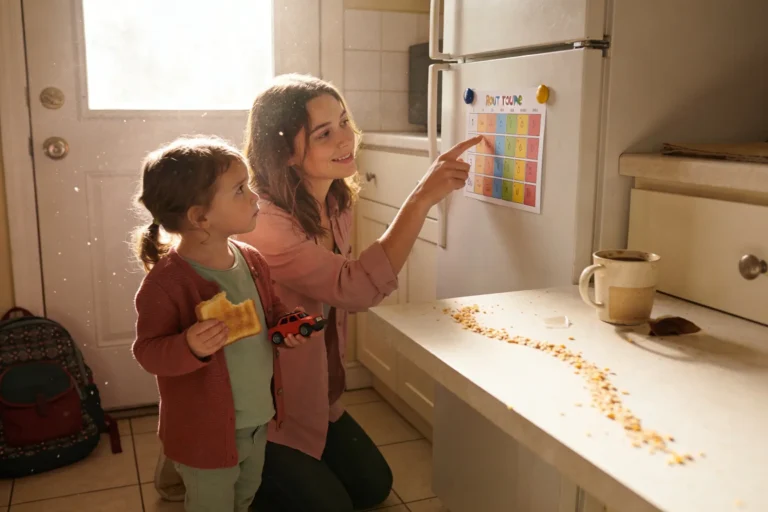

Get Printable Elementary Kids Routine Chart (Visual Schedule System)
Do your mornings feel like a frantic sprint? Perhaps evenings are a never-ending negotiation, leaving you feeling utterly overwhelmed and guilty about the constant battles. If you’re a parent of an elementary-aged child, you know the struggle is real when it comes to consistent routines.
However, there’s a simple, powerful tool that can transform this daily chaos into predictable calm: the printable elementary routine chart. This article promises to help you turn daily friction into a source of confidence and independence for your child, making routines a source of connection instead of conflict. Are you ready to reclaim your peace?
Why Your Family Needs a Visual Schedule System for Elementary Students
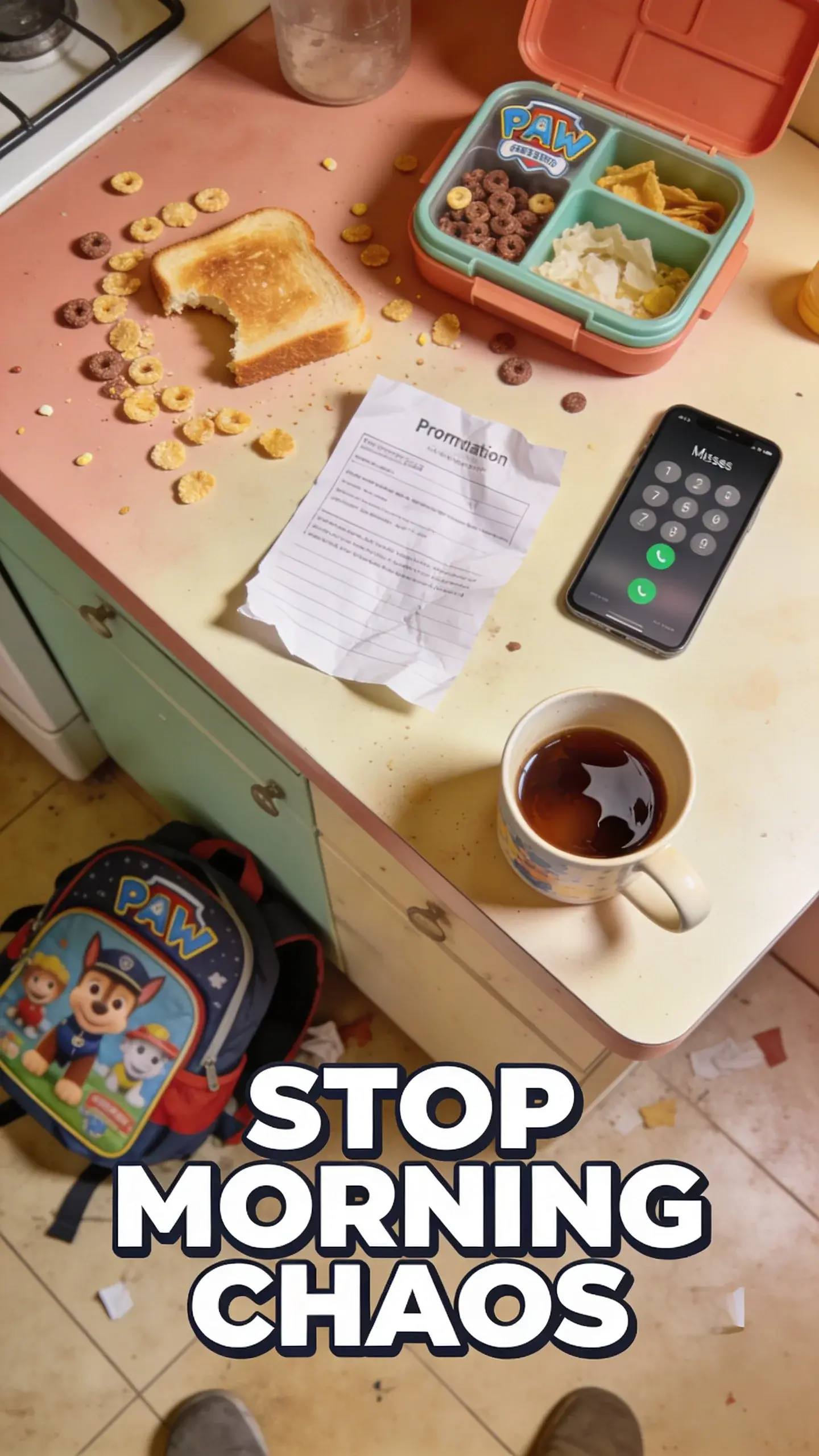
Let’s be honest, parenting often feels like herding cats, especially when it comes to getting kids to do what needs to be done. Children thrive on predictability, yet our modern lives can feel anything but. This inconsistency often leads to meltdowns, power struggles, and a pervasive sense of stress for everyone involved.
A visual schedule system provides that much-needed structure. It takes the guesswork out of daily tasks, giving your child a clear roadmap for their day. Moreover, it shifts the responsibility from you constantly reminding them to them independently checking off tasks.
Visual schedules empower children by externalizing expectations. Instead of feeling nagged, they can refer to their chart, fostering a sense of control and reducing anxiety about what comes next. This builds crucial executive function skills.
Children, particularly those in elementary school, are still developing crucial executive function skills like planning, organization, and self-regulation. A visual schedule acts as an external brain, guiding them through their day. It provides visual cues that are far more effective than verbal instructions alone.
-> Source: American Academy of Pediatrics – Consistent routines help children develop self-discipline and responsibility, reducing behavioral issues and improving family harmony. Consequently, a well-implemented routine chart can be a game-changer for child behavior.
Beyond the Basics: Customizable Daily Schedule for Elementary Students

Every family is unique, and so is every child. Therefore, a generic routine chart might not quite hit the mark. The beauty of a printable elementary routine chart lies in its customizability. You can tailor it precisely to your child’s needs, your family’s rhythm, and even their current developmental stage.
What exactly should you include on a daily schedule for elementary students? Think about the key transitions and non-negotiable tasks in your child’s day. These typically fall into three main categories.
Morning Magic: Starting the Day Right
The morning routine sets the tone for the entire day. Including tasks like getting dressed, eating breakfast, brushing teeth, and packing a backpack makes a huge difference. These visual reminders prevent the “I forgot!” scramble.
After-School Adventures: Structure After Learning
After school, kids often need a moment to decompress. Then, however, it’s time for homework, a snack, perhaps some outdoor play, and tidying up. A routine chart can guide them through these steps without constant parental prompting.
Evening Ease: Winding Down for Rest
The evening routine is crucial for a smooth transition to bedtime. Activities like showering, reading, putting away toys, and laying out clothes for the next day belong here. A clear visual sequence helps avoid bedtime battles.
Here’s a quick checklist of common items to consider for your child’s routine chart:
- ☐ Wake up & make bed
- ☐ Get dressed
- ☐ Eat breakfast
- ☐ Brush teeth & comb hair
- ☐ Pack backpack & lunch
- ☐ Homework time
- ☐ Chores/tidy up
- ☐ Read a book
- ☐ Shower/bath
- ☐ Prepare for tomorrow
Remember, this list is a starting point. Feel free to add or remove tasks to truly make it your child’s own. The goal is clarity and simplicity.
Solving Morning Chaos with a Printable Elementary Routine Chart

Does the phrase “We’re going to be late!” echo through your house every weekday morning? You’re not alone. Morning chaos is a top pain point for many parents. It’s often a frantic dash of forgotten shoes, unbrushed hair, and a backpack left by the door.
This stress often stems from a lack of clear expectations and sequential steps. Kids, especially when groggy, struggle to remember multiple verbal instructions. A printable elementary routine chart cuts through this confusion with visual clarity.
Here’s how to make your morning routine chart effective:
- Keep it Visible: Place the chart where your child can easily see it, like the bathroom mirror or kitchen wall.
- Use Pictures: For younger elementary kids, pictures are crucial. They understand “toothbrush” much faster than reading the word.
- Involve Them: Let your child help choose the pictures or even draw some themselves. This fosters ownership.
- Start the Night Before: Include a “prepare for tomorrow” step in the evening routine. This means packing lunches and laying out clothes. This simple step can drastically reduce morning stress.
- Practice Makes Progress: Don’t expect perfection on day one. Gently guide them through the steps, celebrating each completed task.
Overloading the morning chart with too many tasks. This can be overwhelming and discouraging for kids. Instead, focus on 5-7 essential tasks that are truly non-negotiable for getting out the door. You can always add more later.
I remember one morning, my son, usually so good, completely forgot his backpack. We were halfway to school! After that, we added a clear “backpack by the door” picture to his routine chart. It made all the difference.
Transforming Evenings: An Evening Routine Chart for Elementary Kids Printable
The transition from playtime to bedtime can be a minefield of “just five more minutes” and outright refusals. This often leaves parents feeling exhausted and frustrated, wondering if a peaceful bedtime is even possible. The good news is, it absolutely is with the right tools.
An evening routine chart for elementary kids printable provides the structure needed to wind down. It creates a predictable sequence of events that signals to your child’s brain that bedtime is approaching. This reduces anxiety and resistance, paving the way for calmer evenings.
Consider these steps for a successful evening routine:
- Dinner & Cleanup: Start the winding-down process with a family meal and a clear expectation for helping to clear the table.
- Bath/Shower: A warm bath can be incredibly relaxing. Make it a consistent part of the routine.
- Pajamas & Teeth: These are non-negotiable hygiene steps that belong on the chart.
- Quiet Time/Reading: Encourage independent reading or read aloud together. This screen-free time is vital for calming minds.
- Prepare for Tomorrow: Lay out clothes, pack lunch, and ensure the backpack is ready. This prevents morning stress.
One evening, after countless “just one more story” requests, I realized the issue wasn’t the story itself, but the lack of a clear endpoint. We added a “lights out” picture to his chart, and suddenly, the resistance lessened. It wasn’t me saying “no more,” it was the chart.
Remember to pair the chart with positive reinforcement. Praise efforts, not just perfect execution. [-> Read more: effective positive reinforcement strategies]
Making Visual Schedules Fun for Elementary Students: Engagement Tips

A routine chart doesn’t have to be a rigid, boring list. In fact, the more engaging it is, the more likely your child will embrace it. Making visual schedules fun for elementary students is key to their long-term success. Think of it as a game, not a chore.
Involve your child in the creation process. This simple step can dramatically increase their buy-in. When they feel a sense of ownership, they’re much more likely to follow the routine.
Try these creative ideas:
- Let Them Choose Icons: Offer a selection of pictures or let them draw their own for each task.
- Add a “Free Choice” Square: After completing all tasks, include a square for “free play” or “screen time” as a reward.
- Use Stickers or Magnets: Allow them to put a sticker or move a magnet to mark completed tasks. This tactile interaction is very satisfying.
- Personalize the Chart: Use their favorite colors, characters, or even a photo of your child doing each task.
- Celebrate Milestones: Acknowledge their consistency and effort. A simple “Wow, you checked off all your morning tasks!” goes a long way.
Research indicates that children are more likely to follow routines they have helped to create. This participation fosters autonomy and boosts self-esteem.
Ultimately, the goal is to make the printable elementary routine chart a positive, empowering tool, not just another rule. When it’s fun, kids are more invested in their own success.
Choosing Your Perfect Printable Elementary Routine Chart
So, you’re convinced a routine chart is what your family needs. Now, where do you find the perfect one? There are countless options for downloadable routine charts for school-age children, ranging from simple DIY solutions to beautifully designed templates.
Consider your child’s age, personality, and your family’s aesthetic when making your choice. Do you prefer a minimalist look or something vibrant and colorful? Do you want pre-made pictures or the flexibility to add your own?
DIY vs. Pre-Made Templates
A DIY printable elementary routine chart offers maximum customization. You can draw pictures, use photos, or find clip art online. This option is great if you have specific tasks or want your child heavily involved in the visual creation.
Alternatively, many websites offer free or paid printable templates. These often come with a variety of pre-designed icons and layouts. They save time and can look very polished. Look for templates that allow for some personalization, like adding your child’s name.
Where to Look for Resources
Pinterest is a treasure trove of free routine chart printables. A quick search for “free printable routine charts for kids” will yield hundreds of results. Educational websites and parenting blogs also often provide downloadable options. Etsy is another great place if you’re looking for unique, professionally designed charts.
Remember to choose a chart that is durable. Laminating your printable elementary routine chart will ensure it stands up to daily use. You can also attach it to a magnetic whiteboard for easy task-checking.
[-> Read more: age-appropriate chores for kids]
Troubleshooting Your Visual Schedule System: What To Do When It’s Not Working
Even the best-laid plans can hit a snag. If your visual schedule system isn’t working as smoothly as you hoped, don’t despair. Troubleshooting visual schedule challenges is a normal part of the process. It doesn’t mean the system is a failure; it just means it needs a tweak.
First, consider if the chart is too complex. Are there too many steps? Are the pictures clear enough? Remember, simplicity is key, especially when introducing something new.
Here are common issues and solutions:
- Child Ignores It: Is the chart in a prime location? Is it engaging? Involve your child in redesigning it. Also, ensure you are consistently referring to it yourself.
- Resistance to Tasks: Break down challenging tasks into smaller, more manageable steps. For example, “Clean Room” might become “Put Away Toys,” then “Put Away Books.”
- Forgetting Steps: Walk through the routine together for a few days, physically pointing to each item. Use verbal cues like, “What’s next on your chart?”
- Lack of Motivation: Introduce a simple reward system for consistent use, like a star chart leading to a small privilege. This can be very effective for younger elementary kids.
- Too Much Screen Time: If screen time is a major distraction, make it the *last* item on the chart after all other responsibilities are complete. [-> Read more: managing screen time with a family schedule]
-> Source: Child Mind Institute – Visual schedules can significantly reduce anxiety in children by providing clear expectations and minimizing uncertainty, especially for those with ADHD or autism spectrum disorder.
Patience is your most powerful tool here. Change takes time, and consistency is far more important than perfection. Keep trying, keep adapting, and celebrate every small win. Your printable elementary routine chart is a living document, ready to evolve with your child.
Why is a printable elementary routine chart beneficial for kids?
A printable elementary routine chart offers clarity and predictability, which reduces anxiety and power struggles. It helps children develop independence, time management, and executive function skills. Moreover, it empowers them to take ownership of their day.
How do I introduce a visual schedule system to my child?
Introduce the visual schedule system by involving your child in its creation. Explain its purpose in simple terms, emphasizing how it will help them know what to do next. Then, walk through each step together, practicing the routine for a few days.
What elements should I include on a printable elementary routine chart?
Include essential daily tasks like waking up, getting dressed, eating, brushing teeth, homework, chores, and bedtime preparations. Use clear pictures or simple words for each step. Remember to keep the chart age-appropriate and not overly crowded.
Can a routine chart for elementary kids help with meltdowns?
Yes, a routine chart for elementary kids can significantly reduce meltdowns. Children often have meltdowns due to uncertainty or feeling overwhelmed. A visual schedule provides predictability and helps them anticipate transitions, thereby minimizing unexpected changes that can trigger distress.
Where can I find free printable elementary routine charts?
You can find many free printable elementary routine charts on platforms like Pinterest, educational blogs, and various parenting websites. Searching for “free visual schedule templates for kids” will provide numerous options. Look for customizable templates that suit your child’s needs.
How long does it take for a visual schedule system to work?
The time it takes for a visual schedule system to work varies for each child and family. Some children adapt quickly, while others may take a few weeks to fully embrace it. Consistency and patience from parents are key to the long-term success of any printable elementary routine chart.
Embracing Calm with Your Printable Elementary Routine Chart
Ultimately, the journey of parenting is about finding tools that support both you and your child. We’ve all felt that knot of stress and guilt when daily routines spiral into chaos. However, it doesn’t have to be that way.
Imagine a morning where your child confidently moves from task to task, or an evening that winds down with peaceful reading instead of arguments. This isn’t a fantasy; it’s the potential reality a well-implemented visual schedule system offers. It’s about fostering independence, building confidence, and reclaiming precious family harmony.
So, why not take a small step today? Download or create your first printable elementary routine chart. Start with just a few key tasks and watch the transformation unfold. You’ve got this, and your child will thank you for the gift of predictable calm. For more ideas, check out parenting tips and expert advice. Learn more: smooth transition. Learn more: consistent routine.