12 Montessori Toddler Activities You Can Set Up in Under 5 Minutes
What Are 12 Montessori Toddler Activities? (Quick Answer) — Montessori inspired play ideas
12 Montessori toddler activities are engaging, hands-on tasks that promote learning through exploration. They work best for children aged 1-4 years. Most parents see results in increased focus and interest within a few sessions. If you’re looking for montessori inspired play ideas, the ideas below are a great place to start.
These activities are designed to foster independence and curiosity, allowing toddlers to explore their environment in a meaningful way.
Screen-free activities for toddlers don’t have to be complicated. Here’s what actually works in 2026. As a parent, I know how challenging it can be to keep little ones engaged without screens. That’s why I’ve compiled this list of 12 Montessori toddler activities you can set up in under 5 minutes. You’ll find that these activities not only engage your child but also promote their development.
Do Montessori Toddler Activities Really Work?
Yes, Montessori toddler activities are effective. They encourage independent play and learning. Many parents notice that their children are more focused and engaged during these activities.
1. Sensory Bin With Rice and Scoops — Keeps Toddlers Busy 30-45 Minutes
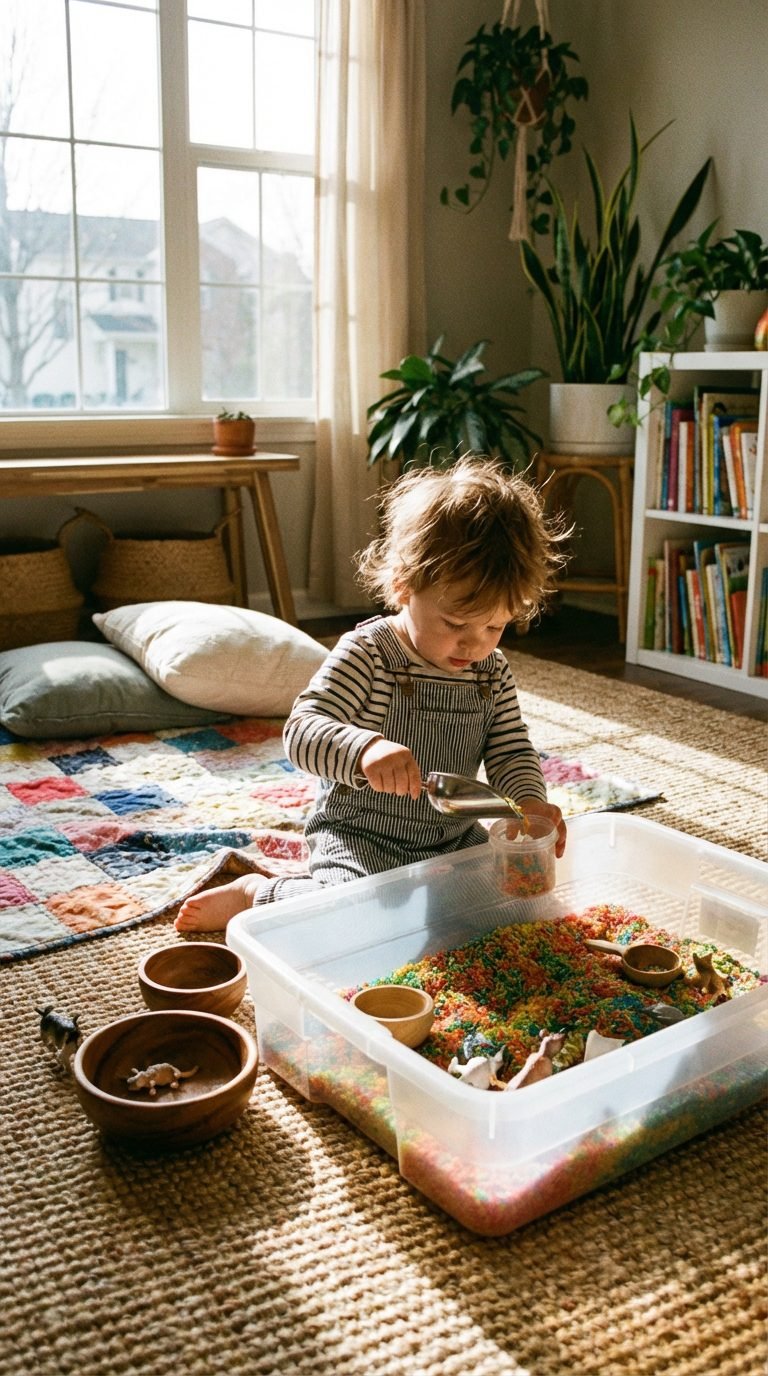
This activity buys you quality time — I’m talking about 30 to 45 minutes of focused, quiet play. It works best when a toddler is bored but too wound up to sit with a book. The physical sensation of scooping and pouring is genuinely calming.
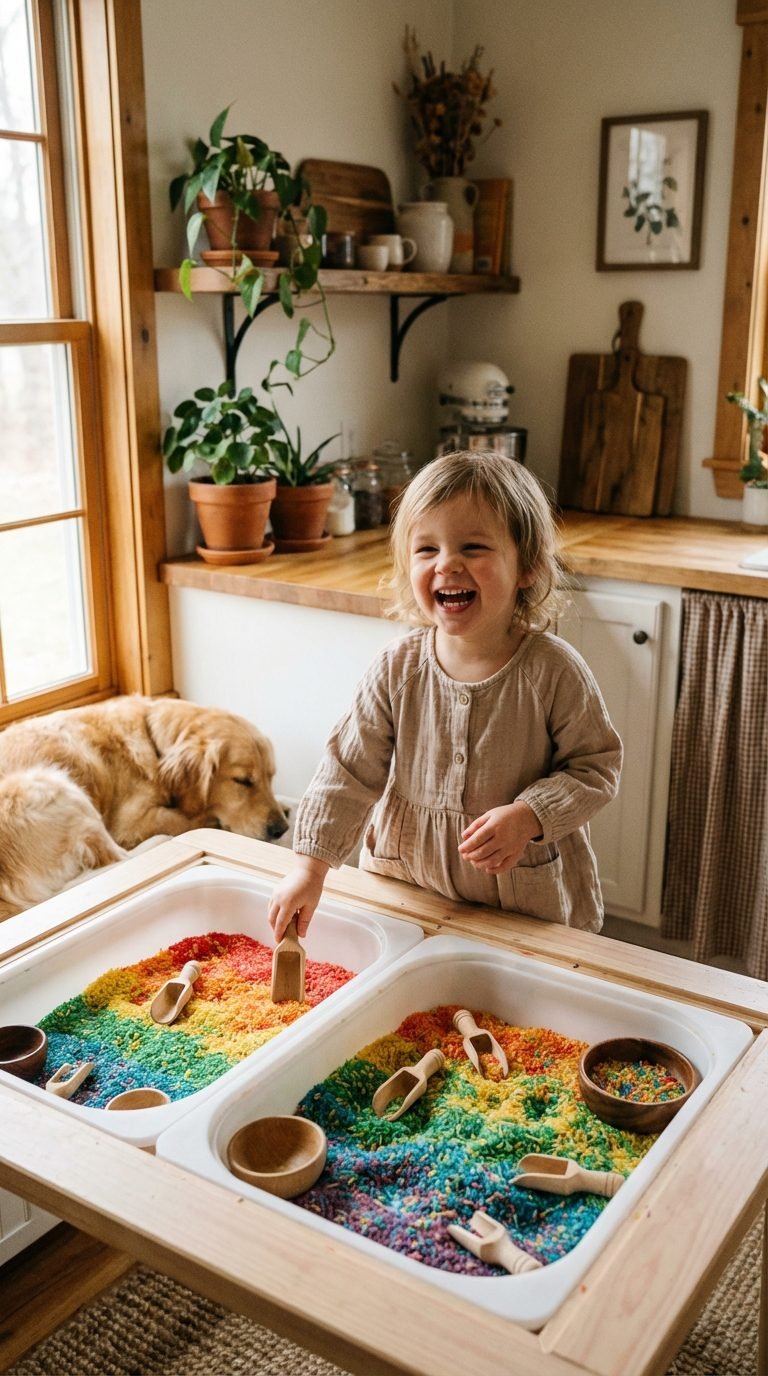
Fill a plastic bin with dry rice, a few cups, and a muffin tin. Show your child how to scoop rice into each cup. That’s it. Don’t over-explain — just hand it over and step back. Most kids between 18 months and 4 years will dig into this immediately. Expect some rice on the floor. Worth it.
Pro tip: Add a few small toy animals or figurines to hide inside — it adds 20 extra minutes of hunting.
That said, results can vary from family to family. However, the core ideas here are flexible enough to adapt to most situations. In other words, start with what fits your routine best.
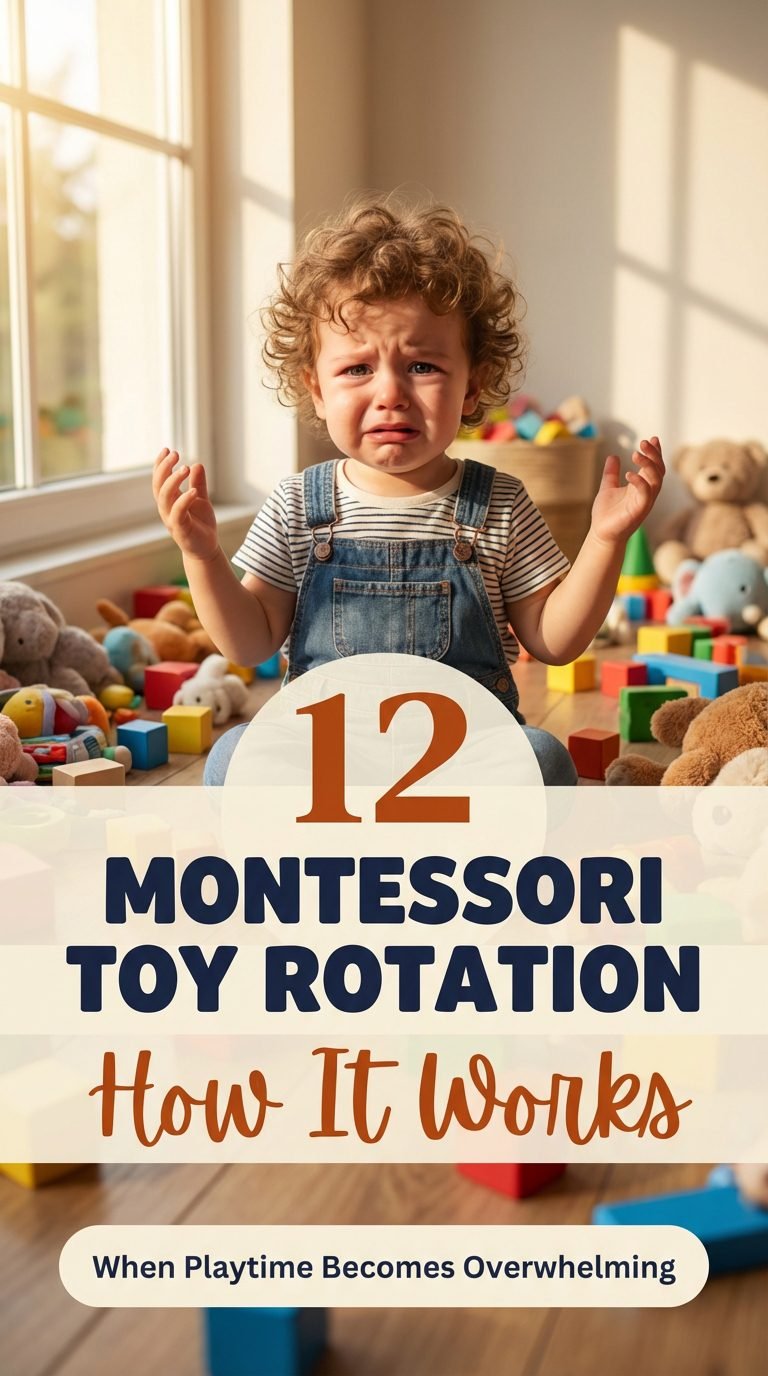
2. Montessori Kitchen Activities Toddler — Engaging Role Play
These activities turn your kitchen into a learning environment. Toddlers love imitating adults, and kitchen play allows them to explore everyday tasks. This helps develop their independence and practical life skills.
Set up a small table with safe kitchen items like measuring cups, spoons, and bowls. Show your child how to pretend cook or mix ingredients. Expect them to immerse themselves in this role-play for a good 20-30 minutes.
Pro tip: Let them help with real cooking tasks when appropriate. It builds confidence and skills.
3. Color Sorting with Everyday Objects — Sharpens Cognitive Skills
This activity is perfect for toddlers aged 2-4. It helps them learn about colors and enhances their sorting skills. Simple to set up, it keeps them engaged.
Gather objects from around the house in different colors. Use colored bowls or mats to sort them. Encourage your child to match the colors. This can easily keep them busy for 20 minutes.
Pro tip: Use natural items like leaves or stones for a more tactile experience.
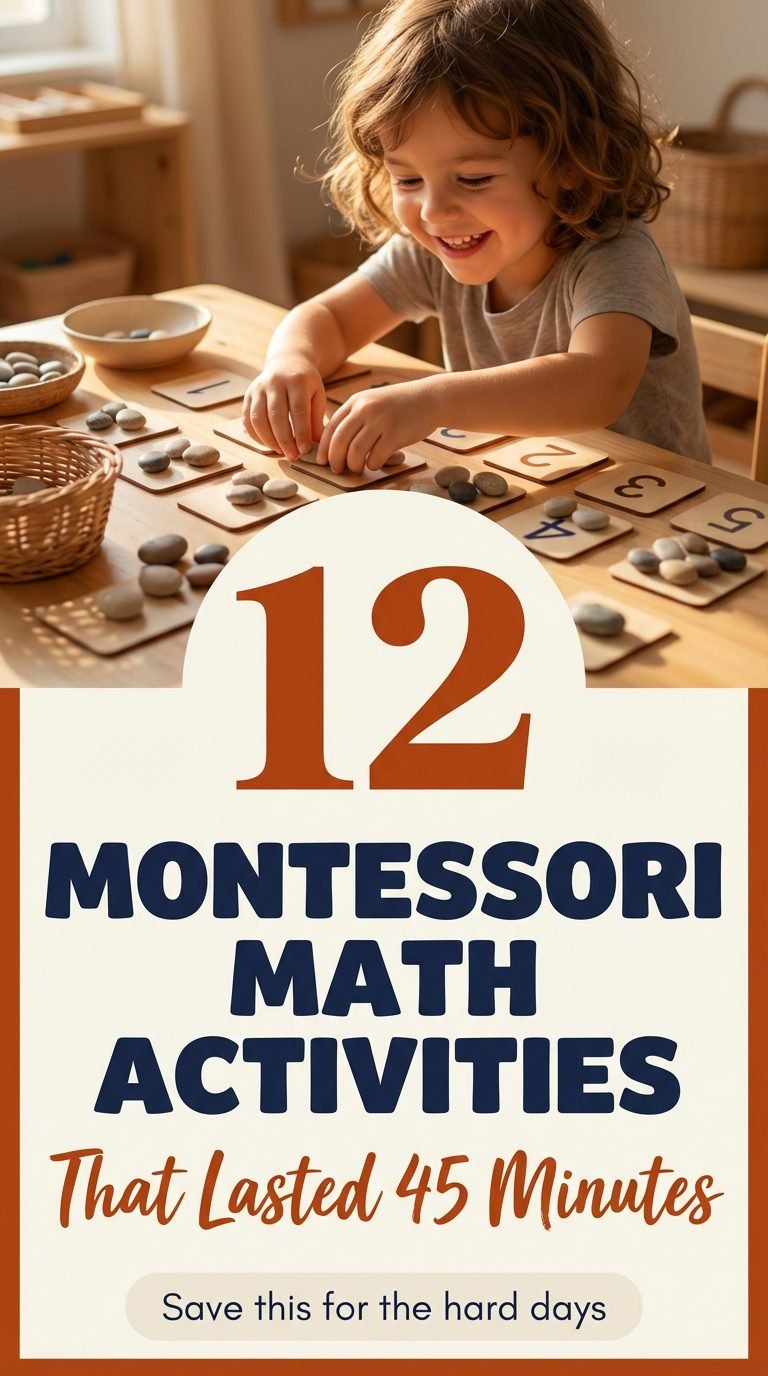
4. Water Play with Measuring Cups — Fun and Educational
Water play is a classic Montessori activity that toddlers adore. It allows them to explore concepts of volume and measurement while having fun. This is great for ages 1-3.
For instance, some of these work better in the morning, while others suit afternoon energy levels. Additionally, adjusting the timing makes a noticeable difference for many parents.
Fill a shallow container with water and provide various measuring cups. Show your child how to pour and measure. Expect splashes and giggles for at least 30 minutes.
Pro tip: Do this outside to minimize mess. It’s much easier to clean up!
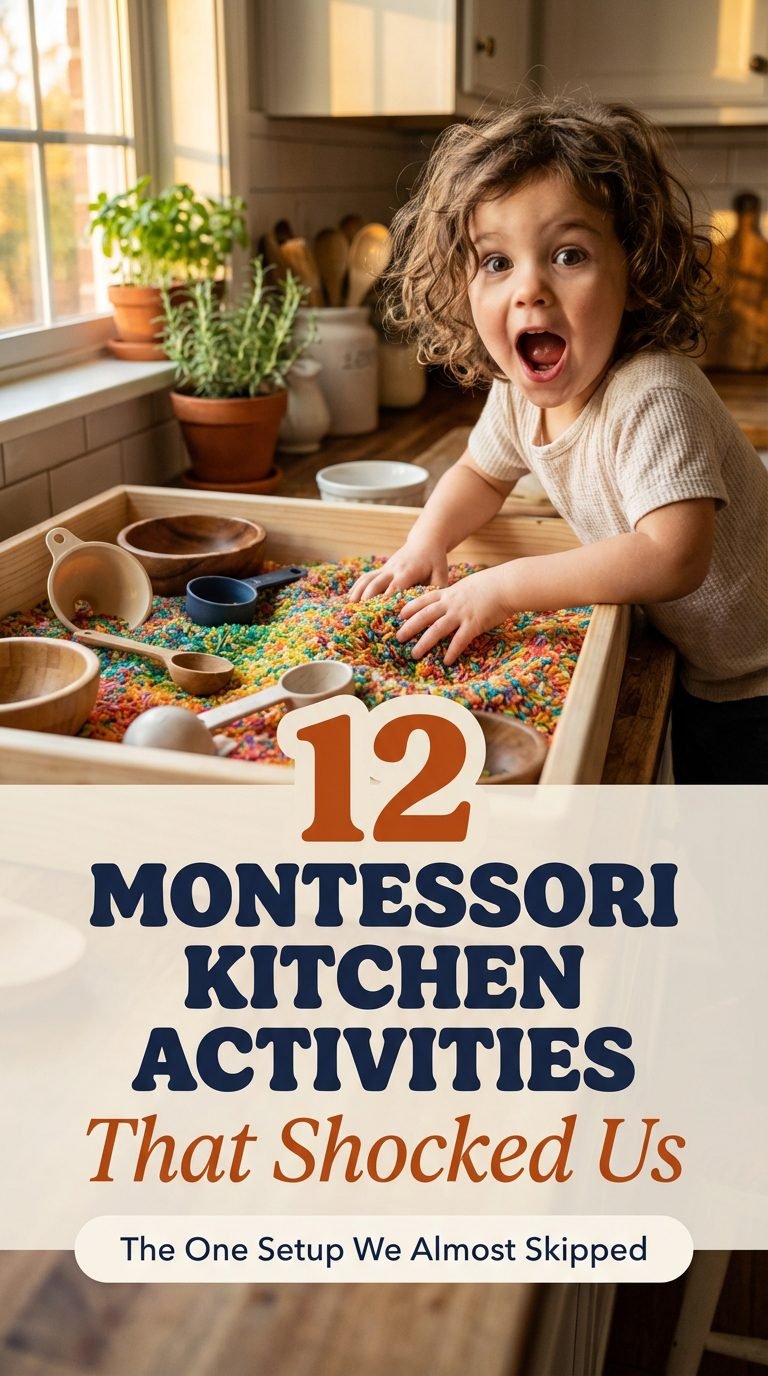
5. Montessori Math Activities for Preschool Age — Encouraging Early Numeracy
Math activities can be fun and engaging for toddlers. Using hands-on materials helps them grasp basic concepts. This activity works well for ages 3-4.
Use small blocks or beads to create simple counting games. Ask your child to count how many blocks they can stack or line up. This not only teaches numbers but also fine motor skills.
Pro tip: Incorporate everyday objects like snacks for counting. It makes learning delicious!
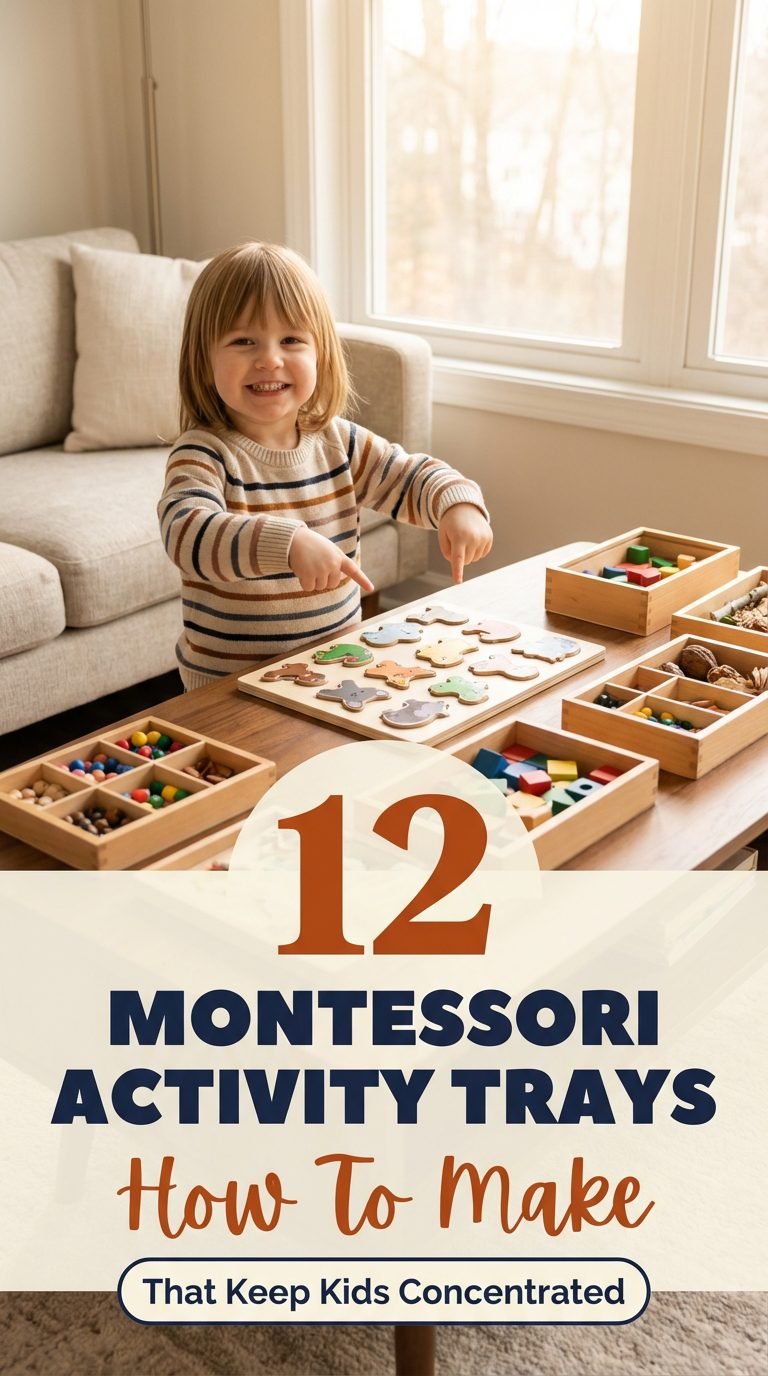
6. Nature Scavenger Hunt — Encourages Exploration and Curiosity
This activity gets toddlers outside and moving. It’s a great way to explore nature while developing observational skills. Works best for ages 2-4.
Make a simple list of items for your child to find in the yard or park. Items can include leaves, flowers, or rocks. Set a timer and see how many they can collect in 15 minutes.
Furthermore, consistency tends to matter more than doing everything perfectly. As a result, even applying one or two of these ideas regularly can produce real change over time.
Pro tip: Bring a bag to collect treasures. It adds to the excitement!
7. Building with Blocks — Fostering Creativity and Coordination
Block play is essential for developing spatial awareness and creativity. This timeless activity encourages toddlers to build and create. Ideal for ages 1-4.
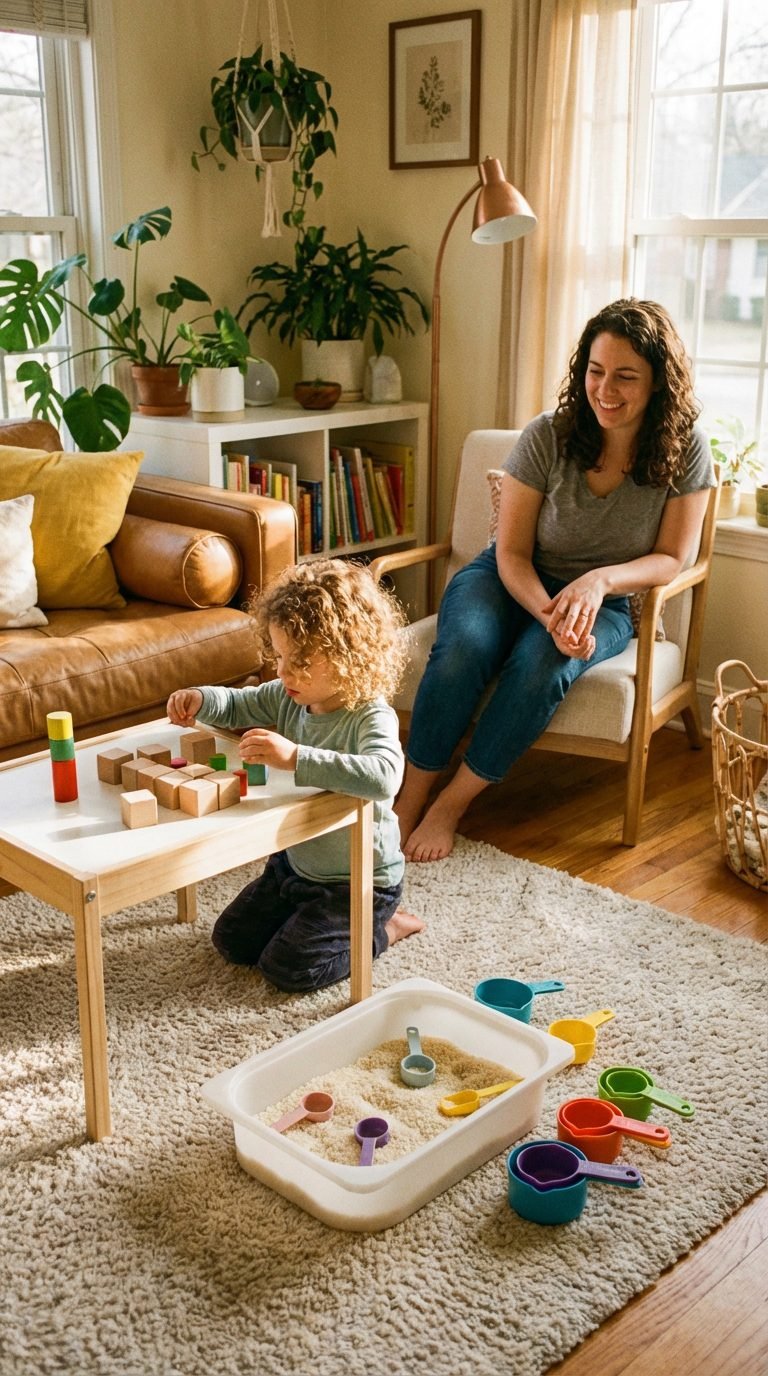
Provide a variety of blocks in different shapes and sizes. Encourage your child to build whatever they imagine. You’ll be surprised at how long they can stay engaged.
Pro tip: Join in and build together. It can spark their creativity even more.
8. Simple Art with Natural Materials — Inspiring Creativity
Art activities are a fantastic way for toddlers to express themselves. Using natural materials makes it even more engaging. This activity is suitable for ages 2-4.
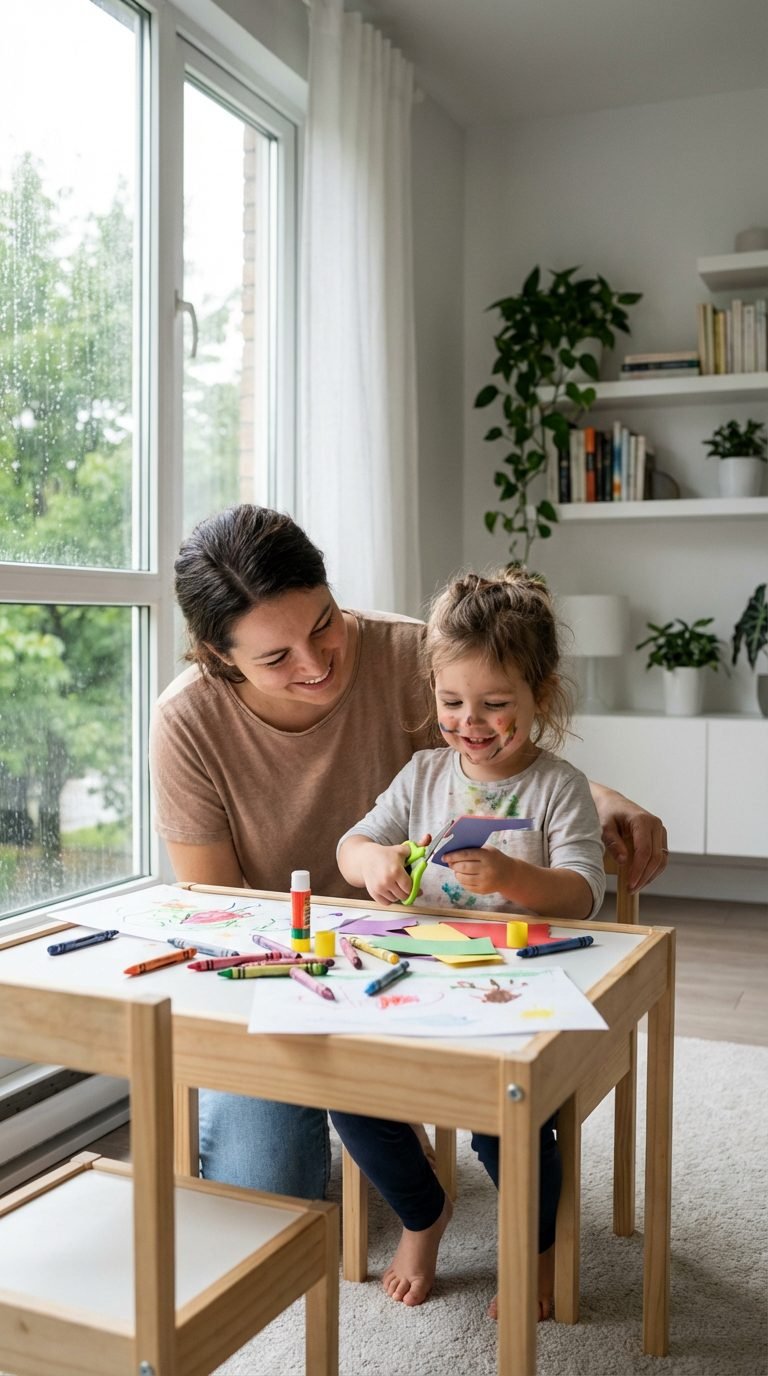
Gather items like leaves, twigs, and flowers. Provide paper and glue for your child to create collages. Expect them to get messy, but that’s part of the fun!
Pro tip: Display their artwork at home. It boosts their confidence.
Meanwhile, every child brings different needs to the table. Nevertheless, the approaches listed here have worked across a wide range of ages and temperaments.
9. Sensory Bottles — Calm and Engage Your Child
Sensory bottles are a calming activity that can hold a toddler’s attention. They are visually stimulating and promote relaxation. Works best for ages 1-3.
Fill a clear bottle with water, glitter, and small items. Seal it tightly and let your child shake and observe. This can be mesmerizing for them.
Pro tip: Make it together! Let them choose the items to include.
10. DIY Play Dough — Encouraging Hands-On Creativity
Making play dough is a fun and sensory-rich activity. It allows toddlers to explore textures and shapes. This works well for ages 2-4.
Mix flour, salt, water, and food coloring to create play dough. Let your child help with the mixing. Once made, they can mold and create for hours.
Pro tip: Store in an airtight container for future play.
11. Nature Art — Connecting with the Environment
This activity combines creativity with nature exploration. It helps toddlers appreciate the outdoors while being creative. Ideal for ages 2-4.
Moreover, fitting these ideas into a busy schedule is often easier than it first appears. Consequently, many parents find that small adjustments lead to meaningful improvements fairly quickly.
Collect leaves, flowers, and sticks. Use them to create art on paper. This encourages fine motor skills and creativity.
Pro tip: Take a nature walk before starting to gather materials.
12. Simple Puzzles — Enhancing Problem-Solving Skills
Puzzles are a great way to develop cognitive skills in toddlers. They promote logical thinking and hand-eye coordination. Suitable for ages 2-4.
Choose simple puzzles with large pieces. Encourage your child to complete them independently. It can keep them engaged for a good 20 minutes.
Pro tip: Rotate puzzles regularly to maintain interest.
Start with the sensory bin. It’s a guaranteed hit with my kids, and they’ll be engaged for ages. Remember, it’s okay if things get messy — that’s part of the learning process! For more family activity ideas on Simple Family Everyday, check our blog.
For more evidence-based guidance, visit American Academy of Pediatrics — screen time guidelines. Learn more: family activit. For more ideas, check out parenting tips and expert advice. Learn more: family activit. Learn more: family activit.