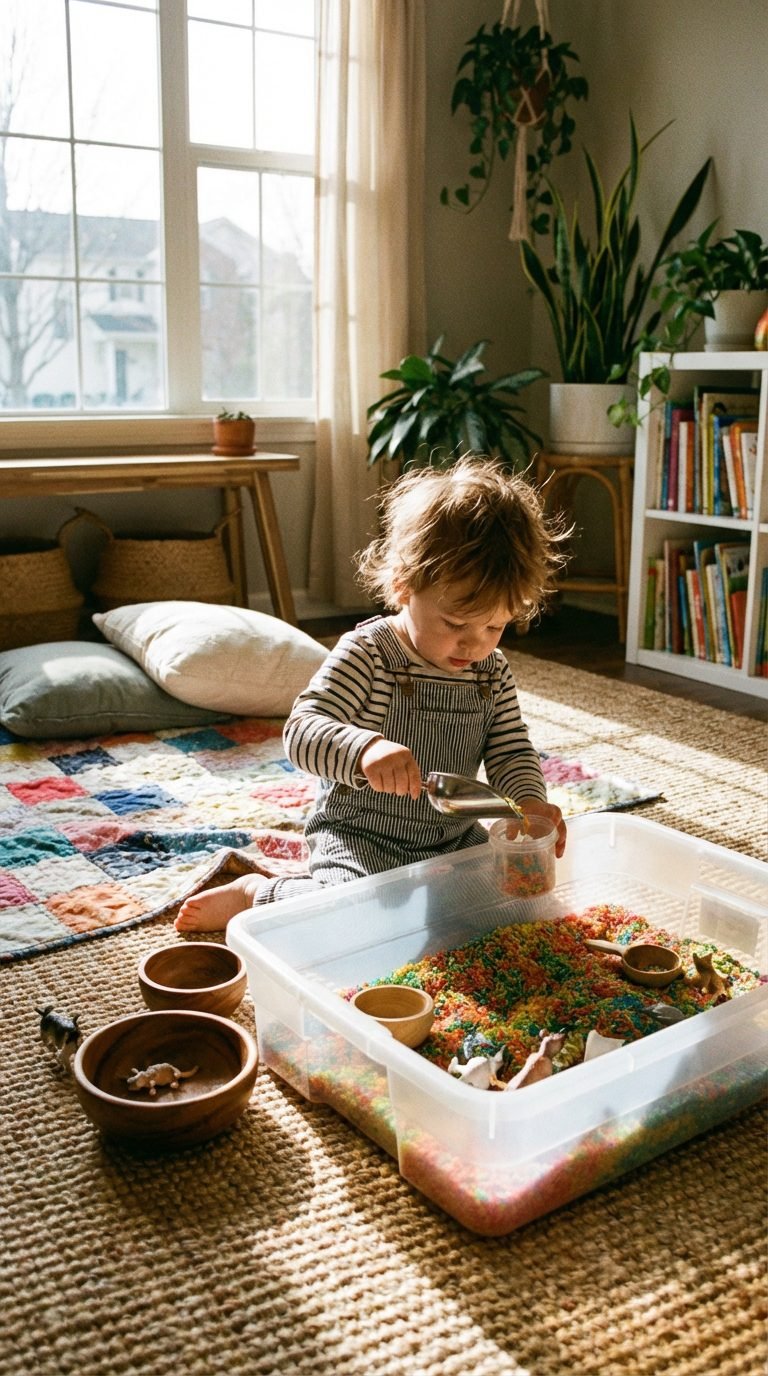

Engaging Montessori Activities to Try at Home with Kids
Montessori Activities at Home: Embracing Screen-Free Learning
Montessori activities at home can transform the way your child learns and engages with the world around them. As parents, we often struggle to find activities that are both educational and engaging without relying on screens. With the Montessori approach, you can foster a love for learning in a natural, playful, and hands-on way.
Understanding how to implement Montessori activities can feel overwhelming, especially with so much information available. However, you can create a nurturing environment that encourages self-directed exploration, builds independence, and enhances learning through simple, everyday activities. Let’s explore how you can easily integrate Montessori principles at home.
What Montessori Activities at Home Actually Means

Montessori activities at home refer to engaging, child-led tasks that promote learning through exploration and play. These activities align with the Montessori philosophy, which emphasizes hands-on learning, independence, and respect for a child’s natural development. The goal is to create a prepared environment where children can discover and learn at their own pace.
It matters because children thrive in settings that allow them to explore freely and develop their interests. By incorporating Montessori principles into daily life, you’re giving your child the tools to become self-motivated learners. This approach also encourages creative problem-solving and critical thinking, which are essential skills for their future.
Parents often misinterpret Montessori as needing expensive materials or specific toys. However, the beauty of this method lies in its flexibility; you can create enriching experiences with items you already have at home. The misconception that Montessori is only for wealthy families can deter many from embracing this valuable learning approach.
Realistically, Montessori activities do not have to be formal or elaborate. You can start with simple DIY Montessori activities that require no special toys. It’s about fostering an environment where your child can engage in meaningful play, learn practical life skills, and enjoy the process of discovery.
Getting Started with Montessori Activities at Home
The first step to implementing Montessori activities at home is to create a prepared environment. This means organizing your space to encourage exploration and independence. Set up a designated area for learning, filled with accessible materials that inspire curiosity and creativity.
Prepare your space by decluttering and providing a variety of materials that promote hands-on learning. Consider items like books, art supplies, and household objects that can be used for imaginative play. You don’t need to invest in expensive toys; many everyday items can serve as effective learning tools.
When introducing Montessori activities to your child, start with simple tasks that align with their interests. Observe what captures their attention and tailor activities accordingly. Allow them to choose what they want to engage with, fostering a sense of autonomy and self-direction.
Encouragement is key. Be present and support their efforts without taking over the activity. This not only builds their confidence but also reinforces their ability to learn through exploration. Remember, the goal is to allow them to discover and learn at their own pace, making it a joyful experience.
Montessori Activities at Home for Different Ages
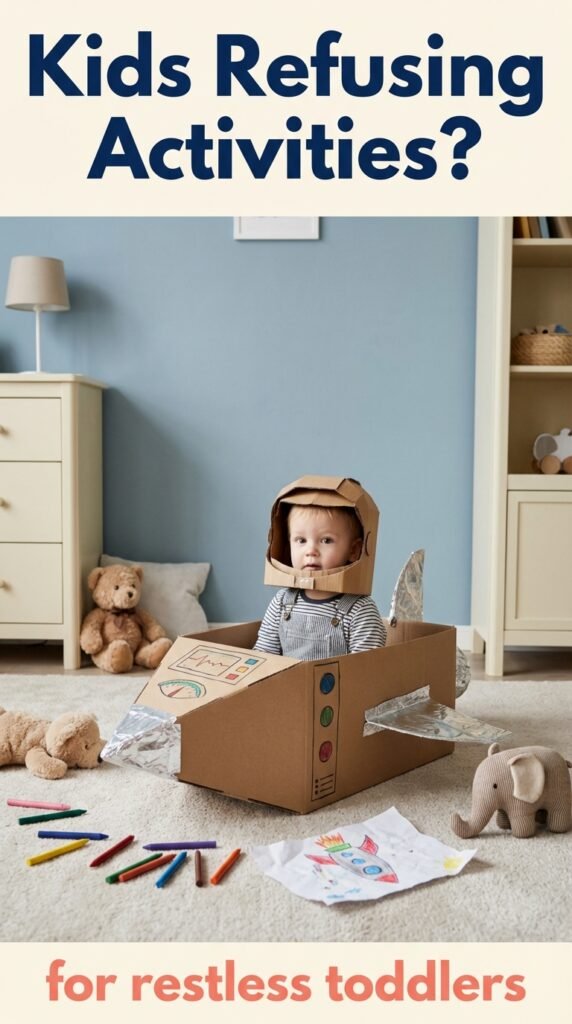
Montessori activities can be tailored for different age groups, starting from toddlers to school-age children. For toddlers, practical life activities are ideal. Simple tasks like pouring water, sorting objects, or sweeping can enhance their fine motor skills and independence.
As children move into preschool age, you can introduce more complex activities like DIY sensory bins or sorting games that involve colors and shapes. These activities support cognitive development and allow for open-ended play, which is at the heart of the Montessori approach.
For school-age children, consider expanding activities to include more challenging tasks like baking or gardening. Montessori kitchen activities for toddlers can evolve into collaborative cooking projects that teach math and science concepts in a fun, engaging manner.
Each age group benefits from hands-on learning experiences that cater to their developmental stage. By providing age-appropriate Montessori activities, you encourage a love for learning and foster essential skills that will serve them well as they grow.
Quick Reference Checklist
To help you get started with Montessori activities at home, here’s a quick reference checklist:
- Designate a learning space that’s accessible and inviting for your child.
- Incorporate everyday materials for hands-on learning experiences.
- Observe your child to understand their interests and preferences.
- Introduce simple practical life activities to build independence.
- Rotate activities regularly to keep your child engaged.
- Encourage self-directed play by allowing your child to choose activities.
- Be present and supportive, but avoid taking over their play.
- Incorporate loose parts play ideas for creative exploration.
- Focus on creating a calm environment that minimizes distractions.
- Set aside specific times for Montessori activities to establish routine.
- Utilize DIY Montessori activities no special toys for cost-effective learning.
- Celebrate your child’s efforts and achievements to boost their confidence.
Common Mistakes with Montessori Activities at Home
Many parents make common mistakes when implementing Montessori activities at home. One frequent error is over-structuring playtime, which can inhibit a child’s natural curiosity. It’s essential to allow for flexibility and spontaneity in their learning experiences.
Another mistake is not providing enough variety or challenge in activities. Sticking to the same tasks can lead to boredom. Instead, offer a mix of activities that cater to different interests and skill levels, ensuring consistent engagement.
Some parents worry about making a mess and, as a result, discourage exploration. However, hands-on learning often involves some messiness. Embrace this aspect of play and create an environment where your child feels free to experiment and explore without fear of making a mess.
Lastly, misunderstanding the concept of “Montessori toy rotation” can lead to frustration. It’s not about having a vast collection of toys but rather rotating a few carefully selected items to maintain interest. This keeps the learning fresh and exciting for your child.
Making Montessori Activities at Home a Habit

Establishing a routine for Montessori activities at home can foster a lifelong love for learning. Incorporate these activities into your daily schedule, setting aside specific times for focused play. Consistency helps children understand that learning is a part of their daily lives.
Handling setbacks is crucial. If a particular activity doesn’t engage your child, don’t be discouraged. Observe and adjust to their interests, and remember that every child learns at their own pace. Flexibility is key to maintaining a positive learning environment.
Encourage your child to take ownership of their learning. Allow them to choose activities and express their preferences. This self-directed approach cultivates independence and self-motivation, essential components of the Montessori philosophy.
Lastly, adopt a long-term mindset. The benefits of Montessori activities at home are cumulative, building skills and fostering a love for learning over time. Celebrate the small victories and create a nurturing space where your child feels empowered to explore and learn.
Montessori Activities at Home on Difficult Days
On rainy days or when your child is sick, maintaining engaging Montessori activities can be challenging. However, these moments can also provide unique opportunities for creative play. Indoor scavenger hunts or sensory bins can turn a gloomy day into a fun learning experience.
Traveling can also disrupt your usual routine. Pack some simple materials like paper, crayons, and small toys that encourage open-ended play. These portable activities can keep your child engaged while on the go, maintaining the spirit of Montessori even outside the home.
Sometimes, there are days when nothing seems to work. In these moments, it’s essential to be patient and flexible. Allow your child to lead the way—if they want to play outside, read a book, or just have quiet time, honor their needs. This respect for their feelings aligns with the core of Montessori philosophy.
For additional resources on child health and development, consider visiting the American Academy of Pediatrics for guidance on screen-free activities and overall well-being.
Frequently Asked Questions
Q? What are some simple Montessori activities for toddlers?
A. Simple activities include pouring water between containers, sorting objects by color or size, and practicing with a child-sized broom. These practical life activities enhance fine motor skills and independence.
Q? How can I set up a Montessori shelf at home?
A. A Montessori shelf should be low to the ground, organized, and visually appealing. Include a variety of activities that cater to different skills and interests, ensuring everything is accessible for your child.
Q? Do I need expensive toys for Montessori activities?
A. No, Montessori learning can be achieved without buying expensive toys. You can use everyday household items and DIY activities to create enriching experiences.
Q? How can I encourage child-led play?
A. Allow your child to choose their activities and explore at their own pace. Provide them with varied materials and give them the freedom to engage in self-directed play.
Q? What are some Montessori-inspired play ideas for beginners?
A. Start with practical life activities, art projects, and nature exploration. These activities are simple to set up and can be adapted based on your child’s interests.
Q? How does Montessori toy rotation work?
A. Montessori toy rotation involves periodically changing the toys available to your child. This keeps their interest alive and allows them to engage more deeply with the materials provided.
In conclusion, implementing Montessori activities at home can be a fulfilling journey for both you and your child. Embrace the process, and remember that every small effort contributes to your child’s development. For more family tips, visit Simple Family Everyday and discover a wealth of resources to support your parenting journey.
More Articles on This Topic
- 12 Montessori Toddler Activities You Can Set Up in Under 5 Minutes
- 12 Montessori Toddler Activities You Can Set Up in Under 5 Minutes
- 12 Montessori Toddler Activities You Can Set Up in Under 5 Minutes
Learn more: parenting journey. Learn more: parenting journey. Learn more: parenting journey. Learn more: parenting journey.