15 Indoor Movement Activities Kids Can Do to Burn Energy
What to Do When There Are No Toys Left to Play With
Indoor movement activities kids burn energy can be a lifesaver for parents. When the weather keeps kids indoors, finding ways for them to expend energy is crucial. It’s easy to feel overwhelmed when toys lose their appeal, leaving parents searching for creative solutions.
Imagine a rainy afternoon where your little ones are bouncing off the walls. You want to keep them engaged and active, but the usual toys just aren’t cutting it. This is where the magic of no-equipment games comes in. It’s time to transform your living space into a playground!
Why Is This So Hard for So Many Parents?
Many parents find it challenging to keep kids active indoors. However, it’s essential to understand that children naturally have high energy levels. When they can’t play outside, their restlessness can lead to frustration for both kids and parents.
Recognizing this struggle can help parents approach indoor play with creativity. Instead of relying on screens or store-bought toys, consider how simple household items can become tools for movement. This shift can significantly enhance your home environment.
15 Indoor Movement Activities Kids Can Do to Burn Energy
Transforming your home into a space for indoor movement activities kids burn energy doesn’t require elaborate setups. Here are 15 fun and engaging games that can keep your kids active without needing toys.
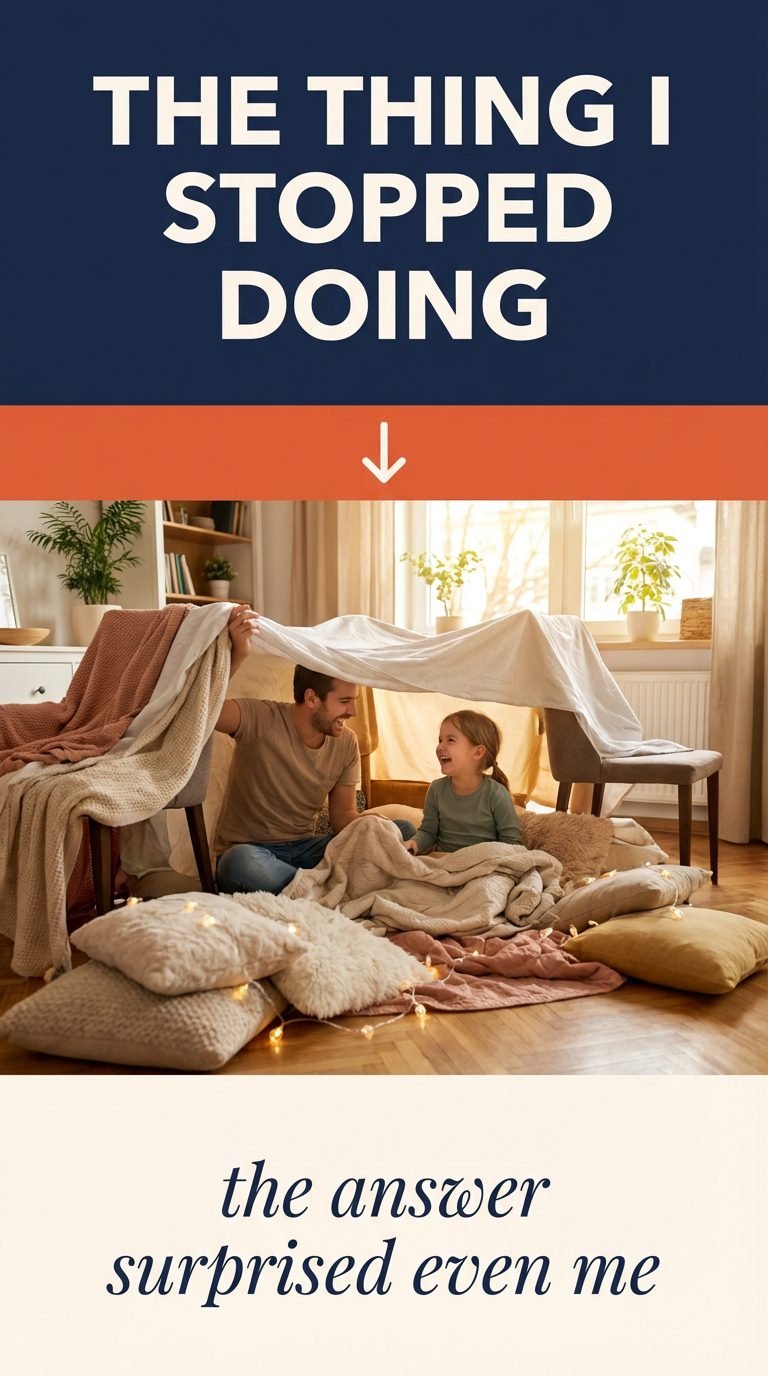
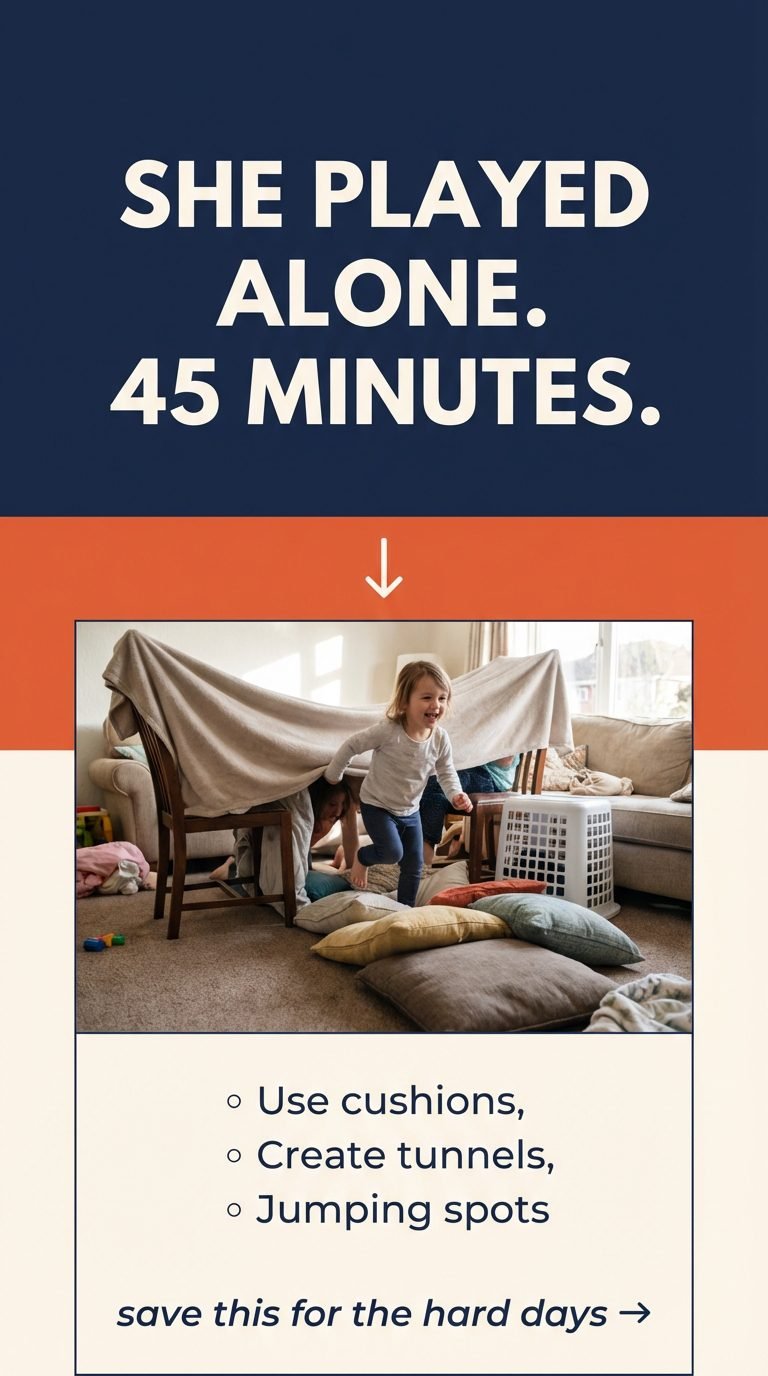
1. **Obstacle Course**: Use cushions, chairs, and blankets to create an indoor obstacle course. Challenge your kids to crawl under tables, jump over pillows, and balance on lines of tape. This promotes physical activity and imaginative play.
2. **Dance Party**: Turn on some music and have a dance-off! Dancing is a fantastic way for kids to express themselves and burn off energy. You can even incorporate freeze dance to make it more exciting.
3. **Animal Races**: Have your kids mimic different animals. They can hop like frogs, waddle like ducks, or crawl like bears. This not only gets them moving but also encourages creativity.
4. **Balloon Volleyball**: Blow up a balloon and set up a volleyball net using string. Kids can hit the balloon back and forth, working on their coordination while having fun. This is a safe way to play indoors without the risk of breaking things.
5. **Yoga for Kids**: Introduce your children to simple yoga poses. You can find kid-friendly yoga videos online. This practice helps improve flexibility and teaches them to calm their minds while moving their bodies.
6. **Simon Says**: Play a classic game of Simon Says, but with a twist. Include activities that require movement, such as jumping jacks, spinning, or hopping on one foot. This game encourages listening skills and physical activity simultaneously.
7. **Indoor Scavenger Hunt**: Create a scavenger hunt around your house. Use clues that lead to different rooms and require kids to move around to find hidden objects. This keeps them active and engaged while exploring their environment.
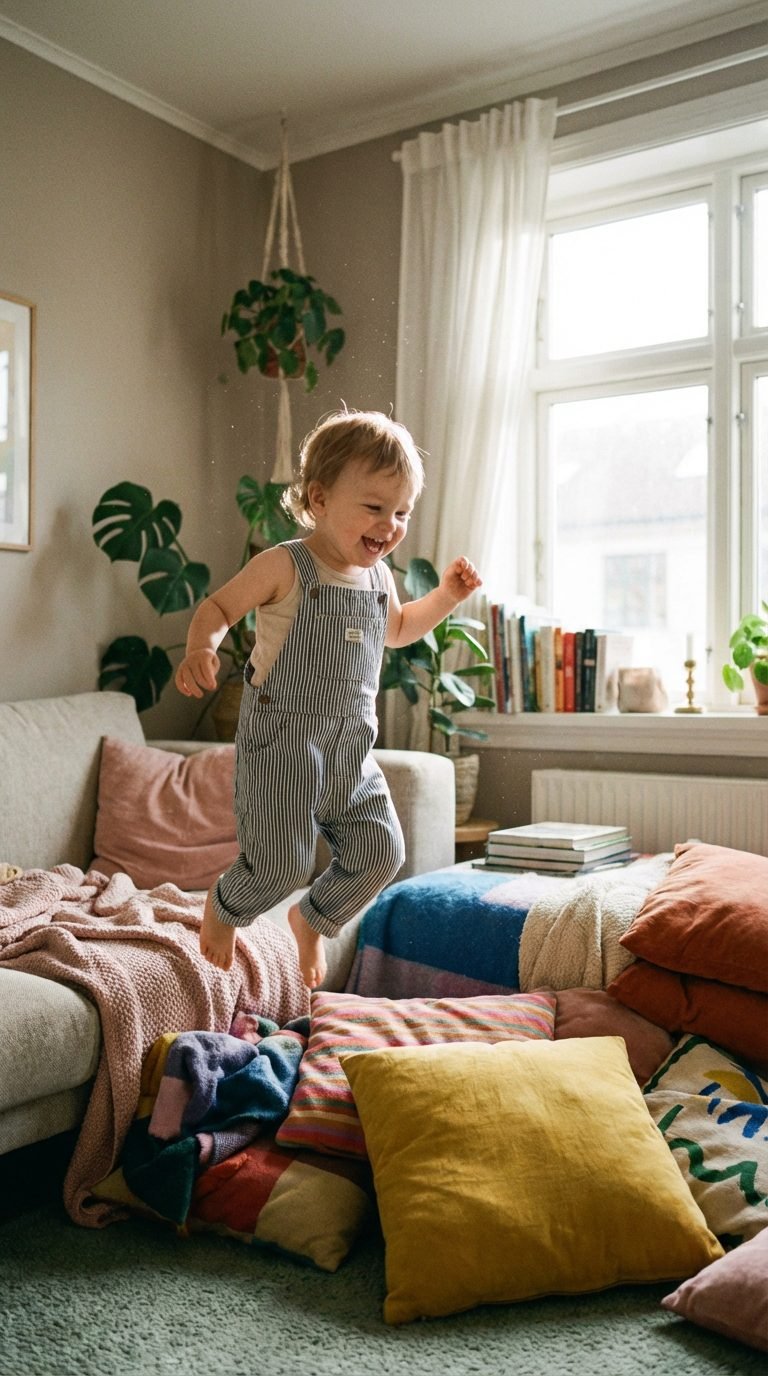
8. **Follow the Leader**: Take turns being the leader and have the rest of the family follow along. Incorporate fun movements like skipping, hopping, and twirling. This game encourages creativity and physical activity.
9. **Hula Hooping**: If you have hula hoops, set a timer and see how long each child can keep their hoop spinning. This activity is great for coordination and can be done indoors with plenty of space.
10. **Indoor Bowling**: Set up plastic bottles as bowling pins and use a soft ball to knock them down. This game is not only fun but also teaches hand-eye coordination.
11. **Stair Climbing**: If you have stairs, use them for a mini workout. Kids can run up and down the stairs a few times. This is an excellent way to get their heart rate up.
12. **Jumping Challenges**: Mark spots on the floor with tape and challenge kids to jump from one to another. This game can be made more challenging by increasing the distance between spots.
13. **Sack Race**: Use pillowcases for a fun sack race! Have your kids hop from one end of the room to the other. This activity promotes balance and coordination.
14. **Ball Toss**: Set up a target using a basket or laundry hamper. Kids can take turns tossing soft balls or rolled-up socks into the target. This game helps improve their throwing accuracy.
15. **Nature Walk Indoors**: Create an indoor nature walk. Use items from your home to represent different natural elements, like leaves, rocks, or flowers. Kids can walk around the house and explore these items, engaging their imagination and movement.
Making It Easier with Small Daily Routines
Establishing a routine that incorporates indoor movement activities kids burn energy can help. Kids thrive on structure, and having set times for active play can reduce restlessness. Schedule regular breaks for movement throughout the day.
By integrating these activities into your daily routine, you create a habit of physical activity. For example, designate a specific time each afternoon for movement games. This consistency helps kids look forward to active playtime. For more no-prep ideas, check out indoor activities for kids no prep.
Additionally, consider setting up a dedicated space for indoor activities. This can be a corner of your living room or a playroom. Having a designated area encourages kids to engage in movement activities independently.
Remember to be flexible. Some days will be easier than others, but it’s important to adapt as needed. If a particular activity isn’t working, try another one from your list.
Age-Specific Approaches that Help
When planning indoor movement activities, consider the age of your children. Younger kids often need more guidance and simpler instructions. For toddlers, focus on activities that allow for exploration and free movement.
For preschoolers, games like “Simon Says” or dance parties can be a hit. They enjoy following along and mimicking movements, which helps them learn. As children grow older, they can handle more complex activities like obstacle courses or scavenger hunts. For additional ideas, refer to what to do when everyone is going crazy indoors.
Additionally, include activities that cater to various skill levels. This ensures everyone stays engaged, regardless of their age. For instance, older kids can add challenges to games, like timing themselves during obstacle courses.
Incorporating age-appropriate activities fosters a sense of achievement. Kids will feel proud of their accomplishments, motivating them to stay active.

Building Long-Term Habits That Stick
Creating a culture of movement in your home is essential for long-term success. Encourage your kids to participate in indoor movement activities kids burn energy regularly. This can lead to healthier habits as they grow.
To build these habits, model an active lifestyle yourself. Show enthusiasm for physical activities and include your kids in your routines. This encourages them to adopt similar behaviors.
Additionally, praise your children for being active. Positive reinforcement can motivate them to continue participating in movement activities. Celebrate small victories, like completing an obstacle course or mastering a new dance move.
As a result, your home will become a hub of creativity and energy. Kids will learn to appreciate the joy of movement and carry these habits into adulthood.

Conclusion
Finding ways to engage kids in indoor movement activities can be a challenge. However, with a little creativity and planning, you can create an environment where they thrive. Remember, small steps lead to significant progress. You’re doing a great job as a parent! For more family tips, check out more family tips on Simple Family Everyday.
Frequently Asked Questions
What are some indoor movement activities kids can do to burn energy?
Some great options include obstacle courses, dance parties, and animal races. These activities help kids stay active and engaged.
How can I set up an indoor obstacle course for kids?
Use cushions, chairs, and blankets to create pathways and challenges. Encourage kids to crawl, jump, and balance as they navigate the course.
What if my kids don’t want to participate in inindoor activities
Try to make activities fun and engaging. Offer choices and let them lead the play. This encourages their interest.
Are there indoor movement activities for multiple kids of different ages?
Yes! Games like Follow the Leader and scavenger hunts can be adapted for various ages. Involve older kids as leaders to engage younger ones.
How can I help my kids develop a love for movement indoors?
Model an active lifestyle and incorporate fun games into their routine. Celebrate their achievements and encourage exploration.
For more evidence-based parenting guidance, visit UNICEF Parenting.
Looking for a complete overview? Check out our Fun Indoor Activities for Kids with No Prep Needed for everything you need to know. For more ideas, check out parenting tips and expert advice. Learn more: indoor activities. Learn more: indoor activities.