
How to Start Montessori at Home This Week Without Spending Anything
How to Start Montessori at Home This Week Without Spending Anything
How to start Montessori at home this week without spending anything is a question many parents ask. The Montessori approach emphasizes child-led learning and independence, which can be implemented easily with items you already have. Imagine transforming your home into a vibrant learning space without any financial investment. It’s simpler than you think!
Many parents feel overwhelmed by the idea of implementing Montessori principles. They believe it requires special materials or expensive toys. However, the essence of Montessori is about creating an engaging environment where children can explore and learn at their own pace. Let’s dive into how you can make this happen in your home this week.
Why Is This So Hard for So Many Parents?
It’s common for parents to struggle with implementing Montessori at home. The pressure to provide the best for our children can be daunting. Many feel that they need to buy expensive materials to create a Montessori environment. This misconception can lead to frustration and a sense of inadequacy.
Understanding the Montessori philosophy can ease this pressure. Montessori is not about expensive toys; it’s about fostering independence and a love for learning. The key is to use what you already have creatively. This shift in mindset is crucial for parents wanting to engage their children effectively.
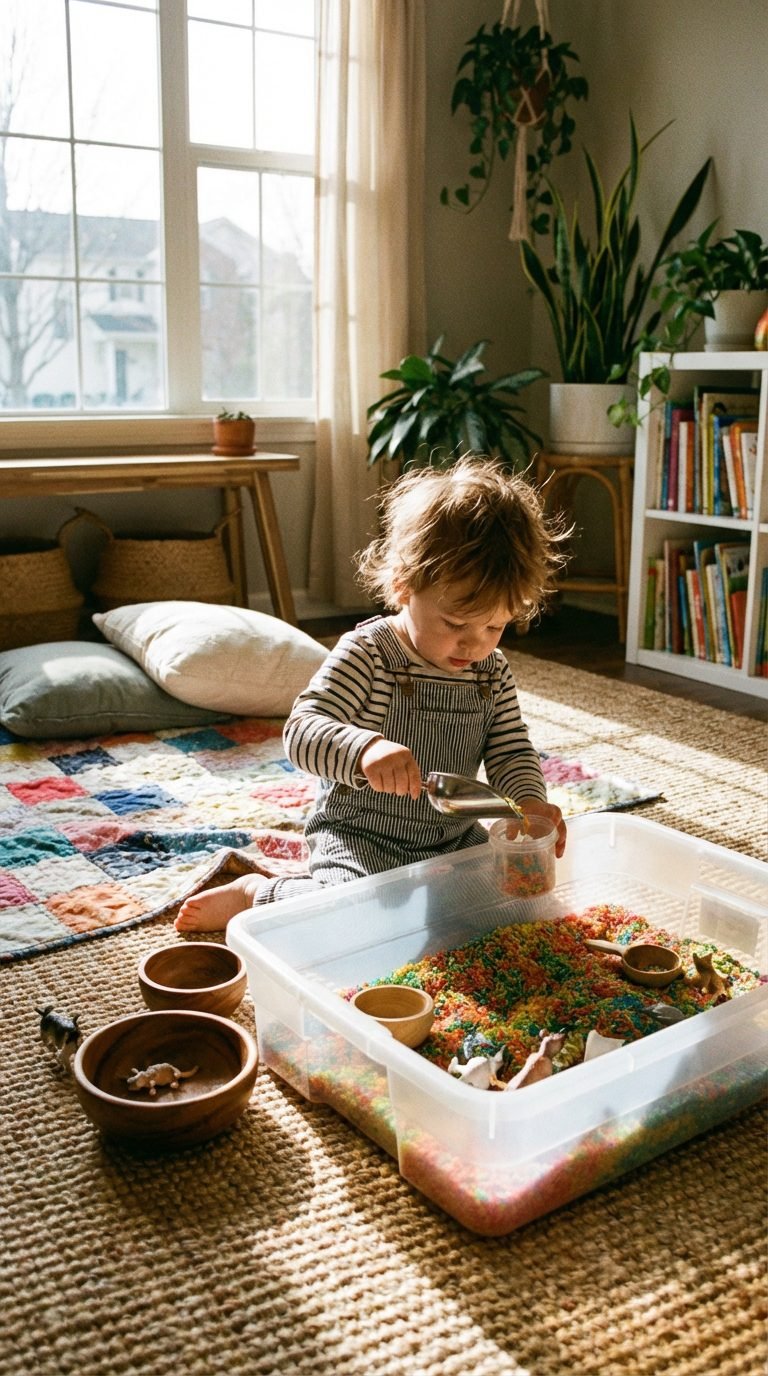
To start, look around your home for everyday items that can be used for learning. For example, kitchen utensils can be transformed into tools for exploration. Encourage your child to engage with these items, allowing them to lead their own play. This approach not only saves money but also promotes creativity.
A Simple Shift That Actually Changes Things
One of the most effective ways to start Montessori at home is by making small adjustments to your daily routine. For instance, instead of directing your child’s play, allow them to choose their activities. This simple shift empowers your child and fosters independence.
Many parents unknowingly stifle creativity by over-scheduling activities or insisting on structured play. When children are given the freedom to explore, they develop critical thinking skills. This freedom is essential in the Montessori approach, as it encourages self-discovery.
To implement this, set up a designated space where your child can freely choose their activities. Use baskets or bins filled with various materials, such as art supplies, blocks, or nature items. Allow them to explore these materials without interference. This setup promotes a sense of ownership and responsibility.
Making It Easier with Small Daily Routines
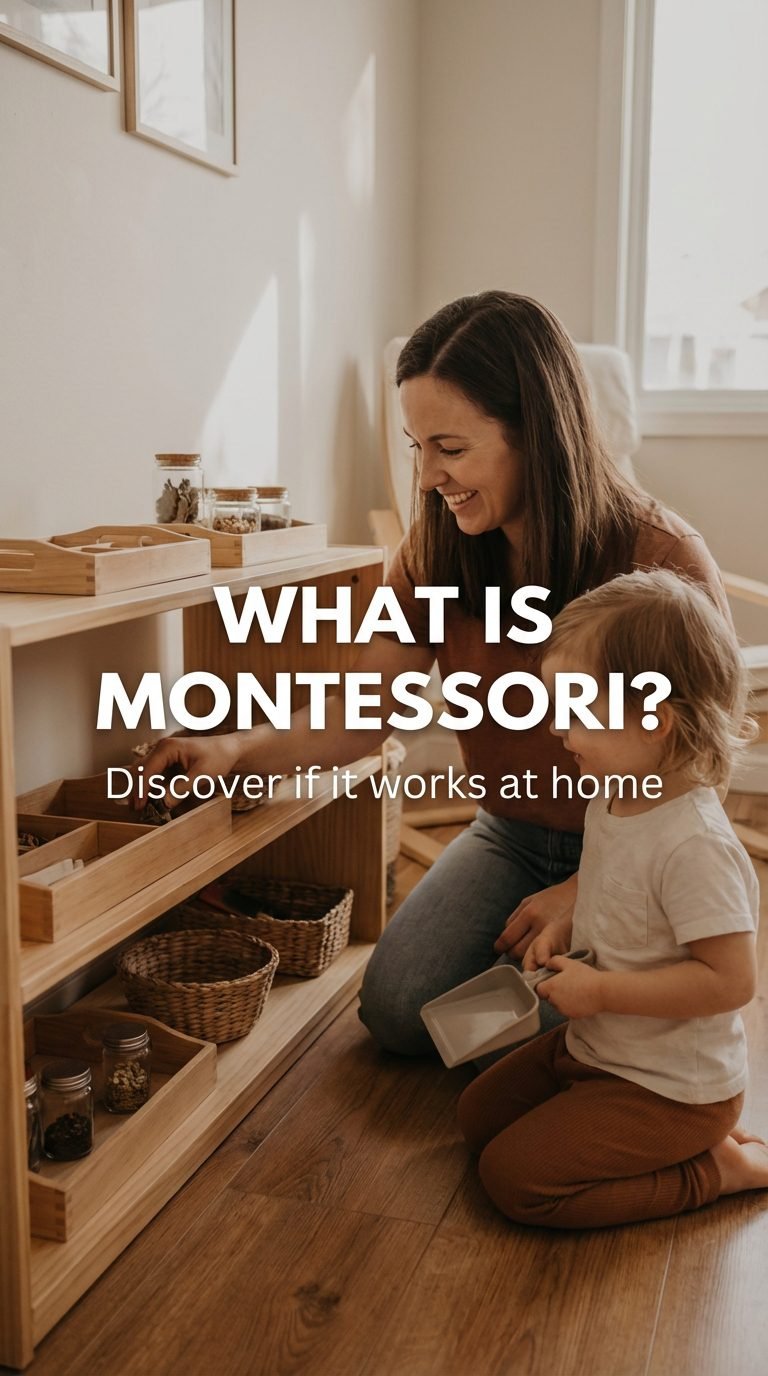
Incorporating Montessori principles into daily routines can be seamless. For example, involve your child in simple tasks like meal preparation or cleaning. This not only teaches them practical life skills but also instills a sense of accomplishment.
Many parents overlook the value of routine in child development. Routines provide structure and security, which are essential for learning. By integrating Montessori activities into your daily life, you create a consistent learning environment.
Start by inviting your child to help with cooking. Simple tasks like washing vegetables or stirring ingredients can be exciting for them. Additionally, you can create a cleaning routine where they can help with tidying up. This involvement fosters independence and a sense of contribution.
How to Talk to Your Child About This Topic
Communication is key when introducing Montessori principles at home. It’s important to explain the concept of independence to your child in simple terms. Use relatable examples that resonate with their daily experiences.
Many parents struggle with finding the right words to convey these ideas. However, using language that is age-appropriate can make a significant difference. Children respond well to explanations that are straightforward and relatable.
For instance, you can say, “You can choose how to play with these toys!” This empowers them to make decisions. Encourage them to express their preferences and opinions about activities. This dialogue fosters a sense of agency and recognition of their choices.
What to Do When Nothing Seems to Work
Even with the best intentions, there may be times when your child resists the Montessori approach. This can be frustrating for parents who are eager to engage their children. Understanding that resistance is part of the learning process is vital.

Many children go through phases where they prefer certain activities over others. This is normal and should be embraced. Instead of forcing engagement, observe their interests and adapt accordingly.
If your child is uninterested in a specific activity, try changing the materials or the environment. For example, if they don’t want to color, offer them different art supplies or a new location to create. This flexibility can reignite their interest and enthusiasm.
Age-Specific Approaches That Help
Understanding your child’s developmental stage is crucial when implementing Montessori at home. Different age groups have varying needs and interests. Tailoring your activities to their age can enhance engagement and effectiveness.
Many parents may not realize how much their child’s interests can change as they grow. For toddlers, practical life activities like pouring or sorting are essential. For preschoolers, more complex tasks like simple cooking can be introduced.
For instance, a toddler may enjoy filling and emptying containers, while a preschooler may find joy in helping with meal prep. By recognizing these developmental stages, you can provide appropriate activities that align with their capabilities.
Building Long-Term Habits That Stick
Creating lasting habits in your child’s learning journey is essential. The Montessori approach encourages consistency and repetition. This helps children internalize skills and knowledge over time.
Many parents overlook the importance of patience in this process. Building habits takes time, and it’s important to celebrate small victories along the way. Consistency in routines can make a significant impact on your child’s learning.
To encourage long-term habits, set aside time each day for Montessori activities. This could be a dedicated hour for creative play or practical life tasks. Consistently engaging in these activities reinforces learning and fosters independence.
Conclusion
Starting Montessori at home this week without spending anything is entirely possible. By using everyday items and fostering independence, you can create a rich learning environment. Remember, small steps lead to big changes, and every bit of progress counts. For more tips and resources, check out more family tips on Simple Family Everyday. You’ve got this!
Frequently Asked Questions
What is Montessori and does it work at home?
Montessori is a child-centered educational approach that fosters independence and hands-on learning.
How can I implement Montessori activities at home for toddlers?
Use everyday items to create engaging, practical activities that promote exploration and learning.
What are some DIY Montessori activities with no special toys?
You can use household items like pots, pans, and utensils for creative play and learning.
How can I create a prepared environment for my child?
Organize your space to encourage independence, with accessible materials for exploration.
What are some practical life activities for toddlers?
Activities like pouring, sorting, and cleaning help develop fine motor skills and responsibility.
Are there Montessori cooking activities for toddlers?
Yes, simple cooking tasks like washing vegetables or mixing ingredients promote engagement and learning.
How do I encourage child-led play at home?
Allow your child to choose their activities and explore their interests freely.
What is the importance of screen-free learning activities?
Screen-free activities promote creativity, social skills, and cognitive development in children.
According to the American Academy of Pediatrics, balanced screen habits support healthy child development.
Looking for a complete overview? Check out our Engaging Montessori Activities to Try at Home with Kids for everything you need to know. For more ideas, check out parenting tips and expert advice. Learn more: child development. Learn more: child development.