how to organise the time for toddlers after the kindergarten
How To Organise The Time For Toddlers can make home days feel calmer, easier, and more manageable for both kids and parents.
Organizing your toddler’s time effectively, particularly after the whirlwind of kindergarten, can significantly help in making the home environment calmer, easier, and more manageable for both children and parents.
As your energetic 3-year-old bursts through the door, filled with stories and excitement from a day at kindergarten, it can feel overwhelming to channel that energy positively.
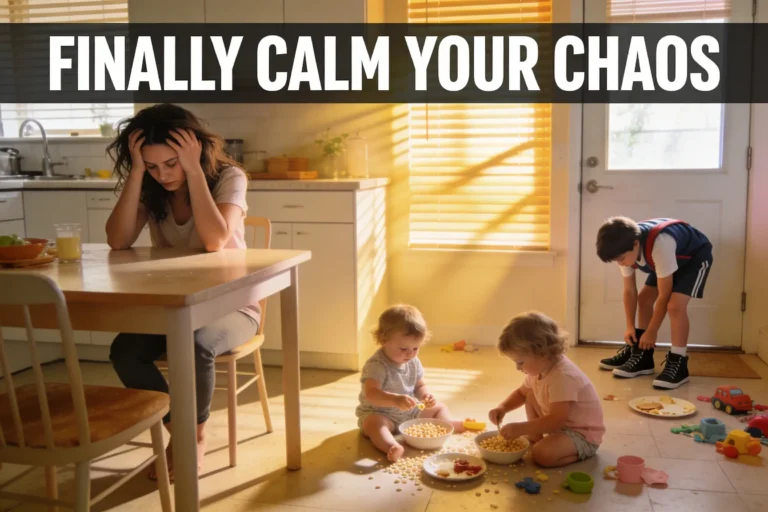
Your kitchen quickly becomes a sea of toys, shoes, and snack demands. Maintaining rhythm in this hustle is crucial. Let’s delve into how to organise the time for toddlers after kindergarten, ensuring afternoons and evenings run smoother for everyone involved.
How To Organise The Time For Toddlers: Practical Ideas That Work
Knowing how to organise the time for toddlers involves embracing practical strategies that don’t overcomplicate your day. These ideas seamlessly integrate into the daily routine, providing structure without rigidity.
When Your Toddler Comes Home Hungry
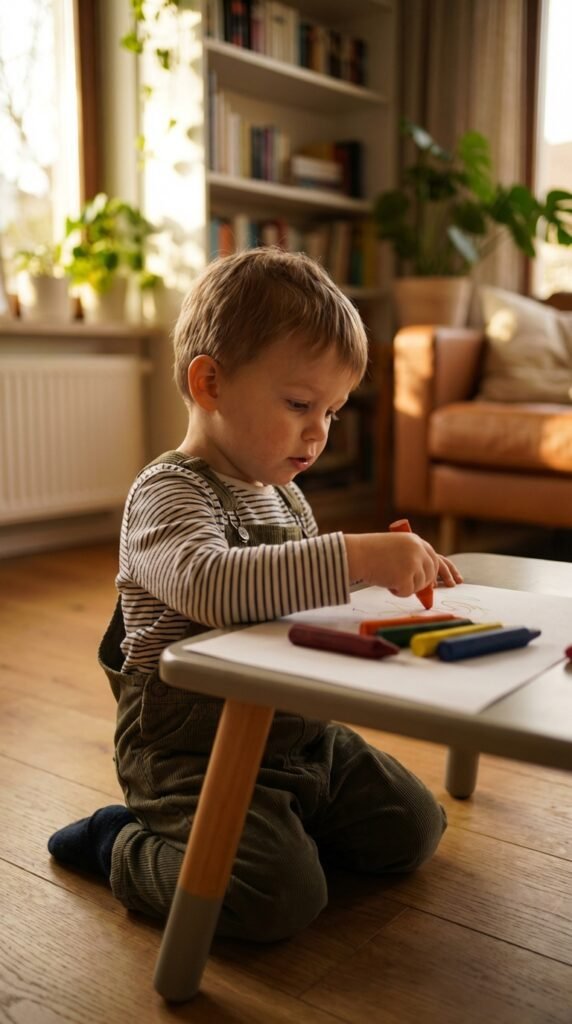
It’s typical for toddlers to tumble through the door with big appetites. After an energetic day at kindergarten, they often drop everything, fixating on food immediately.
Many parents find that the first few minutes after arrival are crucial for setting the tone for the rest of the afternoon. Preparing for this moment, when demands arise before you even take off your shoes, is essential for maintaining order.
The secret is to prepare a simple, nutritious snack ahead of time. This ensures you have something ready to curb their hunger and manage their mood swings right on arrival.
The snack should be filling and quick to serve, such as cheese sticks paired with apple slices, carrot sticks, or a small handful of nuts. These options are both nutritious and appealing to toddlers, encouraging them to sit down and refuel calmly.
You might even experiment with a small yogurt parfait topped with granola and fruits, which can be a nutritious way to settle their after-school cravings.
Customizing portions according to your child’s taste can make this snack time something they eagerly anticipate.
- Plan and prepare snacks the night before to avoid rushes.
- Use small, easy-to-grab containers so snacks are ready as soon as needed.
- Balance carbs with protein in their snack to sustain their energy longer.
Having these snacks prepared not only helps keep hangry meltdowns at bay but also buys you precious time to focus on your own needs, perhaps to unwind for a few moments or finish remaining tasks at home.
Parent note: Accessible snacks stored in low-level bins make busy afternoons easier no doubt. It fosters a degree of independence in your child too!
If Your 3-Year-Old Needs to Unwind

Post-snack, many toddlers benefit from a period of unwinding. This time helps them relax and settle peacefully after a high-energy day.
Without this cooldown, they can easily jump into overactive imaginary play, which may escalate quickly. Providing a dedicated quiet space in your home can mediate this need.
Set aside a cozy corner filled with their favorite soft toys and picture books. A soft blanket and an inviting beanbag or a child-sized armchair can transform this corner into a haven for calm.
Rotate their toys weekly to maintain high levels of interest. Add simple activity books or puzzles for variation.
For example, sticky mosaics or water-based coloring books can captivate without overstimulating them, offering just the right balance of engagement and relaxation.
- Position their quiet zone away from high-traffic areas in the house.
- Regularly update activities available to retain their engagement.
- Offer this opportunity 15-30 minutes after their snack to smoothen their emotional and energy transition.
Reserve this unwind time for reading quietly or soft imaginative play. This transition helps your toddler recharge emotionally, making them much more receptive and calm later in the day.
Parent note: A dedicated relaxing spot like this offers a peaceful retreat whenever your toddler needs a break, enhancing their self-soothing habits.
When Transition Away from Screens Becomes a Tantrum
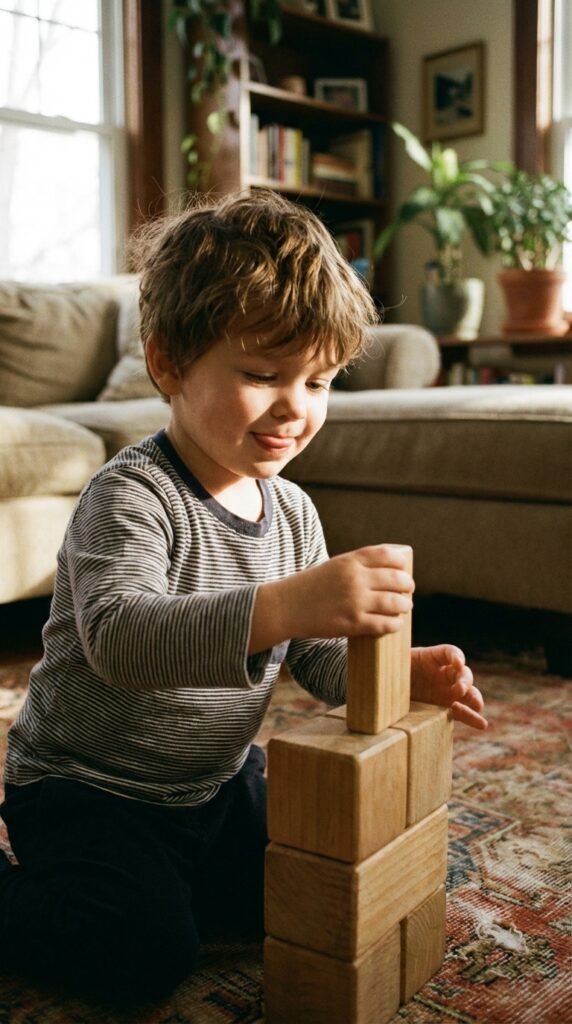
Screen time can become precarious if not managed wisely. While it is a tempting solution for keeping your child occupied post-kindergarten, prolonged exposure can lead to dependence and, consequently, tantrums when the screens are switched off.
The transition from digital to physical activities must be handled thoughtfully to avoid these outbursts.
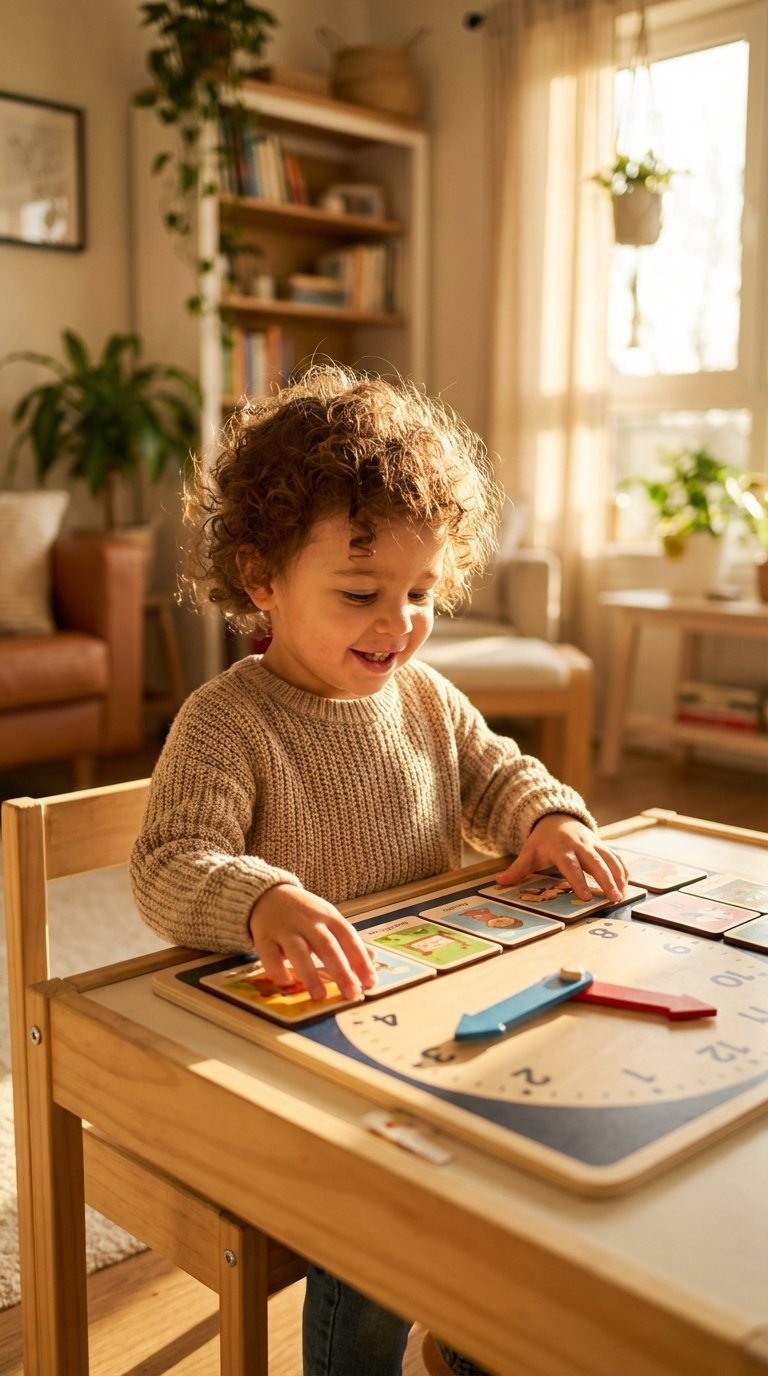
Introducing a visual timer at the start of screen time sets expectations, and showing children how much longer they will have with their device can ease transitions. This strategy empowers children with control, allowing them to anticipate changes.
Consider using gentle alarms or digital clocks with fun countdown visuals to help develop their sense of time passage. Consistency with this approach reinforces boundaries and makes transitions smoother over time.
Having a ready-to-start, engaging activity immediately following screen time helps redirect their attention. Preparing a couple of options, such as a short scavenger hunt or a creative play setup like a dollhouse, can serve as a more engaging distraction.
- Establish clear time limits before allowing screen time.
- Utilize visual timers, like sand clocks, to show the passage of time visually.
- Shift to hands-on, screen-free play like playdough or basic painting right before major activities like dinner preparation.
This practice is most effective when anticipated by offering a choice between two fun activities. This keeps them involved and excited, minimizing tantrums and fostering better adaptability to schedule changes.
Parent note: Keeping crafts and other creative supplies within easy reach encourages spontaneous creativity, turning a potential meltdown into a moment of joyful exploration.
What Helps When It’s Time for Outdoor Energy Burn

Once the indoor activities have been exhausted, taking the fun outdoors is crucial.
Not only does physical play facilitate physical development, but it also provides a fresh change of scenery and a chance to expend pent-up energy effectively, setting a positive tone for the rest of the day.
You don’t need elaborate plans to make this time enjoyable. A trip to the local park, a game of catch in the backyard, or blowing bubbles can be hugely beneficial. On rainy days, a simple obstacle course in the living room can be a thrilling alternative.
Empower your child to lead the playtime by selecting what activities they might be interested in this day. One day it might be hopscotch, while another day it could be castle building with leftover cardboard boxes.
- Ensure a minimum of 30 minutes for outdoor play, if weather permits.
- Engage them with a treasure hunt or simple relay races to mix learning and fun.
- Prepare for diverse weather by dressing them in layers during colder months.
Once their energy is spent, you’ll find they show greater cooperation during evening routines. Outdoor play serves not only as physical exercise but also as stress relief, facilitating better moods all around.
Parent note: Preparing a small, portable bag filled with outdoor toys or adventures like chalk, jump rope, or rubber balls can spur excitement and make getting outside easier.
When the Evening Routine Needs a Reset
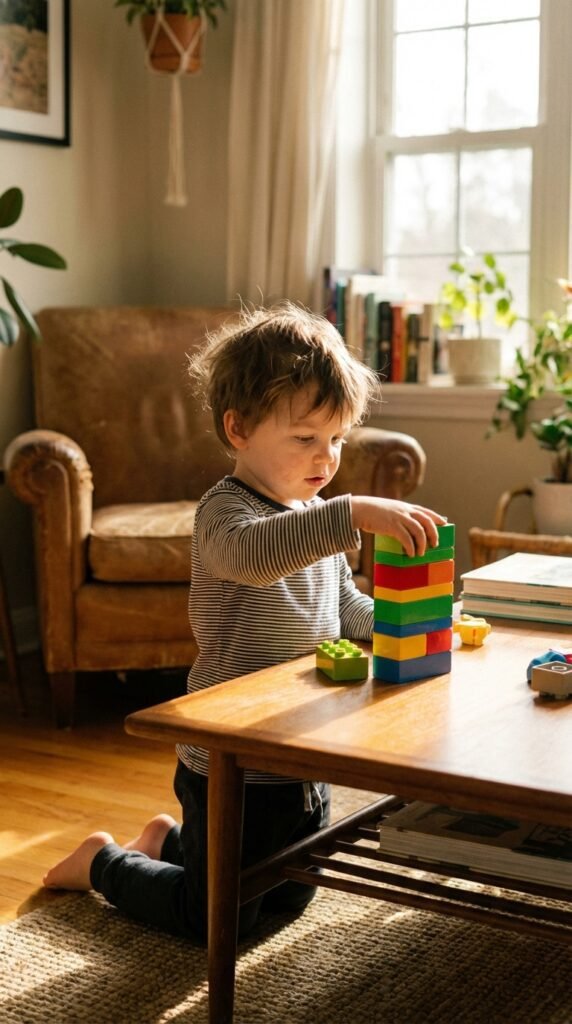
Evenings can be particularly challenging, especially if the kids are overstimulated and parents are exhausted. Introducing a consistent evening routine that starts with a fun but energy-calming family ritual can transform this part of the day.
Consider starting with a short family walk, allowing time to decompress, discover nature, and talk. An alternative might be a family dance-off where everyone can let loose.
You could even incorporate calming yoga stretches suitable for toddlers into your evening rhythm.
Using these activities to reconnect as a family strengthens bonds and provides a more joyful transition into dinner and bedtime routines. Afterward, transitioning to quieter tasks, such as a collaborative storytime, sets a peaceful tone for winding down.
- Curate a family-friendly playlist for spontaneous dance sessions.
- Slow walk through the neighborhood, focusing on exploration rather than speed.
- Maintain consistency by marking these times on a family wall calendar.
Employ these strategies particularly when afternoons have been overly active or stressful. These rituals not only ensure a smoother shift between evening activities but can also evolve into beloved family traditions over time.
Parent note: Simple daily rituals become cherished memories and provide a sense of security and anticipation for both children and parents as they become ingrained in daily life.
FAQ
How quickly can how to organise the time for toddlers start helping?
Usually the first improvement comes when the routine or strategy is repeated in the same way for several days in a row.
how to organise the time for toddlers works best when the child can predict what happens next and the adult response stays calm, short, and consistent during a hard everyday moment. Small wins matter more than perfect days.
What if my toddler resists this right away?
That usually means the step is still too big, too fast, or not concrete enough for a 3-year-old toddler. Shrink the task, show the first step visually, and stay with your child for the beginning.
Most resistance drops when the action feels clear and manageable instead of vague or rushed.
How do I make how to organise the time for toddlers feel age-appropriate?
Match the language, expectations, and setup to a 3-year-old toddler. Younger children need shorter steps, more visual cues, and more physical guidance.
Older children can handle more independence. The structure can stay the same, but the wording and support level should fit the child in front of you.
What is the most common mistake with how to organise the time for toddlers?
The biggest mistake is adding too much at once. Parents often stack extra reminders, extra steps, or extra rules when the first version feels shaky.
A better approach is to keep one simple path, repeat it often, and only add more once the child can already do the easy version with less friction.
Should I change the setup if our day keeps shifting?
Yes, but only the parts that create friction. Keep the core sequence stable and adjust the trigger, location, or support level.
When families keep the backbone simple, how to organise the time for toddlers stays useful even when real life changes, sleep is off, or the day feels heavier than usual.
How can I tell whether this is actually working?
Look for smaller signs before big transformation. A child may start with less protest, need fewer reminders, or recover faster after a hard moment.
Those are real progress signals. When how to organise the time for toddlers fits the age and the daily context, it usually creates less tension before it creates full independence.
Used well, how to organise the time for toddlers should feel like a practical support for a real family moment, not one more thing to manage.
When the strategy matches the child’s age, the daily trigger, and the amount of support they actually need, parents usually notice more cooperation and less chaos over time.
Simple Ways to Make This Work Long Term
The families who get the best results from a how to organise the time for toddlers are usually the ones who keep the routine visible, realistic, and easy to repeat. They do not redesign everything every morning.
Instead, they keep the same core order, use the same location for the checklist, and give short reminders that match the child’s age. This consistency reduces mental load for everyone in the house.
It also helps to decide in advance what counts as success. Some mornings, success may mean every step is completed independently.
On harder days, success may simply mean that the child follows the first three tasks without resistance. That flexible mindset keeps the routine sustainable.
Parents can protect the long-term habit while still responding to real life, tired mornings, and changing family needs.
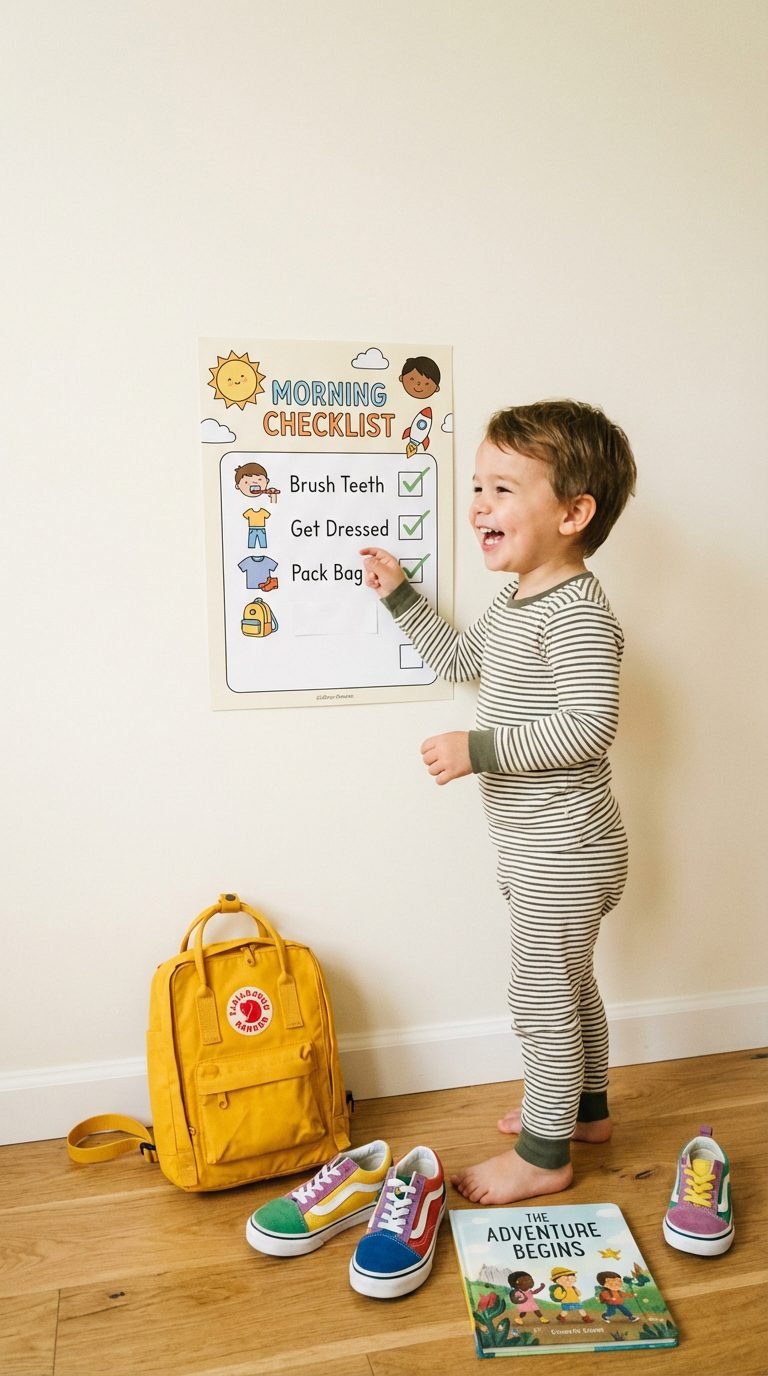
Finally, remember that routines improve through repetition more than through perfection. A printable checklist becomes powerful when it is used daily, reviewed occasionally, and simplified whenever it starts to feel heavy.
That is why a thoughtful system often works better than a beautiful but complicated one.