

Calm Your Chaos! Family Routines by Age That Work
Are you constantly feeling like you’re herding cats, juggling a million tasks, and just barely keeping your head above water? Does the idea of a calm, predictable day feel like a distant, impossible dream? You’re not alone. Many parents battle daily chaos, wishing for a magic wand to bring order to their homes. But what if the “magic” isn’t a wand, but rather a well-crafted set of family routines by age, designed for morning, bedtime, and weekly systems that truly work? This isn’t about rigid schedules that steal your joy; it’s about creating a predictable rhythm that reduces stress, fosters independence, and brings peace back into your family life. Ready to finally reclaim your sanity and enjoy more of those precious family moments?
Why Age-Appropriate Routines Are Your Family’s Secret Weapon
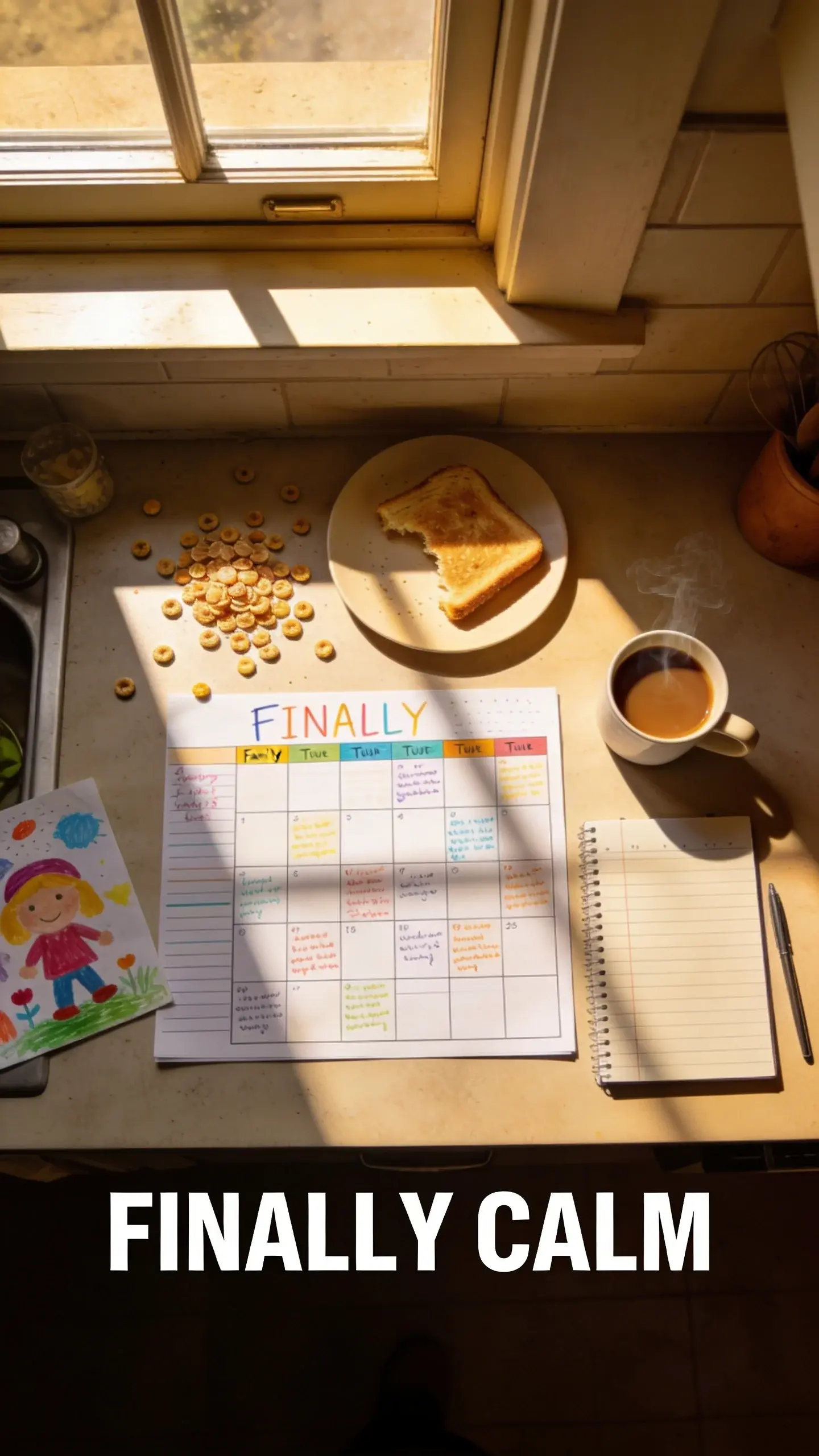
Let’s be honest, the word “routine” sometimes conjures images of strict, unyielding schedules that suck the fun out of life. But in the context of family, routines are quite the opposite. They are the invisible scaffolding that supports your family’s well-being, providing a sense of security, predictability, and calm. Think of them as gentle guides, not ironclad rules.
Children, from infants to teens, thrive on predictability. Knowing what to expect next reduces anxiety and builds confidence. For parents, routines mean fewer power struggles, less nagging, and more time enjoying your kids instead of managing them. Who wouldn’t want that? Establishing these rhythms early on empowers your children to develop self-discipline and essential life skills, making your home a happier, more harmonious place.
A study published in the journal *Pediatrics* found that children with consistent bedtime routines had significantly better sleep quality, improved daytime behavior, and enhanced cognitive development compared to those without a routine. Consistency truly is key for healthy development.
The Hidden Benefits of Predictable Family Life
* Reduced Stress for Everyone: When everyone knows the drill, there’s less frantic rushing and fewer last-minute meltdowns. This applies to parents and kids!
* Increased Independence: Routines teach children to anticipate tasks and take ownership of their responsibilities. This means less parental nagging and more self-sufficient kiddos.
* Better Sleep Habits: Consistent bedtime routines signal to the body that it’s time to wind down, leading to easier transitions to sleep and better quality rest.
* Stronger Family Bonds: With less time spent on conflict and more on smooth transitions, you create space for meaningful interactions and connection.
* Improved Behavior: Children often act out when they feel insecure or uncertain. Routines provide a stable framework that can significantly reduce behavioral issues.
Cracking the Code: Newborn & Infant Routines (0-12 Months)

Ah, the newborn phase. It’s a beautiful, exhausting blur where sleep is currency and a hot cup of coffee feels like a luxury. While strict schedules are often unrealistic and even unhelpful for newborns, establishing gentle newborn and infant morning and bedtime routines can be a game-changer. This isn’t about clock-watching; it’s about cues and patterns.
For infants, a “routine” often means a predictable sequence of events rather than fixed times. Think “eat, play, sleep” cycles. This natural rhythm helps babies feel secure and understand the flow of their day. Your goal is to gently guide them towards longer stretches of sleep at night and more alert periods during the day.
Morning & Daytime Rhythms for Baby
* Gentle Wake-Up: Open curtains, speak in a cheerful voice, sing a soft song. Avoid tip-toeing around once they’re awake.
* Feed First: Offer a feeding shortly after waking. A full belly is a happy belly.
* Play & Engage: Tummy time, reading books, singing, gentle stretches. Keep them stimulated but not overstimulated.
* Observe Sleep Cues: Look for yawning, rubbing eyes, zoning out. Don’t wait until they’re overtired.
* Nap Time: Swaddle (if appropriate), dark room, white noise. Help them learn to fall asleep independently if possible.
Bedtime Bliss for Little Ones
* Consistent Start Time: Aim for roughly the same time each evening, even if it varies by 30 minutes.
* Warm Bath (Optional): Many babies find a warm bath soothing.
* Pajamas & Diaper Change: A fresh start for the night.
* Quiet Time & Cuddles: Rocking, singing a lullaby, reading a board book. Keep it calm and loving.
* Final Feed: A “dream feed” can sometimes help extend sleep, but don’t wake a sleeping baby just for it.
* Lay Drowsy But Awake: This is the golden rule for fostering independent sleep.
Don’t try to force a rigid, clock-based schedule on a newborn. Their tiny bodies aren’t ready for it, and it can lead to frustration for both of you. Focus on cues, patterns, and a flexible “eat-play-sleep” rhythm that can adapt as they grow. Flexibility is your friend in the early months!
Taming the Toddler Tornado: Routines for 1-3 Year Olds

Toddlers are a delightful mix of boundless energy and burgeoning independence. They want to do *everything* themselves, often with hilarious (and sometimes frustrating) results. This is precisely why toddler daily and weekly routines that work are so crucial. Predictability gives them the security to explore their world, knowing what comes next. It also minimizes those epic meltdowns that often stem from a lack of control or understanding.
At this age, routines should involve them more. Offer choices (“Do you want the blue pajamas or the red ones?”) and use visual aids like picture charts. This empowers them and makes them feel like active participants, not just passengers.
Morning & Bedtime Routines for Toddlers
* Morning:
* Wake & Potty: Encourage immediate potty use if training.
* Get Dressed: Offer two choices of outfit. “You pick!”
* Breakfast & Chat: Sit together, talk about the day.
* Simple Task: Put dirty clothes in the hamper, help clear plate. Building early responsibility.
* Bedtime:
* Dinner & Play Wind-Down: Transition from active play to quieter activities.
* Bath Time: Fun but not overly stimulating.
* Pajamas & Potty: Consistent steps.
* Brush Teeth: Make it a game!
* Stories & Cuddles: A few books, quiet snuggles.
* Into Bed: Say goodnight, leave the room.
- ☐ Dinner & Quiet Play
- ☐ Bath
- ☐ Pajamas & Potty
- ☐ Brush Teeth
- ☐ 2-3 Books & Cuddles
Weekly Systems for Little Explorers
* Designated Outing Day: Park, library, playdate.
* “Helping Hands” Time: Simple chores like putting toys in a bin.
* Meal Prep Together: Let them help stir, wash veggies (age-appropriate).
* Family Walk: A consistent time for fresh air and connection.
Preschool Power-Ups: Establishing Routines for 3-5 Year Olds
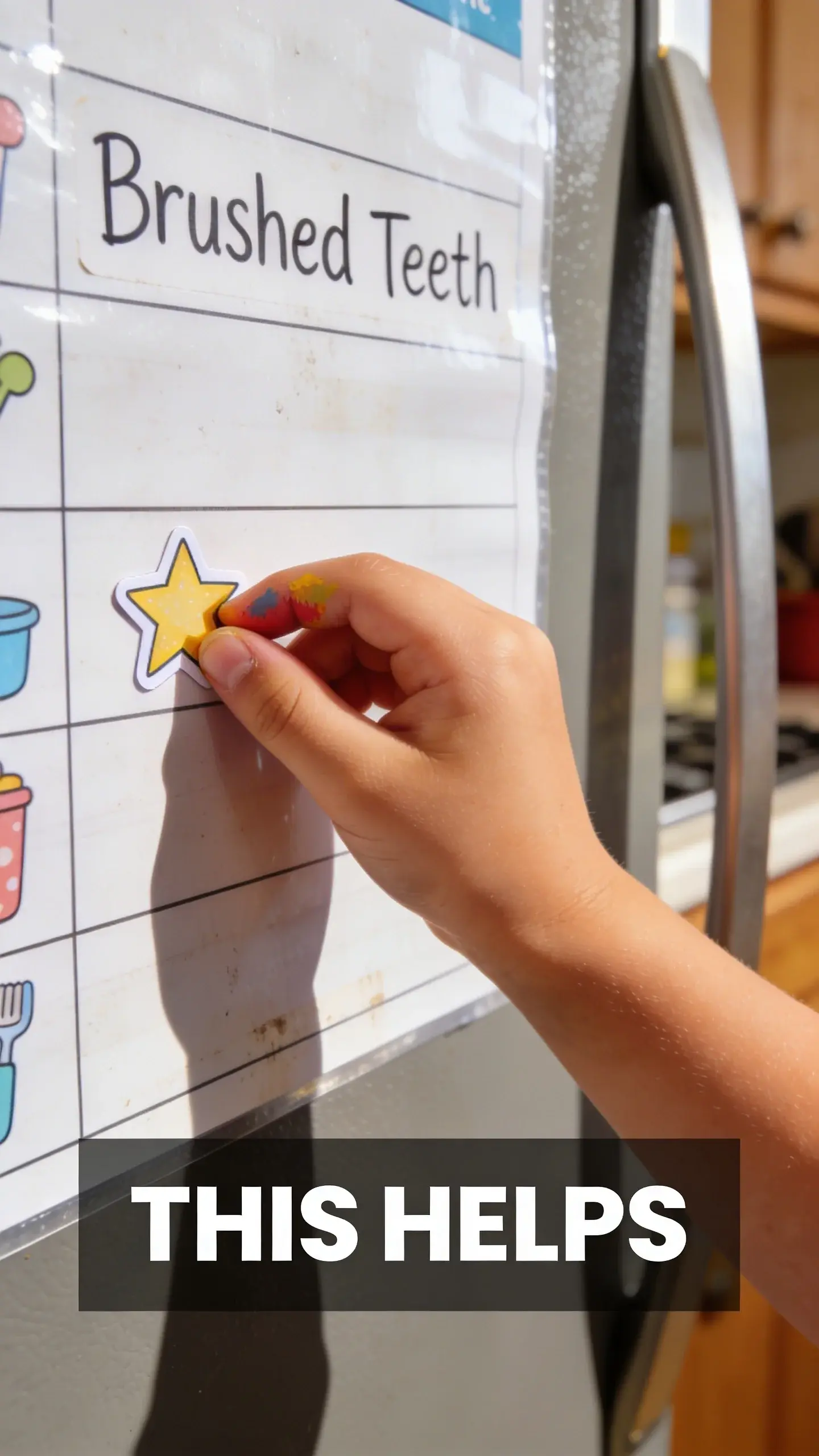
As children transition into their preschool years, their world expands significantly. They’re learning new skills, navigating social dynamics, and developing a stronger sense of self. This is the perfect time to solidify their preschooler morning and evening routines with a bit more structure, while still allowing for plenty of imaginative play. Visual schedules become even more effective, helping them track their progress and feel accomplished.
Encourage self-care and simple chores, reinforcing their growing independence. They love to “help” and feel capable, so lean into that!
Daily Rhythms for Preschoolers
* Morning:
* Self-Care Station: Toothbrush, comb, clothes laid out.
* Breakfast & Table Manners: Practice sitting nicely, using utensils.
* “Ready to Go” Checklist: Backpack, shoes, coat. Use a visual chart!
* Simple Chore: Make their bed (even if it’s just pulling up the blanket).
* Bedtime:
* Dinner & Tidy Up: A short clean-up time before winding down.
* Bath/Shower: More independence here.
* Pajamas & Potty: Again, consistency is key.
* Brush Teeth: Supervise, but let them lead.
* Story Time: Longer books, maybe a chapter book.
* Quiet Play/Journaling: A few minutes of calm before lights out.
Weekly Adventures and Responsibilities
* “Family Fun” Day: A dedicated time for an outing, craft, or game.
* Chore Chart: Assign age-appropriate tasks like watering plants or setting the table.
* Library Day: Foster a love of reading.
* Meal Planning Input: Let them pick one meal for the week.
* Playdate Schedule: Predictable social time.
School-Age Superstars: Routines for 6-12 Year Olds

Once kids hit school age, their lives become a whirlwind of academics, extracurriculars, and burgeoning social lives. Establishing robust school-age children weekly routine systems is no longer just helpful; it’s essential for managing schedules, homework, and ensuring everyone gets enough rest. This is also the age where involving them in the routine-planning process becomes incredibly beneficial. When they have a say, they’re more likely to buy in.
Your role shifts from directing every step to guiding and supervising. Empower them with tools like chore charts, homework planners, and designated “launchpads” for school supplies.
Morning & Bedtime for School Kids
* Morning:
* Independent Wake-Up: Alarm clock time!
* Get Ready: Dress, brush teeth, hair.
* Breakfast & Pack Lunch: Encourage them to help make their own lunch.
* “Launch Pad” Check: Backpack, homework, sports gear by the door.
* Quick Chore: Feed pets, clear breakfast dishes.
* Bedtime:
* Homework & Chores: Get these done before wind-down.
* Screen Time Off: Set a firm cut-off time.
* Shower/Bath: Can be done earlier in the evening.
* Reading Time: Independent reading for 20-30 minutes.
* Quiet Conversation/Journaling: A chance to connect or reflect.
* Lights Out: Consistent sleep schedule is vital.
Involve your school-age children in creating their routines. Sit down together, discuss what needs to happen, and let them help decide the order or specific tasks. When kids have ownership, they’re far more motivated to stick to the plan. It teaches them valuable planning and time management skills, too!
Weekly Systems for Busy Families
* Family Meeting: Once a week, discuss schedules, chores, and upcoming events.
* Chore Rotation: Implement a system where chores are rotated or assigned weekly.
* Homework Time Block: A consistent time and place for schoolwork.
* Activity Logistics: Plan who’s driving where and when.
* Meal Planning & Prep: Get their input on meals, maybe even help with grocery lists. [→ Read more: Easy Weeknight Meal Prep Ideas]
* Designated “Family Fun” Night: Make it non-negotiable!
Navigating the Teen Years: Flexible Routines for 13+ Year Olds
Teens crave independence, push boundaries, and often operate on a different internal clock than the rest of the family (thanks, puberty!). While rigid routines are likely to be met with eye-rolls and resistance, establishing flexible teen daily schedule routines is still incredibly important. It’s about providing a framework for responsibility, self-care, and managing their increasingly complex lives, rather than dictating every minute.
The goal here is collaboration and fostering self-management. They’re old enough to understand consequences and contribute to household harmony. Your role is to guide, set expectations, and provide the tools for them to succeed.
Morning & Bedtime for Teens
* Morning:
* Self-Driven Wake-Up: They manage their own alarms.
* Personal Hygiene & Dressing: Expect them to be ready on time.
* Breakfast: Encourage a healthy breakfast, even if it’s on the go.
* School Prep: Backpack, sports gear, lunch. A “launch pad” is still useful!
* Contribution: A quick chore, like letting out the dog or emptying the dishwasher.
* Bedtime:
* Homework & Study Time: Designated block, ideally not right before bed.
* Digital Detox: A firm “no screens in the bedroom” rule or a charging station outside the room.
* Personal Hygiene: Shower, brush teeth, skincare.
* Wind-Down: Reading, listening to music, journaling.
* Consistent Sleep Schedule: Crucial for their developing brains, even on weekends (within reason).
Weekly Systems for Older Kids
* Shared Calendar: Use a family calendar (digital or physical) for everyone’s activities.
* Weekly Check-In: A brief chat about their week, upcoming tests, social plans, and any support they need.
* Chore Responsibilities: Assign significant chores, like laundry, yard work, or meal prep.
* Family Dinner: A non-negotiable time to connect and share.
* “Me Time” & Social Time: Encourage balance in their schedule.
* Financial Responsibilities: If they have a job, help them budget and manage their earnings.
Beyond Daily: Crafting Weekly Family Systems That Work
While daily morning and bedtime routines are the bedrock, the real magic of a calm household often lies in the effective weekly family routine systems. These are the overarching plans that keep the household running smoothly, prevent weekend chaos, and ensure everyone has time for rest, play, and connection.
Think of your week as a canvas. What big blocks do you need to paint in? Errands, meal prep, family fun, chores, appointments. When you plan these out, even loosely, you free up mental space and reduce decision fatigue.
Key Weekly Systems to Implement
- The Sunday Reset: Dedicate an hour or two on Sunday to prepare for the week.
- Review the family calendar.
- Plan meals and create a grocery list.
- Do a quick tidy-up of common areas.
- Lay out clothes for the first few days.
- Meal Planning: This is a sanity-saver! Plan your dinners for the week, shop once, and maybe even do some prep work (chopping veggies, marinating meat). [→ Read more: The Ultimate Guide to Meal Planning for Busy Families]
- Chore Charts/Rotation: Assign age-appropriate chores with clear expectations. Rotate them weekly or monthly to keep things fair and interesting.
- Family Meeting: A short (15-30 minute) weekly meeting to discuss schedules, address any issues, and plan fun activities. Give everyone a voice.
- Designated Errand Day: Group all your errands into one block of time to avoid daily trips and save gas/time.
- “Family Fun” Time: Schedule it! Whether it’s a movie night, board game marathon, or outing to the park, make sure connection time is prioritized.
- “Quiet Time” Block: Even if it’s not naptime anymore, schedule time for everyone to have independent, calm activities. Reading, drawing, puzzles. This recharges everyone’s batteries.
Remember, these systems are not set in stone. Life happens! The beauty of a system is that it gives you a default to return to. When things go off the rails (and they will!), you have a clear path back to predictability.
FAQ: Your Burning Questions About Family Routines Answered
How do I start a family routine from scratch without overwhelming everyone?
Starting a routine doesn’t mean overhauling everything at once.
- Pick one area to focus on first, like the bedtime routine, as it often has the biggest impact on sleep and next-day mood.
- Introduce one new step at a time, explaining it clearly to your children.
- Once that feels natural, add another element. Gradual implementation is key to success.
What if my child resists the routine, especially during transitions?
Resistance is normal! Here’s how to handle it:
* Stay Calm & Consistent: Don’t give in. Consistency is how routines become habits.
* Use Visuals: Picture charts or checklists help kids understand what’s next.
* Give Warnings: “In 5 minutes, it’s time to brush teeth.”
* Offer Choices: “Do you want to brush your teeth first or put on pajamas?” (within the routine).
* Acknowledge Feelings: “I know you don’t want to stop playing, but it’s time for our bath.”
How much flexibility should a family routine have?
A good family routine is a framework, not a prison. It should be flexible enough to adapt to sick days, holidays, or unexpected events. Aim for about 80% consistency. The other 20% allows for spontaneity and the realities of life. The routine provides a default, making it easier to get back on track after a deviation.
Are routines only for younger children, or do teens benefit too?
Absolutely not! While the *nature* of the routine changes, teens benefit immensely from predictable structures around schoolwork, chores, and sleep. For them, it’s less about being told what to do and more about learning self-management, time organization, and healthy habits that will serve them well into adulthood.
What’s the best way to adjust family routines for holidays or travel?
When adjusting for holidays or travel, communicate changes clearly and maintain as many core elements as possible. For instance, stick to a similar bedtime routine (bath, books, bed) even if the timing is a bit off. For travel, pack familiar comfort items and use a simplified version of your routine. The goal is to return to your regular routine as quickly as possible upon returning home.
Finding Your Rhythm: A Reassuring Conclusion
Parenting is a wild ride, isn’t it? But you don’t have to white-knuckle it through the chaos. By embracing family routines by age: morning, bedtime & weekly systems that work, you’re not just creating order; you’re building a foundation of security, independence, and connection for your entire family. It won’t be perfect every day, because, well, kids. But with a consistent rhythm, you’ll find more joy, less stress, and more time to simply *be* with the people who matter most. Start small, be patient, and celebrate every little win on your journey to a more harmonious home.
Learn more: imaginative play. Learn more: imaginative play.