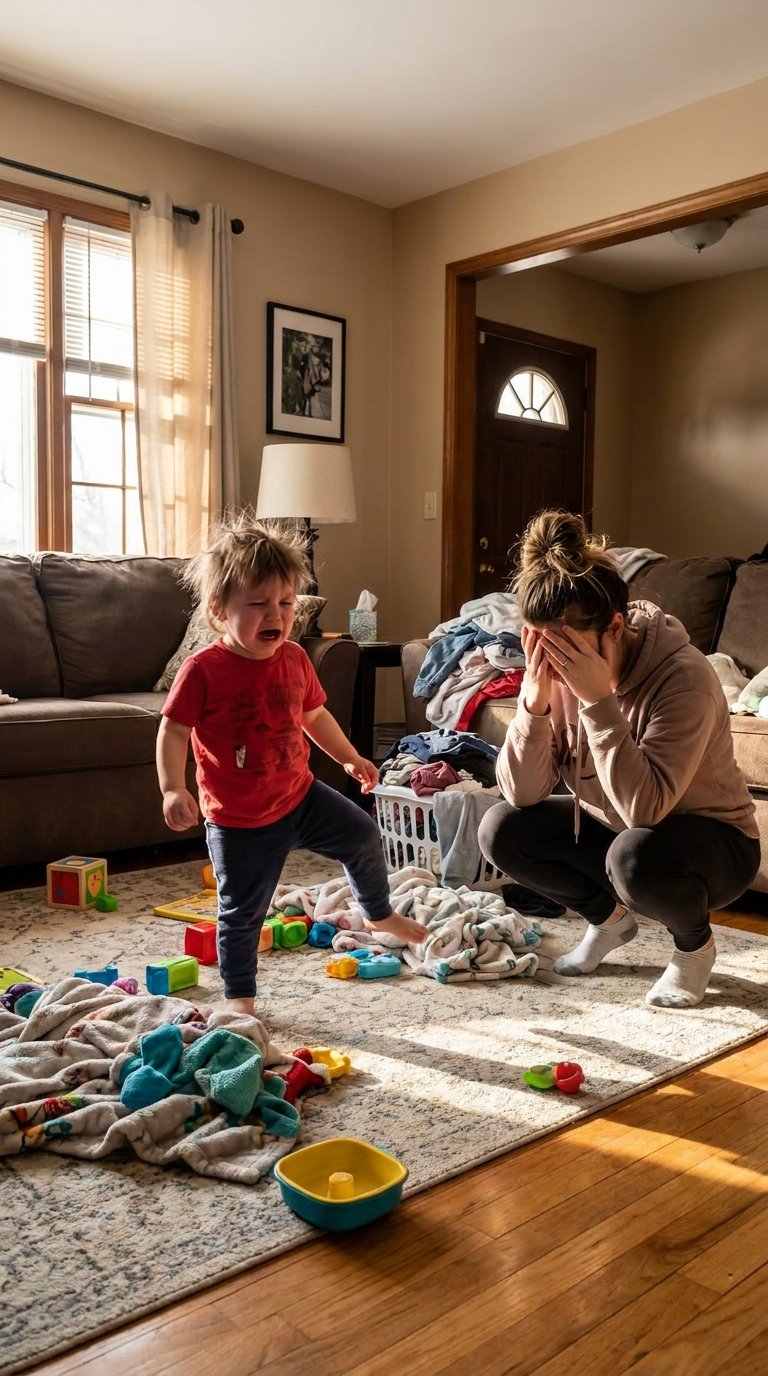
Family Chore System For Kids can make daily chores feel clearer, calmer, and easier for everyone at home. It is 3:45pm and my kid drops the backpack like a small explosion. The whole afternoon ritual unfolds, and suddenly, my house looks like a minefield of shoes and snack wrappers. You know that feeling of battling constant reminders and clean-up demands?
I’ve been there with the chaos, and I found that a solid family chore system for kids can transform your home life. By establishing a structured routine with creative methods, kids learn responsibility and collaboration, making the fafamily dynamicore cooperative and less stressful. Let’s explore some enhanced systems that empower kids to pitch in consistently, easing the burden on you.
Family Chore System For Kids ideas that make routines easier
Family Chore System For Kids helps children see what comes next, start faster, and need fewer reminders during the day. When kids know what is expected of them, their independence flourishes and their confidence grows. In time, these systems can even lead to improved time management skills and a greater sense of accomplishment in your children, providing lifelong benefits.
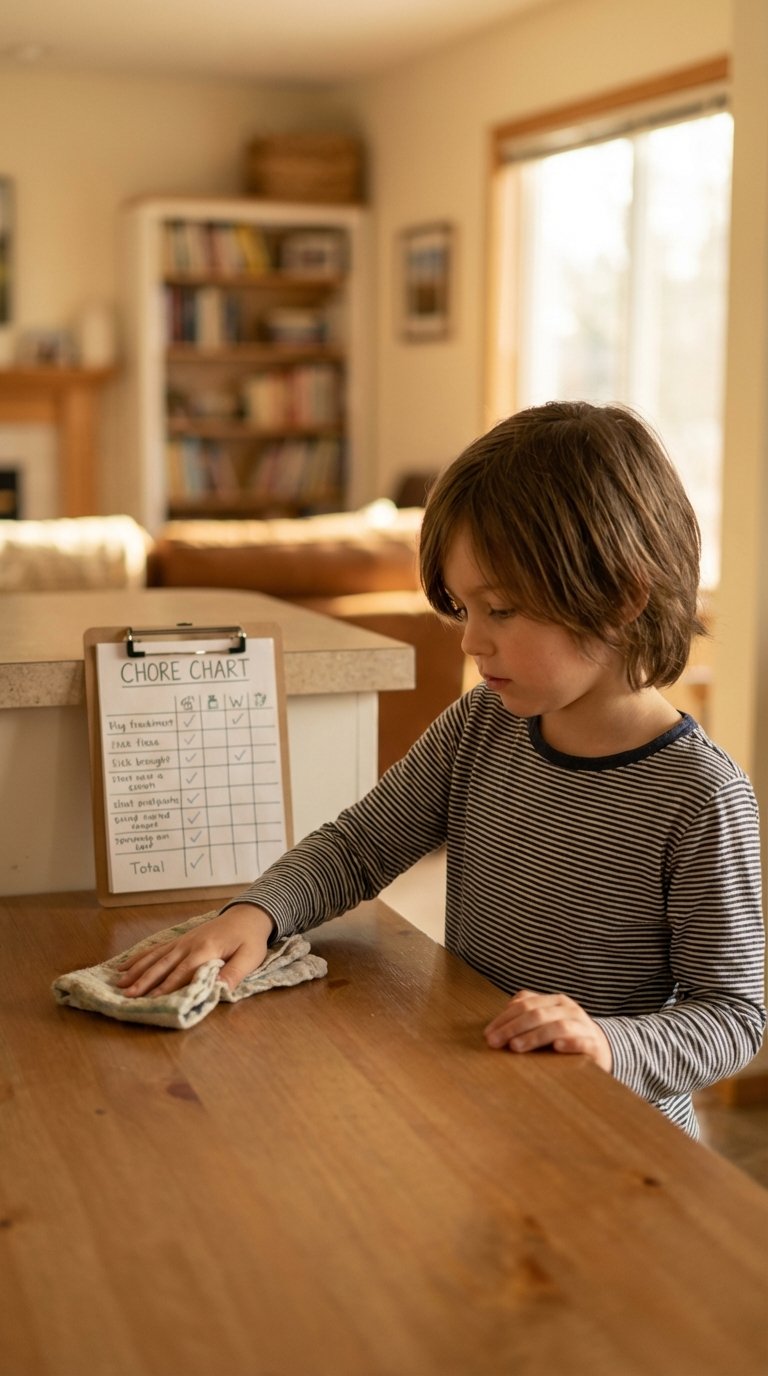
Creating a visual chore chart tailored to your child’s age might be the magic wand you need. With younger children, use bright colors and simple imagery; older children might appreciate designs that align with their hobbies. Stickers and doodles that suit their tastes can lure them toward their tasks with excitement. By incorporating their interests, you’ll find they’re more likely to engage willingly.
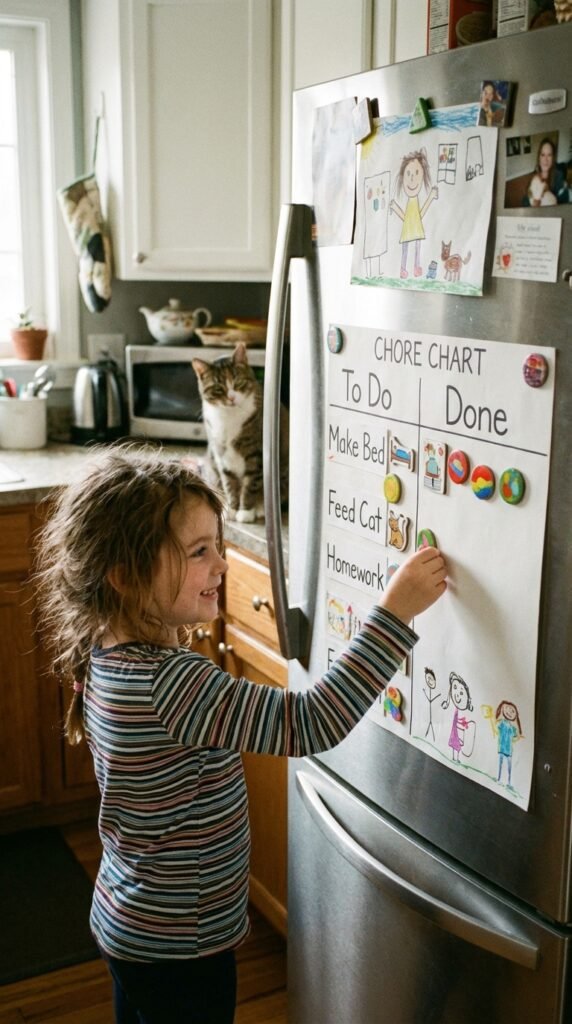
In my home, we turned chore time into a visual game using colorful magnets. My son loved moving magnets, making each achievement visible, like lining up his favorite toys. It became more than a list; it was his personal scoreboard. This approach helps kids visualize their progress and understand the effort-reward relationship.
Place the chart in a strategic location like the fridge or their bedroom door, making it unavoidable in their daily routine. This strategic placement turns an overlooked list into an integral part of home life. Furthermore, you can introduce themes that capture their imagination—perhaps seasonal symbols or characters from their favorite movies, keeping their engagement high and fresh.
Real tip: Let your child decorate the chart themselves; it adds ownership and makes the activity a collaborative effort. You can turn this into a mini art project, allowing them to express themselves while learning about responsibilities through creative self-expression.
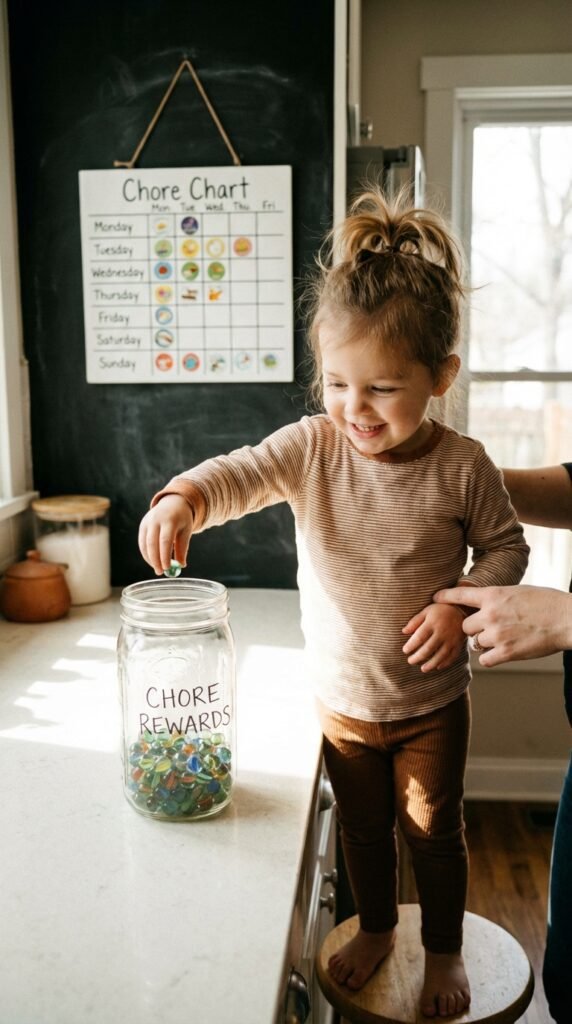
Spice things up by introducing a reward jar. Every completed chore earns a token or a small treat, such as a sticker or coin, collected over time for a bigger reward. This system not only motivates but also instills a deeper understanding of the value of effort and patience in achieving larger goals.
We used marbles in a jar, and once filled, the kids chose a fun family activity. It taught delayed gratification and the value of teamwork. Each marble dropped in the jar became a small symbol of achievement and anticipation. Encourage sibling collaboration by letting them work towards a shared goal, such as a family outing or movie night, fostering a spirit of teamwork.
This tactile system appeals particularly to younger children who enjoy the tangible experience. They often shake the jar, fascinated by the clinking marbles, eagerly watching their collective efforts grow. This embodiment of progress can also open discussions about financial literacy, explaining how efforts accumulate over time similar to savings.
Real tip: Set clear goals for what the reward encompasses so expectations are managed. Outline what constitutes a completed chore and what milestones lead to rewards, developing clear communication and understanding within the family unit.
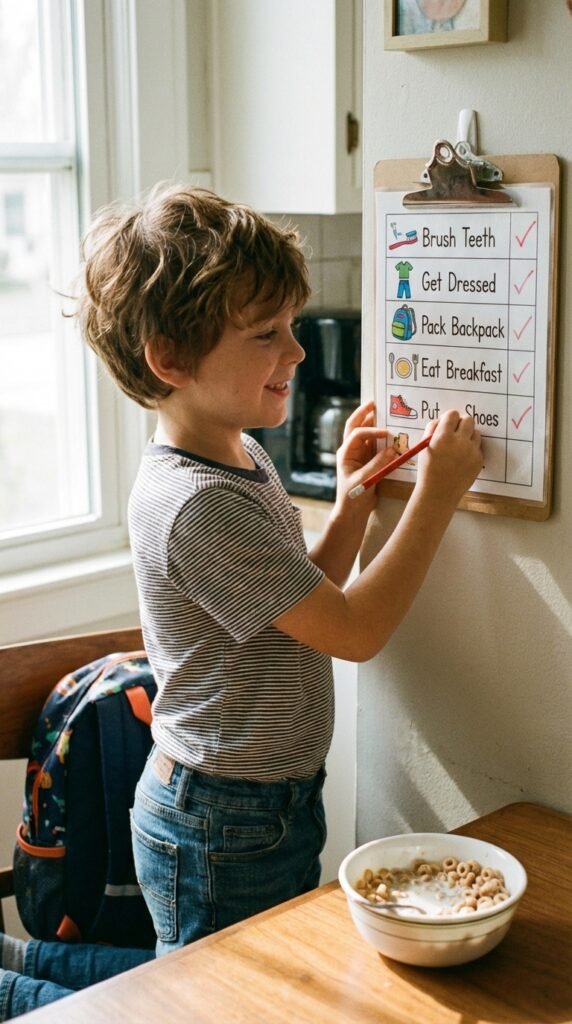
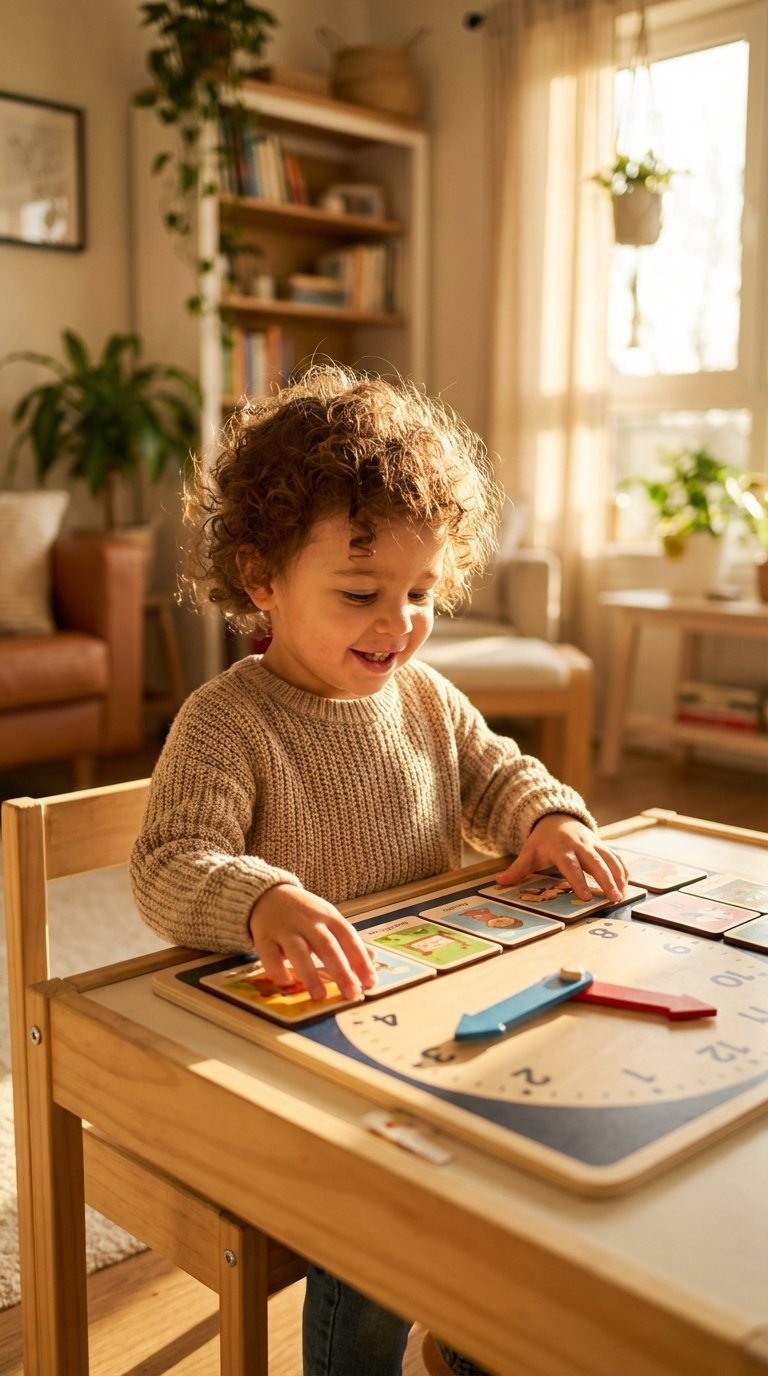
Kickstart the day with a routine checklist. It eliminates morning chaos and empowers kids to manage their time effectively before school. With structured mornings, they are set up for daily success and become more focused on their tasks at hand.
In our routine, my daughter checks off simple tasks like brushing teeth, making the bed, and gathering school supplies, adding structure to her mornings. This routine makes her mornings predictable, giving her a sense of control and ownership over her time, which reduces stress for everyone.
Place this checklist in visible spots such as the bathroom mirror or next to the breakfast table. When children are aware of their duties, the hustle of morning prep transforms into an orderly ritual. This format also allows older children to manage extra responsibilities, like packing their own lunches or completing breakfast preparation, reducing caregiver workload.
Real tip: Laminate the checklist or use dry-erase markers for reusability and eco-friendliness. Changing tasks weekly keeps the checklist fresh and engaging, avoiding monotonous routines. Involving your children in creating the checklist can also personalize the experience, making them more invested in its completion.
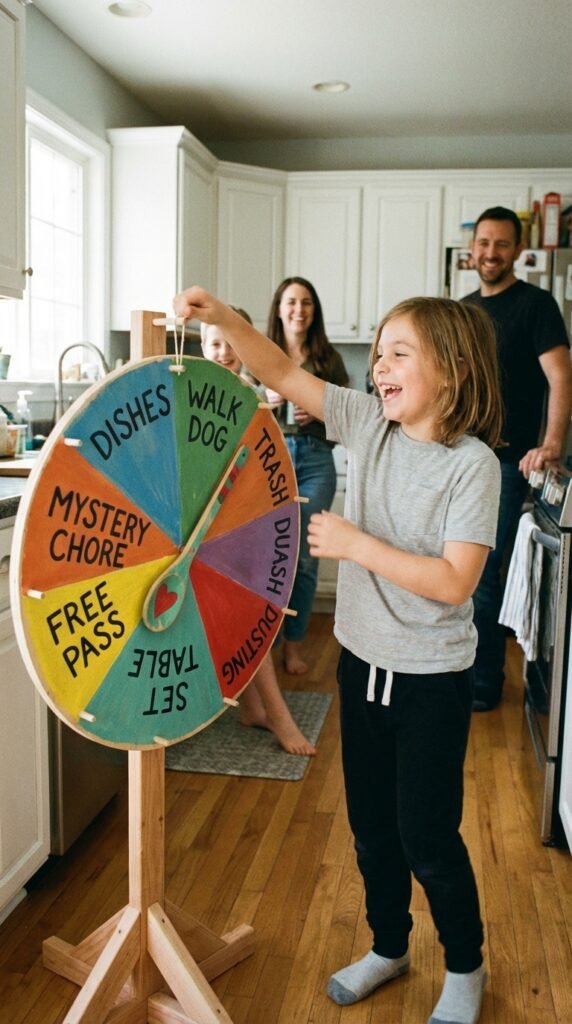
To ensure fairness and variety, a chore wheel can be a helpful tool. Families can gather to spin it weekly or monthly to assign tasks in a balanced way, making it a fun start to chore duties and mitigating any feelings of unfairness. This method prevents complaints of “unfairness” while adding a sense of anticipation and fun.
We crafted a simple wheel using a lazy susan and found that the kids appreciated the surprise element. It kept complaints low since everyone gets a chance at each task, minimizing repetitive drudgery and household chores feeling like a burden.
Sharing experiences of different chores broadens children’s skill sets and develops empathy, as they come to understand the various efforts required to run a household. This perspective can be incredibly important not only at home but also when they interact with others in group settings, aiding social development and teamwork skills.
Real tip: Get creative with the wheel design; let kids suggest fun themes or colors. Their input during the creation phase increases their excitement and emotional investment, making it more likely they will eagerly participate each time the wheel spins.
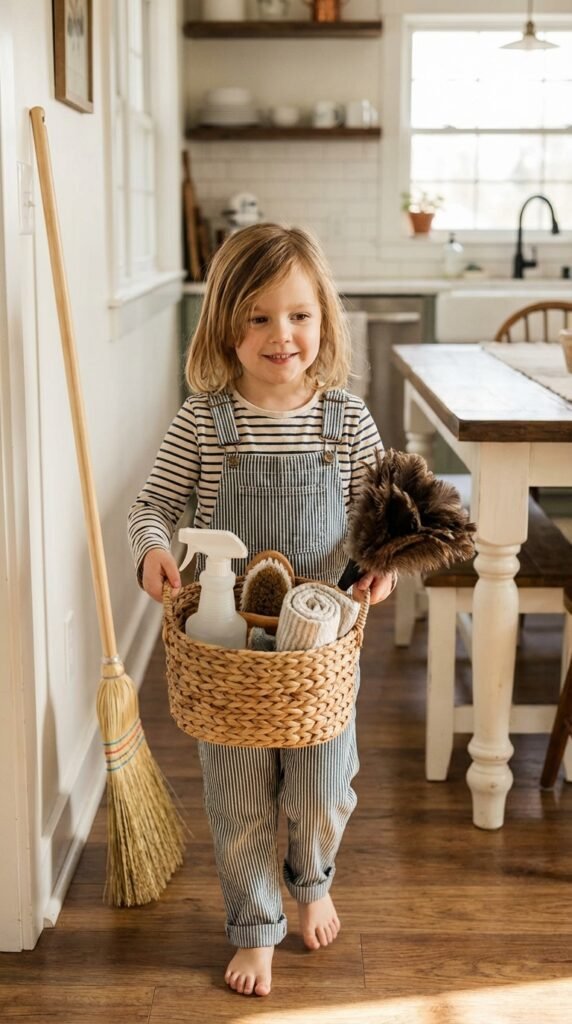
Assign each child their task basket filled with all needed supplies for their assigned chores. It promotes responsibility and makes chores feel like personal missions, providing them with a sense of ownership over their tasks.
My kids love having their personalized baskets; they know exactly what to do once they pick theirs up. In these baskets, we include items like dusters, spray bottles, or dish towels, ensuring the tools fit their age-appropriate tasks. Having everything they need ready and waiting avoids delays and excuses.
This approach transforms chores into a treasure hunt, where finding the right item becomes part of accomplishing their job. Such involvement increases their enthusiasm and the coherence with which they complete chores. Additionally, responsibility for maintaining their basket’s contents reinforces another layer of ownership.
Real tip: Customizing baskets with their names or favorite characters can increase their enthusiasm to participate. The personal touch becomes an invitation rather than a demand, encouraging willing participation instead of reluctant compliance.
Explore these systems and find what fits your family best. Each offers a unique spin on making chores less of a chore and more of a learning opportunity. Empower your kids today without the endless cycle of reminders.
Parenting involves experimenting a bit, and these systems helped streamline our daily life. I hope they bring peace to your routine too! By choosing and adjusting the chore system most suited to your family’s dynamics, you can transform chores from obstruction into opportunity, teaching essential life skills while ensuring the home runs smoothly.
FAQ
How long does it take to make this routine feel natural?
Most families notice progress after one to three weeks of consistent practice. The key is not perfection on day one, but repeating the same simple steps until your child can predict what comes next. Small habits become easier when the checklist, visual cues, and timing stay steady. If a morning feels messy, return to the basic version instead of adding more steps.
What if my child resists the checklist at first?
Resistance usually means the routine is still new, too long, or not concrete enough. Shorten the list, add one visual reminder, and walk through it together for a few mornings. Children often cooperate more when they understand the order, know what success looks like, and feel that the task is manageable. Calm repetition works better than long explanations.
Can I adapt these ideas for different ages?
Yes. Younger children need fewer steps, clearer visuals, and more hands-on support, while older children can manage longer lists and small independence goals. Keep the same framework but adjust the wording, the number of items, and the kind of reminder you use. This makes the routine feel age-appropriate without rebuilding the whole system from scratch.
How do I keep the routine from becoming boring?
A routine should feel predictable, but that does not mean it has to feel dull. You can rotate icons, let your child choose the order of two small tasks, or use a different encouragement phrase each week. The structure stays the same while the presentation feels fresh. This keeps motivation steady without turning the morning into entertainment.
Should I print the checklist or keep it digital?
For most families, a printed version is easier because it is always visible and does not add another screen into the routine. A printable checklist can be placed where the action happens, such as near the bathroom, bedroom, or kitchen. That physical placement reduces forgotten steps and makes the system more automatic for both parent and child.
What matters more: speed or independence?
In the beginning, independence matters more. A child who learns to complete even part of the routine alone is building a skill that will save time later. When parents rush every step for the sake of speed, the morning may move faster today but stay dependent tomorrow. Teaching the process slowly now often creates calmer mornings later.
How often should I update the checklist?
Review it every few months or whenever mornings start to feel stuck again. Remove steps your child already knows well and simplify anything that creates daily friction. The best checklist is not the longest one; it is the one your child can actually use. A short review keeps the routine realistic and matched to your family’s current stage.
What is the biggest mistake parents make with a family chore system for kids?
The biggest mistake is adding too many steps too quickly. When a routine becomes crowded, children stop seeing the path and parents start giving constant reminders. A better approach is to begin with the few actions that matter most and practice them until they feel automatic. Then, if needed, add one extra step without changing the whole structure overnight.
Used well, a family chore system for kids does not just organize tasks. It lowers decision fatigue, supports independence, and helps mornings feel more predictable for the whole family. That is why many parents find that even a simple printable system creates a noticeable difference after only a short period of consistent use. Learn more: structured routin.
Always On Edge? How to Calm Your Overwhelmed Mom System The plastic lid of the snack container clicks shut, a sharp, sudden sound that echoes just a little too loudly in the quiet kitchen. You’ve just finished cleaning up breakfast, the sun barely up, and already your shoulders feel tight, your jaw clenched. It’s not…
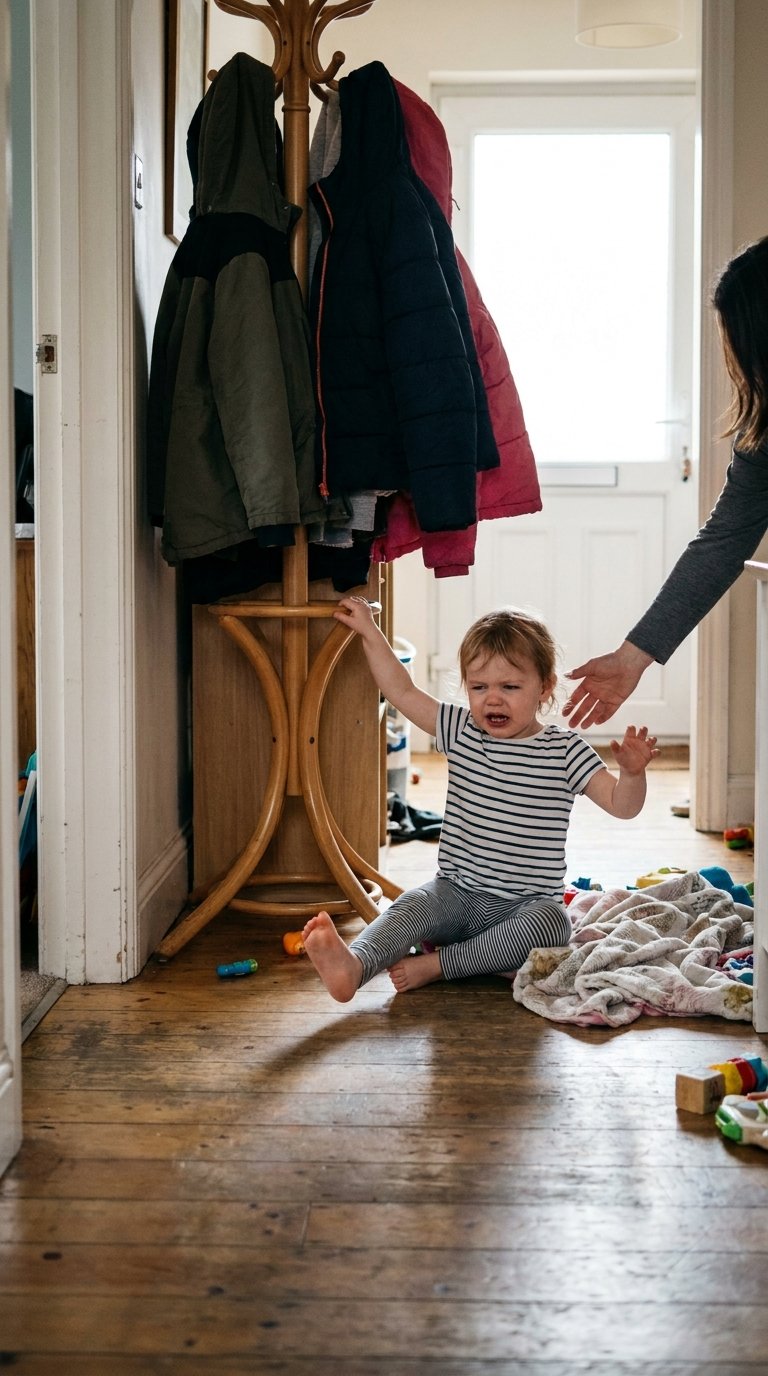
When everything tips over and your three-year-old’s tantrum hits, it can feel like you’re failing. Let’s explore why it happens and how to make it through with a little more grace.
truggling with your toddler’s schedule? Implement this simple toddlers morning & bedtime routine for smoother transitions and happier little ones. Say goodbye to daily battles!