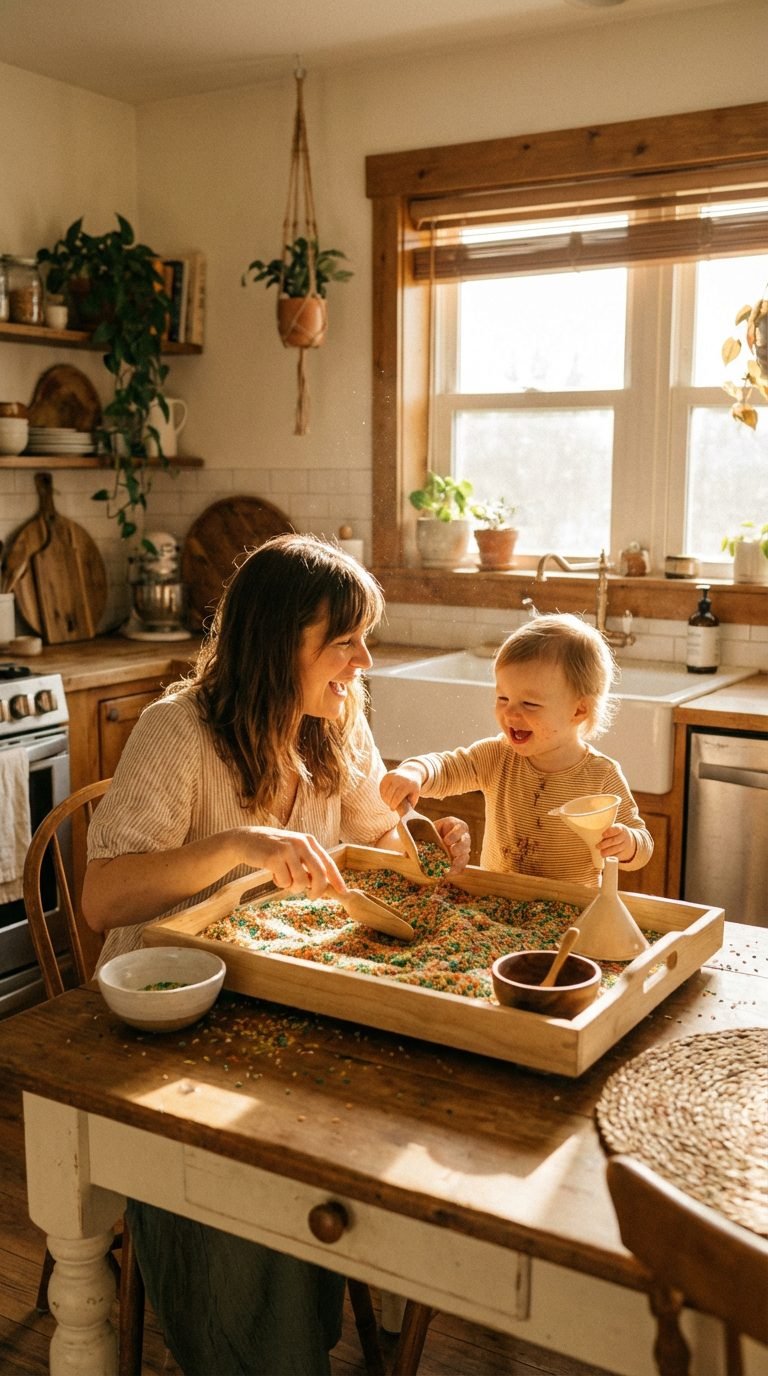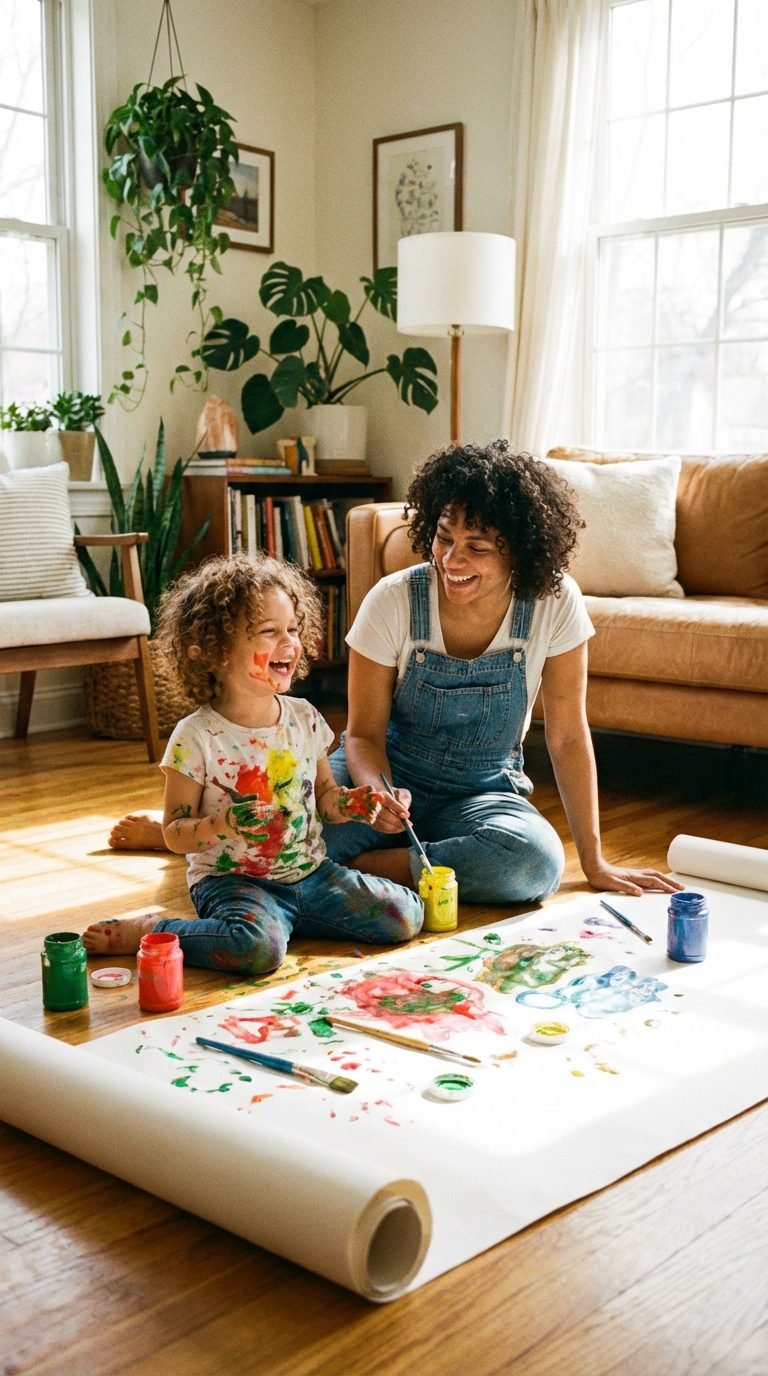
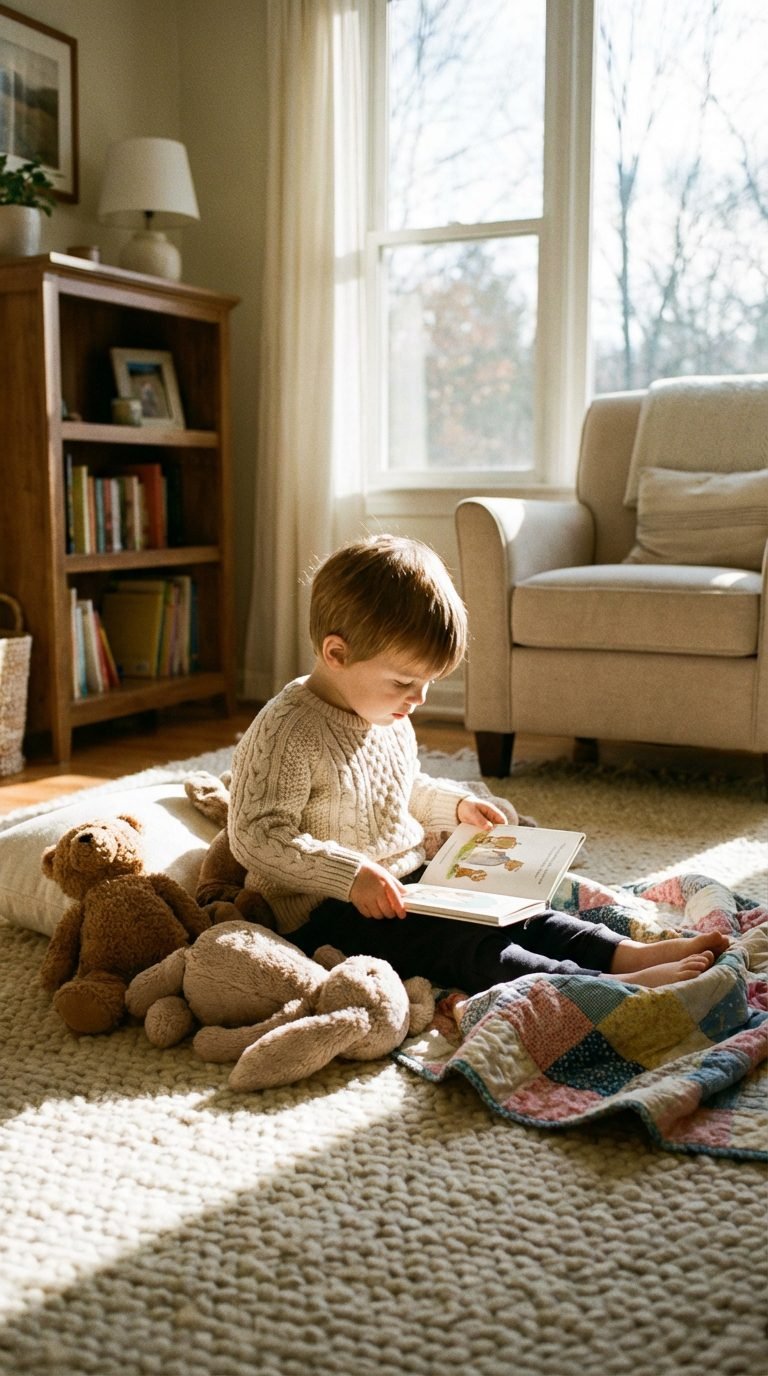
How I Got My Nap-Refusing 3-Year-Old to Love Quiet Time
How I Got My Nap-Refusing 3-Year-Old to Love Quiet Time
Toddler quiet time after dropping nap can feel like an uphill battle for many parents. My three-year-old, once a champion napper, suddenly decided that sleep was a thing of the past. This transition left me scrambling for solutions to maintain some semblance of peace during the day.
As I watched my energetic child bounce off the walls, I felt overwhelmed and exhausted. I knew I needed to introduce quiet time, but how? Like many parents, I feared that without structured rest, chaos would reign. However, with a little creativity and patience, I discovered ways to make quiet time enjoyable for both of us.
Why Is This So Hard for So Many Parents?
The abrupt shift from napping to no napping can be challenging for parents. Many toddlers thrive on routine, and when that routine changes, it can lead to frustration for both child and parent. The challenge lies in finding a balance that allows your child to unwind while giving you a much-needed break.
Understanding this struggle is crucial. Parents often feel guilty for wanting some time to themselves, but it’s essential for mental health. Quiet time isn’t just beneficial for kids; it’s a necessary reprieve for parents too.
To make this transition smoother, it helps to have a clear plan. Set expectations with your child about what quiet time will look like. Explain that it’s a time for calm activities, and they can choose what they want to do quietly.
The Real Reason This Situation Is So Hard
One reason toddler quiet time after dropping nap can be difficult is the sudden surge of energy that toddlers exhibit. When they no longer have a nap to recharge, they often seem even more restless. This newfound energy can make it hard for them to settle down.
This high energy can lead to challenging behaviors, like tantrums or constant demands for attention. As a result, parents may feel the pressure to fill their child’s time with structured activities to keep them engaged.
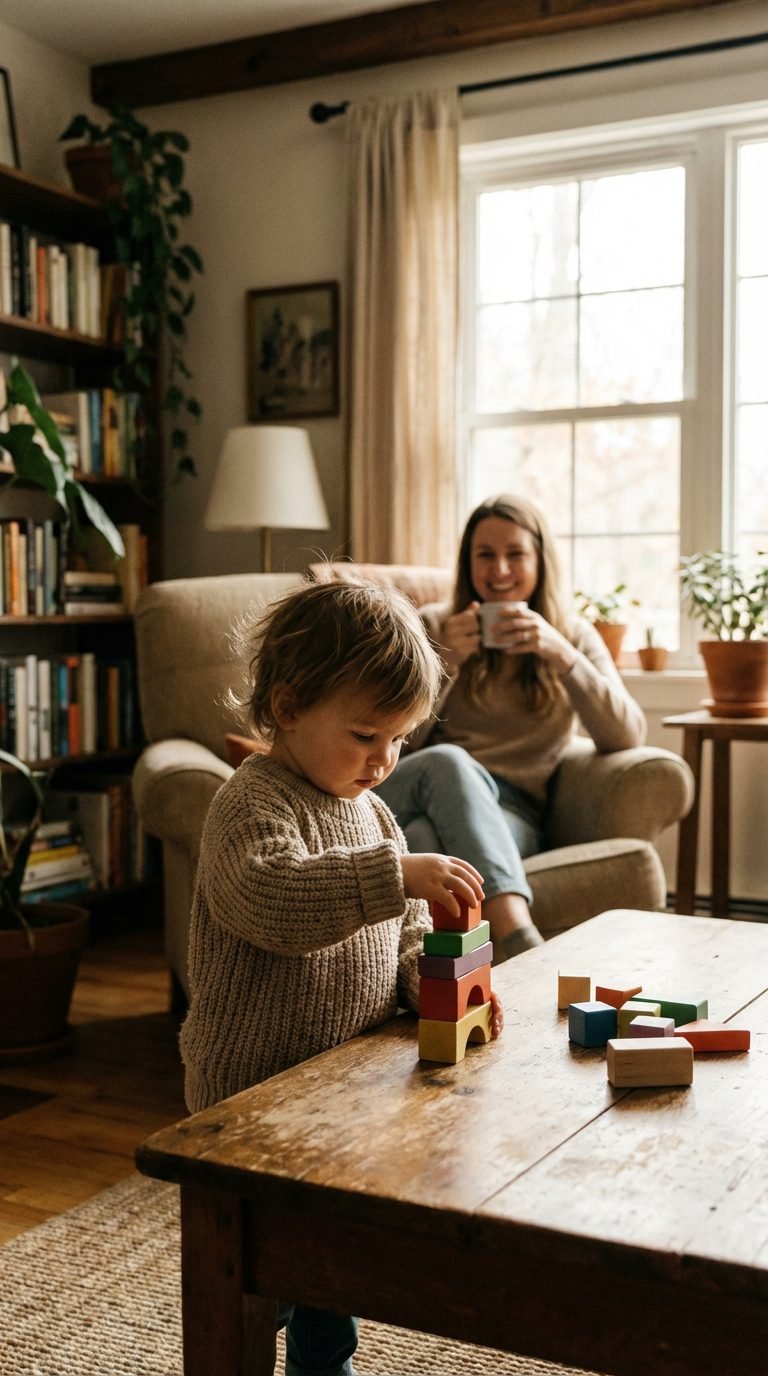
Instead of trying to fill every moment, consider allowing your toddler to explore independent play. Set up a cozy space with their favorite toys and books. Encourage them to play alone, explaining that this is their special time to be creative.
What Most Parents Try First (And Why It Backfires)
Many parents instinctively try to replace nap time with structured activities or screen time. While this might seem like a good idea, it often leads to overstimulation. Kids can quickly become bored or restless, making the situation worse.
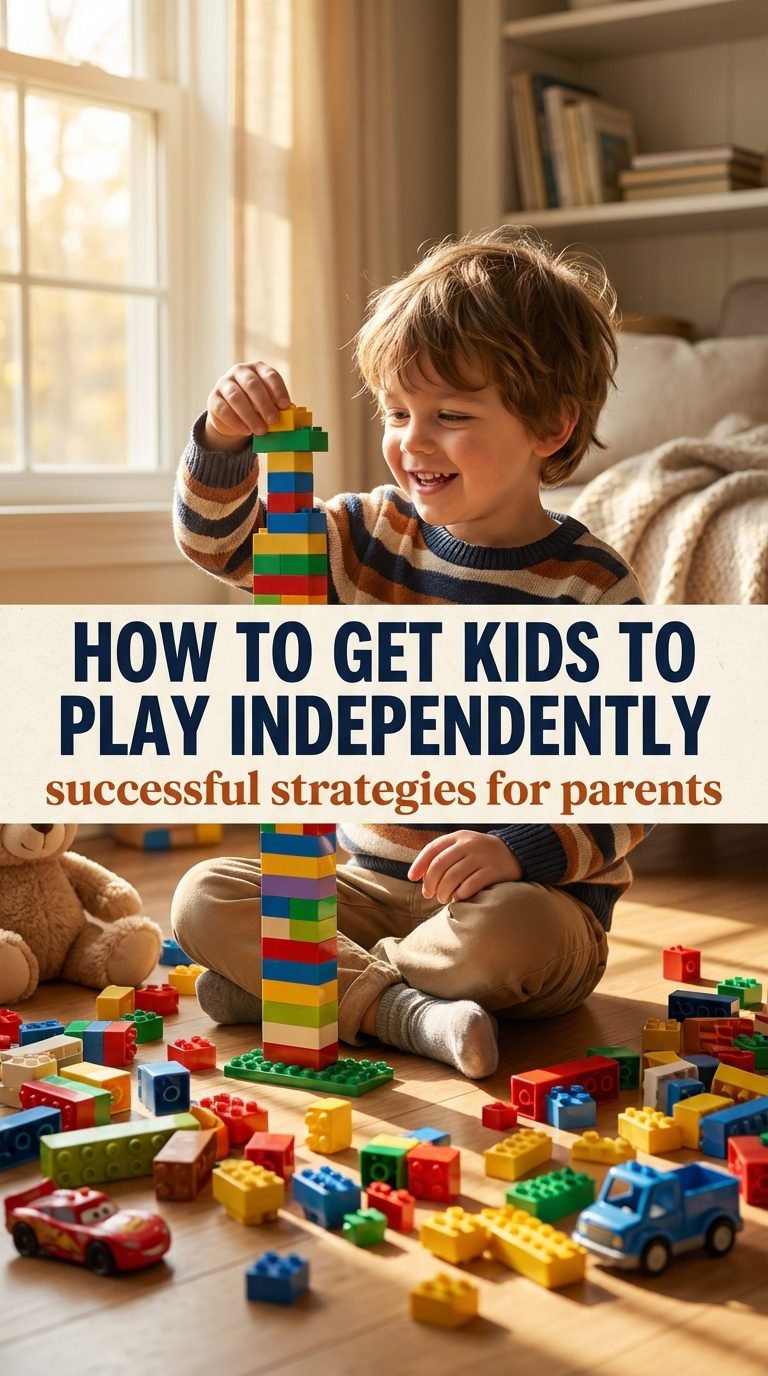
Overly structured play can actually stifle independent play skills development. When children are constantly guided in their activities, they may struggle to learn how to entertain themselves. This can create a reliance on external stimuli, leading to more meltdowns.
Instead, consider introducing quiet activities that promote self-directed play. Create a quiet bin filled with puzzles, coloring books, or building blocks. Explain that this is their quiet time to explore these activities on their own. For more ideas, check out 20 Quiet Activities That Do.
A Simple Shift That Actually Changes Things
To make toddler quiet time after dropping nap more enjoyable, I found that a simple shift in mindset made all the difference. Instead of viewing quiet time as a punishment or an obligation, I started framing it as a special treat. This perspective change helped my child look forward to their quiet time.
It’s essential to highlight the benefits of quiet time to your child. Explain that this is a moment for them to relax and enjoy their favorite activities without distractions. This positive reinforcement can motivate them to embrace quiet time.
Incorporate a reward system, like a sticker chart, to track their quiet time successes. Celebrate each achievement, no matter how small, to encourage them to participate willingly.
How to Talk to Your Child About This Topic
When introducing toddler quiet time after dropping nap, communication is key. Use simple language to explain the concept of quiet time. Let your child know that everyone needs a break, including parents.
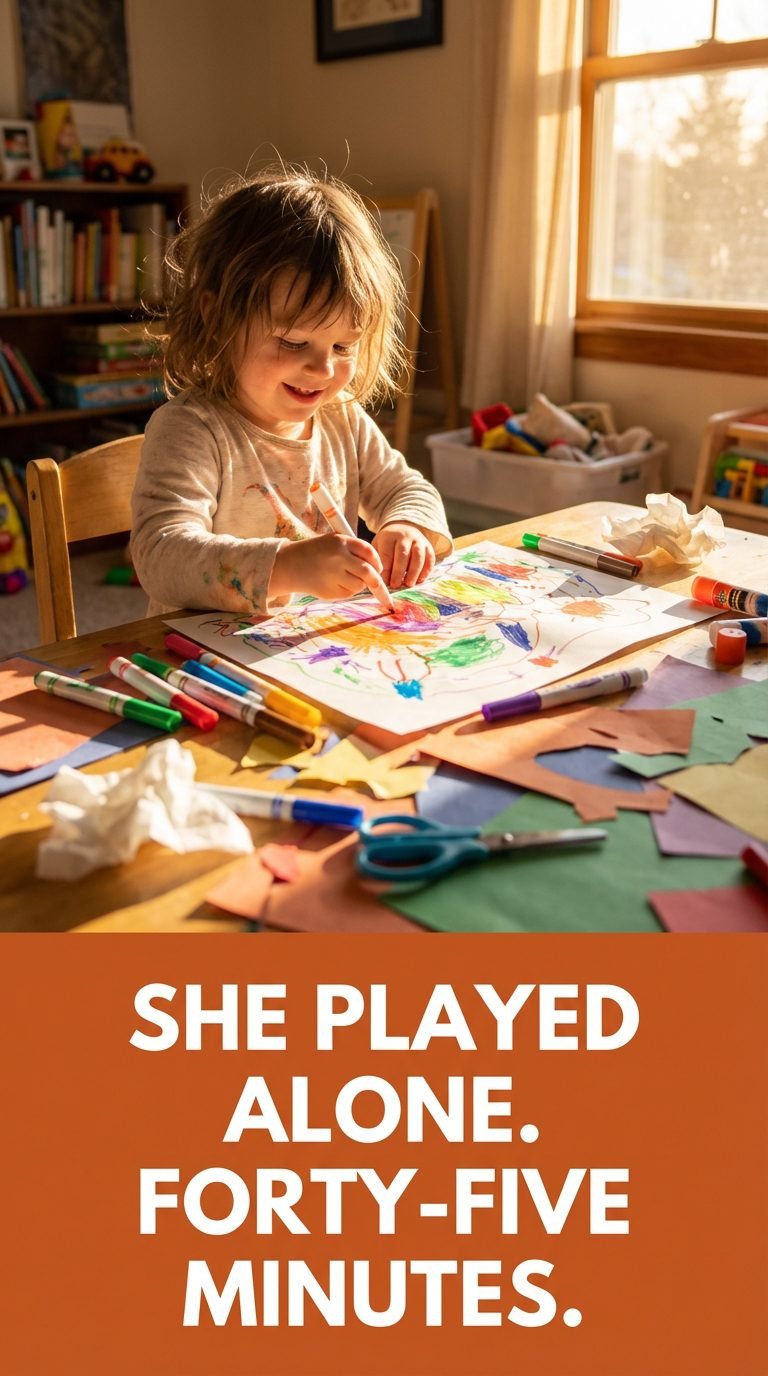
Encourage your child to express their feelings about this change. Listen to their concerns and validate their emotions. This approach helps them feel heard and understood, fostering a more positive attitude toward quiet time.
Use storytelling to illustrate quiet time’s benefits. Share stories about characters who enjoy their quiet moments, exploring their imaginations and creativity. This can help your child see quiet time as an exciting opportunity rather than a chore.
Making It Easier with Small Daily Routines
Establishing a daily routine can significantly ease the transition to toddler quiet time after dropping nap. Consistency helps children feel secure and understand what to expect. Try to incorporate quiet time into your daily schedule at the same time each day.
Consider creating a calming pre-quiet time ritual. This could include reading a book together, listening to soft music, or practicing deep breathing exercises. These calming activities can help signal to your child that it’s time to wind down.
Additionally, ensure that the space designated for quiet time is inviting and comfortable. Set up a cozy nook filled with pillows, blankets, and soft lighting. This can make it a special place your child looks forward to visiting.
What to Do When Nothing Seems to Work
Sometimes, despite your best efforts, toddler quiet time after dropping nap may still be met with resistance. If your child refuses to settle down, don’t be discouraged. This is a common part of the transition.
In these moments, it can be helpful to stay calm and patient. Instead of forcing quiet time, give your child a few options for quiet activities they can choose from. This gives them a sense of control and may make them more willing to participate.

If your child continues to struggle, consider shortening quiet time initially. Gradually increase the duration as they become more comfortable with the concept. Remember, every child is different, and it may take time for them to adjust.
Building Long-Term Habits That Stick
Establishing effective toddler quiet time after dropping nap can lead to lasting habits that benefit both you and your child. The goal is to create a routine that becomes a natural part of your day. As your child grows, quiet time can evolve into independent play, which is crucial for their development.
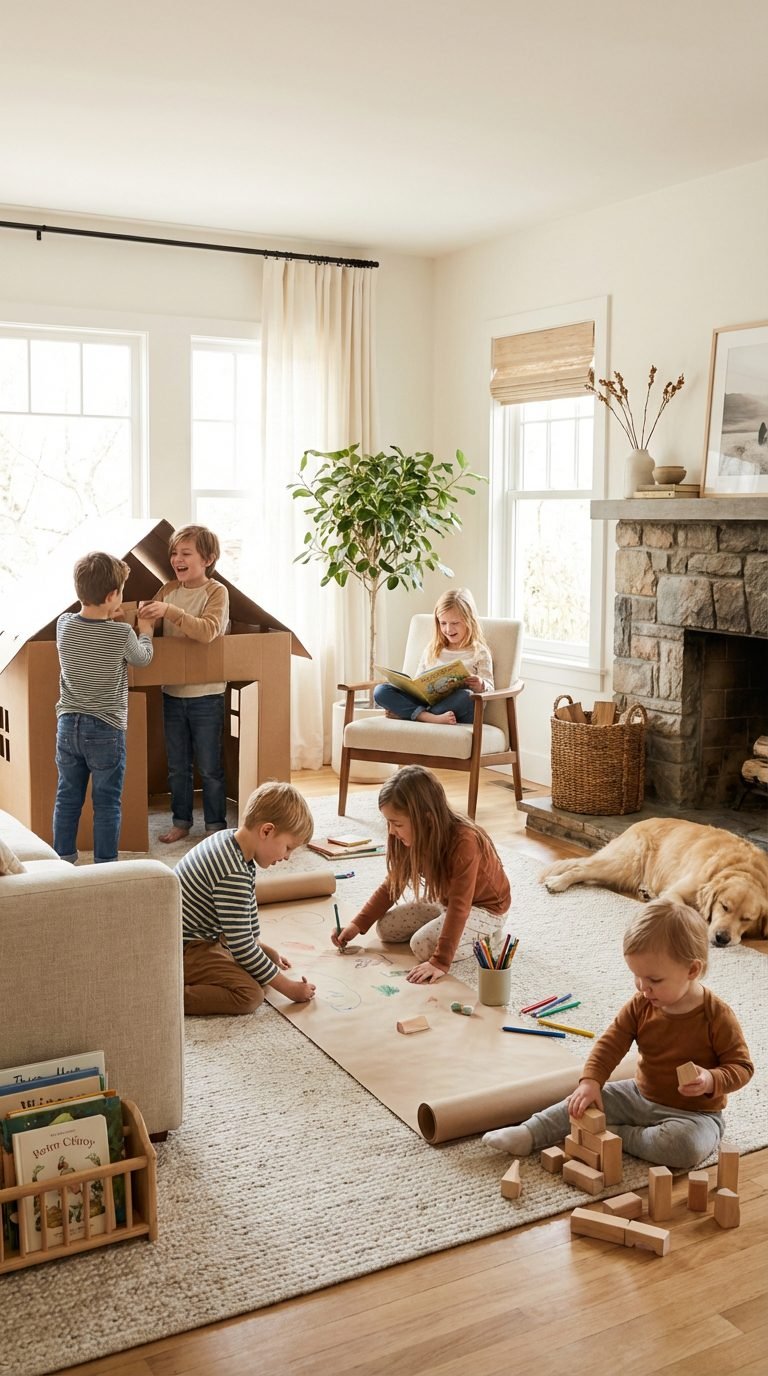
Encourage your child to explore various activities during quiet time. This could include arts and crafts, building with blocks, or engaging in imaginative play. The more variety you provide, the more likely they are to find something they love.
Over time, foster a love for quiet time by celebrating their successes. Acknowledge their efforts and give positive feedback. This recognition can motivate them to embrace quiet time as a rewarding experience.

As your child becomes more independent, you’ll notice improvements in their attention span and ability to entertain themselves. This independence is essential for preschool readiness at home and can ease your workload.
Conclusion
Transitioning to toddler quiet time after dropping nap can be challenging, but it’s not impossible. With patience, creativity, and a few strategies, you can help your child learn to enjoy this special time. Remember, small progress is still progress, and every little step counts!
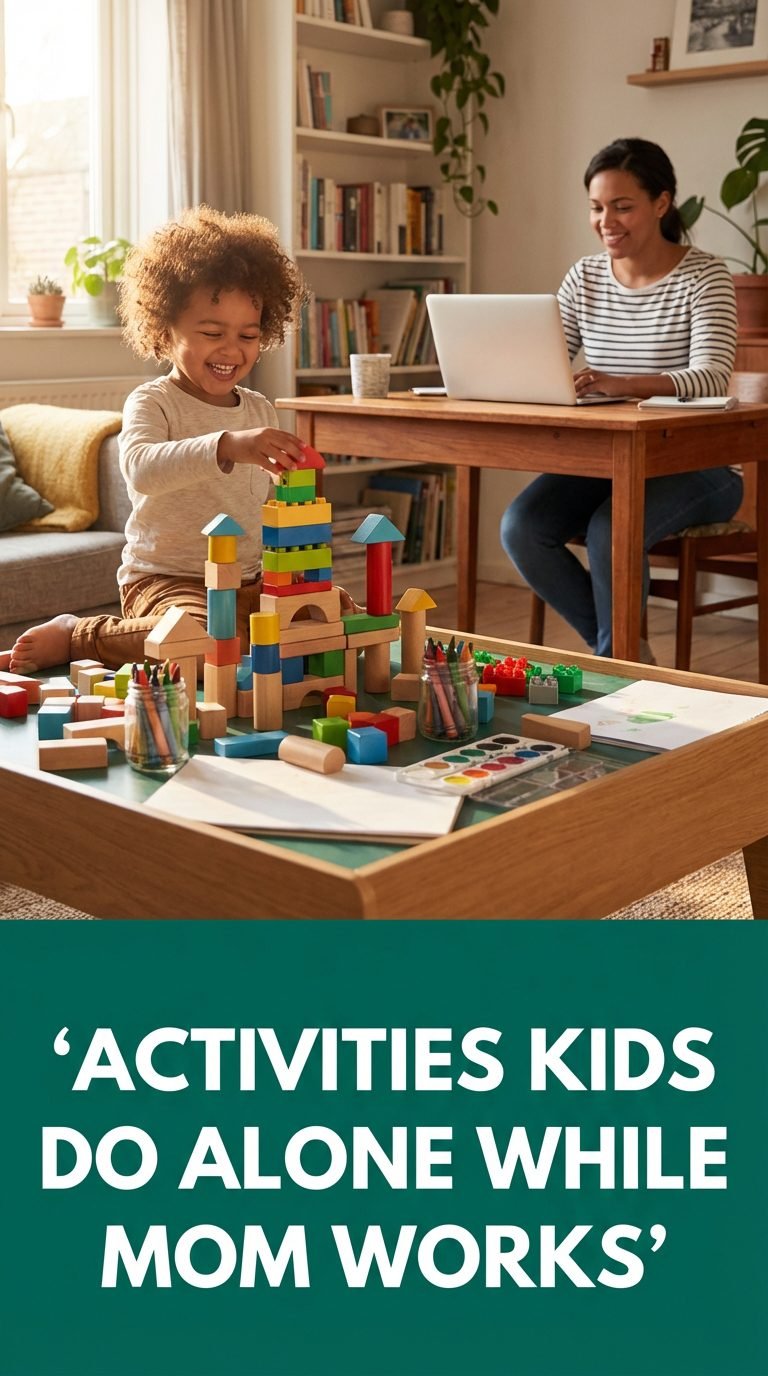
For more family tips on Simple Family Everyday, visit our blog for helpful advice and support.
Frequently Asked Questions
What activities can I include in quiet time?
Consider screen-free solo play ideas, like puzzles, coloring, or building blocks.
How long should quiet time last?
Start with 30 minutes and gradually increase it as your child adjusts.
Is quiet time important for preschool readiness?
Yes, independent play during quiet time supports attention span and creativity, crucial for preschool readiness.
What if my child refuses to participate in quiet time?
Offer choices for quiet activities and be patient. Gradually increase the duration of quiet time.
How can I create a calming environment for quiet time?
Set up a cozy space with soft lighting, cushions, and favorite toys to encourage relaxation.
According to the American Academy of Pediatrics, balanced screen habits support healthy child development.
Looking for a complete overview? Check out our Engaging Quiet Time Activities for Kids to Foster Calmness for everything you need to know. For more ideas, check out parenting tips and expert advice. Learn more: child development. Learn more: child development. Learn more: child development. Learn more: child development.