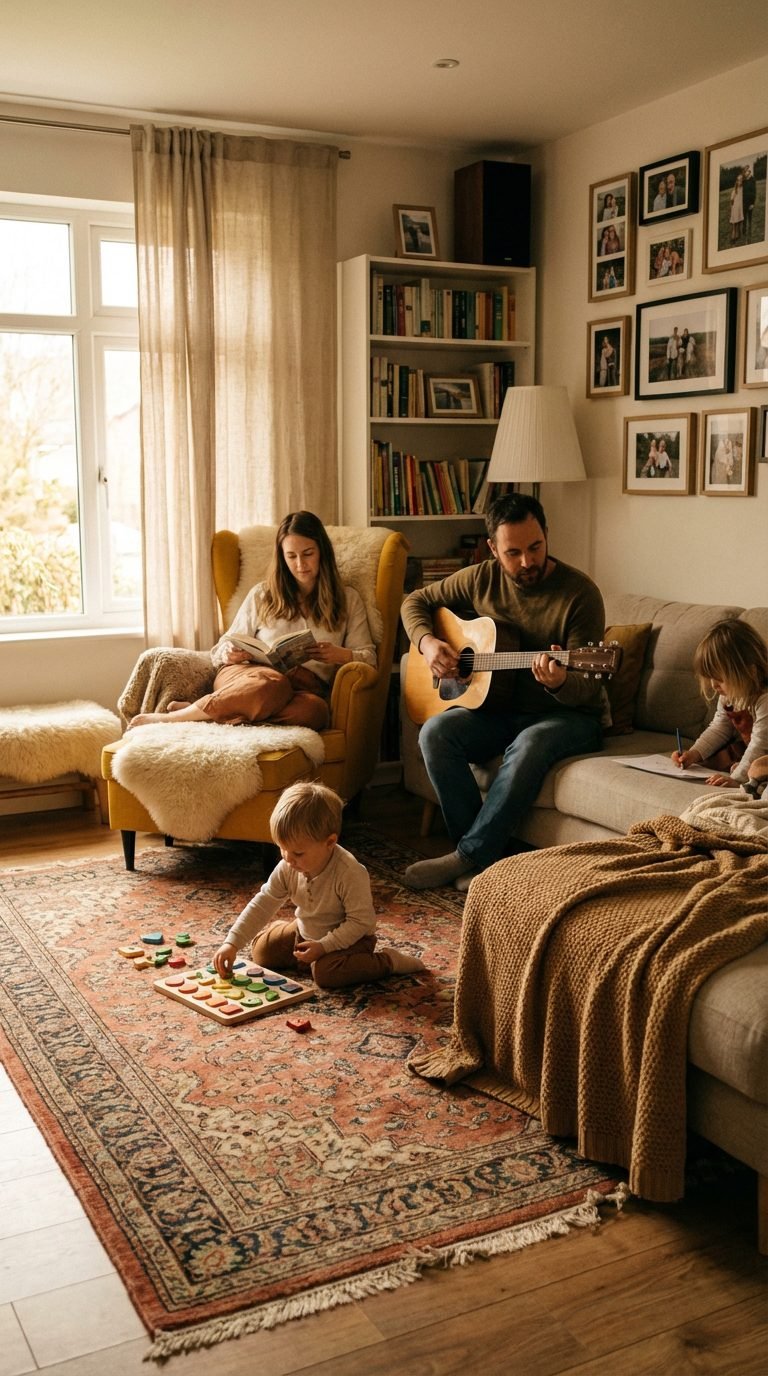
Engaging Screen-Free Activities for Kids Ages 4-7
As parents, finding engaging screen-free activities for kids ages 4-7 can often feel like a daunting task. With so many distractions vying for their attention, from tablets to television, it can be challenging to encourage our little ones to unplug and explore the world around them. However, fostering a love for hands-on play and creativity is essential for their development.
Imagine a sunny Saturday afternoon, and your child is bouncing off the walls, begging for screen time. You know that too much screen exposure isn’t great for them, but you’re not sure how to redirect their energy. This is a common scenario in many households. The good news is that there are countless screen-free activities that can keep your child entertained and engaged while also promoting their creativity and learning.
Why Is This So Hard for So Many Parents?
Many parents struggle with the challenge of limiting screen time because screens are so readily available and often seem like the easiest solution. In our fast-paced lives, it’s tempting to hand over a tablet or turn on the TV to keep children occupied while we tackle our own tasks. However, this can create a cycle where kids become reliant on screens for entertainment, making it increasingly difficult to engage them in other activities.
The reality is that children thrive on interaction and exploration. When we allow them to engage in screen time too frequently, we inadvertently limit their creativity and problem-solving skills. Screens can provide instant gratification, but they often lack the depth of experience that comes from hands-on play. Recognizing this is the first step in creating a more balanced approach to entertainment.
To counter this, consider setting clear boundaries around screen time. For instance, you might designate certain hours of the day as screen-free zones. During these times, introduce a variety of engaging activities that invite creativity and exploration. This could include arts and crafts, outdoor play, or imaginative games that spark their interest. The key is to provide options and encourage your child to choose activities that excite them, making the transition away from screens easier.
Creative Arts and Crafts
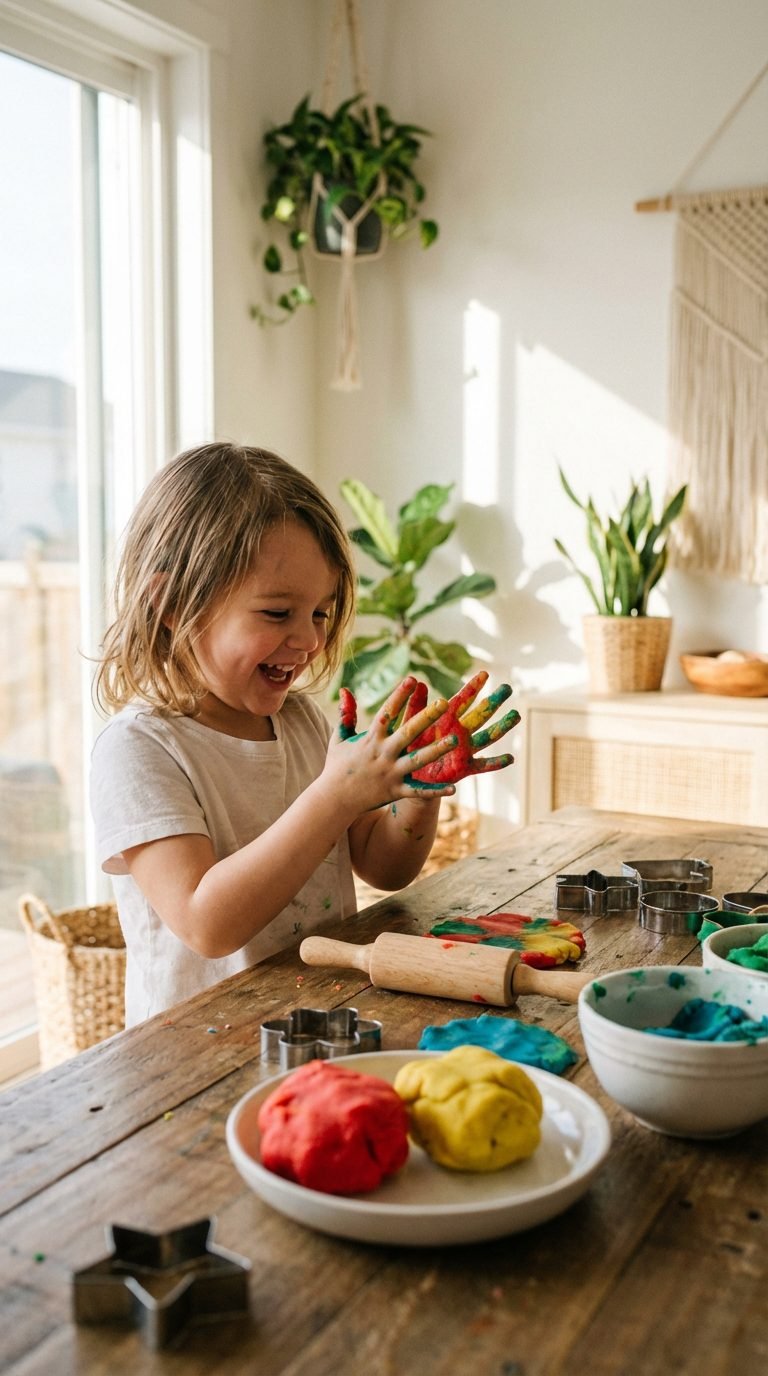
One of the most enjoyable screen-free activities for kids is diving into creative arts and crafts. Imagine your child sitting at the kitchen table, surrounded by colorful paper, markers, and glue, fully immersed in creating their masterpiece. This not only allows for self-expression but also promotes fine motor skills as they cut, paste, and draw.
Arts and crafts are essential because they teach children to think creatively and develop problem-solving skills. When children create something from scratch, they learn to make decisions and experiment with different materials and techniques. For example, you might set up a simple project where they can create greeting cards for family members. This not only gives them a goal but also helps them understand the joy of giving and sharing.
To get started, gather some basic supplies like colored paper, crayons, stickers, and any other fun materials you have at home. You can introduce themes for each session, such as creating a nature collage using leaves and flowers collected from outside. Encourage your child to express themselves freely and share their creations with family members. This not only boosts their confidence but also strengthens your bond as you admire their work together.
Be mindful to avoid common pitfalls, such as overwhelming your child with too many choices. Instead, present a few materials and let them decide how to use them. This can help reduce frustration and lead to more satisfying creative experiences.

Outdoor Adventures
Taking activities outside can provide a refreshing change of pace for kids. Picture a sunny day where your child is running through the grass, playing tag with friends, or exploring the backyard. Outdoor adventures not only promote physical health but also encourage social skills and imaginative play.
Outdoor play is vital for young children as it fosters their connection with nature and helps them develop an appreciation for the environment. When children engage in outdoor activities, they often become more curious about the world around them. For instance, a simple nature walk can turn into an exciting scavenger hunt where they search for different types of leaves, rocks, or flowers, sparking their interest in nature.
To incorporate more outdoor play, set aside dedicated time each week for family outings to parks, nature trails, or even just your backyard. Bring along simple equipment like balls, frisbees, or kites. You can also create obstacle courses or set up a picnic for a fun family day. The key is to encourage exploration and allow your child to lead the way in their outdoor adventures.
One common mistake to avoid is planning overly structured activities that may limit your child’s freedom to explore. Instead, provide open-ended opportunities for them to engage with their surroundings and use their imagination.

Imaginative Play and Role-Playing
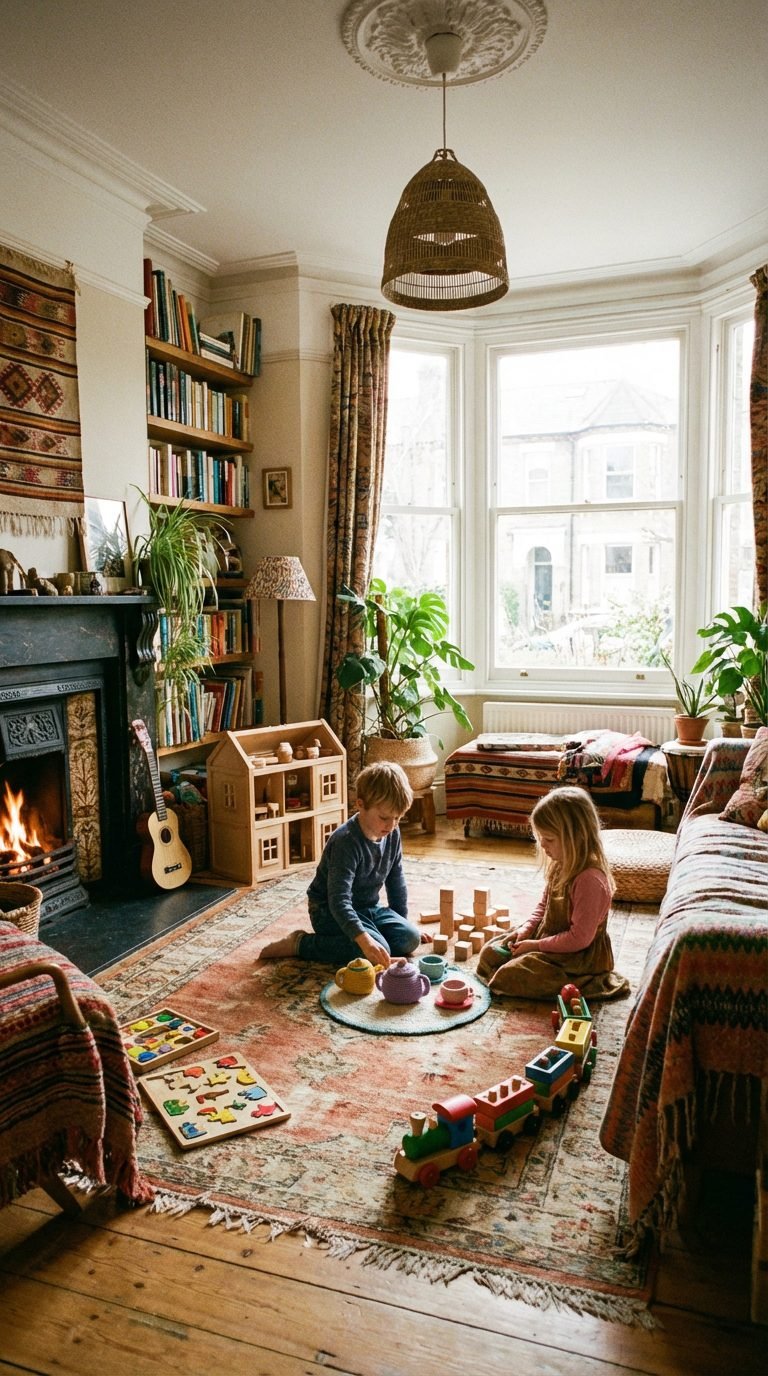
Imaginative play is a wonderful way for children to express themselves and develop social skills. Imagine your living room transformed into a bustling marketplace, with your child setting up a stand to sell “fruits” made from pillows and blankets. This type of role-playing not only entertains but also teaches valuable life skills.
Engaging in imaginative play is crucial for cognitive development. It allows children to experiment with different roles and scenarios, helping them understand the world around them. For example, when they play “house,” they learn about famifamily dynamics responsibilities. These experiences can foster empathy and cooperation as they interact with peers during playtime.
To encourage imaginative play, provide props and costumes that inspire creativity. This could include old clothes, hats, or even household items that they can transform into something new. You can also join in on the fun by participating in their role-playing scenarios. Ask questions, and encourage them to elaborate on their stories. This interaction not only enhances their creativity but also strengthens your relationship.
A quick tip is to avoid interrupting their play too often. Allow them to explore their ideas fully, stepping in only when necessary to guide or facilitate their creativity.
Building a Reading Habit
Reading is a fantastic screen-free activity that can captivate young minds. Imagine snuggling up with your child on a cozy couch, reading together as they flip through the pages of a colorful storybook. This not only builds a love for reading but also enhances their vocabulary and comprehension skills.
Establishing a reading habit early in life is essential for cognitive development. When children are exposed to books, they learn to recognize words, understand sentence structure, and develop critical thinking skills. For instance, reading a story together and discussing the characters can help them make connections and enhance their understanding of different perspectives.
To foster a love for reading, create a cozy reading nook in your home filled with a variety of books. Set aside a specific time each day for reading, whether it’s before bedtime or during quiet afternoons. Encourage your child to pick books that interest them, and don’t hesitate to revisit favorites. This repetition can deepen their understanding and enjoyment of the stories.
Additionally, avoid the mistake of overwhelming your child with too many choices at once. Instead, curate a selection of books that cater to their interests, making it easier for them to engage with the material.

Science Experiments at Home
Science experiments can be a thrilling way to engage young minds while keeping them screen-free. Picture your child’s eyes lighting up as they mix baking soda and vinegar to create a fizzy volcano. This hands-on approach to learning encourages curiosity and exploration.
Engaging in science experiments is vital because it nurtures a child’s natural inquisitiveness. When children experiment, they learn to hypothesize, observe, and draw conclusions based on their findings. For example, a simple experiment like planting seeds can teach them about growth and the needs of living things.
To get started, gather some basic science supplies like baking soda, vinegar, food coloring, and seeds. Look up simple experiments online or in books that are age-appropriate and safe for your child. Encourage them to ask questions and make predictions about what they think will happen. This can lead to engaging discussions and a deeper understanding of scientific concepts.
A common mistake is to make experiments too complex or structured. Instead, keep it simple and allow your child to lead the exploration. This way, they can feel the joy of discovery.

Cooking and Baking Together
Involving your child in cooking and baking can be a delightful screen-free activity. Imagine your kitchen filled with laughter as your child helps measure ingredients and stir batter for cookies. This not only teaches them valuable life skills but also creates lasting memories.
Cooking together is important because it fosters independence and responsibility. When children participate in meal preparation, they learn about nutrition, measurements, and following instructions. For instance, making a simple recipe like homemade pizza allows them to choose toppings and understand the concept of healthy eating.
To incorporate cooking into your routine, start with easy, kid-friendly recipes. Invite your child to help with age-appropriate tasks, such as washing vegetables, mixing ingredients, or decorating baked goods. This hands-on experience not only builds confidence but also strengthens your bond as you work together in the kitchen.
A quick tip is to avoid the mistake of taking over the process. Allow your child to take the lead, guiding them when necessary but giving them the space to explore their culinary creativity.
Creating a Routine for Screen-Free Time
Establishing a routine that includes dedicated screen-free time can make a significant difference in your home. Imagine a family schedule that includes specific blocks of time for creative play, outdoor adventures, and reading. This structure can help children know what to expect and look forward to engaging activities.
The importance of routine lies in its ability to create a sense of security and predictability for children. When they know there are set times for screen-free activities, they are more likely to embrace these moments rather than resist them. Additionally, a consistent routine helps parents manage their own time and responsibilities more effectively.
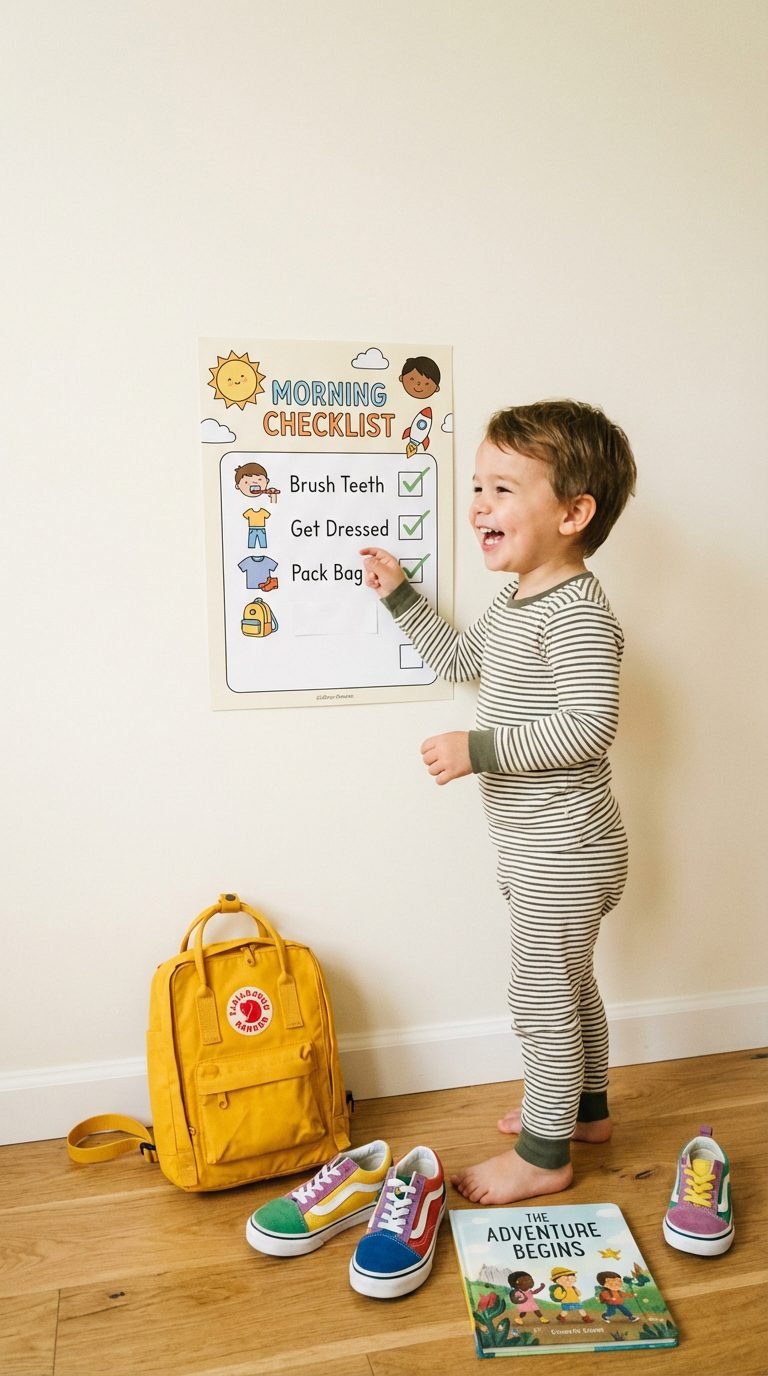
To create a successful routine, involve your child in the planning process. Discuss which activities they enjoy and how much time they would like to allocate to each. This collaborative approach empowers them to take ownership of their screen-free time. You might also use visual aids, like a colorful chart, to illustrate the daily schedule.
A common mistake is to make the routine too rigid or overwhelming. Instead, keep it flexible and allow room for spontaneity. This way, your child will be more likely to engage willingly in the planned activities.
Conclusion
Frequently Asked Questions
What are some fun screen-free activities for kids?
Consider activities like arts and crafts, outdoor scavenger hunts, or simple board games that encourage creativity and interaction.
How can I encourage my child to play without screens?
Introduce engaging toys, set up playdates, and create a routine that includes regular screen-free time for play and exploration.
Are screen-free activities beneficial for my child?
Absolutely! Screen-free activities foster creativity, improve fine motor skills, and enhance social interactions among peers.
What if my child resists screen-free activities?
Try to involve them in the planning process. Let them choose activities or themes that interest them to increase their enthusiasm.
How can I incorporate learning into play?
Use educational games, puzzles, or DIY projects that align with your child’s interests and educational goals to make learning fun.
What are some good outdoor screen-free activities?
Outdoor activities like nature walks, gardening, or playing sports can be great for physical health and social skills.
How can I balance screen time and screen-free activities?
Set specific screen time limits and create a structured schedule that includes both screen time and dedicated screen-free play.
What supplies do I need for screen-free activities?
Basic supplies like paper, crayons, building blocks, and outdoor equipment like balls or bikes can provide endless play opportunities.
Browse more ideas on our site.
According to the American Academy of Pediatrics, balanced screen habits support healthy child development.