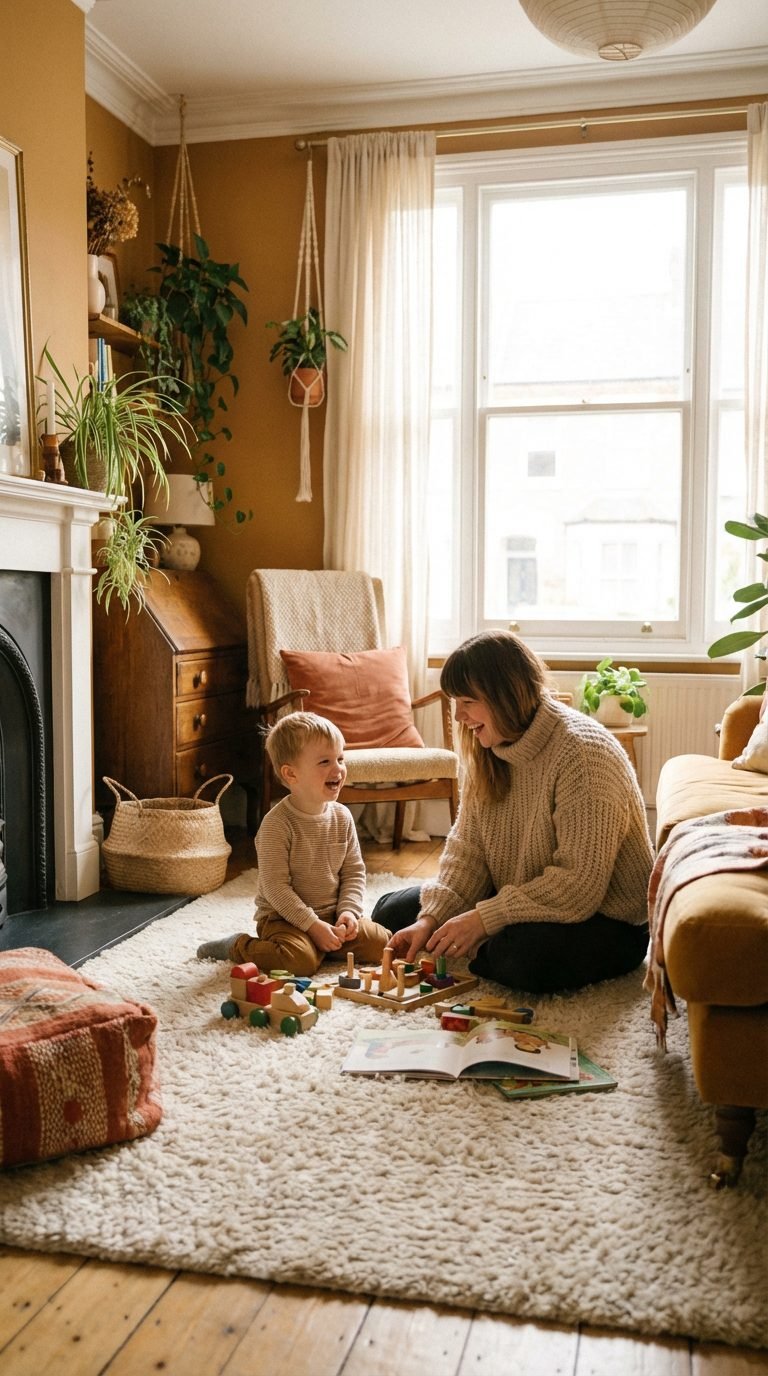
Engaging Screen-Free Activities for Small Spaces: Fun Ideas
Introduction
Finding screen-free activities for small spaces can be a challenge for many parents. With limited room to play, it may seem difficult to keep kids engaged and entertained. However, there are plenty of creative and fun activities that can easily fit into your home.
In this article, we’ll explore a variety of screen-free activities for small spaces that will help foster creativity and keep your children active. From arts and crafts to imaginative play, you’ll discover ways to make the most of your limited space.
Why Are Screen-Free Activities Important?
Screen-free activities are essential for children’s development. They promote creativity, enhance problem-solving skills, and encourage physical activity. When kids engage in imaginative play, they learn to express themselves and build social skills through interaction with others.
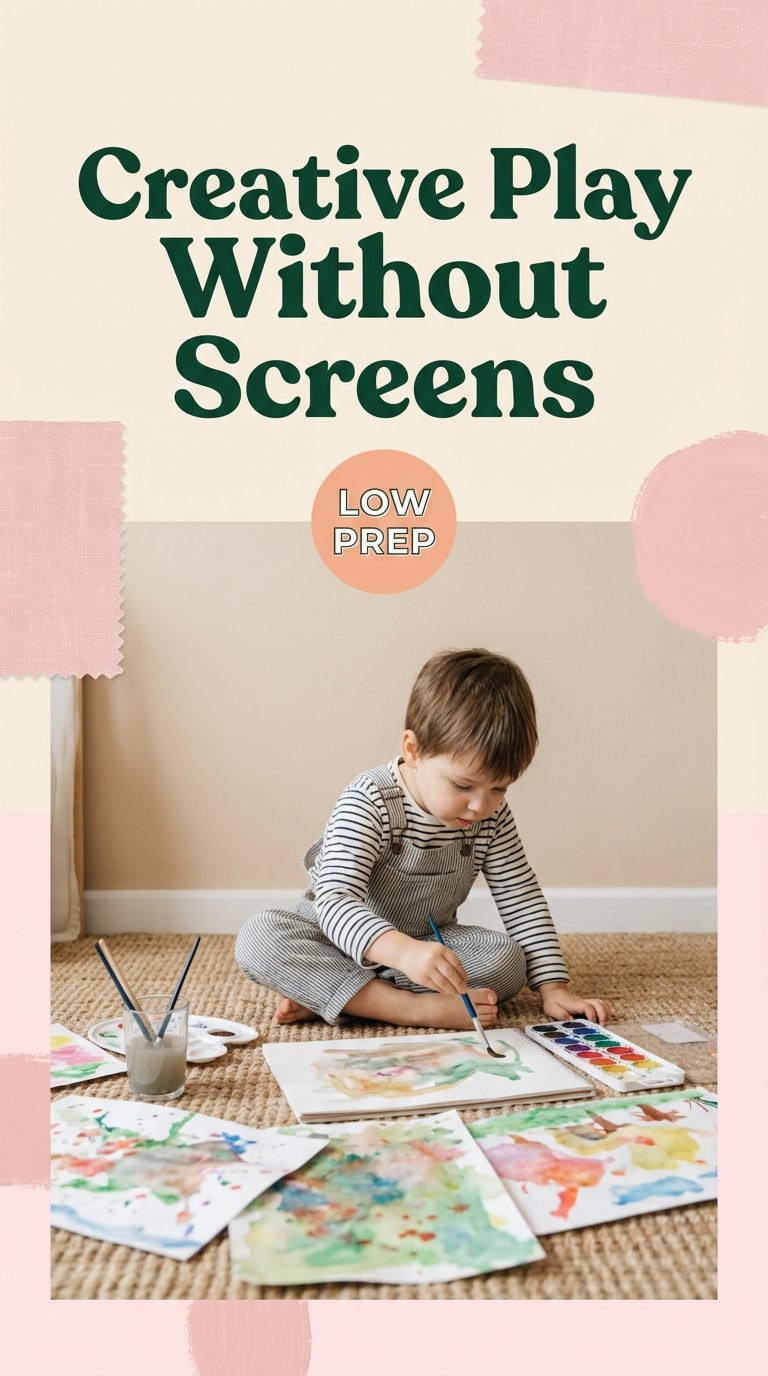
The Common Problem Parents Face
Many parents struggle to find activities that do not involve screens, especially in small living spaces. The temptation to rely on tablets or TV for entertainment can be high, but this can lead to passive consumption rather than active engagement.
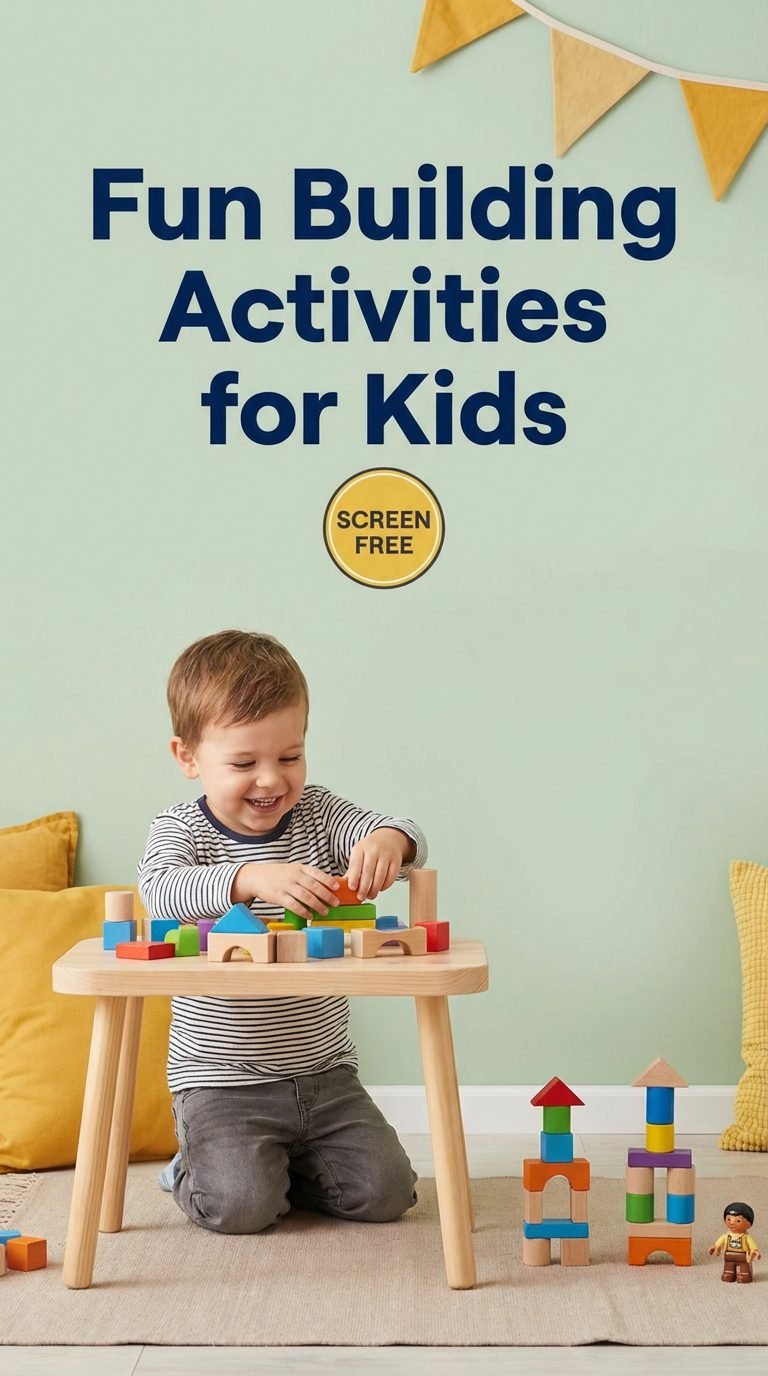
Why the Problem Happens
This issue often arises from the convenience screens provide. With busy schedules, it can be easier to hand a child a device than to plan engaging activities. However, over-reliance on screens can impact a child’s attention span and social skills.
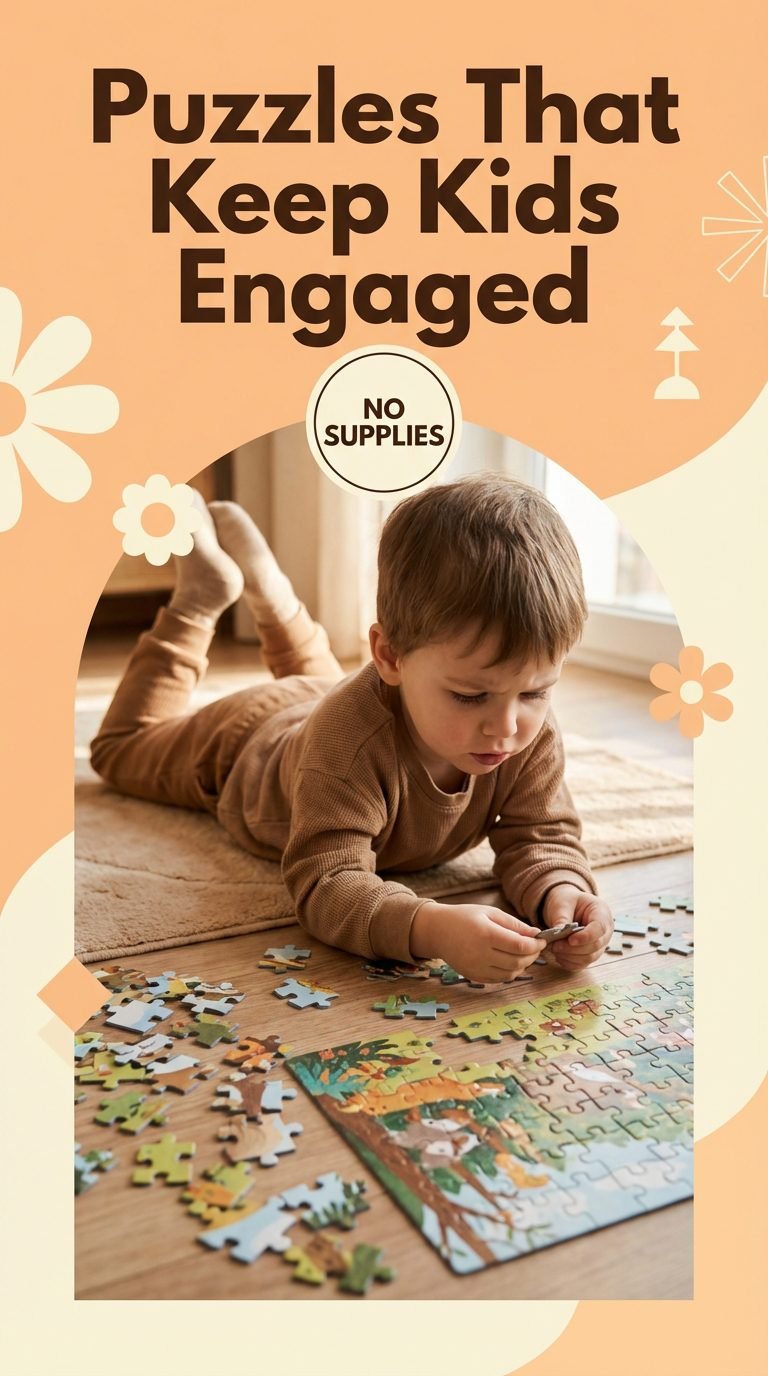
What Actually Helps
To counteract this, parents can create a list of engaging screen-free activities tailored to their children’s interests. Keeping a variety of materials on hand, such as art supplies, books, and games, will allow for spontaneous play and creativity.

Small Routine Changes That Work
Incorporating small routine changes can make a significant difference. Set aside specific times for screen-free activities, such as during meals or before bedtime. This helps establish a routine that prioritizes interactive play.

Practical Daily Strategies
Consider implementing a daily ‘activity hour’ where screens are put away. Encourage your children to select activities from a jar filled with ideas. This keeps things exciting and gives them ownership over their playtime.
Age-Appropriate Tips
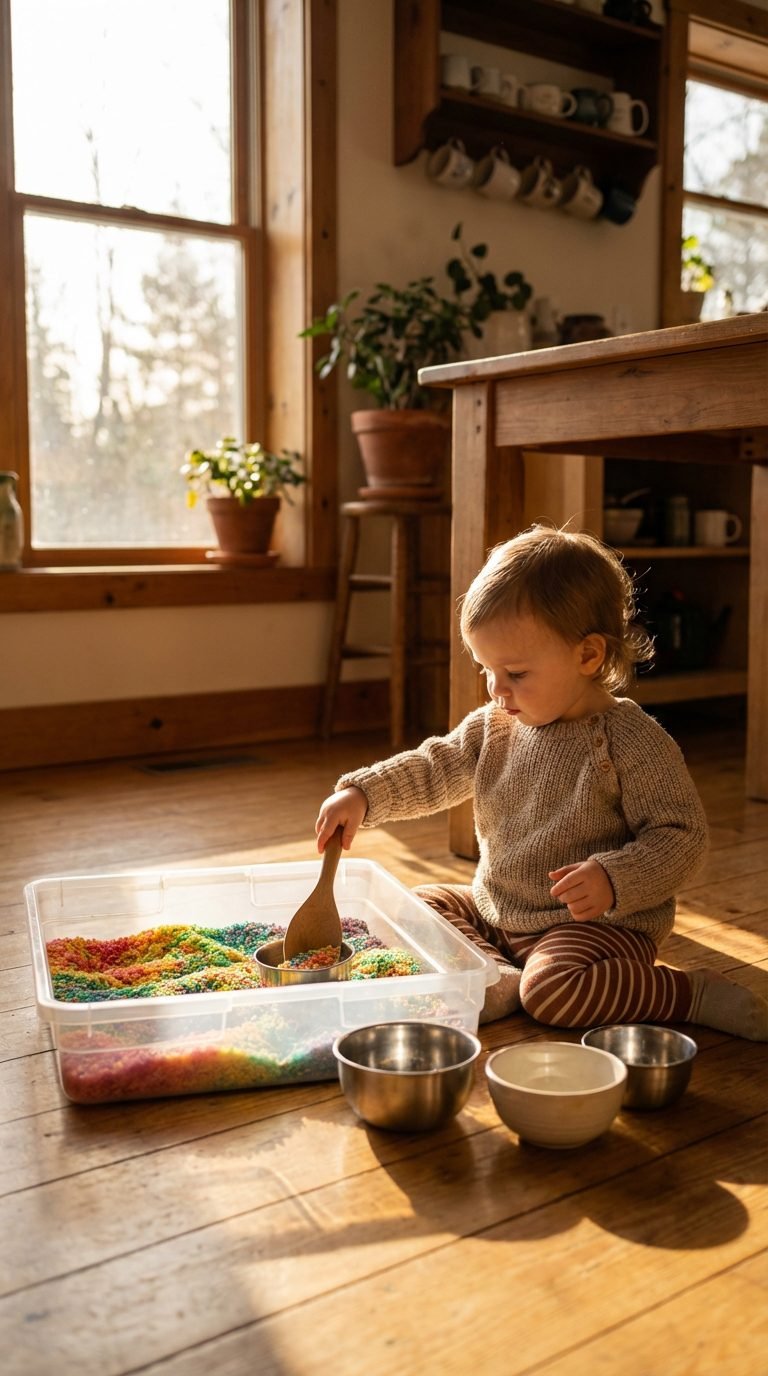
For toddlers, focus on sensory play, such as using sand or water tables. For older children, introduce more complex games like scavenger hunts or DIY science experiments that can be conducted indoors.
What to Do When Routines Fail
Sometimes routines fail, and that’s okay. If your child resists engaging in planned activities, consider revisiting their interests. Flexibility is key; adapt the activity to make it more appealing based on what your child enjoys.
Conclusion
Engaging in screen-free activities for small spaces requires creativity and patience. Remember, it’s about small improvements and realistic expectations. Celebrate the moments of connection and fun, and continue to explore new activities together.
FAQ
What are some easy screen-free activities for kids?
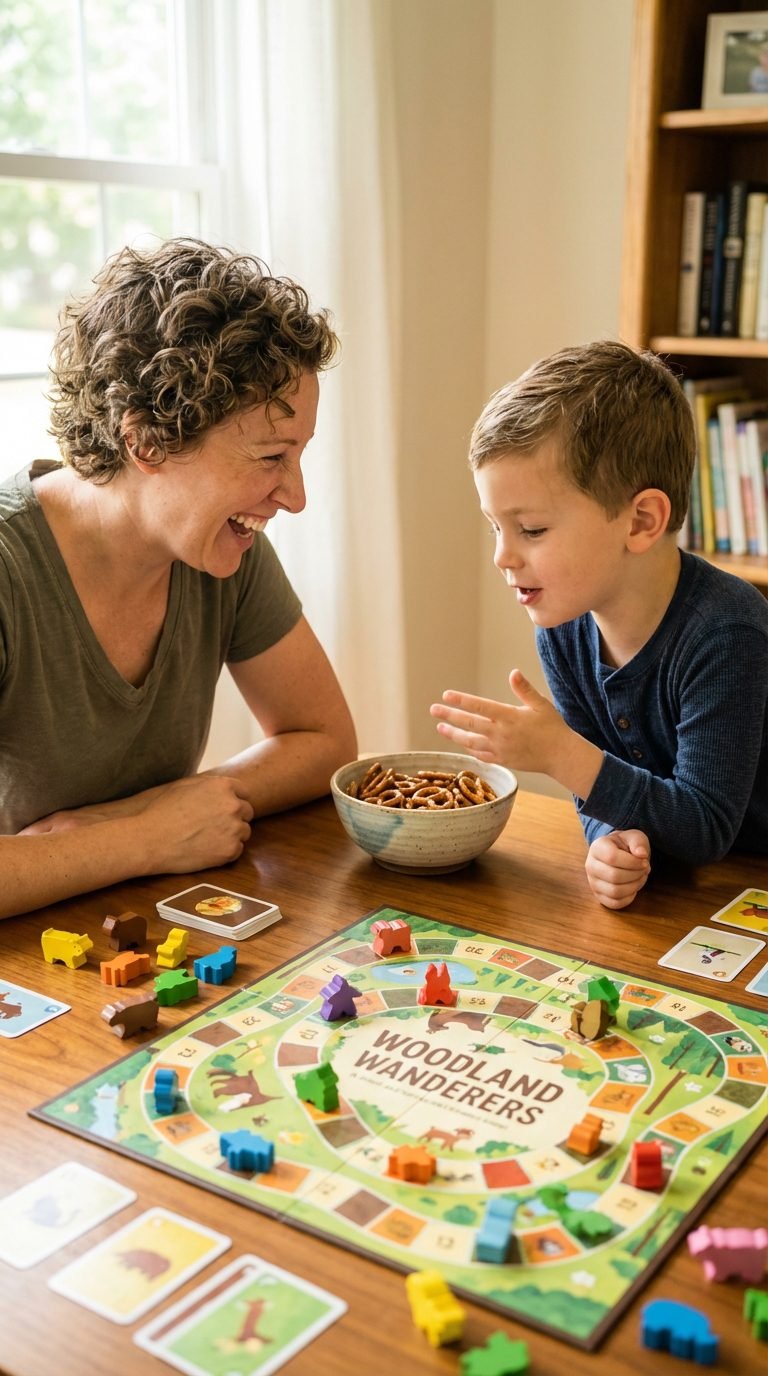
Some easy screen-free activities include arts and crafts, reading, building forts, and playing board games.
How can I keep my kids entertained indoors?
You can keep kids entertained indoors by setting up scavenger hunts, doing cooking projects, or engaging in DIY science experiments.
What are some quiet activities for small spaces?
Quiet activities include puzzles, coloring books, and reading stories together, which are perfect for small spaces.
How do I encourage creativity without screens?
Encourage creativity by providing materials for drawing, painting, or crafting, and allowing kids to explore their interests.
What age-appropriate activities can I do with my toddler?
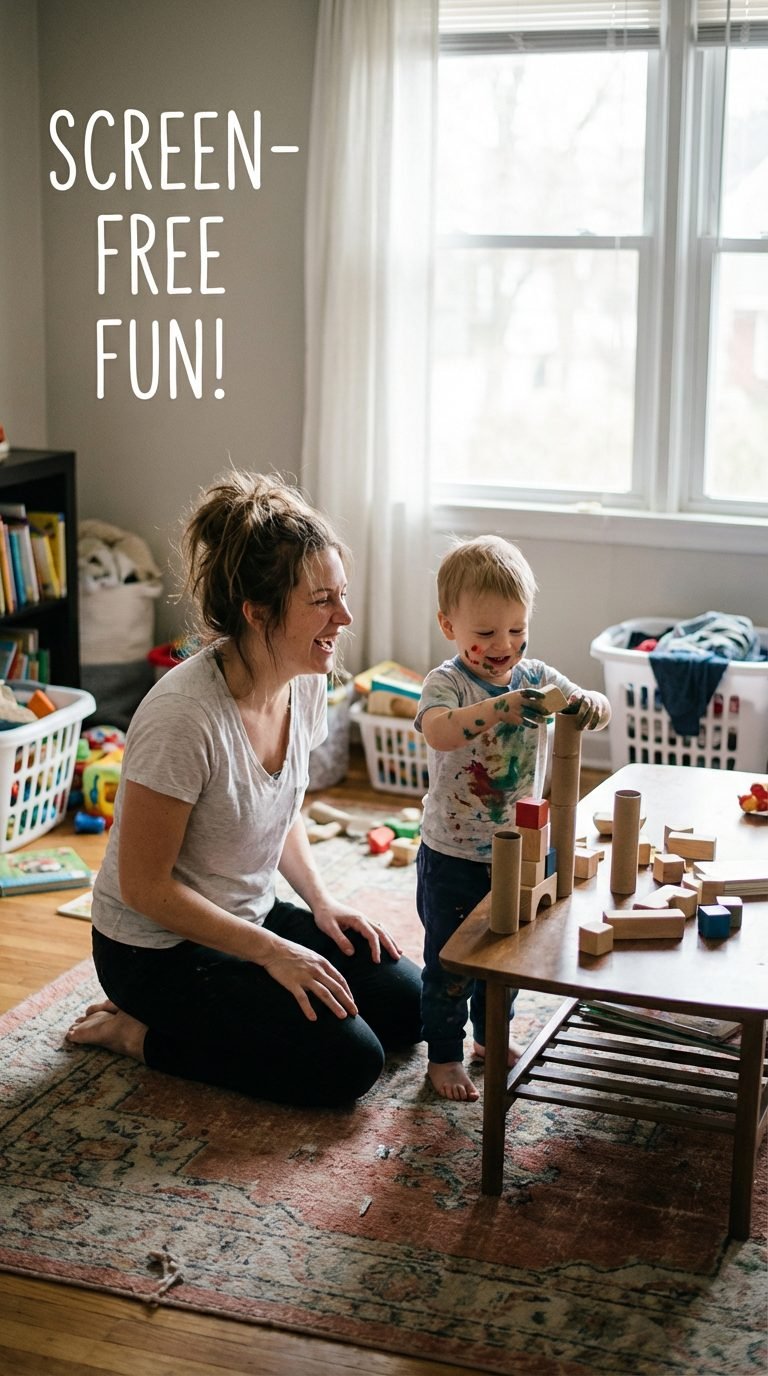
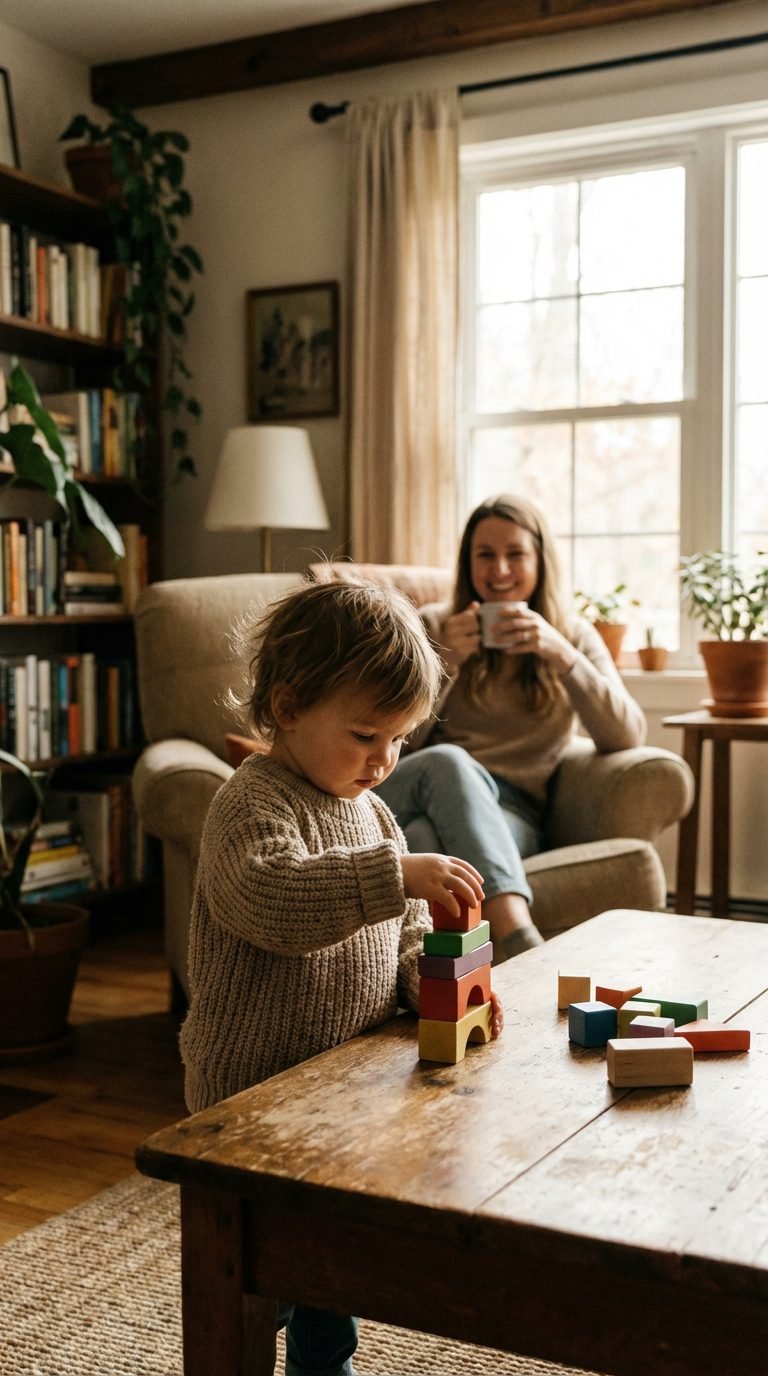
For toddlers, consider simple activities like stacking blocks, playing with playdough, or interactive storytime.
How can I make the most of a small play area?
Utilize vertical space for storage, keep toys organized, and rotate activities to keep the play area fresh and inviting.
What are some mistakes parents make with screen time?
Common mistakes include not setting limits, using screens as a babysitter, and not providing alternative activities.
Browse more ideas on our site.
According to the American Academy of Pediatrics, balanced screen habits support healthy child development. For more ideas, check out parenting tips and expert advice. Learn more: child development. Learn more: child development.