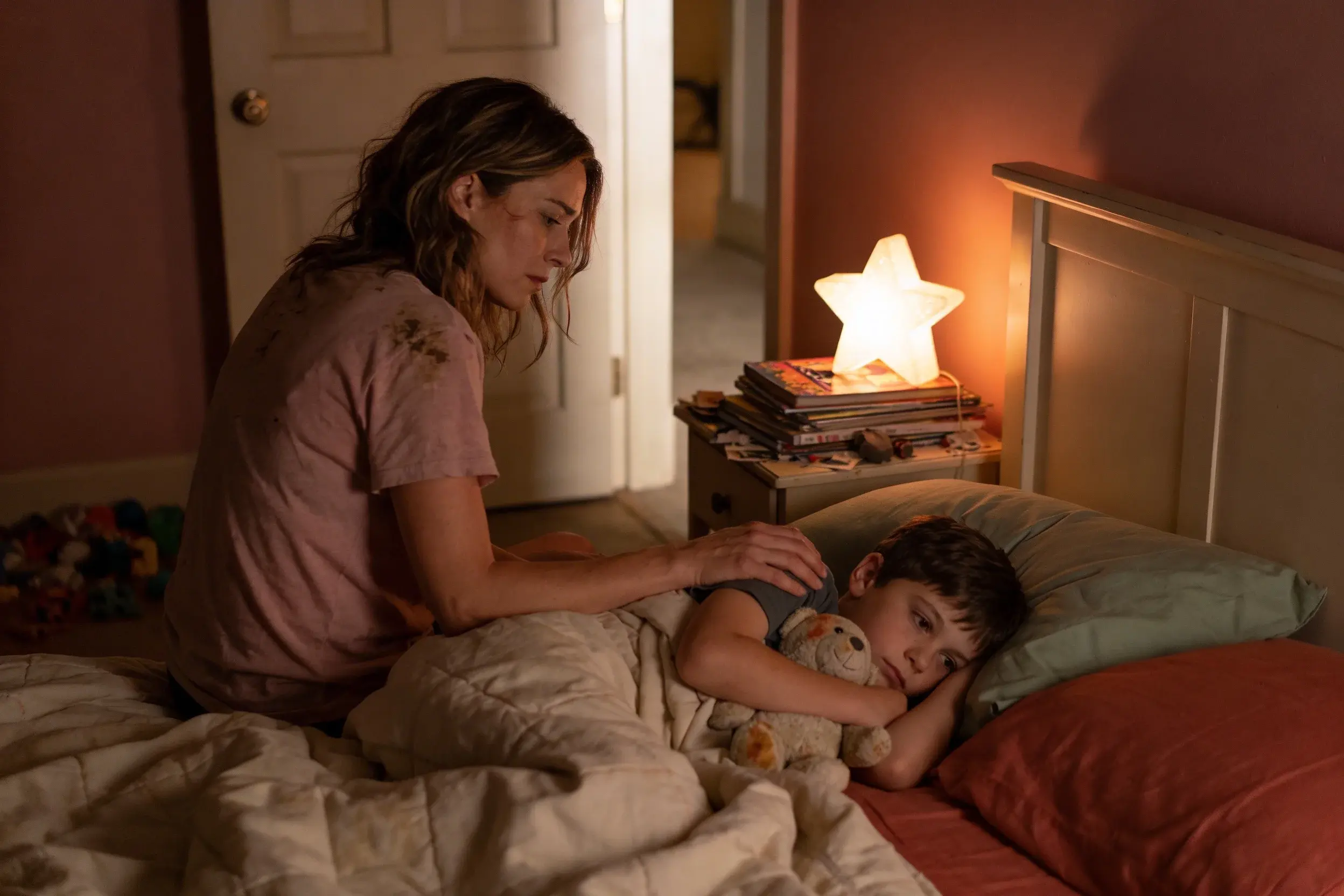
What to Say When Kids Have Bedtime Battles (Positive Discipline Script)
[SEO_META]
SEO_TITLE: Bedtime Battles Positive Discipline Script: Peaceful Nights
FOCUS_KEYWORD: bedtime battles positive discipline script
SLUG: bedtime-battles-positive-discipline-script
META_DESCRIPTION: Learn what to say when kids have bedtime battles using a positive discipline script. Transform your evenings into peaceful, connected routines and end sleep struggles.
EXCERPT: Tired of nightly bedtime battles? Discover a positive discipline script to guide your kids to sleep peacefully. Say goodbye to power struggles and hello to calm evenings.
[END_SEO_META]
Are you utterly exhausted from the nightly wrestling match that is bedtime? You’re not alone if you’re searching for what to say when kids have bedtime battles positive discipline script parents can actually use. Many parents feel overwhelmed and guilty after another round of pleading, bribing, or even yelling just to get their child to sleep.
This cycle of sleep deprivation and frustration doesn’t have to be your normal. We promise to help you transform chaotic bedtime battles into a calmer, more connected routine. You can foster cooperation and peaceful sleep for everyone in your home. Are you ready to reclaim your evenings?
Understanding Why Kids Fight Sleep
It’s easy to feel like your child is deliberately trying to push your buttons. However, understanding why kids fight sleep can shift your perspective. Often, bedtime resistance isn’t about defiance at all.
Young children are developing their sense of autonomy. They want control over their lives. Bedtime is one of the few areas where they can exert that control. Furthermore, fears of the dark, separation anxiety, or just not wanting the fun day to end can play a huge role. For example, your little one might genuinely believe a monster is under the bed. To them, that fear is very real.
The Core of a Positive Discipline Bedtime Script

Positive discipline offers a powerful framework for handling challenging behaviors. This includes those tricky sleep struggles. It focuses on mutual respect, problem-solving, and teaching life skills. This approach helps children feel capable and connected. Ultimately, it builds long-term cooperation. [-> Source: Positive Discipline Association – focuses on mutual respect and problem-solving.]
A bedtime battles positive discipline script isn’t about being permissive. Instead, it’s about setting firm boundaries with kindness. It’s about empathy and understanding. You want to empower your child, not just control them. This method truly works wonders.
Key Elements of an Effective Bedtime Script
Every successful bedtime script has a few critical components. First, empathy is paramount. Acknowledge your child’s feelings. Second, clear expectations are vital. They need to know what’s coming next. Third, offer limited choices. This gives them a sense of control. Finally, consistency is your best friend. Stick to the plan every single night.
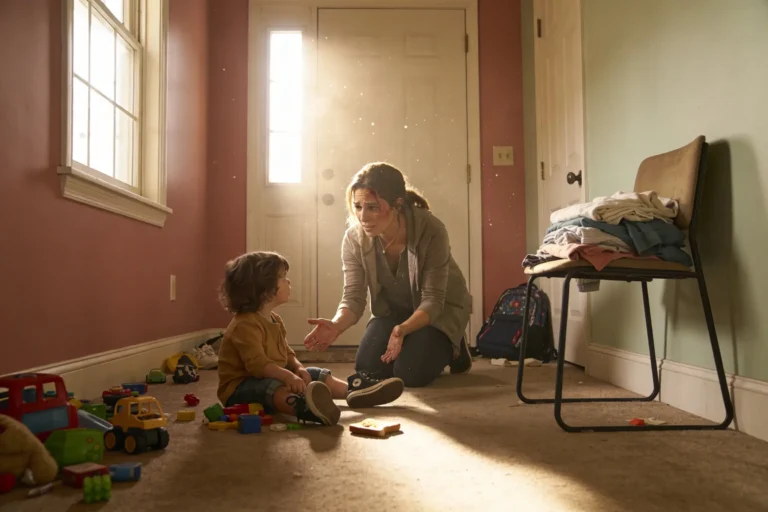
For instance, instead of demanding, “Go to bed now!”, try, “I know you wish you could play all night. It’s tough to stop playing, isn’t it? But now it’s time for sleep.” This simple shift can make a huge difference. [-> Read more: positive parenting basics]
Creating a Calm Bedtime Routine and Environment
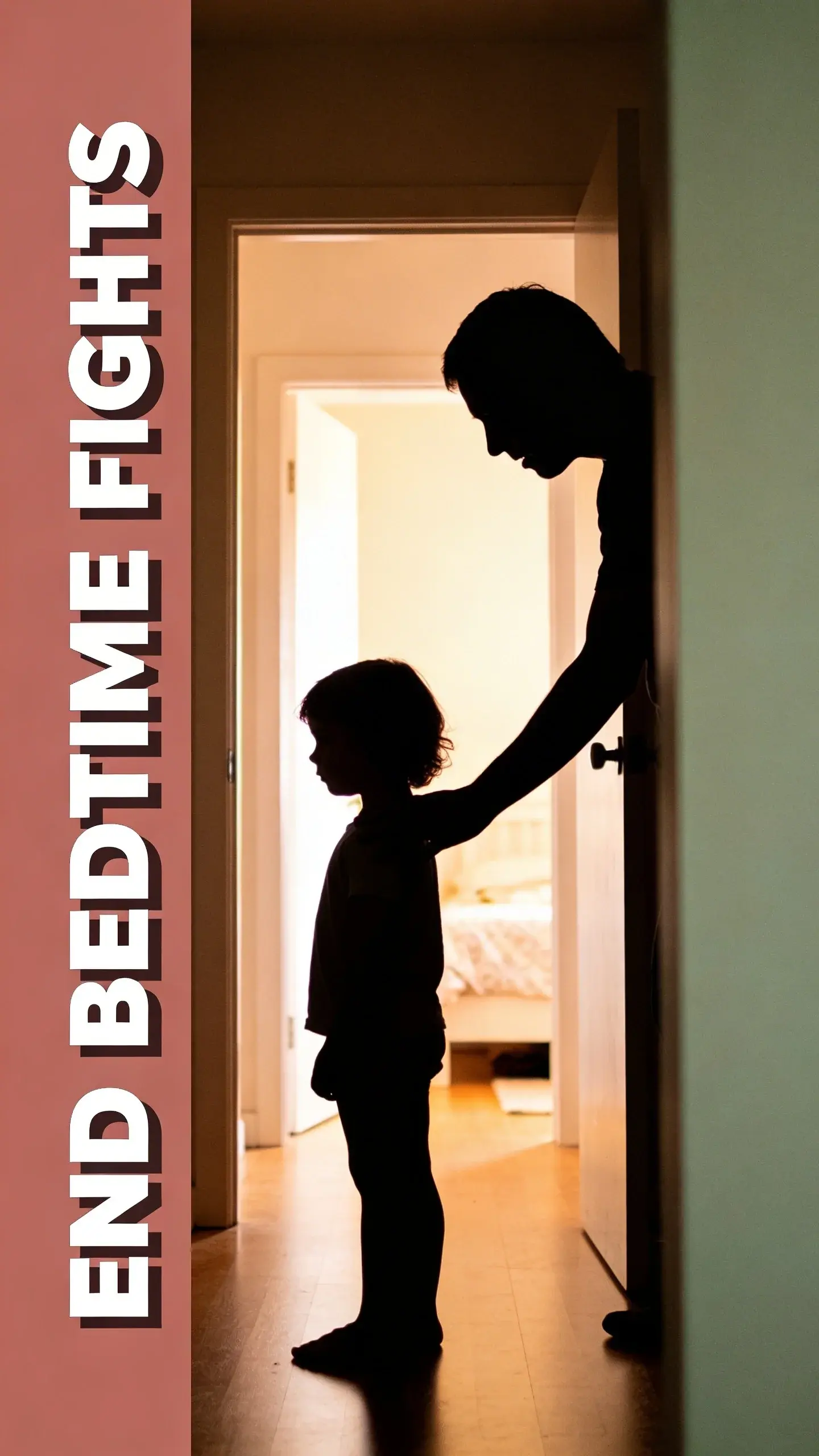
A predictable routine is a cornerstone of peaceful sleep. Children thrive on structure. A consistent nighttime routine signals to their bodies and minds that it’s time to wind down. This helps their brains prepare for sleep. Moreover, a calm environment supports this process.
Think about the elements that help you relax. Your child needs similar cues. Dim lights, quiet activities, and a comfortable sleep space are all crucial. What works best for your family?
Research shows that children with consistent bedtime routines fall asleep faster and wake up less often. [-> Source: American Academy of Pediatrics – consistent bedtime routines improve sleep quality.]
Here are some steps for creating a calm routine:
- Set a Consistent Time: Try to put your child to bed at roughly the same time every night. This includes weekends.
- Wind-Down Activities: Start winding down 30-60 minutes before bed. Think quiet play, reading, or a warm bath.
- Limit Screen Time: Avoid screens for at least an hour before bed. Blue light interferes with melatonin production.
- Create a Cozy Space: Ensure their bedroom is dark, quiet, and a comfortable temperature.
A consistent pre-sleep routine can dramatically reduce bedtime resistance. It provides comfort and predictability. This helps kids transition from busy play to restful sleep.
What to Say When Kids Refuse to Sleep: Specific Scripts

This is where the rubber meets the road. Knowing what to say when kids refuse to sleep can transform your evenings. Remember, your tone and body language are just as important as your words. Stay calm and confident. Here are some common scenarios and scripts.
Handling “One More Thing” Requests
The classic “one more drink of water,” “one more story,” “one more hug” can feel endless. It’s a delaying tactic, but also a bid for connection. Here’s a script:
- “I understand you want one more story. It’s so fun to read together! We already had our stories for tonight. Now it’s time for sleepy snuggles.”
- “You just had water, sweetie. Your body needs sleep to grow big and strong. We can get more water in the morning.”
- “I love our cuddles! We had our three special hugs. Now I’m going to tuck you in tight. I’ll see you in the morning!”
Sometimes, offering a limited choice *before* the request can preempt it. “Would you like one more hug or one more drink before I tuck you in?”
Addressing Bedtime Fears with Positive Discipline
Monsters, shadows, and scary dreams are very real to a child. Don’t dismiss their fears. Instead, validate them and offer comfort. Then, empower them.
- “I hear you, honey, it sounds like you’re worried about monsters. It’s okay to feel scared. We checked, and this room is super safe. My love will keep you safe all night.”
- “Those shadows look a little spooky, don’t they? They’re just the tree branches moving. Let’s imagine them as friendly dancers instead. Can you do that?”
- “It’s hard when your brain thinks of scary things at night. Let’s think of five happy things before you close your eyes. What’s one happy thing?”
You can also give them a “monster spray” (water in a spray bottle) or a special “bravery blanket.” This gives them a tool to feel more in control.
Getting pulled into a lengthy debate or negotiation. This sends the message that bedtime is optional. Instead, state the boundary kindly but firmly, then disengage from further discussion.
Strategies for Peaceful Bedtimes: Ending Nightly Bedtime Arguments
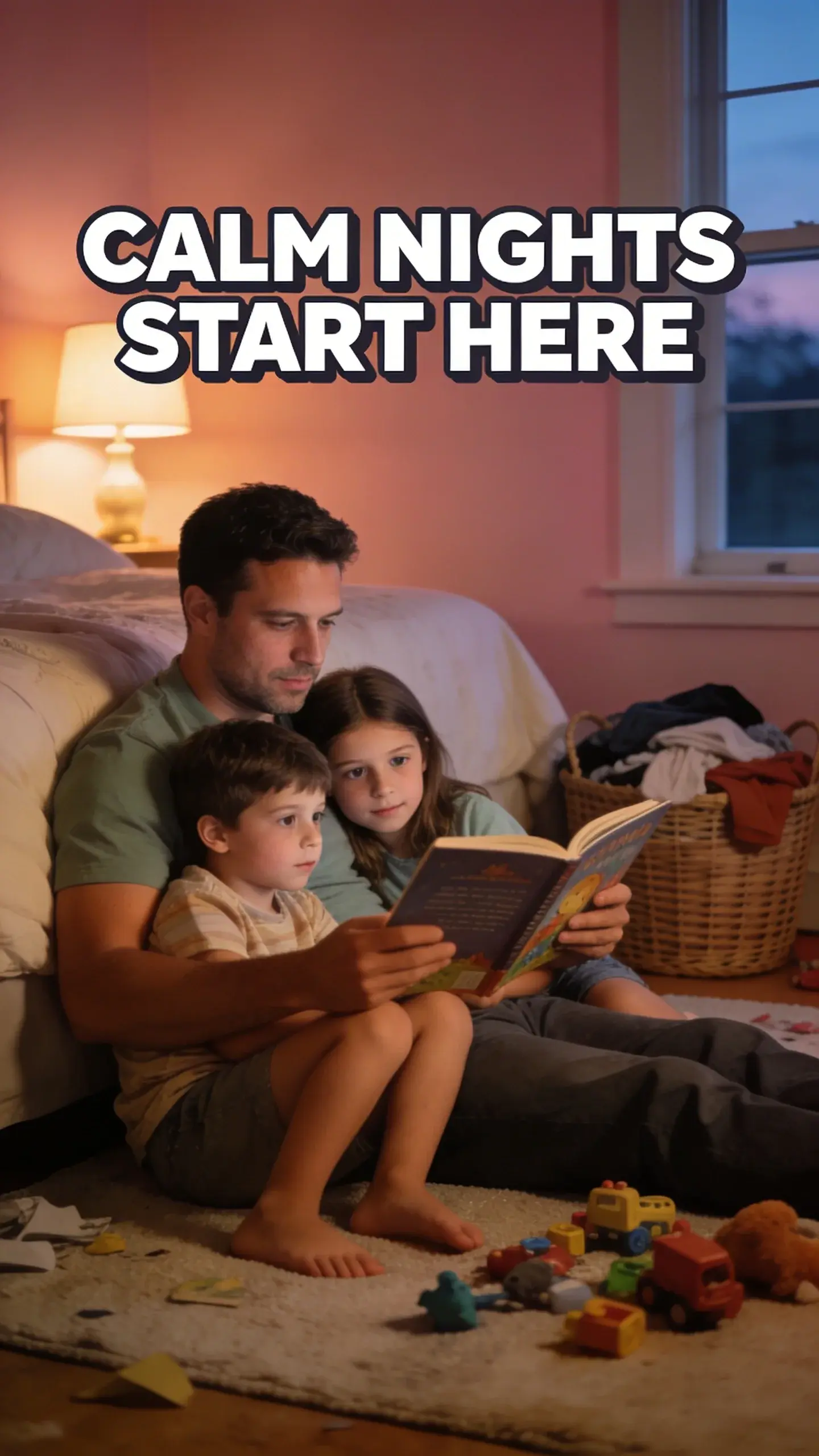
Ending nightly bedtime arguments requires consistency and a united front. Both parents, if applicable, should be on the same page. This prevents kids from “shopping” for a more lenient answer. Your child needs to know that “no” means “no” from everyone. This strengthens the boundaries you’ve set.
One powerful strategy is to involve your child in creating the routine. When children have a say, they are more likely to cooperate. This fosters a sense of ownership. Moreover, it reduces power struggles. Try saying, “What helps you feel ready for sleep?”
- ☐ Involve child in routine creation.
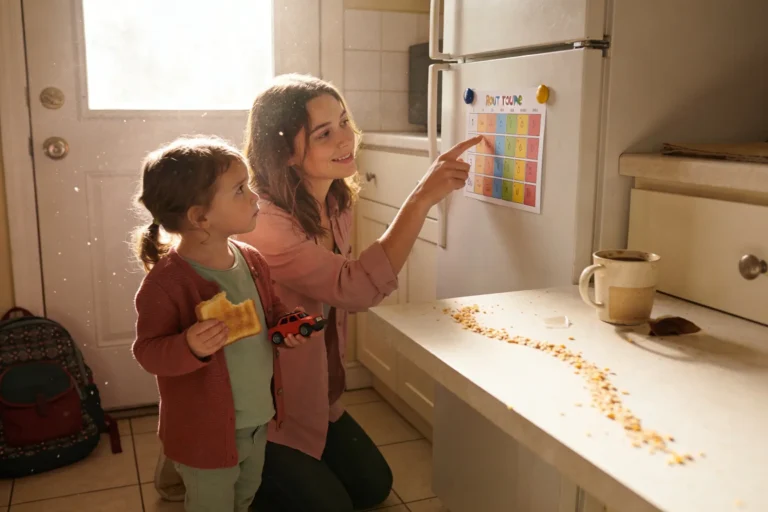
- ☐ Use a visual schedule for younger kids.
- ☐ Offer limited choices (e.g., “PJs first or brush teeth?”).
- ☐ Stay calm and consistent, even when challenged.
- ☐ Focus on connection during the routine, not just compliance.
Remember, your goal is not just to get them to sleep. It’s to teach them self-regulation and respect for boundaries. This process takes time and patience. However, the payoff is immense for everyone involved.
Gentle Parenting Bedtime Phrases That Work Wonders
Gentle parenting emphasizes empathy, understanding, and setting respectful limits. These bedtime phrases help maintain connection while still moving towards sleep. They acknowledge feelings without giving in to demands. This approach strengthens your bond.
Try these phrases when your child is resisting:
- “I know you’re feeling energetic right now, but our bodies need rest to recharge. Let’s snuggle quietly for a minute.”
- “It sounds like you’re missing playing. We’ll have lots of fun tomorrow. Right now, it’s time for quiet time in bed.”
- “I’m here for you. You’re safe. It’s okay to feel sad about bedtime, and it’s also time to close our eyes.”
- “I love spending time with you. Our special time together is for stories and snuggles, then it’s time for sleep. I’ll see you in the morning.”
These phrases validate their emotions while gently redirecting them. They communicate love and limits simultaneously. This is the essence of gentle parenting.
A child’s need for control is often a cry for significance and belonging. Offering limited choices and involving them in routines meets these needs, reducing the urge to battle for control at bedtime.
When Kids Keep Getting Out of Bed: Setting Firm Boundaries
The “jack-in-the-box” routine is a common and frustrating bedtime battle. Your child keeps popping out of bed, often with a new request. This is where consistent boundaries are absolutely non-negotiable. Your child is testing the limits. They want to see if the rules apply tonight.
The key is to respond calmly, consistently, and with minimal interaction. This method is often called the “silent return.” It removes the reward of attention. Even negative attention can be a reward for a child. Your actions speak louder than words here. [-> Read more: managing toddler tantrums]
The “Silent Return” for Persistent Get-Outs
If your child repeatedly gets out of bed after you’ve said goodnight, implement the silent return:
- Initial Tuck-In: Go through your regular, loving bedtime routine. Say goodnight.
- First Get-Out: Calmly and silently take your child by the hand. Lead them back to bed. Tuck them in without a word.
- Subsequent Get-Outs: Repeat step 2. Do not make eye contact. Do not talk. Do not scold. Simply return them to bed.
- Stay Consistent: This may take many repetitions on the first few nights. It requires immense patience.
This method teaches your child that getting out of bed does not lead to extra attention or play. It only leads back to bed. It’s tough, but it’s incredibly effective in the long run. It helps to end those frustrating bedtime battles.
FAQ About Bedtime Battles Positive Discipline Script
How do you use a positive discipline script for bedtime battles?
To use a positive discipline script for bedtime battles, focus on empathy, clear expectations, and limited choices. First, acknowledge your child’s feelings. Then, state the boundary kindly. Finally, offer a choice that leads to sleep. For example, “I know you want to keep playing, but now it’s time for quiet sleep. Do you want to pick your stuffed animal or your blanket for snuggles?”
What are some common reasons for bedtime battles in kids?
Common reasons for bedtime battles in kids include a desire for control, separation anxiety, fear of the dark or monsters, and simply not wanting the day to end. Overtiredness or insufficient wind-down time can also contribute. Understanding these underlying causes helps tailor your bedtime battles positive discipline script.
How can I make my child’s bedtime routine more peaceful?
To make your child’s bedtime routine more peaceful, establish a consistent schedule and implement calming activities. This includes a warm bath, reading stories, or quiet cuddles. Reduce screen time an hour before bed. Also, ensure the bedroom environment is dark, quiet, and comfortable. A predictable routine reduces anxiety and signals sleep time.
What should I say when my child wants “one more thing” at bedtime?
When your child requests “one more thing” at bedtime, acknowledge their desire but firmly reiterate the boundary. Try saying, “I know you wish we could do more, but our special time for [story/water/hug] is done. Now it’s time for sleep.” Offer a final, quick, loving gesture, then calmly disengage. Consistency is key to ending these specific bedtime battles.
Is it normal for toddlers to have bedtime battles?
Yes, it is very normal for toddlers to have bedtime battles. This stage often involves a strong drive for independence and testing boundaries. Their developing language skills and emotional regulation can also make bedtimes challenging. Using a bedtime battles positive discipline script can be especially effective for toddlers.
When should I seek professional help for bedtime battles?
You should seek professional help for bedtime battles if they are severe, persistent, and significantly impacting your child’s or family’s well-being. This includes extreme sleep deprivation for the child or parents, signs of underlying anxiety or medical conditions, or if positive discipline strategies aren’t helping after consistent effort. A pediatrician or child sleep specialist can offer guidance.
Embrace Peaceful Bedtime Battles with Positive Discipline
Navigating bedtime doesn’t have to be a nightly struggle filled with overwhelm and guilt. By shifting your approach, you can transform these challenging moments. You can create a more peaceful and connected experience for your whole family.
Imagine quiet evenings, calm goodbyes, and children drifting off to sleep feeling loved and secure. This isn’t a fantasy. It’s an achievable reality. Your consistent, empathetic efforts will pave the way for restful nights.
Start small. Pick just one tip or one phrase from this bedtime battles positive discipline script to try tonight. You’ve got this, parent. Your journey to calmer bedtimes begins now. For more ideas, check out parenting tips and expert advice.