

Printable Toddlers Routine Chart (Visual Schedule System) (3)!!!
Are you an overwhelmed parent of a spirited 2 to 4-year-old, feeling like every day is a battle of wills? You’re not alone if the mere mention of “bedtime” or “getting dressed” sparks a wave of parental frustration. Many parents struggle with the constant push and pull, desperately wishing for smoother transitions and fewer meltdowns, especially when trying to establish a printable toddler routine chart.
However, there’s a simple, visual solution that can transform your daily chaos into predictable peace. This article will help you understand how a visual schedule system empowers your child, reduces power struggles, and fosters cooperation, turning your home into a calmer, happier place. Ready to reclaim your evenings and mornings?
Taming Toddler Meltdowns with a Routine Chart
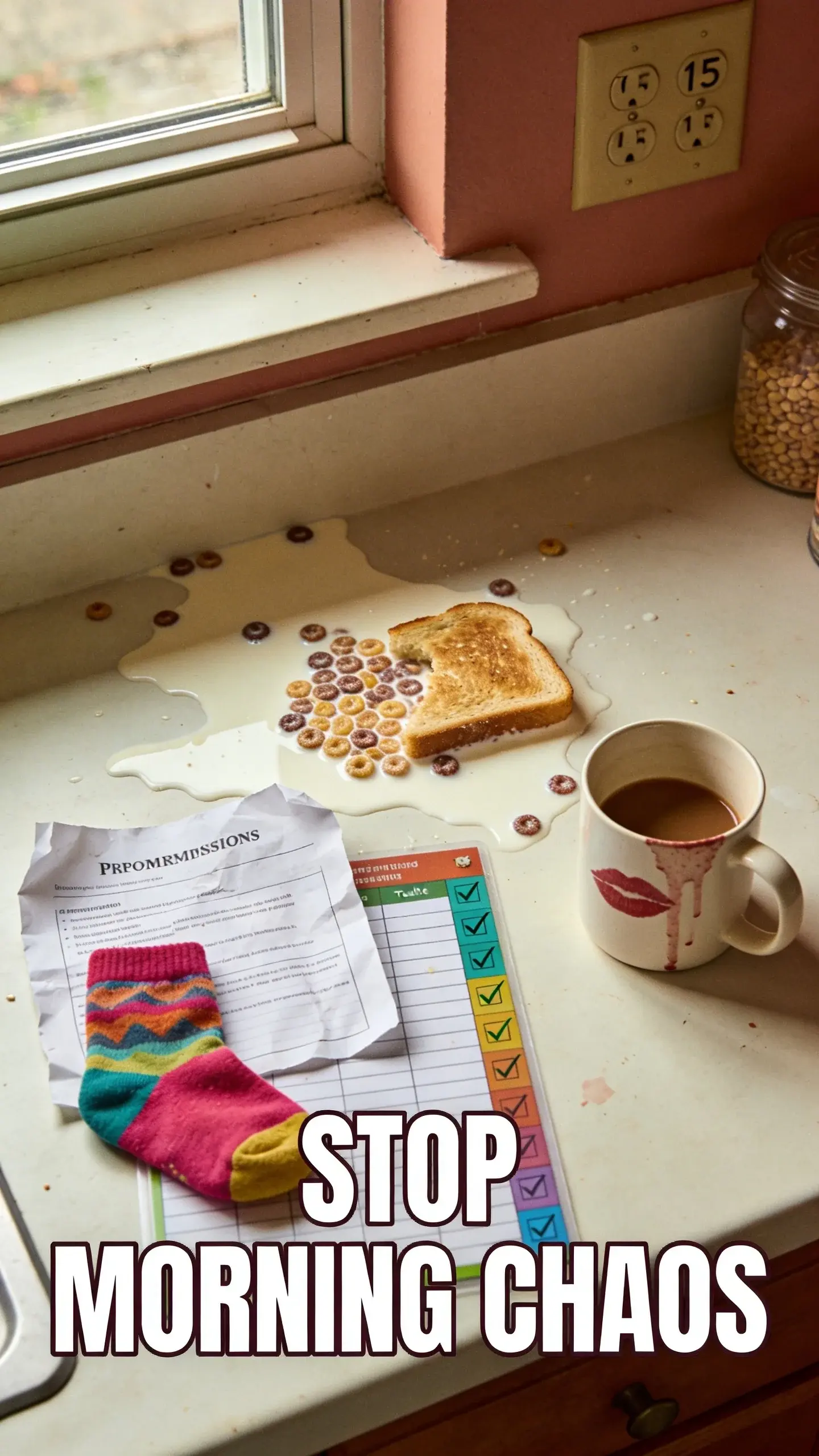
Toddlers are tiny humans with big emotions and an even bigger need for control. When their world feels unpredictable, it often leads to frustration, resistance, and those infamous meltdowns. You know the ones – the sudden, ear-splitting protests over a sock or a snack.
Fortunately, a visual schedule system can be a game-changer. It provides the structure and predictability that toddlers crave, but often cannot articulate. For example, imagine a morning scramble where your little one refuses to put on their shoes.
A printable toddler routine chart shows them exactly what comes next. This visual cue can dramatically reduce their anxiety and resistance. Indeed, seeing “shoes” after “breakfast” helps them anticipate and prepare, making transitions much smoother.
Why a Visual Schedule System Benefits Your Little One
Beyond just taming meltdowns, visual schedules offer profound developmental benefits. Young children thrive on predictability. It helps them feel secure and understand their world better.
Furthermore, a consistent daily rhythm supports cognitive growth and language development. When your child can “read” their day using pictures, they are building essential sequencing and communication skills. This boosts their autonomy.
-> Source: American Academy of Pediatrics – Establishing predictable routines helps reduce anxiety and promote healthy development in young children. Moreover, it creates a sense of safety and control.
A well-designed printable toddler routine chart gives them a sense of ownership over their day. They learn what to expect, when to expect it, and what’s expected of them. This is incredibly empowering for a little person.
Crafting the Perfect Printable Toddler Routine Chart

So, how do you create a routine chart that actually works? First, consider your child’s typical day. What are the key activities from morning to night?
Then, break down these activities into simple, visual steps. For instance, “getting ready for school” might become “eat breakfast,” “brush teeth,” “get dressed,” and “put on shoes.” Remember, simplicity is key here.
When creating your printable toddler routine chart, use clear, engaging pictures. You can draw them, use photos of your child doing the activity, or find free printables online. Avoid too many words for younger toddlers; focus on the visuals.
- ☐ Choose 5-7 key daily activities.
- ☐ Use clear, simple pictures for each step.
- ☐ Involve your child in selecting pictures (if possible).
- ☐ Place the chart at your child’s eye level.
- ☐ Laminate or use clear contact paper for durability.
Think about the flow of your day. Morning routine, afternoon activities, and a calm bedtime routine are excellent places to start. [-> Read more: developmental milestones for toddlers]
Introducing Your Daily Schedule for 2-Year-Olds and Beyond

Once your printable toddler routine chart is ready, the next step is introducing it to your child. Make it an exciting, positive experience. Present it as a special new tool just for them.
Walk them through each picture, explaining what it means. For example, “First, we eat breakfast, then we brush our teeth!” Let them point to the pictures and “read” the chart with you.
Consistency is absolutely crucial. Follow the chart every day, even on weekends, as much as possible. This reinforces the routine and helps your child internalize the schedule.
Don’t be too rigid! Life happens. If you miss a step or have an unexpected change, simply acknowledge it and move on. Flexibility teaches adaptability, which is also an important life skill.
Remember, this is a tool to help, not a strict rulebook. Adjust as needed, but always refer back to the visual schedule system.
Solving Bedtime Battles with Visual Cues and Your Routine Chart
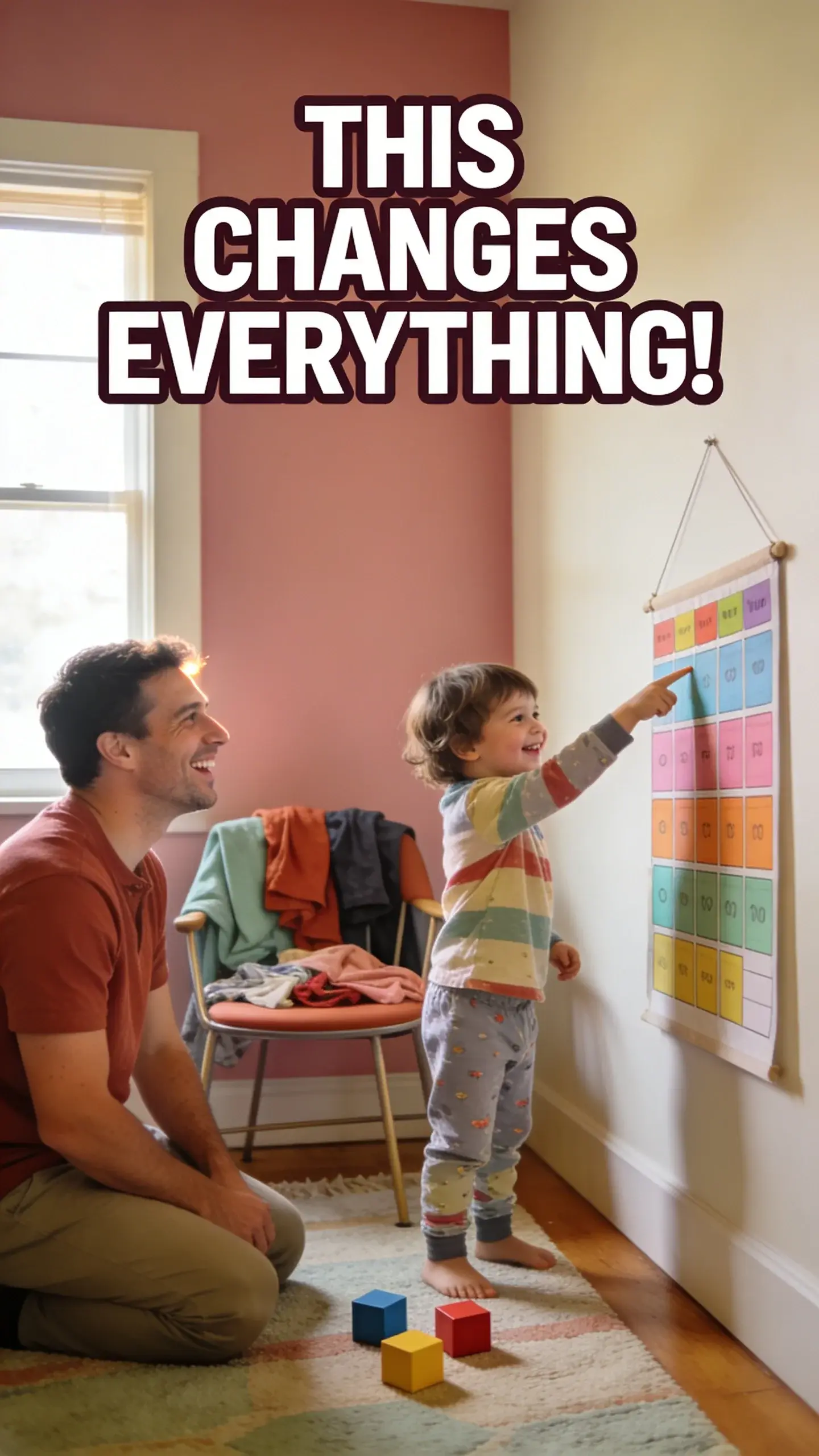
Bedtime can often feel like the ultimate power struggle. Toddlers resist sleep for many reasons: fear of missing out, a desire for control, or simply not feeling tired. However, a printable toddler routine chart can be a secret weapon here.
A visual bedtime routine helps your child understand the sequence of events leading to sleep. This predictability significantly reduces anxiety and resistance. Instead of you telling them, the chart tells them.
For instance, your chart might show “bath,” “pajamas,” “brush teeth,” “story time,” and “sleep.” When your toddler sees “brush teeth” coming up, they are less likely to argue. They know it’s part of the familiar rhythm.
[-> Read more: creating a calm bedtime routine]
When a toddler resists, point to the chart instead of engaging in a verbal battle. This shifts the focus from “mommy says so” to “the schedule says so,” empowering your child to follow the visual cues independently.
This simple shift in communication can work wonders for solving bedtime battles. It’s about empowering them, not forcing them.
Making Transitions Easier for Toddlers with a Visual Schedule
Transitions are notoriously difficult for toddlers. Moving from playtime to mealtime, or from indoor play to outdoor adventures, can trigger major resistance. Why? Because it requires shifting focus and letting go of a preferred activity.
A printable toddler routine chart acts as a visual heads-up. It prepares them mentally for what’s next. You can point to the current activity, then point to the next one, giving them a few minutes’ warning.
-> Source: Zero to Three – Visual supports, like picture schedules, can significantly aid young children’s understanding of expectations and help them manage transitions more smoothly.
This helps reduce the surprise element, which often fuels toddler behavior challenges. By seeing the sequence, they gain a sense of control and understanding. This is a powerful parenting tool.
Customizing Your Printable Toddler Routine Chart for Busy Parents
Every family is unique, so your printable toddler routine chart should be too. Don’t feel pressured to adopt someone else’s perfect schedule. Instead, tailor it to your family’s specific needs and lifestyle.
For instance, if your mornings are hectic, focus on just 3-4 key morning steps. If afternoons are more relaxed, you might include more activities. The goal is to create a functional, helpful tool, not an extra source of stress.
Consider using removable pieces (like Velcro dots) for each activity. This allows your child to physically move the “finished” activity to a “done” column. This interactive element further boosts their engagement and sense of accomplishment.
Research shows that children whose parents implement consistent routines exhibit better self-regulation and fewer behavioral problems. A visual schedule system directly contributes to this consistency.
Remember, the best routine chart is the one you can consistently use. Make it simple, make it visual, and make it yours. [-> Read more: toddler discipline strategies]
How do I use a printable toddler routine chart effectively?
To use a printable toddler routine chart effectively, introduce it positively and consistently. Point to each picture as you complete the activity, and let your child participate by moving the finished task. This visual reinforcement helps them understand the daily flow and anticipate what’s next.
What age is best for starting a visual schedule system?
You can introduce a visual schedule system as early as 18 months, especially for key transitions like mealtime or bedtime. However, it becomes particularly effective for toddlers aged 2-4 years. At this age, their cognitive abilities allow them to grasp the sequence of events more readily.
Can a printable toddler routine chart help with defiance?
Absolutely! A printable toddler routine chart can significantly reduce defiance by providing clear expectations. When the chart dictates the next activity, it removes you from the role of the “bad guy.” This empowers your child to follow the schedule, rather than fighting against your direct commands.
What are the benefits of a toddler visual schedule for development?
A toddler visual schedule supports several developmental areas. It enhances language skills by associating words with pictures, fosters independence and self-help skills, and builds a sense of predictability. Furthermore, it helps children develop sequencing abilities and reduces anxiety by making their world more understandable.
Where can I find free printable routine charts for toddlers?
Many parenting blogs, educational websites, and even Pinterest offer a wide variety of free printable routine charts for toddlers. Simply search for “free toddler visual schedule” or “printable daily routine for kids.” Look for charts with clear, simple pictures that resonate with your child.
How often should I update my toddler routine chart?
You should update your toddler routine chart as your child grows and their needs change. This might mean adding new activities as they develop skills or removing old ones. Regularly review it, perhaps every few months, to ensure it still accurately reflects your family’s daily rhythm and supports your child’s evolving independence.
Embracing Peace with Your Printable Toddler Routine Chart
Indeed, daily life with a toddler can feel like a whirlwind of demands and unexpected turns. You’re not alone in feeling overwhelmed by the constant negotiation and the desire for more peaceful moments.
Imagine evenings that flow smoothly, mornings without tears, and a child who confidently moves through their day. This isn’t a parenting fantasy; it’s the reality that a well-implemented visual schedule can create. It brings a calm predictability to your home.
Therefore, take a deep breath and give a printable toddler routine chart a try. Start small, be patient, and celebrate every tiny victory. You’ve got this, and a little visual help can make a huge difference. For more ideas, check out parenting tips and expert advice. Learn more: morning routine.