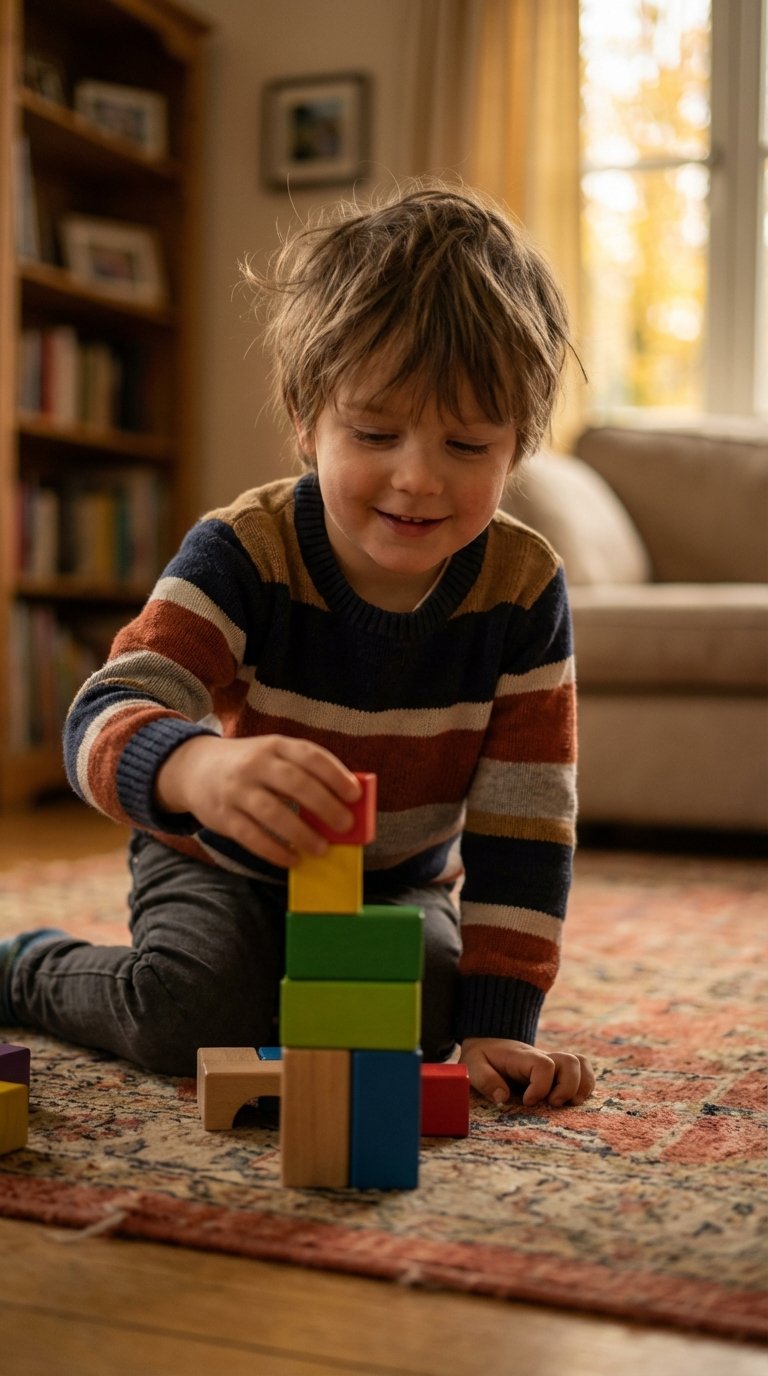

Simple Kindergarteners Morning & Bedtime Routine That Actually Works!
[SEO_META]
SEO_TITLE: Kindergarten Morning and Bedtime Routine: Calm Starts Here
FOCUS_KEYWORD: kindergarten morning and bedtime routine
SLUG: kindergarten-morning-bedtime-routine
META_DESCRIPTION: Transform chaotic mornings and bedtime battles with a simple kindergarten morning and bedtime routine. Discover practical tips for calmer days and happier kids.
EXCERPT: Does your kindergartener’s routine feel like a daily battle? Learn how a simple kindergarten morning and bedtime routine can bring peace and predictability to your home.
[END_SEO_META]
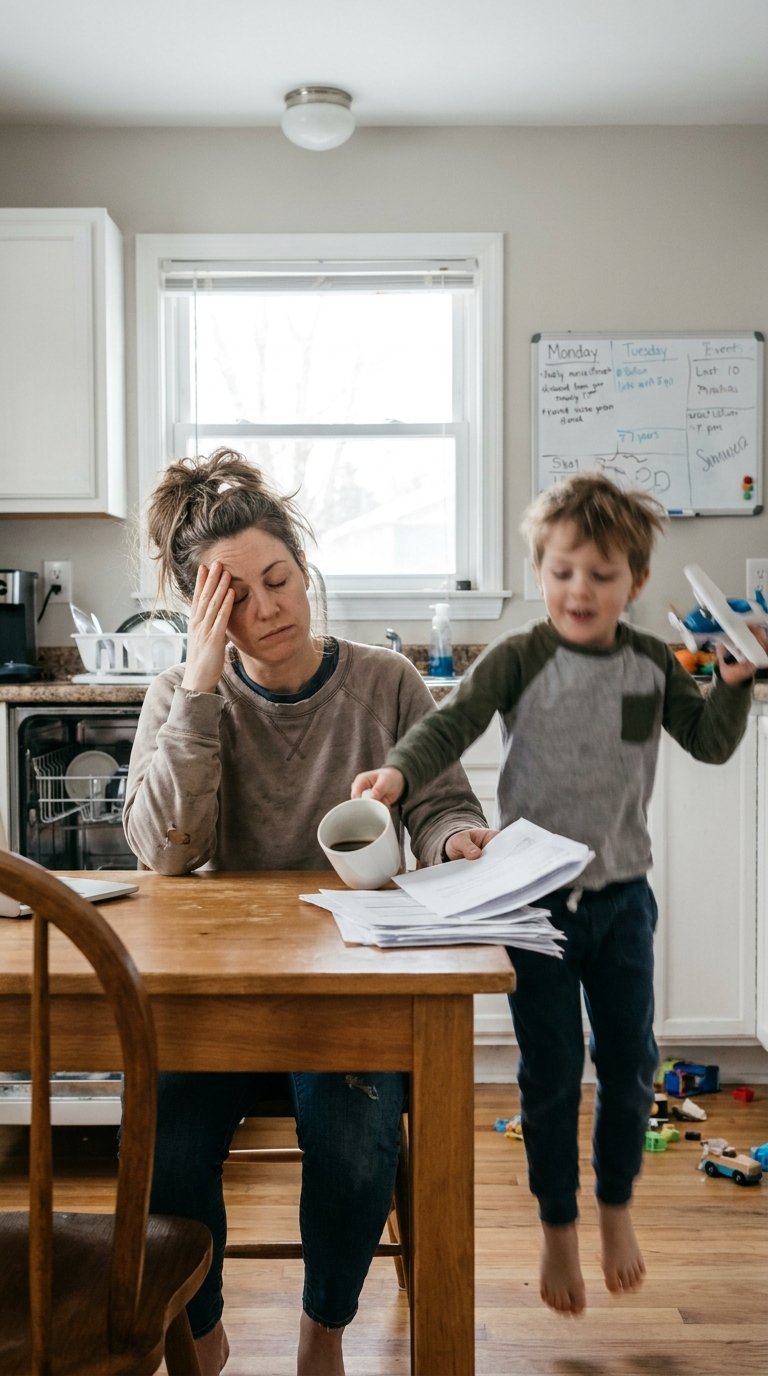
Are your mornings a frantic dash, leaving you feeling utterly overwhelmed and guilty before the day even properly begins? Do bedtime battles stretch endlessly, draining your energy and leaving you dreading the evening? You’re not alone, and finding a kindergarten morning and bedtime routine that actually works can feel like searching for a unicorn.
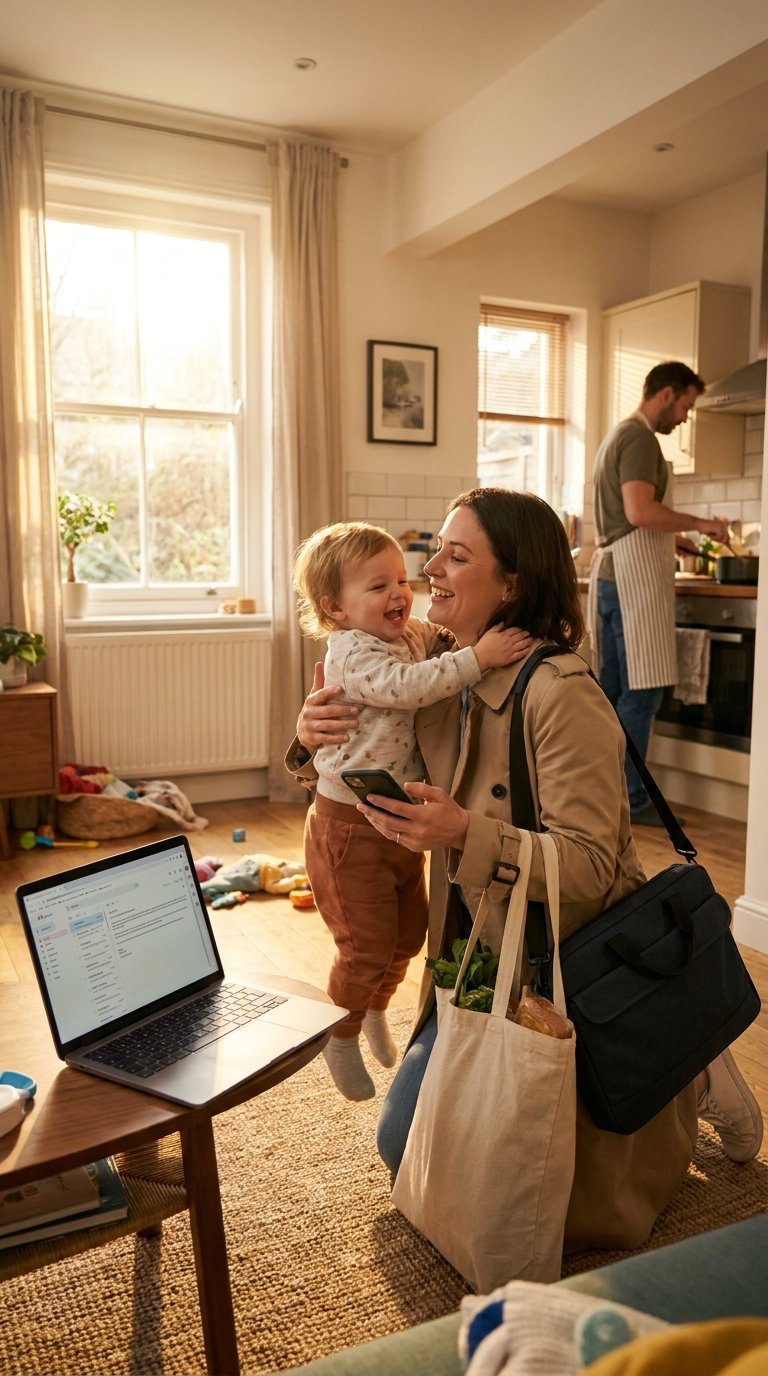
However, what if I told you that transforming those chaotic moments into calm, predictable rhythms is entirely possible? This article promises to help you turn those stressed-out sprints and prolonged goodbyes into smoother transitions, fostering more connection and less conflict. Ready to reclaim your mornings and evenings?
Why a Structured Kindergarten Morning and Bedtime Routine Matters So Much
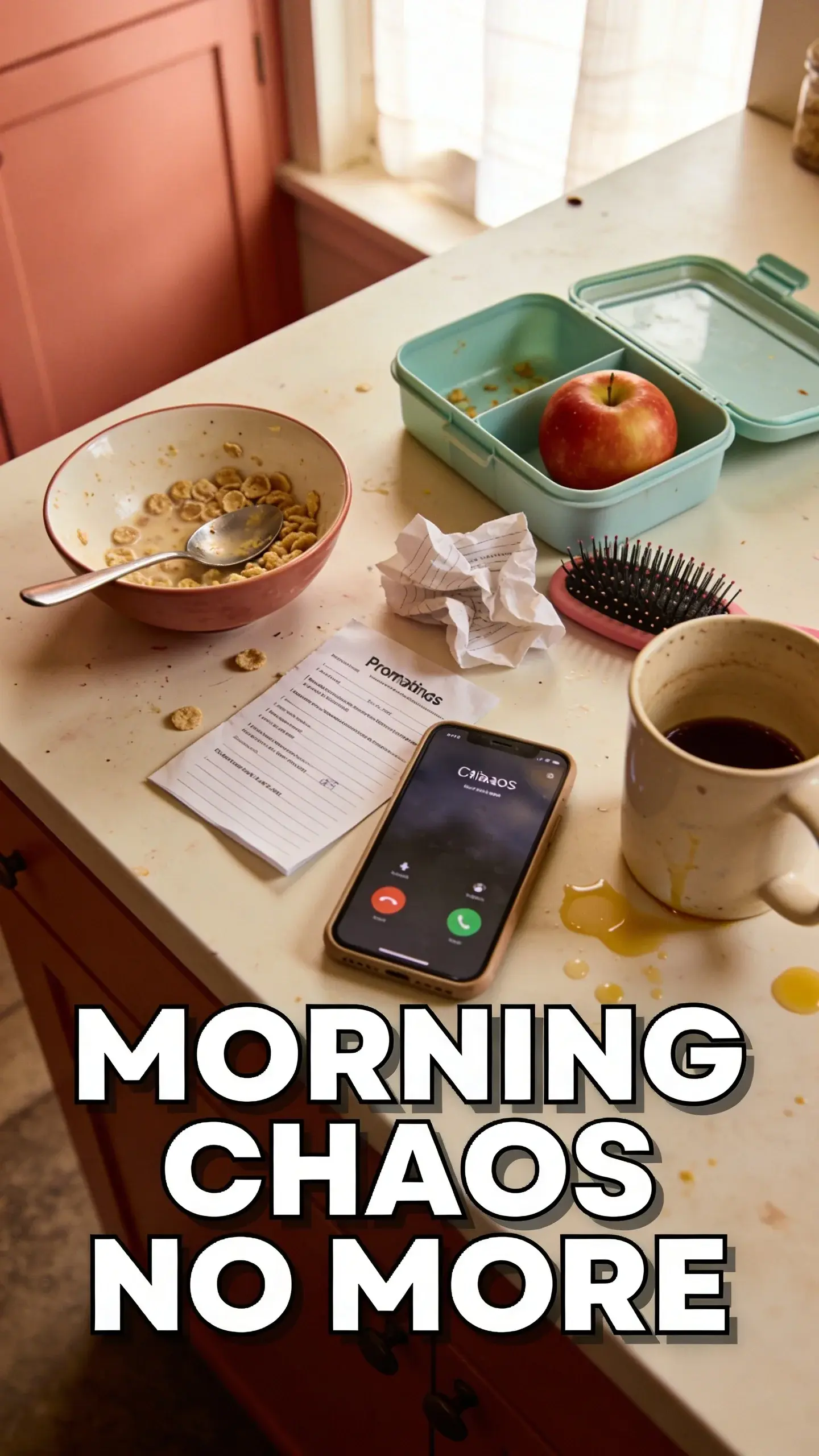
It’s easy to feel like routines are just another thing to add to your already overflowing plate. Yet, for kindergarteners, predictability is their superpower. Children thrive on knowing what comes next, which reduces anxiety and builds independence.
Furthermore, a consistent kindergarten morning and bedtime routine sets the stage for success both at home and at school. It helps them develop crucial emotional regulation skills. This structure provides a sense of security in their rapidly expanding world.
Consistent routines are linked to a significant reduction in behavioral problems in young children. This structure helps them feel safe and understand expectations. -> Source: American Academy of Pediatrics
Think of it this way: routines are like guardrails on a road. They keep your child on track, even when things get a little bumpy. They also free up mental energy for you, the parent. You won’t have to constantly remind or nag. Instead, the routine itself becomes the guide.
Establishing Consistent Kindergarten Routine Foundations

Starting a new routine can feel daunting, especially if your current schedule is, well, non-existent. The key is to begin small and be patient. Remember, consistency over perfection is always the goal.
First, involve your child in the process. When children have a say, they are more likely to buy into the plan. Ask them what they think should happen during their morning and evening. This simple step empowers them.
The Power of a Visual Routine Chart for Kindergarten
Kindergarteners are visual learners. Therefore, a visual routine chart is an absolute game-changer. It transforms abstract concepts like “getting ready” into concrete, understandable steps.
You can use pictures, drawings, or even photos of your child doing each task. For instance, a picture of them brushing teeth, then eating breakfast. Place the chart where they can easily see and interact with it, like on the fridge or their bedroom wall.
My own kindergartener loves to point to the “put on shoes” picture after breakfast. It makes the routine a fun, independent activity. This visual cue helps them transition smoothly between tasks.
Simple Steps to Make Your Kindergarten Routine Easy
Making your routine easy means breaking tasks into manageable chunks. Avoid overwhelming your child with too many steps at once. Focus on the essentials first.
Consider using positive reinforcement. Praise their efforts, even small ones. “I love how you put on your socks all by yourself!” This encourages their growing independent skills. Moreover, it builds their confidence.
A truly effective routine isn’t about rigid adherence, but about creating predictable rhythms. It’s a framework that offers comfort and reduces decision fatigue for both parents and children. Flexibility within structure is your secret weapon.
Conquering the Morning Rush: A Smooth Kindergarten Morning Routine

The morning rush can feel like a high-stakes race against the clock. Often, the chaos stems from too many last-minute decisions and not enough preparation. You’re not alone if you’ve ever felt like pulling your hair out before 8 AM.
The solution? Front-load as much as possible the night before. This simple strategy can drastically reduce morning stress. It creates a calmer start to the day.
A Sample Kindergarten Morning Schedule That Works
Here’s a practical morning sequence you can adapt. Remember to allow ample time for each step without rushing. This helps with school readiness and smooth transition times.
- Wake Up & Potty: Gently wake your child, allowing a few minutes to fully rouse.
- Get Dressed: Have clothes picked out the night before. This avoids morning meltdowns over outfit choices.
- Breakfast: Offer a nutritious meal. Sit together, even if briefly, to connect.
- Brush Teeth & Hair: Make it a fun activity. Maybe play a short song.
- Pack Bag & Shoes: Ensure backpacks are ready with lunch and school supplies.
- Quick Play/Quiet Time: A few minutes for independent play or a story can ease the transition out the door.
Over-scheduling mornings with too many tasks or leaving zero buffer time. This creates unnecessary pressure and guarantees a chaotic start. Instead, build in 5-10 minutes of “wiggle room” between tasks. This allows for unexpected detours or a moment of connection. -> Read more: managing meltdowns
Always aim to be ready 10-15 minutes before you need to leave. This buffer time is invaluable. It reduces stress for everyone involved.
Crafting a Gentle Bedtime Routine for Kindergarteners

Bedtime can often feel like the ultimate test of parental patience. The “one more drink,” “one more story,” or “I need to tell you something important” pleas are incredibly familiar. These tactics are often a child’s way of resisting the end of the day.
A gentle bedtime routine for kindergarteners is less about strict enforcement and more about a calm, predictable wind-down sequence. It signals to their bodies and minds that it’s time to rest. This consistency supports good sleep hygiene.
Evening Routine for Kindergarten Success
Here’s a calming sequence designed to help your child relax and prepare for sleep. This promotes overall kindergarten success by ensuring they are well-rested.
- Dinner & Family Time: Enjoy a meal together without screens. This fosters family connection.
- Tidy Up & Prep for Tomorrow: A quick pick-up of toys and laying out clothes for the next day.
- Bath/Shower: A warm bath can be incredibly relaxing.
- Story Time: Read 2-3 books together. This is a wonderful bonding opportunity.
- Pajamas & Brush Teeth: Keep this part light and fun.
- Cuddles, Songs, or Quiet Chat: A few minutes of gentle connection before lights out.
- Lights Out: Stick to a consistent bedtime.
Adequate sleep is absolutely crucial for a kindergartener’s cognitive development, mood regulation, and immune system. Most 4-6 year olds need 10-12 hours of sleep per night. -> Source: National Sleep Foundation
Crucially, wind down screen time at least an hour before bed. The blue light from devices can interfere with melatonin production. This makes it harder for children to fall asleep. -> Read more: screen time guidelines for kids
When Your Kindergarten Routine Hits a Snag: Troubleshooting Tips
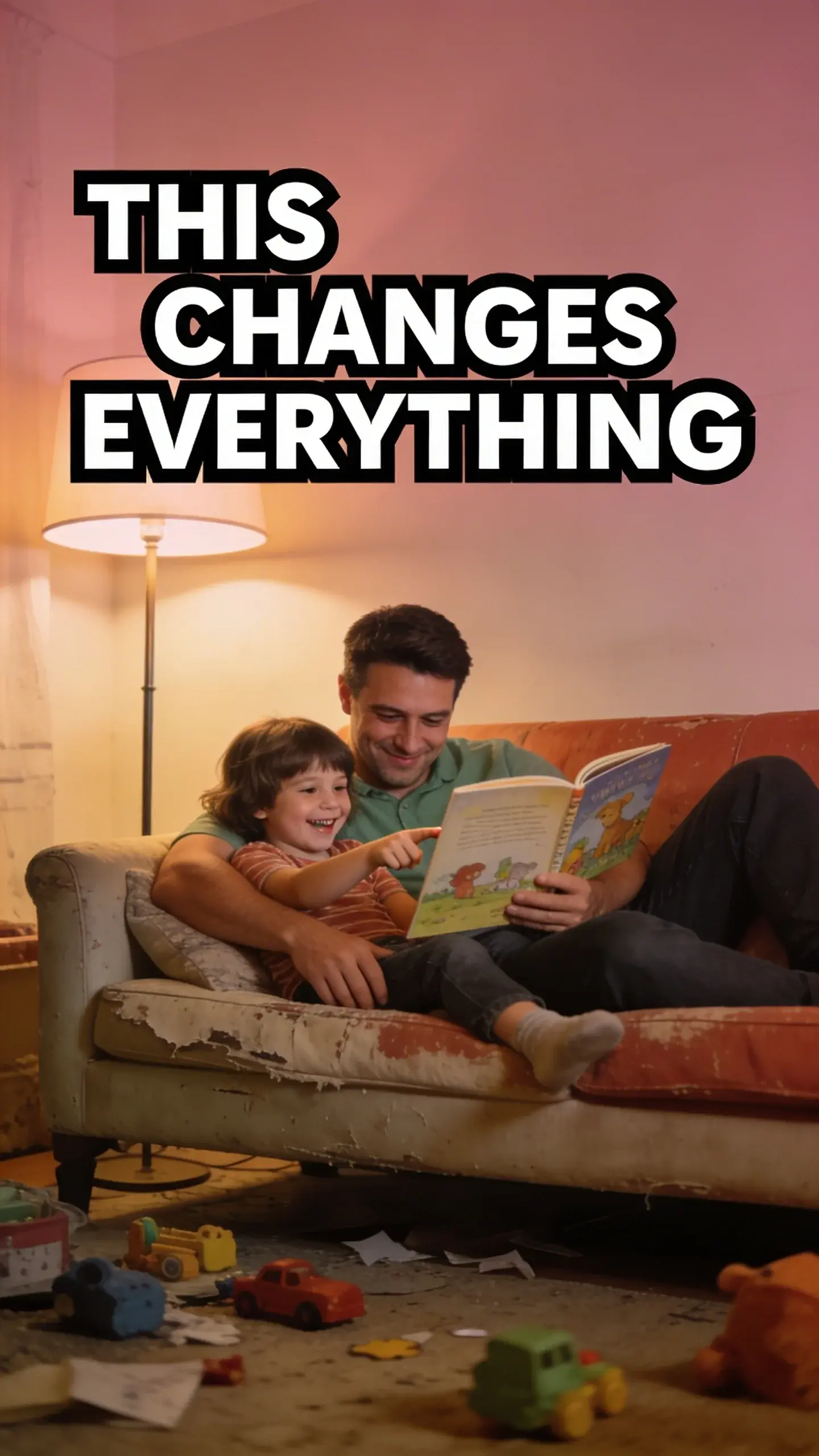
Let’s be real: life happens. There will be sick days, late nights, and unexpected changes that throw your meticulously planned routine off track. This is completely normal. The goal isn’t perfection, but resilience.
When your kindergarten routine hits a snag, don’t panic. Acknowledge the disruption, then get back on track as soon as possible. Your kindergartener will appreciate the predictability returning.
Adjusting Your Kindergarten Routine to Child’s Temperament
Every child is unique, and what works for one may not work for another. Some children need more transition time; others thrive on quick changes. Adjusting your kindergarten routine to your child’s temperament is vital.
If your child is highly sensitive, offer extra warnings before transitions. “Five more minutes until bath time!” For a child who loves control, give choices. “Do you want to put on your PJs first or brush your teeth?” These small adjustments can make a huge difference. Remember to maintain consistent boundaries, even with flexibility.
- ☐ Is the routine visual and easy to understand?
- ☐ Am I building in buffer time for unexpected delays?
- ☐ Are screens off an hour before bedtime?
- ☐ Am I praising effort, not just perfection?
- ☐ Is the routine flexible enough for real life?
Don’t forget about your own self-care. A well-rested parent is better equipped to handle routine disruptions. Consider how you can build small moments of calm for yourself too. -> Read more: positive parenting strategies
How do you create a simple kindergarten morning and bedtime routine?
To create a simple kindergarten morning and bedtime routine, start by identifying 3-5 key steps for each. Involve your child in choosing activities and create a visual chart. Keep it consistent but allow for minor flexibility.
What are the benefits of a structured kindergarten morning and bedtime routine?
A structured kindergarten morning and bedtime routine provides children with predictability and security. It reduces anxiety, improves emotional regulation, and fosters independence. This consistency also supports better sleep hygiene and overall well-being.
How long should a kindergarten morning and bedtime routine be?
Ideally, a kindergarten morning and bedtime routine should last 20-45 minutes each. The morning routine might be a bit quicker, while bedtime often benefits from a longer, more relaxed wind-down period. Focus on quality, not just duration.
What if my kindergartener resists the kindergarten routine?
If your kindergartener resists the routine, first check if it’s too long or too rigid. Then, try these steps:
- Re-engage them with the visual chart.
- Offer limited choices within the routine.
- Use positive reinforcement for compliance.
- Stay calm and consistent, even during pushback.
Can a kindergarten morning and bedtime routine improve sleep?
Absolutely, a consistent kindergarten morning and bedtime routine significantly improves sleep quality and duration. It signals to a child’s body when it’s time to wind down and wake up. This regular rhythm helps regulate their internal clock, leading to more restful nights.
How do I adjust the kindergarten morning and bedtime routine for weekends?
For weekends, try to keep the core elements of the kindergarten morning and bedtime routine consistent. You can allow for slightly later wake-up or bedtime, perhaps by 30-60 minutes. However, maintain the sequence of activities to preserve predictability and avoid “sleep debt” by Monday morning.
Embracing Your Kindergarten Morning and Bedtime Routine Journey
Ultimately, creating a successful routine isn’t about control; it’s about connection and calm. You’re not just managing tasks; you’re nurturing a sense of security and independence in your child. Say goodbye to that constant feeling of overwhelm and guilt.
Imagine mornings filled with gentle chatter instead of hurried shouts. Picture evenings ending with peaceful stories and sweet dreams, rather than drawn-out battles. This predictable rhythm can truly transform your family life. It allows for more joy and less stress.
So, take a deep breath, choose one small tip from this article, and start implementing it today. You’ve got this, and a smoother kindergarten morning and bedtime routine is well within your reach. Learn more: positive parenting. For more ideas, check out parenting tips and expert advice. Learn more: consistent routine.