

Printable Toddlers Routine Chart (Visual Schedule System) (2)
Printable Toddler Routine Chart: Essential Visual Schedule System
Are you constantly battling your little one over getting dressed, snack time, or leaving the park? You are definitely not alone. Many parents feel that familiar wave of overwhelm and guilt when daily transitions turn into full-blown meltdowns. Thankfully, a printable toddler routine chart can be a game-changer.
Indeed, this simple visual schedule system offers a clear path to smoother days. It helps your child understand what’s coming next, reducing anxiety and power struggles. If you’re ready to transform daily chaos into predictable calm, you’re in the perfect place.
Why Your Family Needs a Printable Toddler Routine Chart (Benefits of Visual Schedules for Preschoolers)
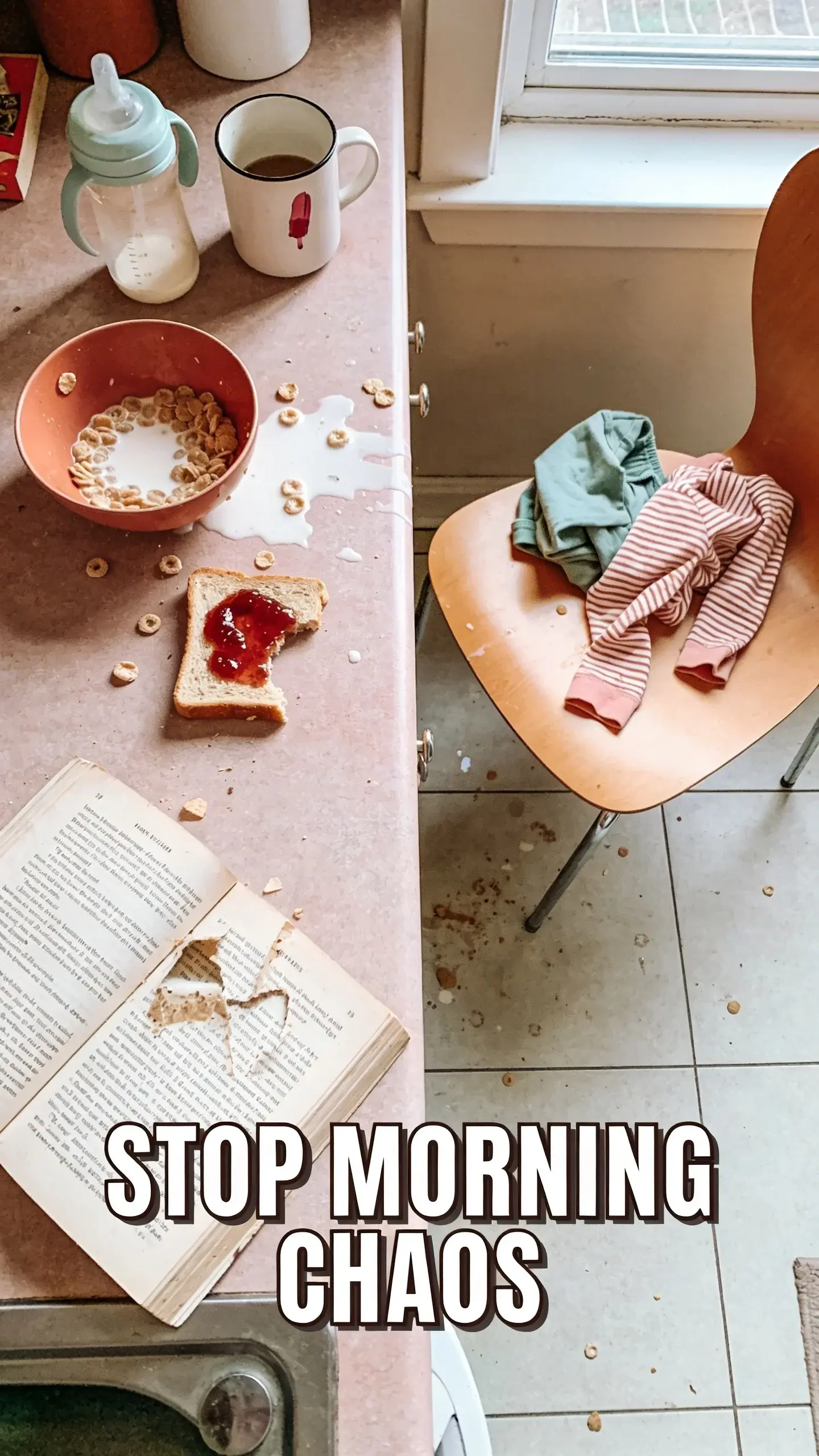
Life with a toddler often feels like navigating a beautiful, but unpredictable, storm. One minute they are giggling, the next they are in a full tantrum because you suggested putting shoes on. This emotional roller coaster is tough on everyone. Moreover, it often stems from a toddler’s natural need for control and understanding.
A visual schedule system provides that crucial understanding. It acts as a roadmap for their day. This predictability helps ease anxiety and builds confidence in young children. In fact, research shows that consistent routines help children feel more secure and can significantly reduce challenging behaviors.
For instance, imagine your toddler knows “first we eat breakfast, then we play with blocks, then we get dressed.” This knowledge empowers them. They can anticipate what’s next. This makes them more cooperative. Furthermore, it fosters independence as they learn to follow the routine themselves. A printable toddler routine chart supports their developing cognitive skills.
-> Source: American Academy of Pediatrics – Establishing predictable routines helps young children develop a sense of security, manage expectations, and can decrease behavioral challenges, making daily transitions smoother for both children and parents.
This simple tool transforms abstract time into concrete, understandable pictures. Therefore, it’s not just about managing behavior. It’s about nurturing your child’s sense of self-efficacy and creating more harmony in your home. This is a powerful parenting tool indeed.
Solving Morning Meltdowns with a Visual Schedule for Toddlers

Mornings can be a battlefield, can’t they? The rush to get out the door often clashes with a toddler’s desire to explore or simply not cooperate. This is where a visual schedule for toddlers shines. It provides a clear sequence of events. Your child can see what needs to happen before they get to their favorite activity.
Consider this common scenario: “Time to get dressed!” is met with a defiant “NO!” But what if they saw a picture of getting dressed, followed by a picture of playing with trains? The motivation changes. They understand the “why.” They know the fun comes after the task.
To implement this effectively, start with a simple morning routine. For example, include “wake up,” “potty,” “get dressed,” “eat breakfast,” and “brush teeth.” Use clear, engaging pictures for each step. Place the chart at their eye level. Point to each picture as you complete the task. This makes the routine tangible.
Trying to introduce too many new steps at once. Instead, start with 3-5 key morning activities. Once those are consistent, you can gradually add more tasks. Keep it simple initially.
Remember to offer praise and positive reinforcement as they move through the chart. “You put on your shirt all by yourself! Great job!” This builds their confidence. It also reinforces the routine. Soon, those morning meltdowns might just become a thing of the past. Imagine the peace!
What to Include in Your Toddler Daily Schedule (Age-Appropriate Visual Schedules for 2-3 Year Olds)
Deciding what goes on your toddler daily schedule depends on your child’s age and your family’s unique rhythm. For 2-3 year olds, keep it focused on core daily activities. They thrive on consistency. However, they also need flexibility for spontaneous play.
Think about the natural flow of your day. What are the key anchor points? Meals, naps, and bedtime are obvious choices. Then, consider the transitions that tend to be challenging. Getting ready to leave the house or cleaning up toys often cause friction. These are perfect candidates for your chart.
Typically, a good visual schedule includes a mix of essential tasks and fun activities. This balance helps maintain engagement. It also shows them that not everything on the chart is a “chore.” Therefore, they are more likely to embrace it. You can even include a “free play” or “park time” card.
- ☐ Wake Up & Potty
- ☐ Get Dressed
- ☐ Breakfast
- ☐ Playtime
- ☐ Snack Time
Remember to use simple, clear images. These could be photos of your child doing the activity, clip art, or hand-drawn pictures. The goal is instant recognition. This makes the visual schedule truly effective for their age. Furthermore, consider adding a “finished” pocket or box where they can move completed tasks. This offers a satisfying visual cue of accomplishment.
Crafting Your Own Printable Toddler Routine Chart: Simple Steps for Busy Parents
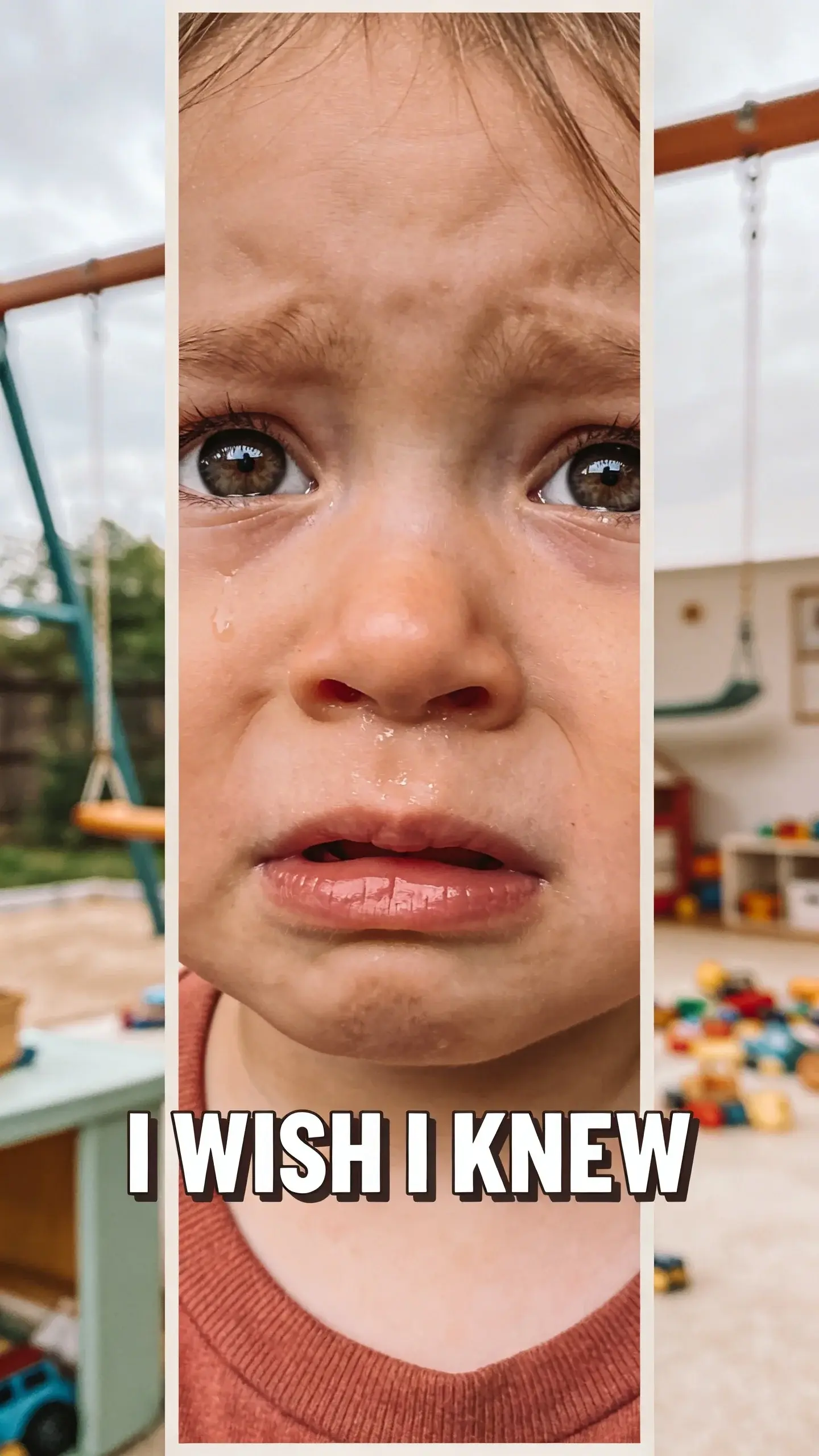
Creating a printable toddler routine chart doesn’t have to be a daunting task. You don’t need fancy graphic design skills. In fact, some of the most effective charts are quite simple. The key is making it accessible and engaging for your child. You can even involve them in the process!
First, decide on your format. Will it be a vertical strip with pictures moving down, or a horizontal line? Some parents prefer a “first, then” board for specific transitions. Next, gather your images. You can find free printable routine cards online, use clip art, or take photos of your child performing each task. Photos are especially powerful for younger toddlers as they recognize themselves.
Once you have your images, print them out. Laminating them is a great idea for durability. Then, attach Velcro dots to the back of each picture and to your chart base. This allows for easy rearrangement. It also lets your child physically move the completed tasks. This interactive element is highly engaging for little ones.
Involving your child in creating the chart, even just choosing the pictures, gives them a sense of ownership. This increases their willingness to follow the routine and reduces resistance. Make it a fun project!
Finally, choose a prominent spot to display your chart. Make sure it’s at your toddler’s eye level. This encourages them to refer to it independently. Remember, this is a tool for them. It should be easily accessible. [-> Read more: DIY Kids Activity Ideas]
Making Bedtime Easier with a Printable Schedule and Positive Reinforcement
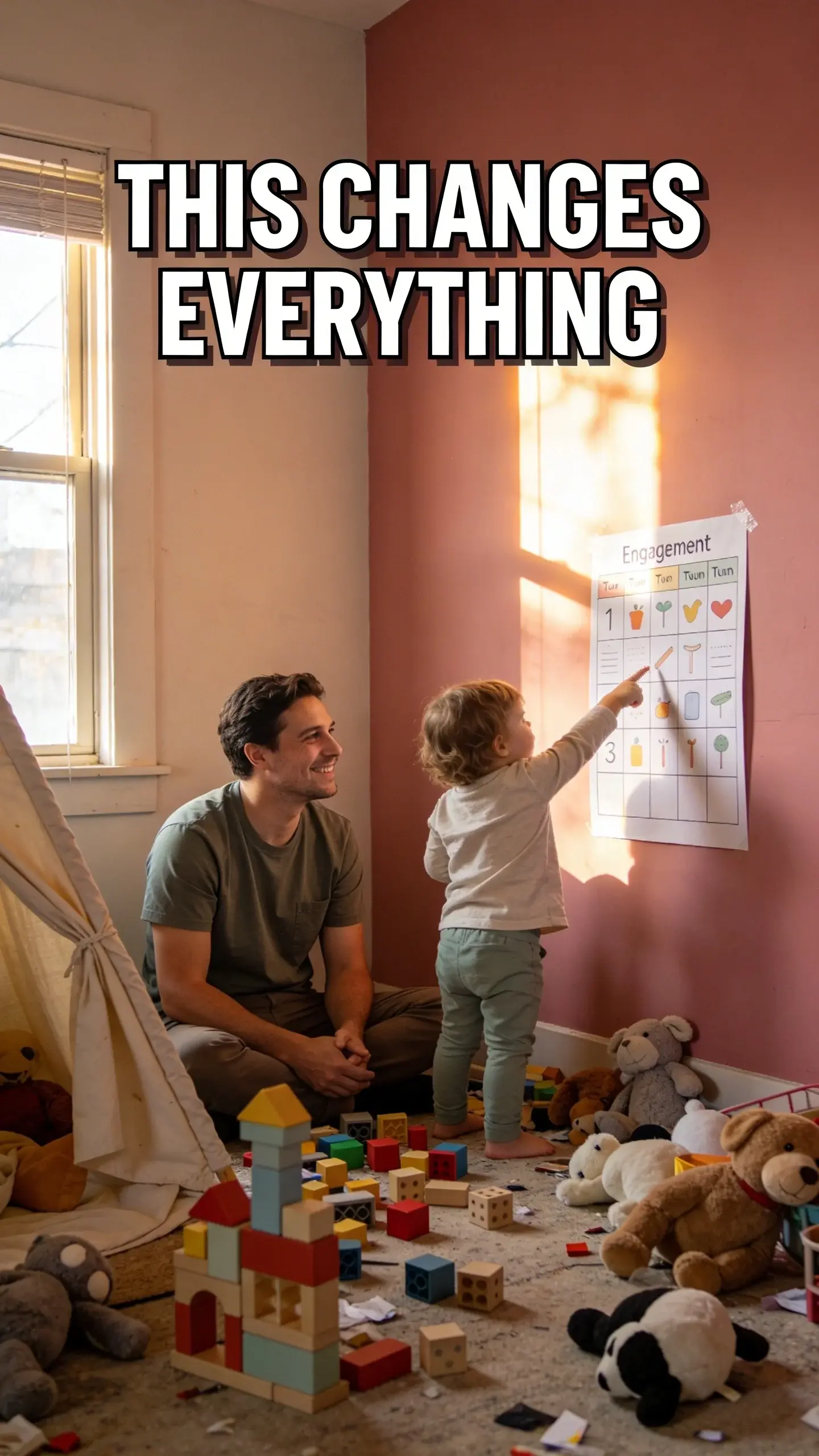
Bedtime can often feel like the grand finale of a long day, sometimes ending with a dramatic flourish of tears and protests. Many parents dread the nightly battle. However, a consistent and visual bedtime routine can truly make a difference. A printable schedule helps toddlers wind down. It also clearly signals that sleep is approaching.
Think about the steps in your current bedtime routine. Do you have a bath, brush teeth, read a story, and then go to bed? Translate these steps into simple pictures. Display this bedtime chart near their bed or in the bathroom. Point to each picture as you complete the activity. This creates a predictable sequence.
My own toddler used to resist the bath nightly. But once “bath time” was clearly on her chart, followed by “story time,” her resistance lessened. She knew what was coming next. This predictability reduced her anxiety. It helped her transition from playtime to quiet time more smoothly. Positive reinforcement is crucial here. Praise their cooperation at each step.
-> Source: National Sleep Foundation – Consistent bedtime routines are associated with better sleep quality and duration in young children, contributing to overall health and well-being.
Moreover, visual schedules help toddlers feel more in control. They can see the end of the routine, which is often a comforting thought. This promotes self-regulation. It also empowers them to participate actively. Soon, bedtime can become a peaceful, connected ritual instead of a nightly struggle.
Troubleshooting Your Visual Schedule System: When Things Don’t Go as Planned
Let’s be real: parenting is rarely perfect. Even the best visual schedule system will have its bumps. Your toddler might still resist a task. Or they might try to skip steps. This is completely normal. Don’t get discouraged if things don’t go perfectly on day one, or even day ten.
First, check for consistency. Are you using the chart every day, even when you’re rushed? Consistency is key for toddlers. They learn through repetition. If you skip days, the routine won’t stick as well. Next, consider your child’s temperament. Some children need more time to adapt. Others might push boundaries more often.
If resistance occurs, calmly redirect them to the chart. “Look, after we brush our teeth, then it’s story time!” Offer choices within the routine if possible. “Do you want to put on your blue shirt or your red shirt?” This gives them a sense of control. It often diffuses power struggles. Remember, flexibility is also important. Life happens. Some days you’ll need to adjust the schedule. That’s okay.
Furthermore, ensure the pictures are clear and relevant. Is your child still understanding them? As they grow, their understanding changes. You might need to update the images. Perhaps you need more specific pictures. For example, instead of just “play,” maybe “play with cars.” [-> Read more: Gentle Discipline Techniques]
Beyond the Basics: Customizable Routine Charts for Growing Kids
A printable toddler routine chart isn’t just for the early years. It’s a foundational tool that can evolve with your child. As they grow, their needs and daily activities change. Therefore, your visual schedule can change too. It can adapt to new challenges and responsibilities.
For older preschoolers, you might introduce more complex tasks. Think about adding “help set the table” or “put toys in the bin.” You can also use the chart for special events. For instance, create a “visiting Grandma” chart with steps like “get in car,” “drive,” “play at Grandma’s.” This helps prepare them for new experiences.
Customizable routine charts are also fantastic for travel. A mini version can help maintain consistency in unfamiliar environments. This reduces anxiety for both you and your child. Similarly, if your child is going through a big transition, like starting daycare or potty training, a dedicated visual schedule can provide much-needed support. [-> Read more: Toddler Potty Training Tips]
Ultimately, the beauty of a printable chart lies in its adaptability. You can always print new cards, rearrange steps, or create entirely new schedules. It’s a dynamic tool designed to support your child’s developing independence. It helps them navigate their world with greater confidence and less fuss. This flexibility ensures its long-term usefulness.
Frequently Asked Questions About Printable Toddler Routine Charts
How do I create a printable toddler routine chart?
To create a printable routine chart, first list your daily activities. Then, find or draw simple pictures for each task. Print these images, laminate them for durability, and attach them with Velcro to a poster board. This allows your child to move the pictures as they complete each step.
What are the benefits of a visual schedule system for toddlers?
A visual schedule system offers numerous benefits for toddlers. It provides predictability, reducing anxiety and meltdowns. It also fosters independence, helps with transitions, and improves communication. Children feel more secure when they know what to expect in their day.
At what age should I start using a toddler routine chart?
You can start using a toddler routine chart as early as 18 months to 2 years old. Toddlers at this age begin to understand cause and effect and visual cues. Even simple charts with 3-4 pictures can be highly effective. They thrive on predictable daily routines.
Can a printable toddler routine chart help with tantrums?
Absolutely, a printable toddler routine chart can significantly reduce tantrums. Many tantrums stem from a lack of control or understanding during transitions. The chart provides clarity and prepares them for what’s next. This reduces surprise and builds a sense of security.
How often should I update my toddler’s visual schedule?
You should update your toddler’s visual schedule as needed, typically every few months or when significant changes occur. You might need to:
- Add new activities (e.g., school, new chores).
- Remove activities that are no longer relevant.
- Change the order of tasks.
Always involve your child in these updates for better buy-in.
Where can I find free printable toddler routine chart templates?
Many parenting blogs, educational websites, and Pinterest offer free printable toddler routine chart templates. You can search for “free visual schedule printables” or “toddler daily routine cards.” These resources often provide a variety of images and formats. You can then customize them to fit your family’s specific needs and create a perfect printable toddler routine chart.
Embrace the Calm with Your Printable Toddler Routine Chart
Indeed, the journey of parenting a toddler is full of joy, but also its fair share of challenges. The constant overwhelm and guilt from daily struggles can take a toll. However, you have the power to shift that dynamic.
Imagine mornings that flow with ease, bedtimes that end in sweet dreams, and days filled with fewer power struggles. This isn’t a magical fantasy. It’s a reality you can create. Your child will thrive in an environment of predictability and understanding. This simple tool truly makes a difference.
So, take a deep breath, mama. You’ve got this. Start small, be consistent, and watch as your new printable toddler routine chart brings a refreshing sense of calm and cooperation to your home. Give it a try today! For more ideas, check out parenting tips and expert advice. Learn more: consistent routine.