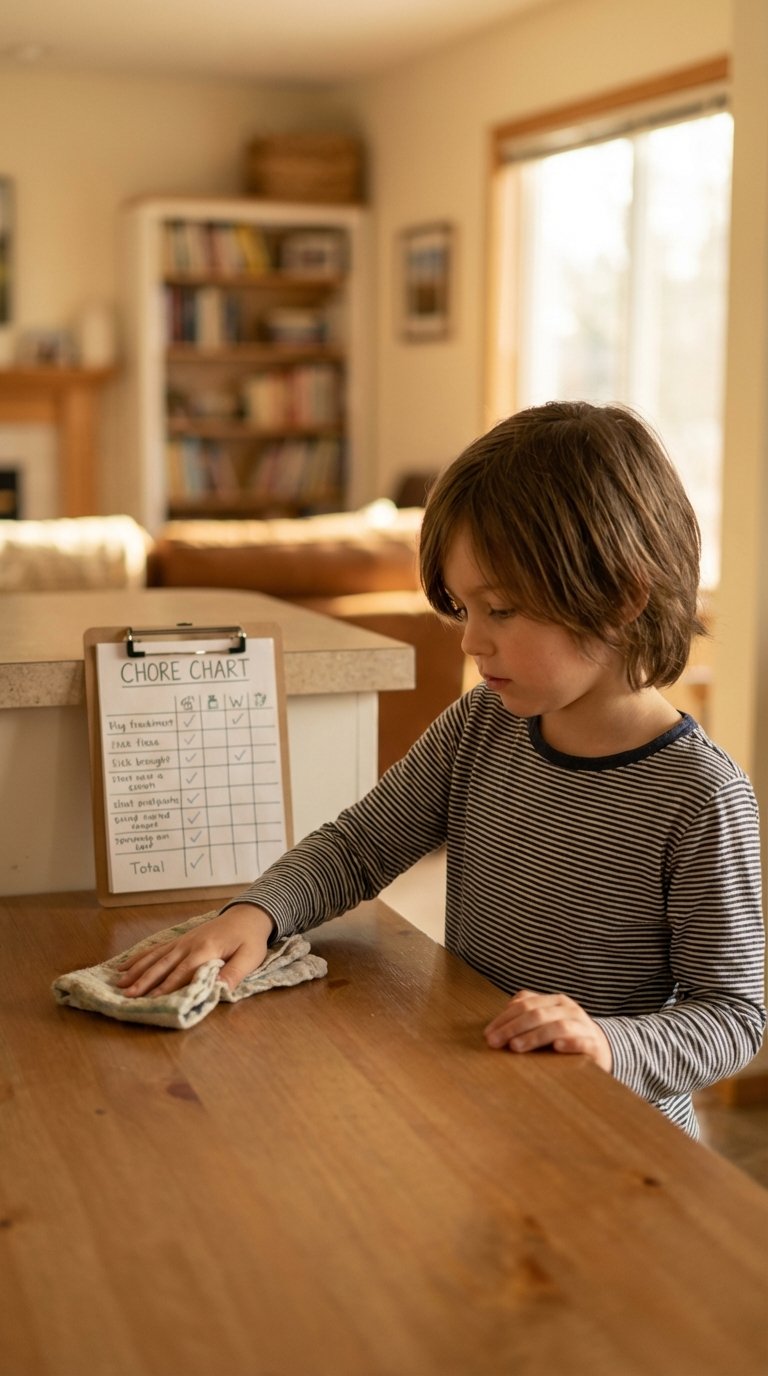

Master How to Create a Family Schedule That Runs Itself
Create a Family Schedule That Runs Itself: Proven Steps
Learn how to create a family schedule that runs itself, bringing peace and predictability to your home. Discover practical strategies to reduce chaos and reclaim your time today!
Tired of daily chaos? Discover the proven blueprint to create a family schedule that effortlessly manages itself, freeing you from constant nagging and stress.
Ever feel like you’re constantly herding cats, yelling reminders, and wondering where the day went? You’re not alone. Many parents dream of a calmer household, a smoother flow to their days, and the ability to confidently create a family schedule that actually works without constant parental intervention.
Imagine a world where everyone knows what’s next, tasks get done without a battle, and you actually have time for yourself. Sound like a fantasy? It doesn’t have to be. What if I told you that with the right approach, you could create a family schedule that practically runs itself?
Why You Need to Finally Create a Family Schedule That Works
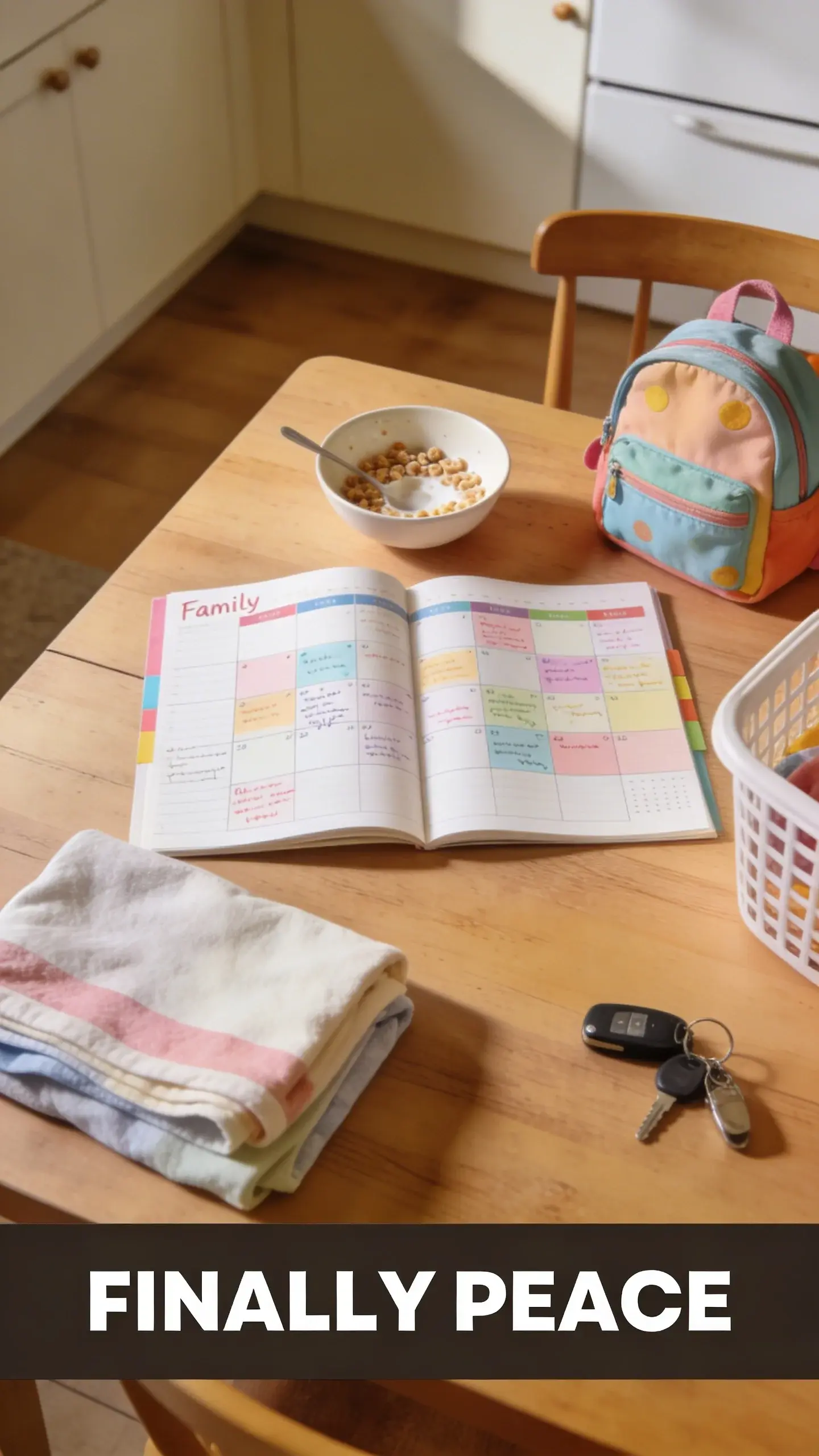
Let’s be honest, the idea of a “schedule” can feel restrictive, like another item on your already overflowing to-do list. But here’s the truth: a well-crafted family schedule isn’t about rigidity; it’s about liberation. It’s about providing a predictable framework that reduces decision fatigue for everyone.
Think about it. How much mental energy do you spend each day trying to remember who needs to be where, what needs to be done, and when? A solid routine frees up that valuable brain space, allowing you to be more present and less stressed. It’s about learning how to make a family schedule work for you, not against you.
For children, predictability is a superpower. It fosters a sense of security and autonomy. When kids know what’s coming, they’re less likely to resist, throw tantrums, or constantly ask “What’s next?” This is a crucial step in building self-sufficient habits from a young age.
-> Source: American Academy of Pediatrics – Consistent daily routines are linked to better sleep, improved academic performance, and reduced behavioral problems in children.
The Foundation: Tips for Creating a Daily Family Routine

Before you dive into color-coded spreadsheets, let’s talk about the bedrock of any successful schedule: understanding your family’s unique rhythm. Every family is different, so what works for your neighbor might not work for you.
Start by observing. For a few days, simply note down what your family naturally does and when. What time do people wake up? When are energy levels highest? When do meltdowns typically occur? These observations are invaluable tips for creating a daily family routine that feels natural, not forced.
Identify Your Non-Negotiables
Every family has core activities that absolutely must happen. These are your anchors. For example, school, work, meals, and bedtime are usually fixed points. Pin these down first.
Once your anchors are in place, you can start to fill in the gaps. This flexible approach ensures that the schedule serves your family, rather than dictating every single moment. Remember, the goal is a framework, not a straitjacket.
Don’t try to create a perfect, minute-by-minute schedule from day one. This often leads to burnout and abandonment. Instead, focus on blocks of time and key transitions, allowing for natural ebb and flow.
Mapping It Out: A Simple Family Schedule Template

Now that you have your non-negotiables, it’s time to visualize your schedule. You don’t need fancy software; a large whiteboard, a calendar app, or even a simple piece of paper can work wonders. The key is to make it visible and accessible to everyone.
Here’s how to create a simple family schedule template that becomes a living document for your household:
- Morning Routine: What needs to happen before school/work? (Waking up, getting dressed, breakfast, packing bags).
- School/Work Hours: This block will be largely fixed.
- Afternoon Flow: Homework, snacks, free play, chores, extracurriculars.
- Evening Routine: Dinner, family time, bath/shower, reading, bedtime.
- Weekend Structure: While more flexible, consider a loose framework for chores, family outings, and downtime.
Break down larger tasks into smaller, manageable steps. For instance, “Get ready for school” can become: “Eat breakfast,” “Brush teeth,” “Get dressed.” This clarity helps children, especially younger ones, understand expectations.
Involving the Whole Crew
A schedule that runs itself requires buy-in from everyone. This means involving your children in the planning process. Even toddlers can help decide between two snack options or pick their pajamas for the next day. Older kids can contribute to chore rotas or suggest family activities.
When kids feel a sense of ownership, they’re far more likely to adhere to the schedule. This isn’t just about getting things done; it’s about teaching valuable life skills like time management and responsibility.
The most effective family schedules are co-created, not imposed. When children contribute to the planning, they develop a sense of agency and are more invested in the routine’s success, making it truly “run itself.”
Navigating the Chaos: Managing Kids’ Activities Schedule Effectively

Ah, extracurriculars. They enrich our children’s lives but can also turn a peaceful family routine into a logistical nightmare. Managing kids’ activities schedule requires a strategic approach.
First, prioritize. It’s easy to sign kids up for everything, but over-scheduling leads to stress for everyone. Discuss with your children what activities they genuinely love and what aligns with family values. Sometimes, less is truly more.
Consider grouping activities geographically or chronologically to minimize travel time. Can one child’s soccer practice be followed by another’s piano lesson if they’re in the same area? Carpooling with other families is also a lifesaver and a fantastic way to build community.
[-> Read more: Tips for Streamlining After-School Routines]
Beyond the Basics: Establishing Evening Family Routines for Calm

The evening hours can be a battleground, right? Homework, dinner, baths, and the dreaded bedtime routine. But establishing evening family routines can transform this chaotic period into a time of connection and calm.
Start with dinner. Make it a consistent family affair as much as possible. Even if it’s just 15 minutes, sitting down together provides a vital touchpoint. After dinner, assign specific roles for cleanup – everyone pitches in. This teaches responsibility and lightens the load for parents.
Then, transition to wind-down activities. This could be reading, quiet play, or talking about the day. Dim the lights, put away screens, and create an atmosphere conducive to sleep. A consistent bedtime routine signals to the body that it’s time to rest, improving sleep quality for everyone.
The Power of the Bedtime Story
A bedtime story isn’t just for kids; it’s a powerful ritual for parents too. It offers a dedicated, screen-free moment of connection. This consistent habit can significantly reduce bedtime resistance and foster a love of reading.
Even if you’re exhausted, try to carve out this time. You’ll be amazed at the conversations that emerge and the bond it strengthens. It’s a small investment with huge returns for family well-being.
The Unspoken Truth: Overcoming Family Schedule Conflicts
Let’s get real: no schedule is perfect, and conflicts are inevitable. Kids get sick, appointments pop up, and sometimes, you just need a break. The goal isn’t to avoid conflicts but to develop strategies for overcoming family schedule conflicts gracefully.
First, build in buffer time. Don’t schedule every minute back-to-back. A 15-minute gap between activities can be a lifesaver for unexpected delays or quick transitions. This flexibility is key to a sustainable schedule.
Secondly, communicate openly. When a conflict arises, talk about it as a family. “Okay, soccer practice is cancelled, what’s our new plan for the afternoon?” This models problem-solving and reinforces that the schedule is a tool, not a dictator.
- ✅ Build in buffer time for flexibility.
- ✅ Communicate changes openly with everyone.
- ✅ Have a “Plan B” for common disruptions (e.g., rain, illness).
- ✅ Prioritize rest and downtime to prevent burnout.
- ✅ Don’t fear adjusting the schedule when needed.
Tools & Tech: Best Family Scheduling Apps and Systems
In today’s digital age, there’s no shortage of tools to help you manage your family’s daily rhythm. From simple wall calendars to sophisticated apps, choosing the best family scheduling apps and systems depends on your family’s tech comfort level and specific needs.
For visual learners, a large physical whiteboard or a magnetic calendar in a central location (like the kitchen) is often best. Use different colored markers for each family member to make it easy to see who’s doing what.
If you’re a tech-savvy family, consider shared digital calendars like Google Calendar or Outlook Calendar. These allow everyone to see updates in real-time, set reminders, and even color-code events. There are also dedicated family organizing apps like Cozi or OurHome that combine calendars, shopping lists, and chore trackers. Find what fits your style.
[-> Read more: Top Productivity Apps for Busy Parents]
Keeping It Real: Maintaining Consistency in Family Schedules
You’ve put in the work, you’ve got a beautiful schedule. Now comes the real challenge: maintaining consistency in family schedules. This isn’t a one-time setup; it’s an ongoing commitment.
Repetition is the mother of all skill. The more consistently you follow the schedule, the more ingrained it becomes. Initially, you might need to provide frequent reminders, especially for younger children. Use visual cues, timers, and positive reinforcement.
Remember, life happens. There will be days when the schedule goes completely off the rails. Don’t beat yourself up! Acknowledge the disruption, reset, and get back on track the next day. The key is resilience, not perfection. Regularly review your schedule, perhaps once a month, to see what’s working and what needs tweaking.
-> Source: University of California, Berkeley – Studies show that consistent daily routines can significantly reduce parental stress and improve overall family satisfaction.
For example, my friend Sarah used to struggle with getting her two kids out the door in the morning. After implementing a visual checklist and a consistent “morning routine song,” her mornings transformed from frantic to functional. It took a few weeks of consistent effort, but now her kids practically run the morning show themselves.
Frequently Asked Questions About Family Schedules
How do I create a family schedule that works?
To create a family schedule that truly works, start by observing your family’s natural rhythm and identifying non-negotiable activities. Involve all family members in the planning process to foster buy-in, and build in buffer time for flexibility. Focus on routines and transitions rather than strict minute-by-minute planning.
What are the best tools to create a family schedule?
The best tools to create a family schedule depend on your preference. Options range from simple physical whiteboards and magnetic calendars for visual learners to shared digital calendars like Google Calendar or dedicated family organizing apps such as Cozi for tech-savvy families.
How can I get my kids to stick to a family schedule?
Getting kids to stick to a family schedule involves consistency, clear communication, and visual aids. Involve them in creating the schedule, use timers and checklists, and offer positive reinforcement. Remember that repetition is key, and be patient with the adjustment period.
Is it possible to create a family schedule without feeling rigid?
Absolutely! The secret to creating a family schedule without feeling rigid is to focus on blocks of time and flexible routines rather than strict timings. Build in buffer zones, allow for spontaneous moments, and remember that the schedule is a guide, not a dictator. Embrace flexibility as a core component of your daily rhythm.
What are the benefits of a well-structured family schedule?
A well-structured family schedule offers numerous benefits, including reduced parental stress, increased child independence, improved time management skills for everyone, and a calmer, more predictable home environment. It frees up mental energy and fosters a sense of security and belonging within the family.
How often should you review and adjust your family schedule?
You should review and adjust your family schedule regularly, ideally once a month or whenever there’s a significant life change (e.g., new school year, new activity, growth spurt). This ensures the schedule remains relevant and effective for your evolving family needs. Don’t be afraid to tweak and refine to truly create a family schedule that serves you.
Conclusion
Creating a family schedule that runs itself isn’t about achieving unattainable perfection; it’s about building a framework that supports your family’s unique needs and brings a sense of calm predictability to your days.
Imagine the quiet hum of a household where everyone knows their role, where transitions are smooth, and where the daily rhythm flows without constant nagging. That peaceful reality is within your reach.
So take a deep breath, gather your family, and start small. You have the power to create a family schedule that truly transforms your home into a haven of harmony and efficiency. For more ideas, check out parenting tips and expert advice. Learn more: family activities. Learn more: family organiz.