

15 Simple Family Systems That Reduce Daily Stress Now!
Family Systems: 15 Simple Ways to Reduce Daily Stress Now
Discover 15 simple family systems to dramatically reduce daily stress and bring calm back to your home. Learn practical routines for a happier family life.
Feeling overwhelmed by daily family chaos? These 15 simple family systems are your roadmap to a more peaceful, organized home. Start reducing your daily stress today.
Does your household feel like a constant whirlwind of forgotten lunches, missed appointments, and last-minute meltdowns? You’re not alone. Many families struggle with the daily grind, often feeling like they’re just barely keeping their heads above water. Implementing effective family systems can change everything.
Indeed, these simple structures create predictability and ease. They empower everyone to contribute, significantly reducing the mental load on parents. Are you ready to transform your home into a haven of calm and cooperation?
How to Reduce Daily Stress with Simple Family Systems
Life with a family is inherently busy. However, it doesn’t have to be perpetually stressful. Many parents report feeling overwhelmed by the sheer volume of daily tasks. Therefore, finding ways to streamline is crucial.
Simple family systems act as invisible scaffolding. They support your household, ensuring everyone knows what to do and when. This reduces friction and frees up valuable mental energy. -> Source: American Psychological Association – Chronic stress in families can lead to increased conflict and parental burnout.
Think of it like a well-oiled machine. Each part has its role, and the whole system runs smoothly. What if your family could operate with that same efficiency and peace?
Effective family systems aren’t about rigid rules. Instead, they’re about creating predictable patterns that foster independence and reduce decision fatigue for everyone. This shift empowers kids and lightens the parental mental load.
Creating Effective Family Systems for Less Chaos
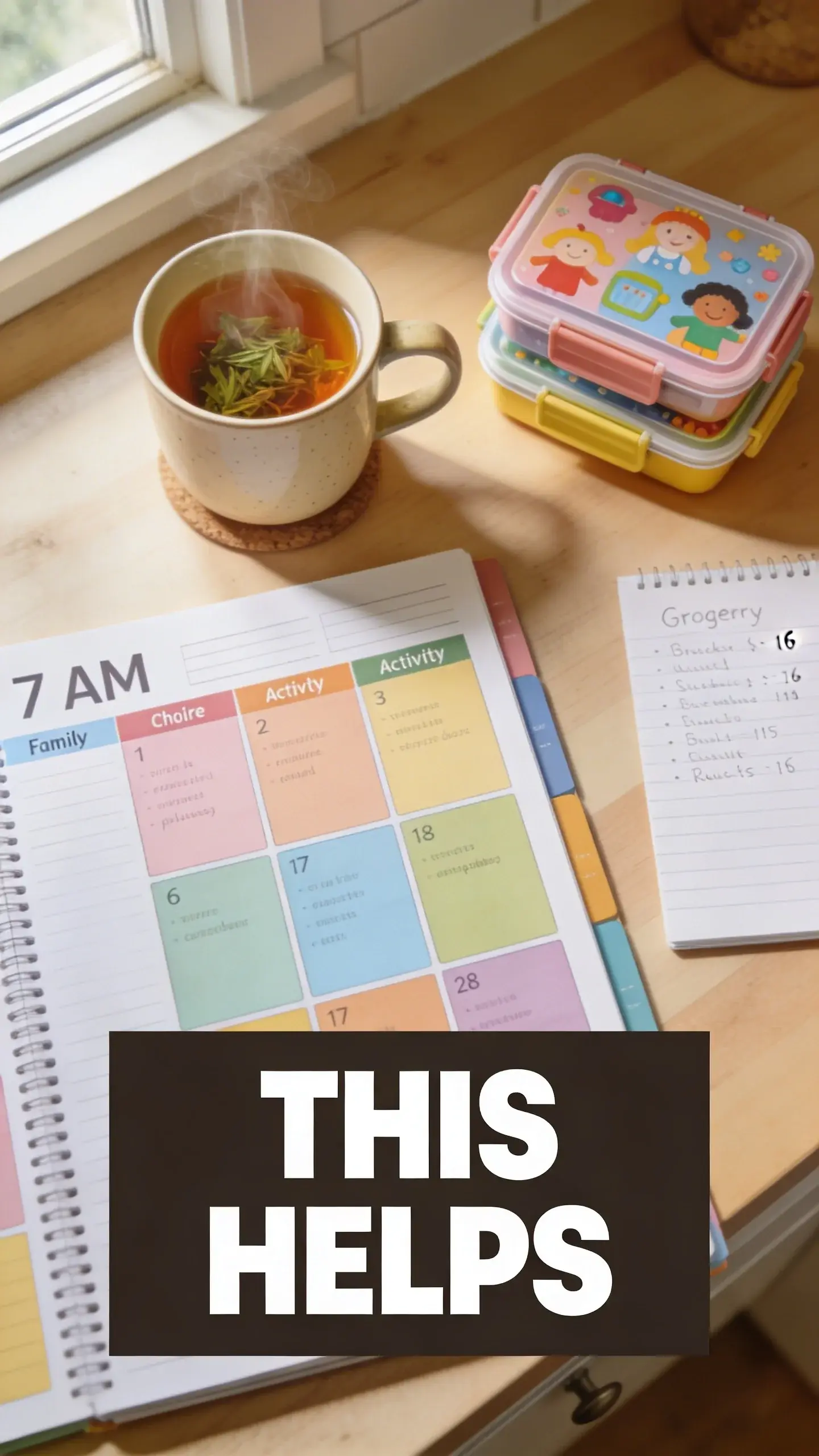
The journey to a calmer home begins with intentional design. You need systems that fit your unique family. Moreover, they should be flexible enough to adapt to life’s inevitable changes. Start small, then build from there.
1. The Central Command Center System
Designate one spot for all important information. This could be a whiteboard, a digital calendar, or a bulletin board. Include schedules, appointments, and meal plans here. Everyone checks it daily.
2. The “Everything Has A Home” System
Clutter creates stress. Assign a specific spot for common items like keys, backpacks, and shoes. Label bins and drawers if necessary. This simple system saves countless minutes searching.
3. The Launchpad System
Create a designated “launchpad” near the door. This is where school bags, sports gear, and work items go the night before. Consequently, morning rushes become much smoother. No more frantic searches for permission slips!
Simple Family Routines: Morning and Evening Systems
Routines are the backbone of effective family systems. They provide structure, especially for young children. Furthermore, they reduce arguments and power struggles. Everyone knows what’s coming next.
4. The “Ready for School” Morning System
Outline clear steps for getting ready each morning. This might include getting dressed, eating breakfast, and packing bags. Use a visual checklist for younger kids. This system fosters independence.
5. The “Wind-Down” Evening System
Establish a consistent evening routine to prepare for bedtime. This could involve tidying up, bath time, reading, and quiet play. A predictable wind-down helps children (and adults!) relax. It signals the body it’s time for sleep. -> Source: Journal of Family Psychology – Consistent routines are linked to improved child development and emotional regulation.
Trying to implement too many new family systems at once. This often leads to burnout and abandonment. Instead, introduce one new system every few weeks, giving everyone time to adjust and master it.
Managing Family Schedules Without Stress: The Calendar System

Juggling multiple schedules is a common source of parental burnout. However, a robust calendar system can be a lifesaver. It ensures everyone is on the same page. This reduces missed appointments and frantic last-minute planning.
6. The Shared Digital Calendar System
Utilize a digital calendar (Google Calendar, Apple Calendar, etc.) that everyone can access and update. Color-code events for each family member. This transparency is key to managing family schedules without stress.
7. The Weekly Family Meeting System
Hold a short, weekly meeting to review the upcoming schedule. Discuss who needs to be where and when. This proactive approach prevents surprises. It also encourages shared responsibility within your family systems.
Establishing Chore Systems for Kids: Building Responsibility
Chores are often a battleground, but they don’t have to be. Moreover, involving kids in household tasks teaches valuable life skills. It also lightens the load for parents. The right system makes all the difference.
8. The Age-Appropriate Chore Chart System
Create a visual chore chart with tasks suited to each child’s age. Use pictures for younger kids. Rotate chores weekly or monthly to introduce variety. This system ensures fairness and clarity.
9. The “Clean Up Song” System
For younger children, a designated “clean up song” can signal tidy-up time. Play it for 5-10 minutes before transitioning to the next activity. This gamified approach makes tidying fun. It’s a surprisingly effective family system.
Children who regularly participate in household chores tend to have higher self-esteem and better academic performance. Early involvement in shared responsibility is a cornerstone of positive child development.
Meal Planning Systems for Families: Food Prep Made Easy

The “what’s for dinner?” question can trigger daily stress. However, a simple meal planning system can eliminate this. It saves time, money, and mental energy. Furthermore, it ensures healthier eating habits.
10. The Weekly Meal Plan & Shopping List System
Dedicate 30 minutes each week to plan all meals. Then, create a corresponding shopping list. Stick to it at the grocery store. This system reduces impulse buys and food waste.
11. The “Prep Ahead” System
Batch cook certain items on the weekend. This might include chopping vegetables, cooking grains, or preparing proteins. This simple family system makes weeknight dinners a breeze. You’ll thank yourself later!
-> Read more: easy weeknight dinner recipes
Family Communication Systems That Work: Beyond “How Was Your Day?”
Effective communication is vital for reducing tension and fostering connection. However, open dialogue doesn’t always happen naturally. Therefore, creating intentional communication family systems is essential. These systems ensure everyone feels heard and understood.
12. The Family Check-In System
Establish a daily check-in time, perhaps during dinner. Ask specific questions beyond “How was your day?” For example, “What was the best part of your day?” or “What was one challenge you faced?” This encourages deeper sharing.
13. The “Feelings Box” System
Create a box where family members can anonymously write down worries or frustrations. Review these together during a weekly family meeting. This provides a safe outlet for emotional regulation. It also helps address issues before they escalate.
- ☐ Designate a central family command center.
- ☐ Implement a consistent morning routine.
- ☐ Use a shared digital calendar for all schedules.
- ☐ Create an age-appropriate chore chart.
- ☐ Plan meals weekly to reduce dinner stress.
Benefits of Family Organization Systems: A Happier Home

The payoff for implementing these family systems is immense. You’ll notice a significant reduction in household chaos. Moreover, you’ll experience a calmer, more harmonious home environment. These benefits extend to every family member.
Think about the mental load parents carry daily. Organizing, planning, remembering — it’s exhausting. Systems offload some of that pressure. This allows for more quality time and less nagging. Ultimately, it strengthens family well-being.
Simple Ways to Improve Family Dynamics and Reduce Tension
Beyond practical tasks, certain systems can directly enhance relationships. These focus on connection and mutual respect. They are simple, yet powerful, additions to your overall family systems toolkit. Building resilience in family life is key.
14. The “Family Fun” System
Schedule dedicated family fun time each week. This could be a game night, a movie night, or an outing. Protect this time fiercely. Shared positive experiences build strong bonds and reduce tension. It’s an investment in your family’s happiness.
15. The “Gratitude Practice” System
Incorporate a gratitude practice into your daily routine. For instance, go around the dinner table and share one thing you’re grateful for. This simple act shifts focus to positivity. It cultivates a more appreciative atmosphere. -> Read more: benefits of gratitude journaling
Family Systems for Working Parents: Juggling Demands

Working parents face unique challenges in managing household dynamics. Time is often a scarce commodity. Therefore, efficient family systems become even more critical. They help streamline processes and prevent parental burnout.
Consider leveraging technology for reminders and shared lists. Delegate tasks effectively to all capable family members. It’s about working smarter, not harder. This approach can make a huge difference.
For example, my friend Sarah, a busy working mom, implemented a “Sunday Prep Hour.” During this hour, everyone helps pack lunches, lay out clothes, and organize backpacks for the week. This small system dramatically reduced her Monday morning stress.
-> Read more: time management tips for busy parents
What Actually Works: Consistency and Communication
The most effective family systems are those that are consistently applied. Moreover, open communication about the systems is vital. Explain the “why” behind each system. This secures buy-in from all family members. It fosters a sense of shared purpose.
Common Mistake: The “My Way or the Highway” Approach
Trying to impose systems without family input often leads to resistance. Instead, involve everyone in the planning process. Children are more likely to follow rules they helped create. This collaborative approach makes systems stick.
Frequently Asked Questions About Family Systems
What are simple family systems?
Simple family systems are structured routines, habits, or agreements that help a household function smoothly. They create predictability and reduce daily decision-making. Examples include chore charts, meal plans, and shared calendars.
How can family systems reduce daily stress?
By automating routine tasks and clarifying expectations, family systems reduce the mental load on parents. They minimize conflicts over chores, schedules, and responsibilities. This leads to a calmer, more organized home environment for everyone.
What are the best family systems for young children?
For young children, visual family systems work best.
- Use picture-based chore charts.
- Implement consistent morning and bedtime routines.
- Designate specific places for toys and belongings.
These help them understand expectations and build independence.
How do I introduce new family systems without resistance?
Introduce new family systems one at a time. Explain the benefits to everyone involved. Involve family members in the planning and decision-making process. This fosters a sense of ownership and cooperation, making implementation smoother.
Can family systems improve communication at home?
Absolutely. Systems like regular family check-ins or a “feelings box” create dedicated spaces for dialogue. They encourage open sharing and active listening. This strengthens family bonds and improves overall communication, fostering a calm home environment.
What if my family systems aren’t working?
If your family systems aren’t working, don’t give up! First, reassess if they are age-appropriate and realistic for your family’s needs. Then, involve everyone in a discussion to identify pain points and brainstorm solutions. Flexibility and willingness to adapt are key to successful family systems.
Embrace Simple Family Systems for a Happier Home
Ultimately, implementing these simple family systems is a powerful investment. It’s an investment in your peace of mind and your family’s well-being. Start small, be patient, and celebrate every win along the way.
Imagine a home where mornings are calm, evenings are connected, and the daily grind feels less like a battle. This isn’t a fantasy. It’s an achievable reality when you create intentional structures. Your household deserves this harmony.
So, choose one or two of these family systems to try this week. Observe the positive ripple effect it creates. You’ll be amazed at how much daily stress melts away, leaving more room for joy and connection. For more ideas, check out parenting tips and expert advice. Learn more: family organization.